Hologic Displays Automated Solutions And Expansive Diagnostic Menu to Help Labs Grow at AACC 2021
|
By LabMedica International staff writers Posted on 29 Sep 2021 |


|
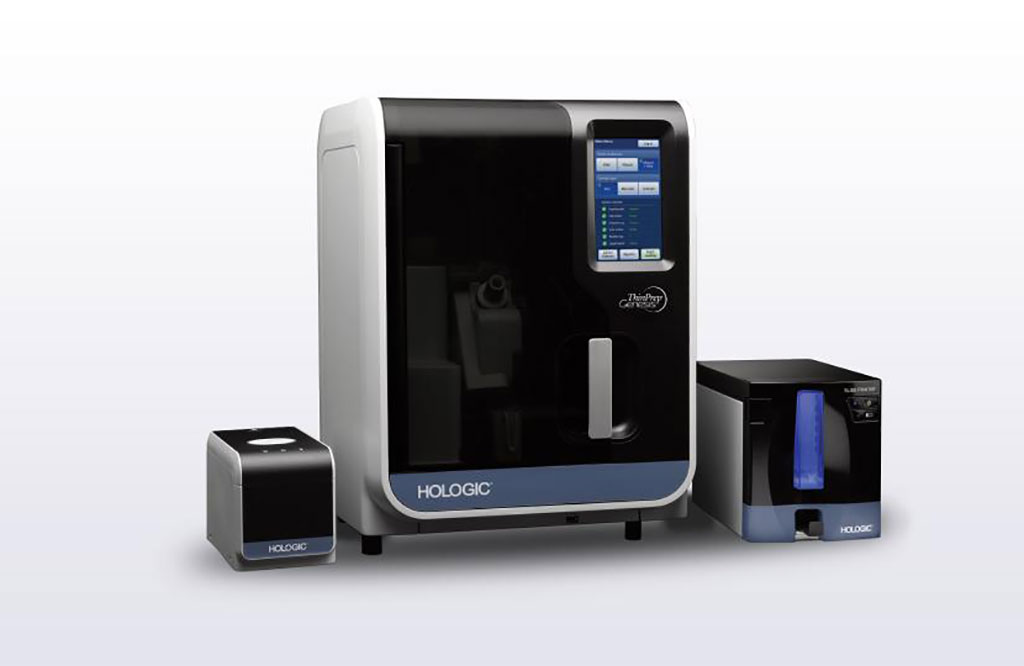
Hologic, Inc. (Marlborough, MA, USA) displayed its automated solutions and expansive diagnostic menu that are designed to help labs grow at the 2021 AACC Annual Scientific Meeting & Clinical Lab Expo.
The annual event held in Atlanta on September 26-30 by the American Association for Clinical Chemistry (AACC) showcased the cutting edge science and technology shaping the future of laboratory medicine. Hologic demonstrated its range of Panther instrumentation and Aptima and Panther Fusion assays alongside its new ThinPrep Genesis Processor at the event.
Hologic demonstrated its Panther Scalable Solutions that allow labs to expand their testing menu while adding on flexibility, capacity and walkaway time. The Panther system serves as the foundation of Hologic’s automation with the option to add on the Panther Fusion module, Panther Plus, Panther Link and Panther Trax. Panther Scalable Solutions provide an economical and scalable path to lab’s growth today and into the future. Also on display at AACC 2021 was Hologic’s broad menu of Aptima and Panther Fusion assays to run on scalable automation that can help guide patient care and enable early detection.
In addition, Hologic highlighted its new ThinPrep Genesis Processor which offers automated chain of custody, streamlined cytology processing, and hands-free sample aliquoting in a single instrument to promote confidence in results while optimizing lab performance. The ThinPrep Genesis Processor is an intuitive, versatile, and scalable solution for laboratories of all volumes. The best-in-class system helps cytology labs automate their processes – decreasing the need for hands-on labor and increasing laboratory efficiencies.
Related Links:
Hologic, Inc.









Latest AACC 2021 News
- Study Showing Differing COVID-19 Antibody Profiles Among Vaccinated and Naturally Infected Individuals Presented at AACC 2021
- Study Reveals Varying Antibody Responses and Adverse Reactions Among Recipients of Different COVID-19 Vaccines
- Novel Study on Performance of Coronavirus Tests in Children Presented at 2021 AACC Annual Scientific Meeting
- New Rapid Test That Identifies Deteriorating COVID-19 Patients with Greater Accuracy than Existing Tests Presented at AACC 2021
- New Blood Test for Occupational Stress Identifies Healthcare Professionals Burned out from COVID-19 Pandemic
- New Non-Invasive Saliva Test for Early and Accurate Detection of Prostate Cancer Presented at AACC 2021
- New Non-Invasive Blood Test for Colon Cancer Presented at 2021 AACC Annual Scientific Meeting
- Study Establishing Accurate Reference Intervals for Pregnant Patients Presented at AACC 2021
- New Test that Measures Antibodies in Girls Who Have Received HPV Vaccine Presented at AACC 2021
- Novel Insights on COVID-19 Vaccines and Virus Evolution, AI in the Clinic, and Miniaturization of Diagnostic Platforms Explored at AACC 2021
- Seegene Unveils New STARlet-AIOS All-in-One Solution for All Molecular Testing at AACC 2021
- Group K Diagnostics Demonstrates KromaHealth Kit that Enables Lab-Quality Results at Point-of-Care
- NGeneBio Showcases NGS-Based Oncology/Genetic Diseases Kits and NGenePlex nCoV qRT-PCR Kit Against COVID-19
- Visby Medical Presents New Portable PCR COVID-19 Test Kit at 2021 AACC Annual Scientific Meeting & Clinical Lab Expo
- Fluxergy Introduces First-of-Its-Kind Multi-Modal Laboratory Platform That Diagnoses COVID-19 On-Site in 60 Minutes
- Mammoth Biosciences Presents AACC 2021 Disruptive Technology Award Finalist CRISPR-Based Detection Platform
Channels
Clinical Chemistry
view channel
Screening After Pneumococcal Disease May Reveal Undiagnosed Blood Cancer or Immune Disorders
Severe pneumococcal disease requiring hospitalization often presents as pneumonia, particularly in older adults and people with cancer or compromised immune function. Because M protein testing and antibody... Read more
Global Survey Underscores Need to Standardize Bone Biomarker Testing
Bone and mineral metabolism biomarkers can complement dual-energy X-ray absorptiometry (DXA) by providing information on disease activity and treatment response. For more than 20 years, standardization... Read more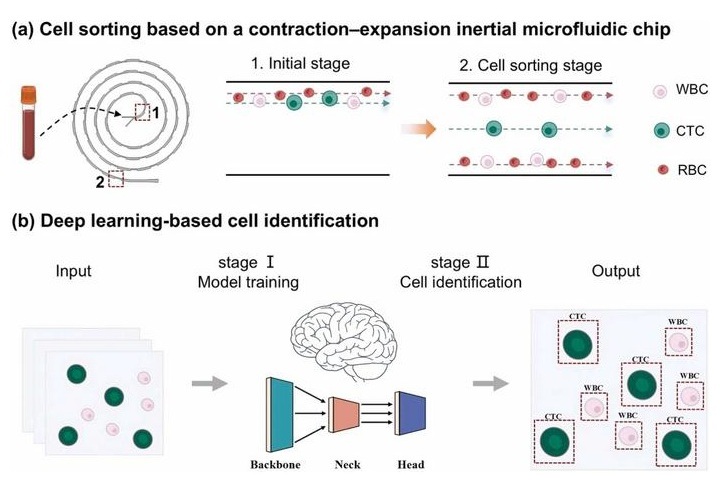
Label-Free Platform Combines Microfluidics and AI for Circulating Tumor Cell Analysis
Liquid biopsy relies on detecting rare tumor-derived material in blood, but circulating tumor cells (CTCs) are especially difficult to capture because they are vastly outnumbered by normal blood cells.... Read more
Rapid D-Dimer Assay Supports Exclusion and Monitoring of Serious Clotting Conditions
Blood clots can rapidly become life‑threatening and affect approximately 10 million people worldwide each year. During time‑sensitive evaluations, clinicians use D‑dimer testing to help rule out deep vein... Read moreMolecular Diagnostics
view channel
Urine-Based RNA Improves Bladder Cancer Detection and Monitoring
Bladder cancer affects about 85,000 people in the United States each year and is prone to recurrence. Diagnosis and surveillance commonly rely on cystoscopy, an endoscopic examination that can miss up... Read more
Blood RNA Panel Predicts Lung Cancer Risk Years Before Diagnosis
Lung cancer may begin developing during a preclinical period when the disease remains clinically undetected, creating a challenge for identifying individuals at elevated risk years before diagnosis.... Read more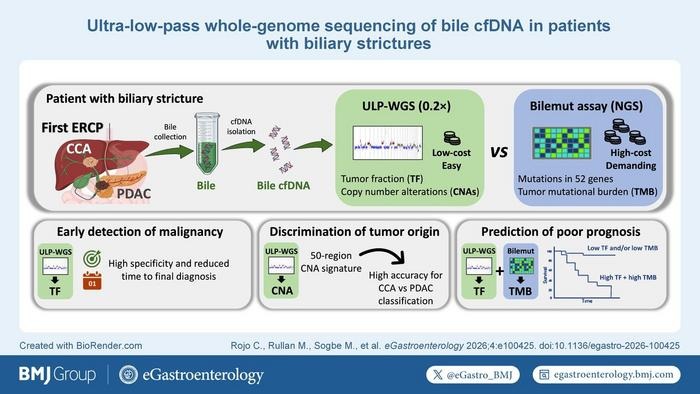

Hematology
view channel
New Donor Genetic Marker May Help Predict Stem Cell Transplant Success
Donor selection for hematopoietic stem cell transplantation plays a major role in relapse risk and survival for patients with blood cancers and other blood disorders. Despite advances in genotyping, uncertainty... Read more
Updated Ferritin Thresholds Improve Detection of Iron Deficiency
Iron deficiency is one of the most common health conditions worldwide, yet its nonspecific symptoms can delay diagnosis for months. Variation in testing practices and ferritin thresholds may contribute... Read more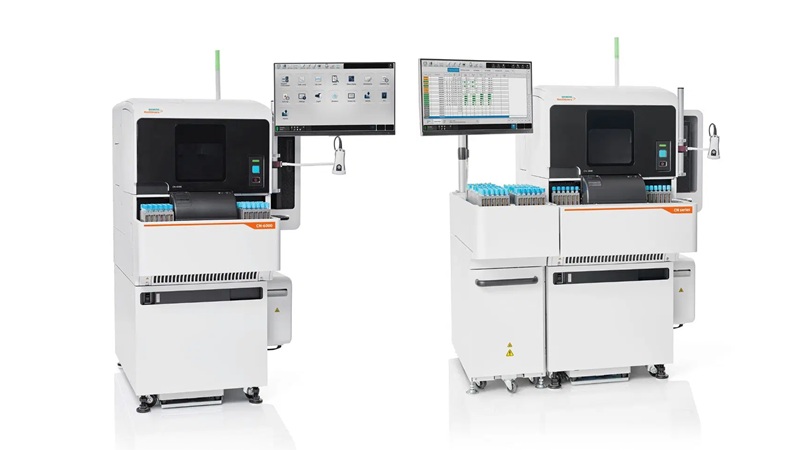
Immunology
view channel
Blood Test Differentiates Bacterial and Viral Infections in Febrile Infants
Fever in infants younger than 3 months is treated as a medical emergency because infections can become life-threatening while the immune system is still developing. Emergency department teams must quickly... Read more
New Autoantibody Test Targets Pre-Symptomatic Type 1 Diabetes Screening
Type 1 diabetes is often first recognized only after substantial beta-cell destruction, sometimes presenting as diabetic ketoacidosis. Population-scale screening could identify children at elevated risk... Read more
Microbiology
view channel
FDA-Cleared Multiplex PCR Test Detects 13 Respiratory Pathogens in a Single Sample
Respiratory tract infections can be difficult to distinguish at presentation because many cause overlapping, nonspecific symptoms and are initially grouped as influenza-like illnesses. Causes span a range... Read more
One-Hour Molecular Panel Expands Bloodstream Infection Testing for Gram-Negative Pathogens
Bloodstream infections can progress rapidly and lead to sepsis, organ failure, and death. In the United States, about 1.7 million adults develop sepsis each year, and at least 350,000 die during hospitalization... Read more
FDA Clears Rapid Phenotypic Antimicrobial Susceptibility System for Positive Blood Cultures
Bloodstream infections require prompt treatment, but antimicrobial susceptibility results often lag behind a positive blood culture. Conventional testing can take another 24 to 48 hours after a culture... Read more
New Urine Test Expands Mycotoxin Analysis to 31 Markers for Broader Exposure Assessment
Clinical evaluation of mold exposure increasingly relies on urinary mycotoxin testing, but limited marker coverage and metabolite masking can make results more difficult to interpret. Broader analysis... Read morePathology
view channel
Genomic Classifier Predicts Benefit From Adding Hormone Therapy to Salvage Prostate Radiation
Men who have undergone prostatectomy for prostate cancer may later develop a detectable or rising prostate-specific antigen, prompting salvage radiation therapy. A key challenge is determining who is most... Read more
New AI Model Maps Where Glioblastoma Could Return After Surgery
Glioblastoma is the most common malignant brain tumor in adults and the most lethal, with median survival of about 17 months after diagnosis. Even after surgeons remove all visible tumor and patients receive... Read more
Technology
view channel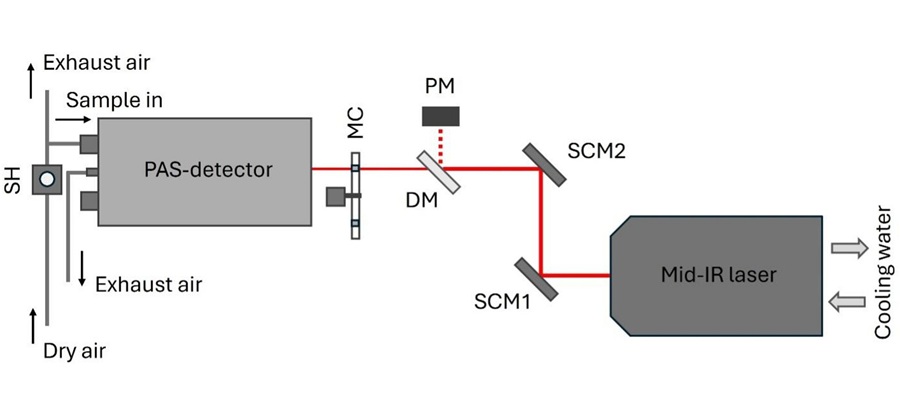
Laser-Based Swab Analysis Shows Promise for Detecting Disease-Linked Odor Patterns
Disease-related changes in volatile organic compounds can alter body odor, producing measurable patterns in exhaled breath and bodily fluids. Current analytical methods can be complex, time-consuming,... Read more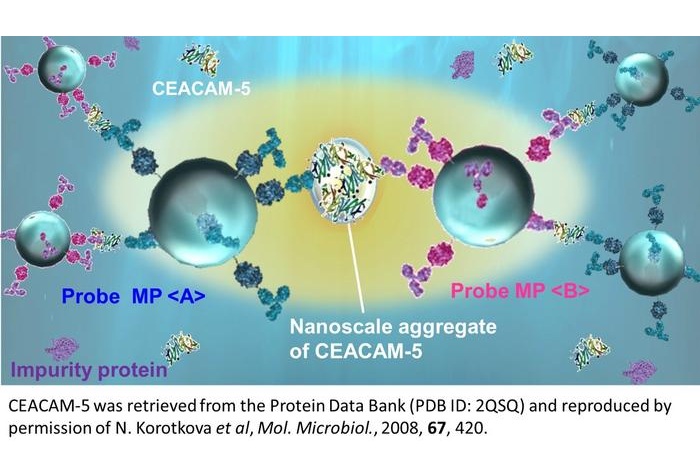
Laser-Enhanced Assay Boosts Sensitivity for Colorectal Cancer Biomarker Detection
Colorectal cancer is the third most commonly diagnosed cancer and the second leading cause of cancer-related death worldwide. Early detection remains critical, but cancer biomarkers can produce only faint... Read more

Industry
view channel
Collaboration Combines AI Cognitive Assessment and RNA Blood Testing for Earlier Alzheimer’s Detection
Alzheimer’s disease is often identified only after substantial neurodegeneration, partly because current diagnostic pathways are fragmented and difficult to scale. As treatment shifts toward earlier intervention,... Read more
Mayo Clinic Laboratories and Pathology Asia Expand Genomic Testing Across Asia-Pacific
Mayo Clinic Laboratories and Pathology Asia Holdings (PAH), together with subsidiary LifeStrands Genomics, announced a strategic investment and collaboration focused on expanding access to advanced diagnostics... Read more