Urine-Based RNA Improves Bladder Cancer Detection and Monitoring
Posted on 02 Oct 2026
Bladder cancer affects about 85,000 people in the United States each year and is prone to recurrence. Diagnosis and surveillance commonly rely on cystoscopy, an endoscopic examination that can miss up to 30% of cancer cases. High-risk patients with non-muscle-invasive disease may also require surveillance every three months, increasing the need for more informative testing. Addressing this need, a new study shows that a urine RNA test may improve bladder cancer diagnosis and help guide treatment decisions.
Stanford Medicine researchers developed uRARE-seq, a urine-based test that analyzes RNA messages shed by tumor cells into urine. Unlike liquid biopsy approaches that focus on cancer-related DNA mutations, uRARE-seq measures RNA activity to assess both the presence of cancer and aspects of its biological behavior. The method was adapted from a sequencing approach originally developed for RNA in blood plasma and uses a custom gene panel to detect RNA messages that are rare in healthy urine but abundant in genitourinary tumors.
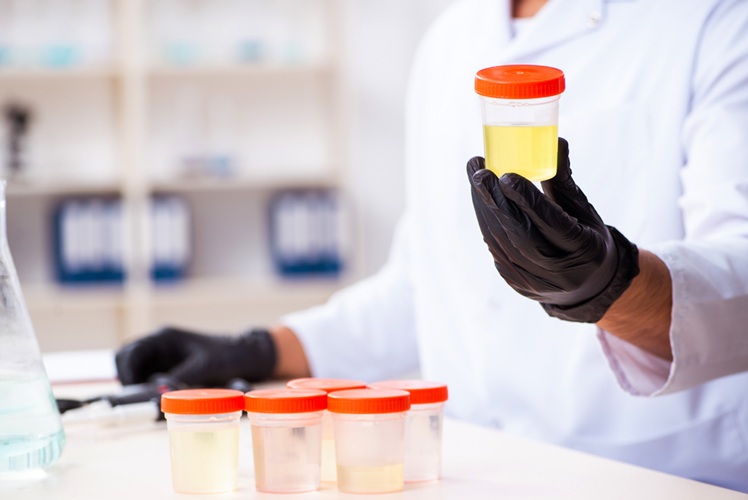
The test uses cell-free RNA fragments to reflect which genes a cancer cell is actively using. In the study, uRARE-seq was applied to samples from patients with bladder, kidney, and prostate cancer and was able to track tumor biology. It also distinguished low-grade from high-grade bladder cancer and was assessed in an experimental study of 683 urine samples from patients and healthy volunteers.
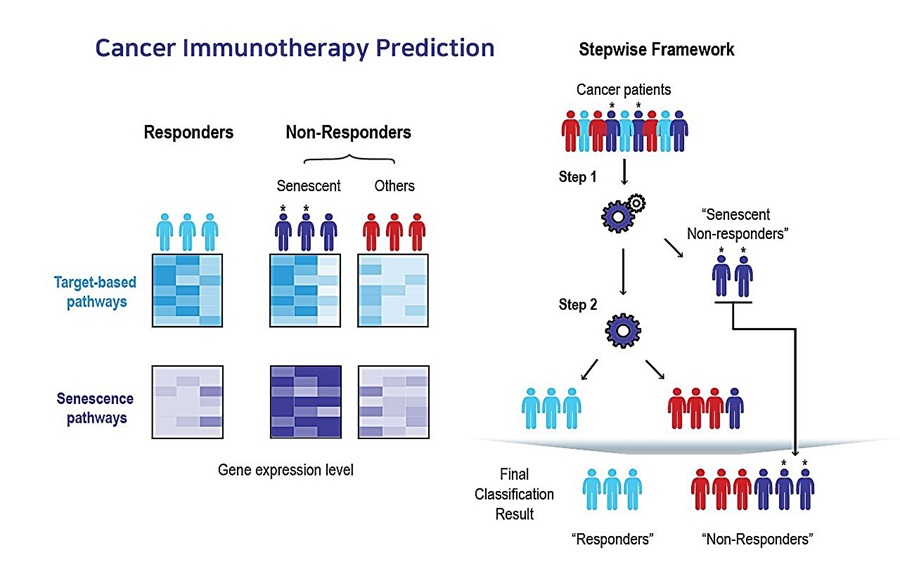
In that cohort, the test correctly identified 95% of people with localized bladder cancer and gave a clean bill of health to 90% of those who did not have the disease. It outperformed standard urine cytology and a DNA-based urine test, and it identified residual disease after surgery and Bacillus Calmette-Guérin immunotherapy. Pre-treatment urine RNA messages in patients who later responded to Bacillus Calmette-Guérin were rich in genes involved in T-cell and immune-signaling activity, while nonresponders showed signs of rapidly dividing tumor cells.
The findings were published October 2, 2026, in Nature Medicine under the article title “Urine cell-free RNA for bladder cancer detection and treatment response prediction.” Researchers from Resero Bio and the VA Palo Alto Health Care System contributed to the study. The source also states that the test may help physicians assess response to treatment and predict whether immunotherapy or chemotherapy is likely to be most effective for each patient.
“Measuring tumor DNA in urine can tell us whether a cancer is present. Analyzing RNA can tell us not only whether a cancer is present — but also what it’s doing,” said Maximilian Diehn, MD, PhD, the Jack, Lulu, and Sam Willson Professor and a professor of radiation oncology.
“For DNA-based, tumor-informed approaches, you need to know exactly what the tumor’s mutations look like to track disease. RNA doesn’t have that problem. You’re looking for a biological signature of disease, not an exact likeness, and urine is a noninvasive way to accurately detect and track bladder cancer,” said Ash Alizadeh, MD, PhD, the Moghadam Family Professor at Stanford University.
Related Links
Stanford Medicine







.jpg)