Ortho Clinical Diagnostics Unveils Next-Gen Analyzer at Lab Show
|
By LabMedica International staff writers Posted on 02 Aug 2018 |


|
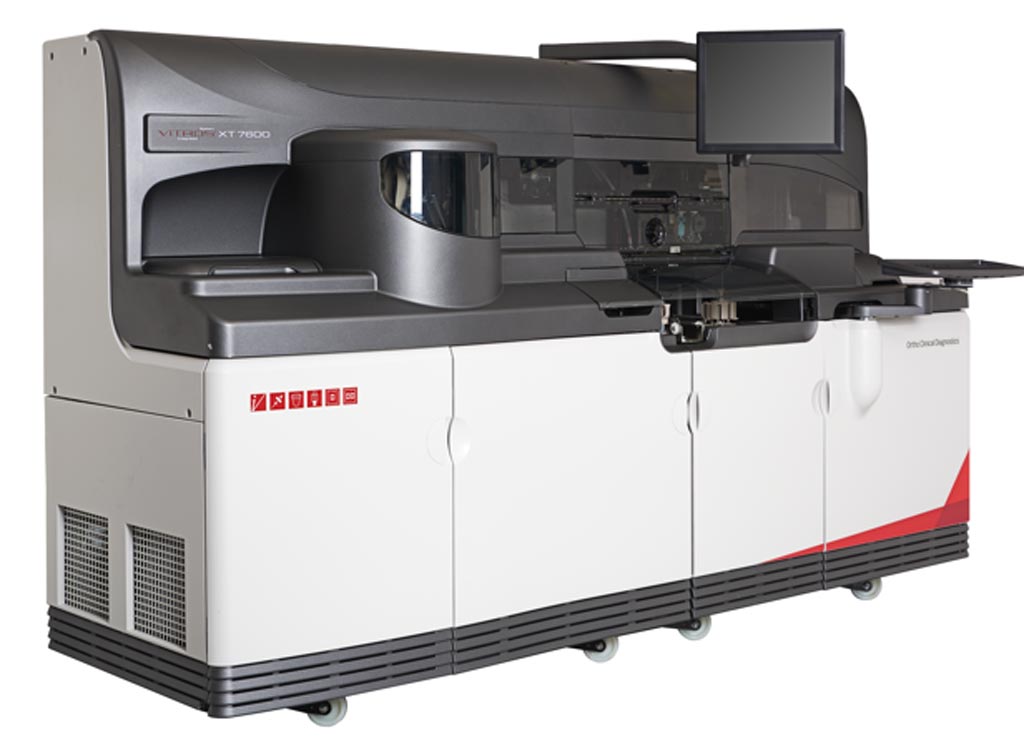
Image: The VITROS XT 7600 Integrated System (Photo courtesy of Ortho Clinical Diagnostics).
Ortho Clinical Diagnostics (Raritan, NJ, USA), a global in vitro diagnostics company, officially unveiled the VITROS XT 7600 Integrated System at the 2018 American Association for Clinical Chemistry (AACC) Annual Scientific Meeting & Clinical Lab Expo. Ortho also displayed additional clinical lab and immunohematology analyzers and other solutions at the conference held July 29 - August 2 in Chicago, Illinois, USA. Additionally, the company presented seven scientific posters highlighting the performance of assays that are part of its offerings for sepsis, Chagas, diabetes and other conditions.
Ortho is a global in vitro diagnostics company serving the clinical laboratory and immunohematology communities. The company provides sophisticated testing technologies, automation, information management and interpretation tools to clinical laboratories. Ortho's blood typing products for the immunohematology community help ensure that every patient receives safe, right type and right unit of blood.
On display at this year’s AACC was Ortho's latest analyzer to receive CE Mark, the VITROS XT 7600 Integrated System, which combines proprietary dry slide technology with sophisticated digital imaging capabilities and the potential to perform two separate lab tests simultaneously. Other products displayed by Ortho at the event included VITROS 3600 Immunodiagnostic Systems, VITROS 4600 Chemistry Systems, VITROS 5600 Integrated Systems, VITROS Automation Solutions and its immunohematology analyzers, ORTHO VISION and ORTHO VISION Max. Visitors at the company’s booth also explored its virtual reality experience LabBuilder, which allows users to re-imagine what is possible by creating a digital lab that fits their needs.
"Ortho is committed to innovation that helps our customers achieve their goals of enhancing medical value while increasing efficiency," said Robert Yates, chief operating officer for Ortho. "We're delighted to officially reveal at AACC Ortho's VITROS XT 7600, which introduces fundamental change to the way labs operate, and to present insightful posters in the areas of cardiology, infectious disease and endocrinology."




Ortho is a global in vitro diagnostics company serving the clinical laboratory and immunohematology communities. The company provides sophisticated testing technologies, automation, information management and interpretation tools to clinical laboratories. Ortho's blood typing products for the immunohematology community help ensure that every patient receives safe, right type and right unit of blood.
On display at this year’s AACC was Ortho's latest analyzer to receive CE Mark, the VITROS XT 7600 Integrated System, which combines proprietary dry slide technology with sophisticated digital imaging capabilities and the potential to perform two separate lab tests simultaneously. Other products displayed by Ortho at the event included VITROS 3600 Immunodiagnostic Systems, VITROS 4600 Chemistry Systems, VITROS 5600 Integrated Systems, VITROS Automation Solutions and its immunohematology analyzers, ORTHO VISION and ORTHO VISION Max. Visitors at the company’s booth also explored its virtual reality experience LabBuilder, which allows users to re-imagine what is possible by creating a digital lab that fits their needs.
"Ortho is committed to innovation that helps our customers achieve their goals of enhancing medical value while increasing efficiency," said Robert Yates, chief operating officer for Ortho. "We're delighted to officially reveal at AACC Ortho's VITROS XT 7600, which introduces fundamental change to the way labs operate, and to present insightful posters in the areas of cardiology, infectious disease and endocrinology."

Platinum Member
Automated Coagulation Analyzer
Hemolumi H6
Platinum Member
Integrated Biochemical & Immunological System
Biolumi CX Solution X10+C10
Gold Member
Fully-auto Specific Protein (Nephelometry) Analyzer
PA240
Latest AACC 2018 News
- Mesa Biotech Showcases PCR Testing Platform at Clinical Expo
- Mindray Medical Unveils Chemiluminescence Immunoassay System at AACC 2018
- Abbott Diagnostics Displays Alinity Family of Systems
- Roche Diagnostics Highlights Latest Clinical Lab Solutions at AACC
- Sysmex Highlights Innovations in Flow Cytometry, Urinalysis and Hematology
- Snibe Diagnostic Presents Immunoassay Systems and Biochemistry Analyzers
- Thermo Fisher Scientific Showcases Product Portfolio at Lab Trade Show
- EKF Diagnostics Highlights Assay Kit and POC Analyzer at AACC 2018
- Randox Laboratories Showcases Advances in Biotechnology at Clinical Lab Expo
- Beckman Coulter Life Sciences Highlights Clinical Flow Cytometry Portfolio
- Beckman Coulter Features New Hematology Analyzers and Lab Automation
- Carolina Liquid Chemistries Promotes Family of Clinical Chemistry Analyzers
- Orion Diagnostica Showcases Rapid Test and Molecular Platform at Lab Show
- Saladax Biomedical Launches Game-Changing Assays at AACC 2018
- SeraCare Life Sciences Promotes New AccuSpan Panel at Lab Expo
- Sekisui Diagnostics Showcases Clinical Chemistry and Immunoassay Analyzers
Channels
Clinical Chemistry
view channel
Common Kidney Function Tests May Miss CKD in Cancer Patients
Chronic kidney disease (CKD) can complicate cancer care, as reduced kidney filtration may affect treatment eligibility and dosing. In oncology, kidney function assessment often relies on estimated glomerular... Read more
Point-of-Care Blood Biomarker Test Detects Brain Injury Missed by CT
Traumatic brain injury remains difficult to assess in emergency settings because some patients continue to have symptoms despite normal computed tomography findings. Approximately 2.8 million people in the U.... Read more

Molecular Diagnostics
view channel
Six-Gene Score Improves Prognosis Prediction in Acute Myeloid Leukemia
Acute myeloid leukemia (AML) is a blood cancer with outcomes that can vary widely from one patient to another. This variability complicates prognosis despite the laboratory information available from bone... Read more
Long-Read Sequencing Reveals Cancer-Driving Changes Missed by Conventional Testing
Cancer diagnosis often relies on identifying genomic alterations that influence tumor behavior and treatment selection. However, conventional short-read sequencing can miss complex DNA changes, leaving... Read more
Whole-Genome MRD Test Detects Traces of Cancer During and After Treatment
Small amounts of cancer can remain after treatment at levels that are difficult to detect, creating uncertainty about recurrence risk. Molecular residual disease (MRD) testing addresses this challenge... Read more
Molecular Vaginitis Panel Gains FDA Clearance and CLIA Waiver for Point-of-Care Use
Vaginitis affects most women at least once in their lifetime and can cause painful, disruptive symptoms. Common causes include bacterial vaginosis, vulvovaginal candidiasis, and trichomoniasis, reflecting... Read moreHematology
view channel
New Risk-Stratification Tool Predicts Relapse After Blinatumomab in Childhood ALL
Acute lymphoblastic leukemia in children and young people requires careful assessment of relapse risk, particularly as treatment approaches move beyond standard chemotherapy. Traditional relapse predictors... Read more
New Myelofibrosis Guidelines Recommend Expanded Genetic Testing at Diagnosis
Myelofibrosis is a rare, life-threatening blood cancer affecting up to six per 100,000 people. The disease causes scarring in the bone marrow, limiting the production of healthy blood cells and potentially... Read more

Immunology
view channel
Antibody Profiling Predicts Inflammatory Bowel Disease Years Before Diagnosis
Inflammatory bowel disease (IBD), which includes Crohn’s disease and ulcerative colitis, involves abnormal immune responses that cause persistent inflammation and damage in the digestive system.... Read more
Immune Profiling Initiative Aims to Improve Bone Marrow Analysis in Leukemia
Acute myeloid leukemia (AML) is an aggressive blood cancer in which assessing disease burden after therapy can help guide clinical evaluation. Patients with measurable residual disease (MRD) after treatment... Read more
Immune Profiling Identifies Early Maternal Autoantibodies Linked to Preterm Birth Risk
A typical pregnancy lasts about 40 weeks, but labor begins prematurely in roughly one in 10 pregnancies. Preterm birth is the leading cause of newborn death worldwide, yet its underlying causes and which... Read more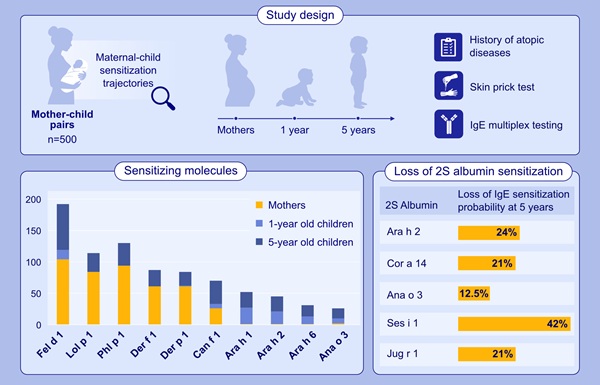
Longitudinal Blood Testing Reveals Changes in Allergen Sensitization During Childhood
Food allergy is a major childhood health concern, and distinguishing persistent risk from transient sensitization can guide clinical decisions. Specific IgE antibodies may be detectable even when a child... Read moreMicrobiology
view channel
Molecular Panel Gains WHO Emergency Use Listing to Support Ebola Outbreak Response
The ongoing Ebola Bundibugyo outbreak in the Democratic Republic of the Congo and neighboring countries has become one of the largest outbreaks of this Ebola virus species recorded to date.... Read more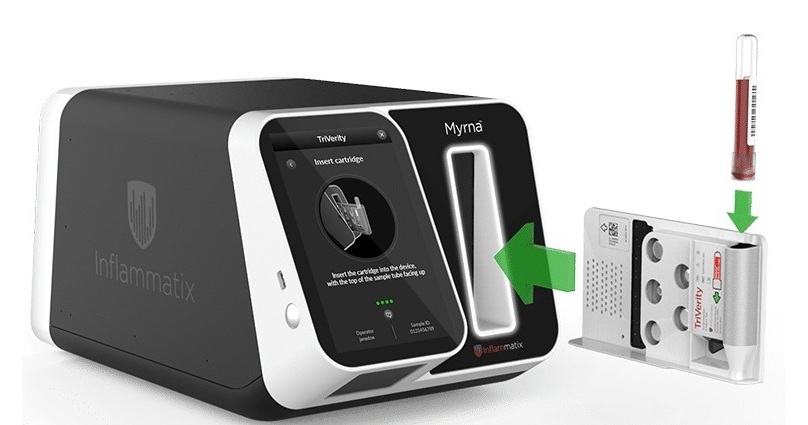
Rapid Host-Response Test Aims to Predict Corticosteroid Benefit in Sepsis
Sepsis and severe infections are difficult to treat because patients with similar clinical presentations may have very different underlying immune responses. Corticosteroids are commonly used in severe... Read more

Pathology
view channel
Digital Pathology Test Stratifies Recurrence Risk in Early Breast Cancer
In hormone receptor-positive, human epidermal growth factor receptor 2 (HER2)-negative early breast cancer, accurate recurrence-risk assessment helps guide treatment decisions. However, individual risks... Read more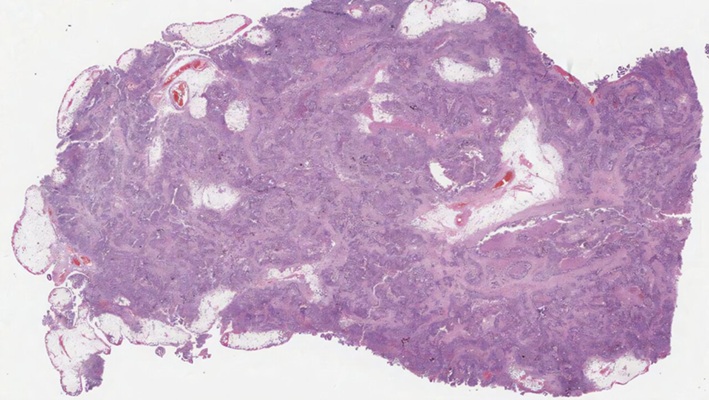
AI Pathology Tool Predicts DNA Repair Deficiency in High-Grade Serous Ovarian Cancer
High-grade serous tubo-ovarian carcinoma is an aggressive cancer arising in the ovaries or fallopian tubes. Some tumors exhibit homologous recombination deficiency (HRD), a feature reflecting impaired DNA repair.... Read more

Technology
view channel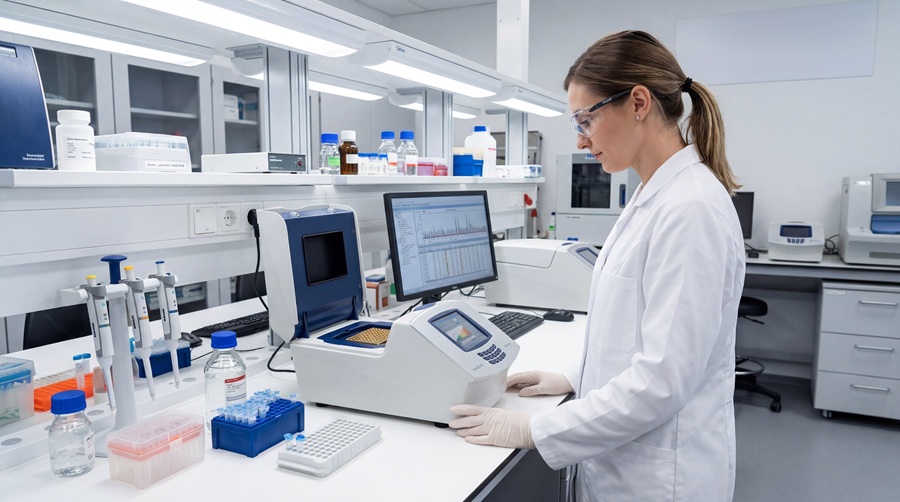
Compact PCR Thermal Cycler Launches for Routine Molecular Laboratory Workflows
Molecular laboratories rely on nucleic acid analysis to detect molecular information accurately and reproducibly across a wide range of applications. Supporting these routine workflows, a newly launched... Read more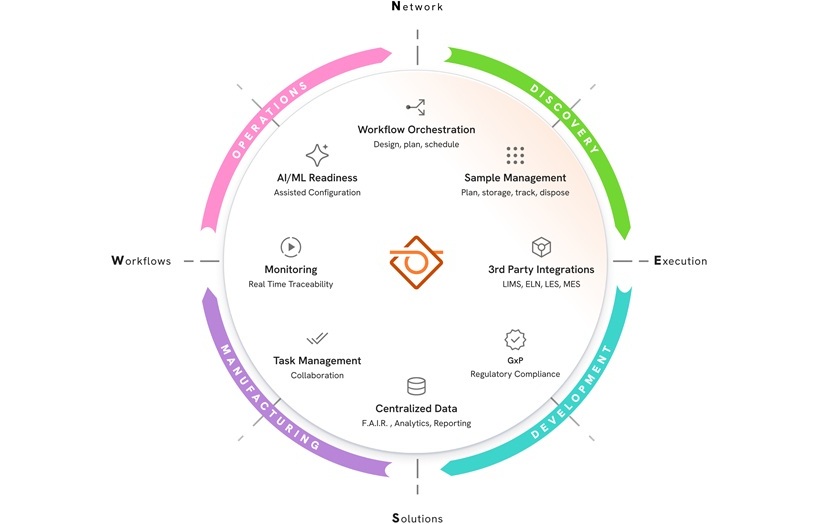
New AI-Powered System Aims to Streamline Laboratory and Manufacturing Workflows
Scientific laboratories supporting drug development, biotechnology, and materials research increasingly rely on coordinated digital workflows to move data, samples, and activities across teams.... Read more
Industry
view channel
Collaboration Brings Tumor-Informed MRD Monitoring to Breast Cancer Care in Abu Dhabi
For many patients, cancer treatment does not eliminate the risk of recurrence, which may occur months or years later and become harder to treat after spreading. Recurrence is often detected only after... Read more