Gene Sequencing Reveals Mutations in Endometriosis
|
By LabMedica International staff writers Posted on 24 May 2017 |


|
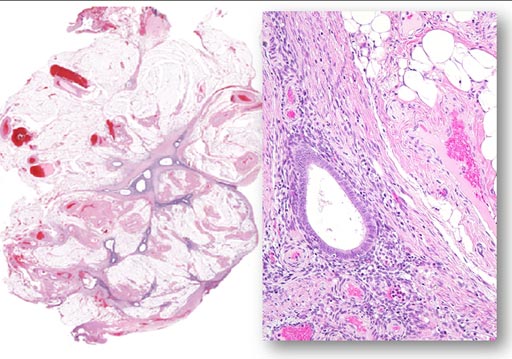
Image: Endometriosis in the peritoneal tissue (left) forming a scar. Under microscopy, it is composed of glands and surrounding stroma with chronic inflammation and fibrosis (Photo courtesy of Ie-Ming Shih).
Endometriosis occurs when tissue lining the uterus forms and grows outside of the organ, most often into the abdomen. The disease occurs in up to 10% of women before menopause and half of those with abdominal pain and infertility problems.
Endometriosis is defined as the presence of ectopic endometrial stroma and epithelium and can cause pelvic pain and infertility. Endometriotic lesions are considered to be benign inflammatory lesions but have cancer like features such as local invasion and resistance to apoptosis. Endometriosis most commonly involves the ovaries, fallopian tubes and the tissue lining of the pelvis. Rarely, endometrial tissue may spread beyond pelvic organs.
A large group of scientists led by those at Johns Hopkins Medicine analyzed deeply infiltrating endometriotic lesions from 27 patients by means of exomewide sequencing (24 patients) or cancer-driver targeted sequencing (three patients). Mutations were validated with the use of digital genomic methods in microdissected epithelium and stroma. Seven of the 24 women were from Japan; the rest were patients at Lenox Hill Hospital-Northwell Health. The use of samples from Japanese women was selected because endometriosis before menopause occurs more often in Asian women (13% to 18%) than in Caucasian women (6% to 10%).
The team found that of the 24 women, 19 had one or more mutations in their endometriosis tissue that were not present in their normal tissue. The type and number of mutations varied per endometriosis lesion and between each of the women. The most common mutations, occurring in five of the women, occurred in genes including ARID1A, PIK3CA, KRAS and PPP2R1A, all known for controlling cell growth, cell invasion and DNA damage repair. In an additional group of endometriosis samples biopsied from 15 women from British Columbia, the scientists looked specifically for mutations in the KRAS gene, whose expression signals proteins that spur cell growth and replication. They found KRAS mutations in five of the 15 patients.
Nickolas Papadopoulos, PhD, a professor of oncology and pathology and a co-author of the study, said, “We were surprised to find cancer-linked genes in these benign endometriosis samples because these lesions do not typically become cancer. We don't yet understand why these mutations occur in these tissues, but one possibility is that they could be giving the cells an advantage for growth and spread.” The study was published on May 11, 2017, in the New England Journal of Medicine.






Endometriosis is defined as the presence of ectopic endometrial stroma and epithelium and can cause pelvic pain and infertility. Endometriotic lesions are considered to be benign inflammatory lesions but have cancer like features such as local invasion and resistance to apoptosis. Endometriosis most commonly involves the ovaries, fallopian tubes and the tissue lining of the pelvis. Rarely, endometrial tissue may spread beyond pelvic organs.
A large group of scientists led by those at Johns Hopkins Medicine analyzed deeply infiltrating endometriotic lesions from 27 patients by means of exomewide sequencing (24 patients) or cancer-driver targeted sequencing (three patients). Mutations were validated with the use of digital genomic methods in microdissected epithelium and stroma. Seven of the 24 women were from Japan; the rest were patients at Lenox Hill Hospital-Northwell Health. The use of samples from Japanese women was selected because endometriosis before menopause occurs more often in Asian women (13% to 18%) than in Caucasian women (6% to 10%).
The team found that of the 24 women, 19 had one or more mutations in their endometriosis tissue that were not present in their normal tissue. The type and number of mutations varied per endometriosis lesion and between each of the women. The most common mutations, occurring in five of the women, occurred in genes including ARID1A, PIK3CA, KRAS and PPP2R1A, all known for controlling cell growth, cell invasion and DNA damage repair. In an additional group of endometriosis samples biopsied from 15 women from British Columbia, the scientists looked specifically for mutations in the KRAS gene, whose expression signals proteins that spur cell growth and replication. They found KRAS mutations in five of the 15 patients.
Nickolas Papadopoulos, PhD, a professor of oncology and pathology and a co-author of the study, said, “We were surprised to find cancer-linked genes in these benign endometriosis samples because these lesions do not typically become cancer. We don't yet understand why these mutations occur in these tissues, but one possibility is that they could be giving the cells an advantage for growth and spread.” The study was published on May 11, 2017, in the New England Journal of Medicine.

Gold Member
Respiratory Syncytial Virus Test
OSOM® RSV Test
Clinical Chemistry System
P780
Homocysteine Quality Control
Liquichek Homocysteine Control
Latest Pathology News
- Molecular Imaging to Reduce Need for Melanoma Biopsies
- Urine Specimen Collection System Improves Diagnostic Accuracy and Efficiency
- AI-Powered 3D Scanning System Speeds Cancer Screening
- Single Sample Classifier Predicts Cancer-Associated Fibroblast Subtypes in Patient Samples
- New AI-Driven Platform Standardizes Tuberculosis Smear Microscopy Workflow
- AI Tool Uses Blood Biomarkers to Predict Transplant Complications Before Symptoms Appear
- High-Resolution Cancer Virus Imaging Uncovers Potential Therapeutic Targets
- Research Consortium Harnesses AI and Spatial Biology to Advance Cancer Discovery
- AI Tool Helps See How Cells Work Together Inside Diseased Tissue
- AI-Powered Microscope Diagnoses Malaria in Blood Smears Within Minutes
- Engineered Yeast Cells Enable Rapid Testing of Cancer Immunotherapy
- First-Of-Its-Kind Test Identifies Autism Risk at Birth
- AI Algorithms Improve Genetic Mutation Detection in Cancer Diagnostics
- Skin Biopsy Offers New Diagnostic Method for Neurodegenerative Diseases
- Fast Label-Free Method Identifies Aggressive Cancer Cells
- New X-Ray Method Promises Advances in Histology
Channels
Clinical Chemistry
view channel
New Blood Test Index Offers Earlier Detection of Liver Scarring
Metabolic fatty liver disease is highly prevalent and often silent, yet it can progress to fibrosis, cirrhosis, and liver failure. Current first-line blood test scores frequently return indeterminate results,... Read more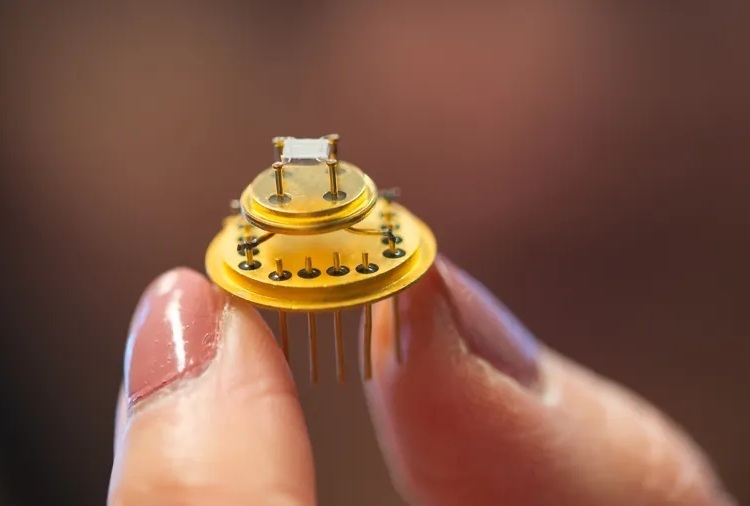
Electronic Nose Smells Early Signs of Ovarian Cancer in Blood
Ovarian cancer is often diagnosed at a late stage because its symptoms are vague and resemble those of more common conditions. Unlike breast cancer, there is currently no reliable screening method, and... Read more

Hematology
view channel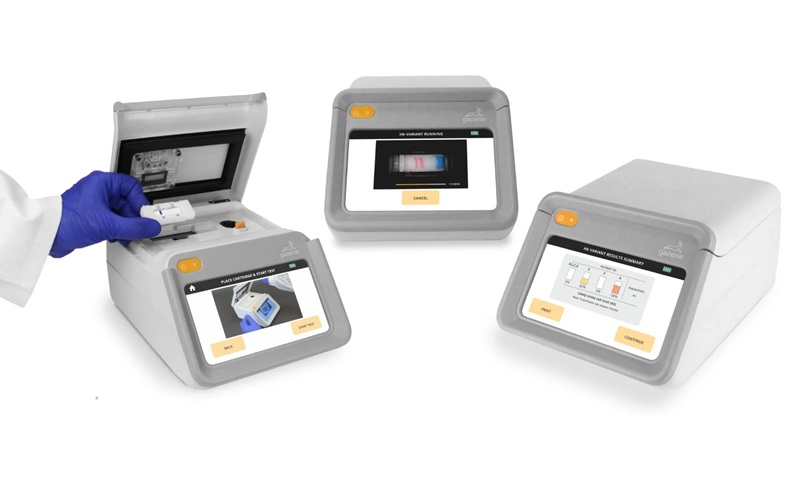
Rapid Cartridge-Based Test Aims to Expand Access to Hemoglobin Disorder Diagnosis
Sickle cell disease and beta thalassemia are hemoglobin disorders that often require referral to specialized laboratories for definitive diagnosis, delaying results for patients and clinicians.... Read more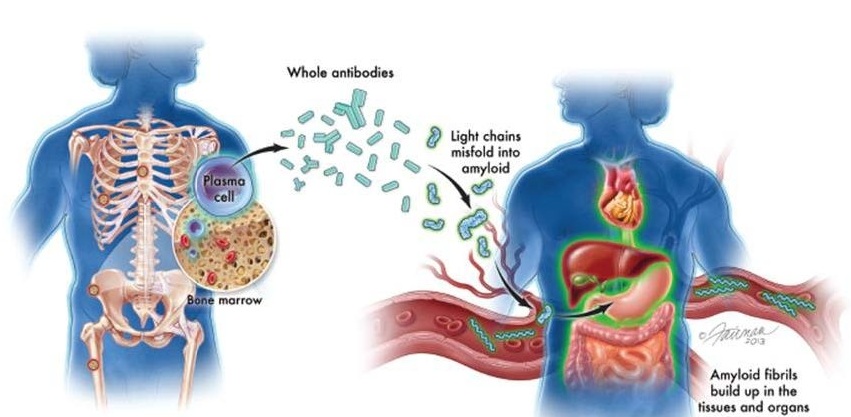
New Guidelines Aim to Improve AL Amyloidosis Diagnosis
Light chain (AL) amyloidosis is a rare, life-threatening bone marrow disorder in which abnormal amyloid proteins accumulate in organs. Approximately 3,260 people in the United States are diagnosed... Read more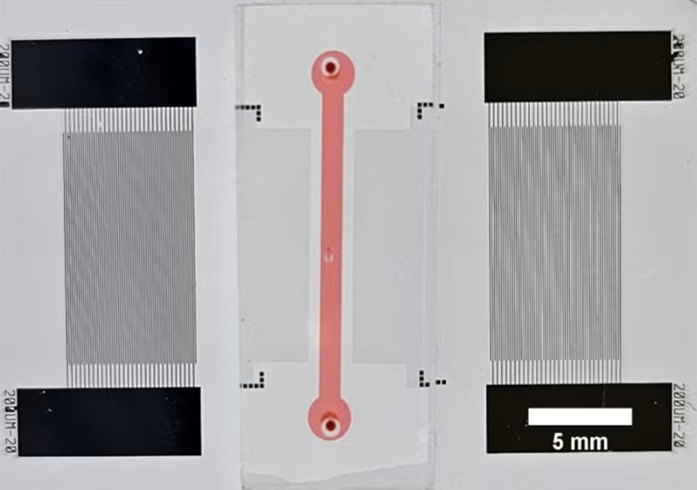

Immunology
view channel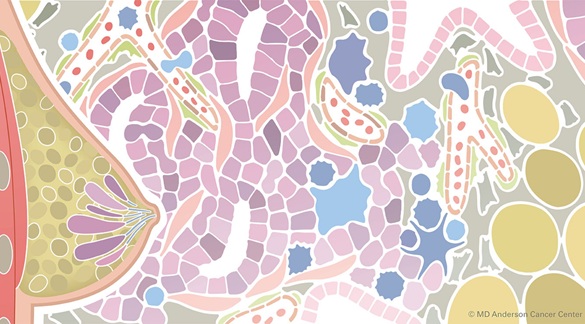
New Biomarker Predicts Chemotherapy Response in Triple-Negative Breast Cancer
Triple-negative breast cancer is an aggressive form of breast cancer in which patients often show widely varying responses to chemotherapy. Predicting who will benefit from treatment remains challenging,... Read more
Blood Test Identifies Lung Cancer Patients Who Can Benefit from Immunotherapy Drug
Small cell lung cancer (SCLC) is an aggressive disease with limited treatment options, and even newly approved immunotherapies do not benefit all patients. While immunotherapy can extend survival for some,... Read more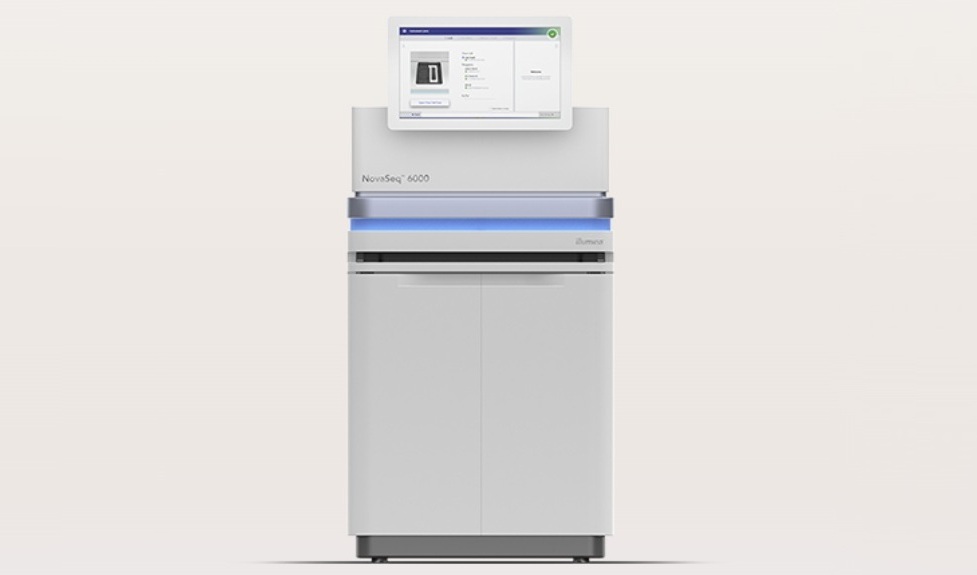
Whole-Genome Sequencing Approach Identifies Cancer Patients Benefitting From PARP-Inhibitor Treatment
Targeted cancer therapies such as PARP inhibitors can be highly effective, but only for patients whose tumors carry specific DNA repair defects. Identifying these patients accurately remains challenging,... Read more
Ultrasensitive Liquid Biopsy Demonstrates Efficacy in Predicting Immunotherapy Response
Immunotherapy has transformed cancer treatment, but only a small proportion of patients experience lasting benefit, with response rates often remaining between 10% and 20%. Clinicians currently lack reliable... Read moreMicrobiology
view channel
Hidden Gut Viruses Linked to Colorectal Cancer Risk
Colorectal cancer (CRC) remains a leading cause of cancer mortality in many Western countries, and existing risk-stratification approaches leave substantial room for improvement. Although age, diet, and... Read more
Three-Test Panel Launched for Detection of Liver Fluke Infections
Parasitic liver fluke infections remain endemic in parts of Asia, where transmission commonly occurs through consumption of raw freshwater fish or aquatic plants. Chronic infection is a well-established... Read more
Pathology
view channel
Molecular Imaging to Reduce Need for Melanoma Biopsies
Melanoma is the deadliest form of skin cancer and accounts for the vast majority of skin cancer-related deaths. Because early melanomas can closely resemble benign moles, clinicians often rely on visual... Read more
Urine Specimen Collection System Improves Diagnostic Accuracy and Efficiency
Urine testing is a critical, non-invasive diagnostic tool used to detect conditions such as pregnancy, urinary tract infections, metabolic disorders, cancer, and kidney disease. However, contaminated or... Read more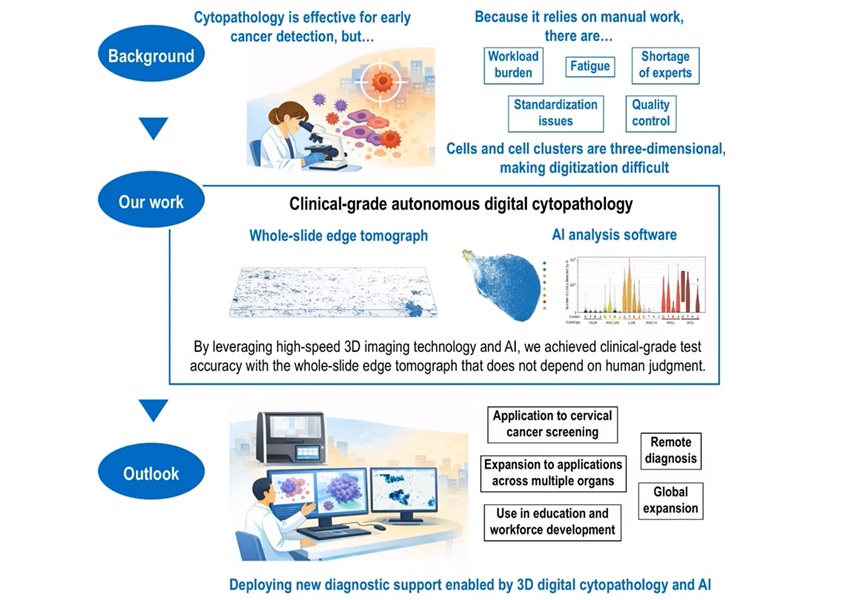
Technology
view channel
Blood Test “Clocks” Predict Start of Alzheimer’s Symptoms
More than 7 million Americans live with Alzheimer’s disease, and related health and long-term care costs are projected to reach nearly USD 400 billion in 2025. The disease has no cure, and symptoms often... Read more
AI-Powered Biomarker Predicts Liver Cancer Risk
Liver cancer, or hepatocellular carcinoma, causes more than 800,000 deaths worldwide each year and often goes undetected until late stages. Even after treatment, recurrence rates reach 70% to 80%, contributing... Read more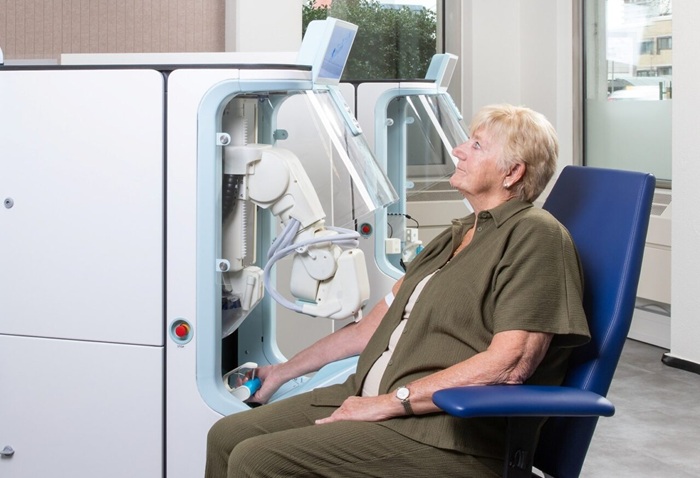
Robotic Technology Unveiled for Automated Diagnostic Blood Draws
Routine diagnostic blood collection is a high‑volume task that can strain staffing and introduce human‑dependent variability, with downstream implications for sample quality and patient experience.... Read more
ADLM Launches First-of-Its-Kind Data Science Program for Laboratory Medicine Professionals
Clinical laboratories generate billions of test results each year, creating a treasure trove of data with the potential to support more personalized testing, improve operational efficiency, and enhance patient care.... Read moreIndustry
view channel
Cepheid Joins CDC Initiative to Strengthen U.S. Pandemic Testing Preparednesss
Cepheid (Sunnyvale, CA, USA) has been selected by the U.S. Centers for Disease Control and Prevention (CDC) as one of four national collaborators in a federal initiative to speed rapid diagnostic technologies... Read more
QuidelOrtho Collaborates with Lifotronic to Expand Global Immunoassay Portfolio
QuidelOrtho (San Diego, CA, USA) has entered a long-term strategic supply agreement with Lifotronic Technology (Shenzhen, China) to expand its global immunoassay portfolio and accelerate customer access... Read more
WHX Labs in Dubai spotlights leadership skills shaping next-generation laboratories
WHX Labs in Dubai (formerly Medlab Middle East), held at Dubai World Trade Centre (DWTC) from 10–13 February, brings together international experts to discuss the factors redefining laboratory leadership,... Read more