AI Tool Uses Blood Biomarkers to Predict Transplant Complications Before Symptoms Appear
Posted on 18 Feb 2026
Stem cell and bone marrow transplants can be lifesaving, but serious complications may arise months after patients leave the hospital. One of the most dangerous is chronic graft-versus-host disease, in which donor immune cells attack healthy tissues, affecting organs such as the skin, lungs, and joints. Because biological changes begin long before symptoms appear, opportunities for early intervention are often missed. Now, a new artificial intelligence (AI) model can identify patients at high risk for chronic graft-versus-host disease before clinical signs develop.
Researchers at MUSC Hollings Cancer Center (Charleston, SC, USA), in collaboration with the Center for International Blood and Marrow Transplant Research at the Medical College of Wisconsin (CIBMTR, Milwaukee, WI, USA), have developed an AI-based model called BIOPREVENT that combines immune biomarkers with validated clinical data. The team analyzed data from 1,310 transplant recipients across four multicenter studies. Blood samples collected 90 to 100 days after transplant were tested for seven immune-related proteins, which were integrated with nine clinical factors using machine learning techniques to estimate future risk.
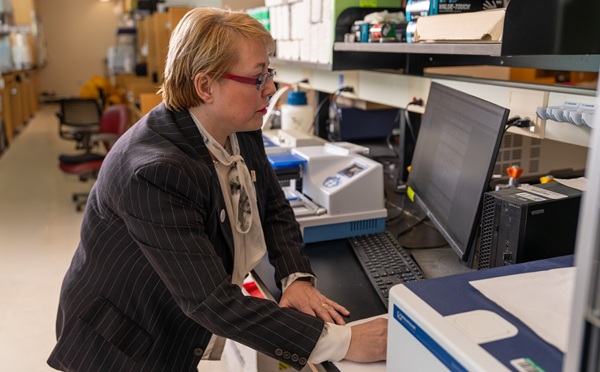
Models that combined biomarker data with clinical information outperformed those relying solely on clinical variables, particularly in predicting transplant-related mortality. The best-performing approach, based on Bayesian additive regression trees, reliably distinguished between low- and high-risk patients. The findings, published in the Journal of Clinical Investigation, showed that BIOPREVENT accurately predicted chronic graft-versus-host disease and transplant-related death up to 18 months after transplant. Validation in an independent cohort confirmed the model’s predictive strength.
Researchers have launched BIOPREVENT as a free, web-based tool that allows clinicians to enter patient data and receive personalized risk estimates. The platform is intended to support research and risk assessment rather than immediate treatment decisions. Future studies will evaluate whether early interventions guided by risk predictions can improve outcomes. Investigators believe this approach reflects a broader shift toward precision medicine in transplant care, tailoring monitoring and prevention strategies to each patient’s biological profile.
“This isn’t about replacing clinical judgment. It’s about giving clinicians better information earlier so they can make more informed decisions,” said Sophie Paczesny, MD, PhD, senior author of the study. “For patients, the uncertainty after transplant can be incredibly stressful. We hope that tools like BIOPREVENT can help us see what’s coming sooner and eventually lessen the toll of chronic GVHD.”
Related Links:
MUSC Hollings Cancer Center
CIBMTR






.jpg)