Recombinant Human Serum Albumin Is Animal-Free
|
By LabMedica International staff writers Posted on 15 Dec 2011 |


|
A company that develops, manufactures, and markets a portfolio of products used in cell culture, diagnostics, and bioproduction has developed recombinant human serum albumin that is completely animal-free.
Animal-derived media components carry safety concerns involving the risk of viral and prion contamination. As a result, regulatory bodies in the United States, Europe, and Japan have discouraged the use of these components in biomanufacturing. In addition to safety concerns, animal components frequently have high batch-to-batch variation, which leads to unpredictable manufacturing results.
InVitria (Fort Collins, CO, USA) was awarded a USD 725,000 Phase II, Small Business Innovation Research (SBIR) Grant to broaden the applications for InVitria’s recombinant human serum albumin product Cellastim.
The Phase II grant was awarded in 2009 by the National Institutes of Health (NIH; Bethesda, MD, USA) as a two-year project, which was successfully completed on time in 2011. “We are delighted that the objectives of the grant were achieved. The team exceeded those objectives and also implemented current Good Manufacturing Process (cGMP) quality standards for manufacturing recombinant human serum albumin,” said Scott Deeter, president of InVitria.
InVitria is a Division of Ventria Bioscience, the developer of the ExpressTec biomanufacturing system. ExpressTec is the first biomanufacturing system to commercialize recombinant protein manufacturing utilizing plants as the host. InVitria’s product line consists of completely animal-free cell culture media supplements and reagents that are distributed globally by leading distributors in life sciences and cell culture media.
Related Links:
InVitria
National Institutes of Health




Animal-derived media components carry safety concerns involving the risk of viral and prion contamination. As a result, regulatory bodies in the United States, Europe, and Japan have discouraged the use of these components in biomanufacturing. In addition to safety concerns, animal components frequently have high batch-to-batch variation, which leads to unpredictable manufacturing results.
InVitria (Fort Collins, CO, USA) was awarded a USD 725,000 Phase II, Small Business Innovation Research (SBIR) Grant to broaden the applications for InVitria’s recombinant human serum albumin product Cellastim.
The Phase II grant was awarded in 2009 by the National Institutes of Health (NIH; Bethesda, MD, USA) as a two-year project, which was successfully completed on time in 2011. “We are delighted that the objectives of the grant were achieved. The team exceeded those objectives and also implemented current Good Manufacturing Process (cGMP) quality standards for manufacturing recombinant human serum albumin,” said Scott Deeter, president of InVitria.
InVitria is a Division of Ventria Bioscience, the developer of the ExpressTec biomanufacturing system. ExpressTec is the first biomanufacturing system to commercialize recombinant protein manufacturing utilizing plants as the host. InVitria’s product line consists of completely animal-free cell culture media supplements and reagents that are distributed globally by leading distributors in life sciences and cell culture media.
Related Links:
InVitria
National Institutes of Health

Gold Member
Quantitative POC Immunoassay Analyzer
EASY READER+
Rapid Sepsis Test
SeptiCyte RAPID
Automatic CLIA Analyzer
Shine i6000
Latest Technology News
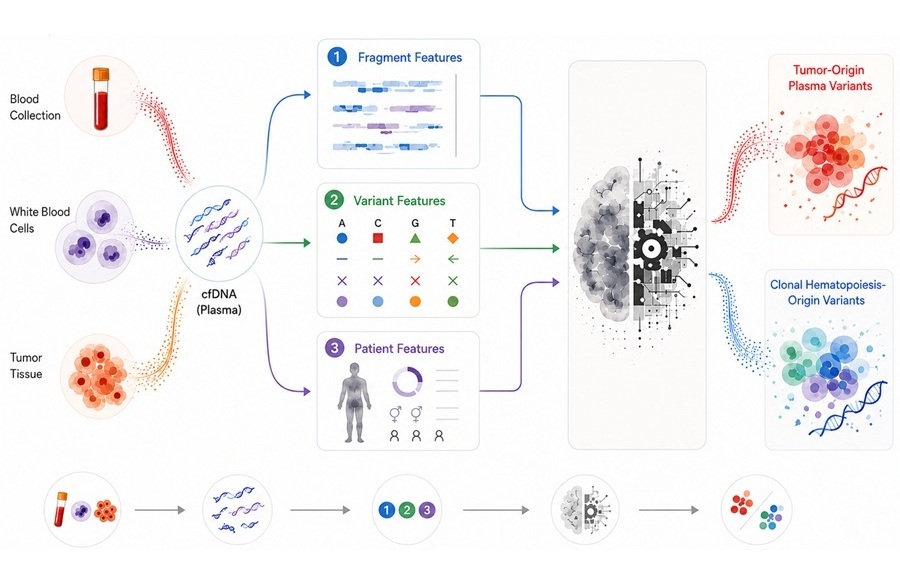
- AI Platform Links Biomarker Results to Cancer Clinical Trials and Guidelines
- Agentic AI Platform Supports Genomic Decision-Making in Oncology
- Algorithm Panel Aids Liver Fibrosis Assessment and Liver Cancer Surveillance
- Mailed Screening Kits Help Reduce Colorectal Cancer Screening Gaps
- AI-Enabled Assistant Unifies Molecular Workflow Planning and Support
- AI Tool Automates Validation of Laboratory Software Configuration Changes
- Point-of-Care Testing Enhances Health Literacy and Self-Management in Chronic Disease
- Fully Automated Sample-to-Insight Workflow Advances Latent TB Testing
- Tumor-on-a-Chip Platform Models Pancreatic Cancer Treatment Response
- New Platform Captures Extracellular Vesicles for Early Cancer Detection
- Microfluidic Single-Cell Assay Predicts Breast Cancer Risk
- AI Tool Predicts Non-Response to Targeted Therapy in Colorectal Cancer
- Integrated System Streamlines Pre-Analytical Workflow for Molecular Testing
- Noninvasive Sputum Test Detects Early Lung Cancer
- New AI Tool Enables Rapid Treatment Selection in Pediatric Leukemia
- Rapid Biosensor Detects Drug Sensitivity in Breast Tumors
Channels
Clinical Chemistry
view channel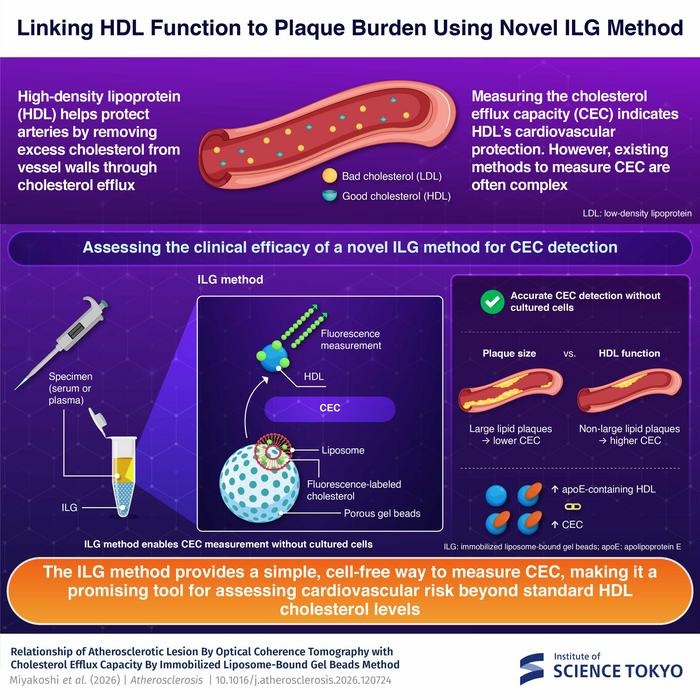
Simple Blood-Based Cholesterol Efflux Assay Identifies High-Risk Coronary Plaque Features
Unstable coronary plaques are difficult to identify before they trigger acute cardiovascular events. Standard high-density lipoprotein (HDL) measurements do not always capture how well HDL particles function... Read more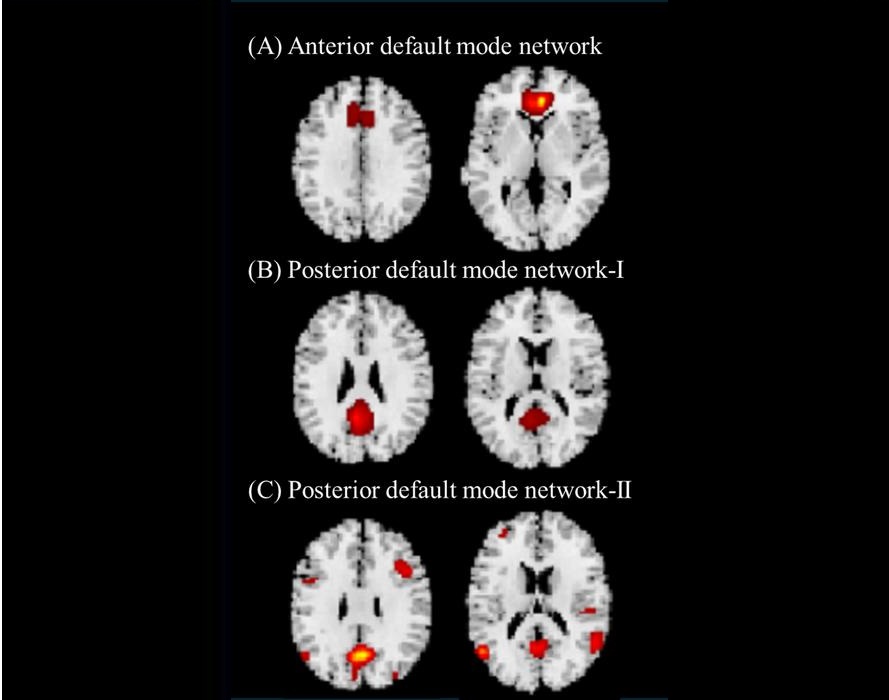
Plasma Vitamin C Levels Associated with Brain Structure and Connectivity in Aging
Previous studies have linked vitamin C–rich diets with lower risk of cognitive impairment in older adults. However, few investigations have directly examined blood plasma vitamin C in relation to brain... Read more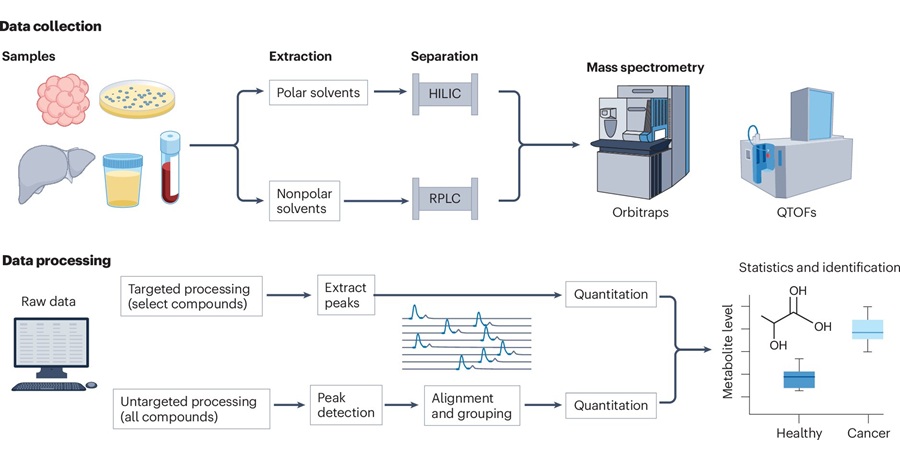
Mass Spectrometry Detects Tumor Metabolites for Cancer Monitoring
Cancer’s altered metabolism complicates how clinicians detect and monitor tumors, because nutrient use can shift with context and time. Measuring small-molecule metabolites that distinguish malignant from... Read more
Urinary Biomarker Assay Predicts Kidney Disease Progression Beyond Standard Measures
Many patients with type 2 diabetes and chronic kidney disease continue to experience progressive renal decline, yet conventional markers such as albuminuria and estimated glomerular filtration rate (eGFR)... Read moreMolecular Diagnostics
view channel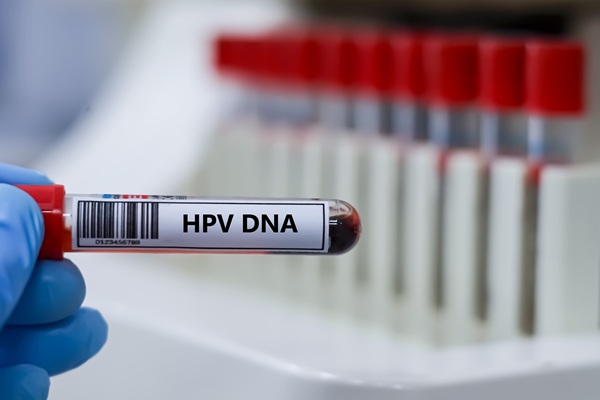
Ultrasensitive HPV Blood Test Predicts Early Recurrence in Head and Neck Cancer
Human papillomavirus (HPV)-associated head and neck cancers are frequently treated with surgery, but some patients experience recurrence due to residual microscopic disease. Postoperative decisions about... Read more
New Library Normalization and Amplification Tools Support Oncology Sequencing
High-throughput next-generation sequencing (NGS) laboratories continue to grapple with uneven library pooling and amplification artifacts that can degrade variant calling accuracy and increase reruns.... Read more
Hematology
view channel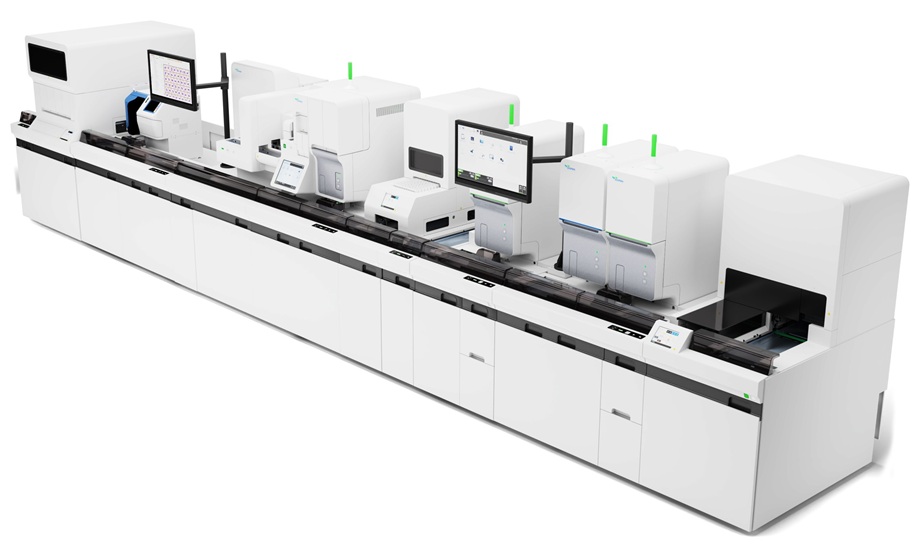
Next-Generation Hematology Platform Streamlines High-Complexity Lab Workflows
Sysmex America (Chicago, IL, USA) has introduced the next generation XR-Series, centered on the XR-10 Automated Hematology Module for high-complexity laboratories. The platform builds on the widely used... Read more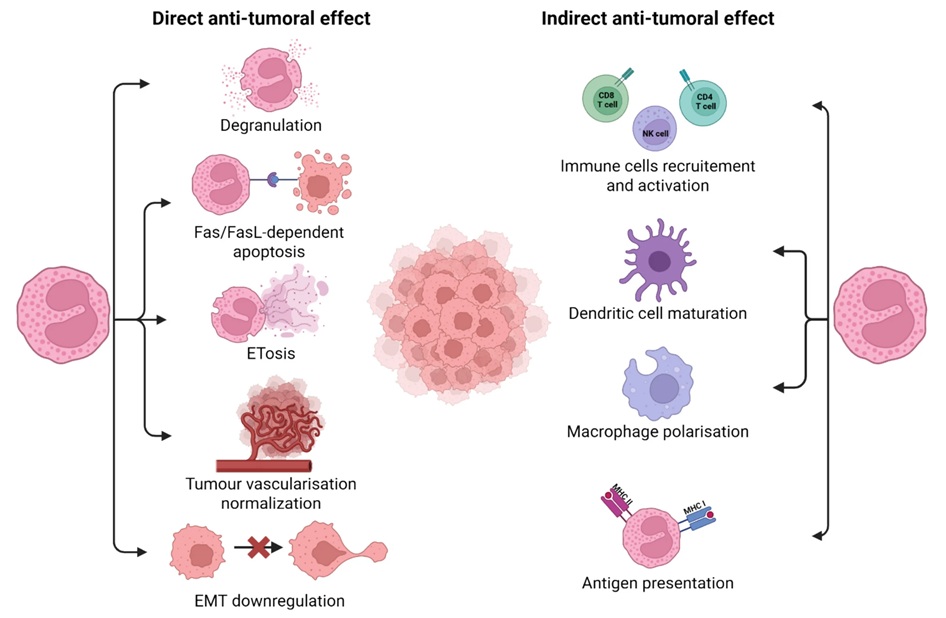
Blood Eosinophil Count May Predict Cancer Immunotherapy Response and Toxicity
Immune checkpoint inhibitors have improved outcomes across many cancers, yet only a subset of patients derive durable benefit and biomarkers to guide treatment remain limited. Eosinophils, best known for... Read more
Immunology
view channel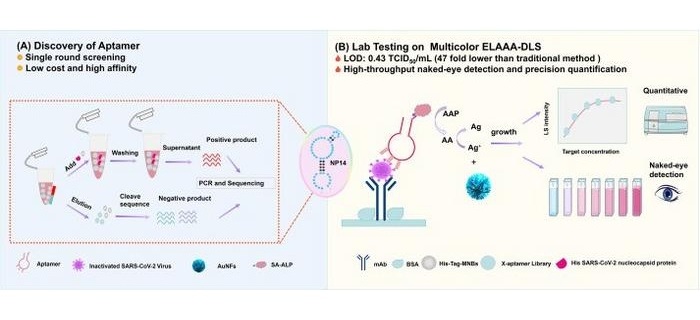
Aptamer-Based Biosensor Enables Mutation-Resilient SARS-CoV-2 Detection
Rapid evolution of severe acute respiratory syndrome coronavirus 2 (SARS-CoV-2) can undermine existing molecular diagnostics, especially when assays target small viral components. Double-antibody sandwich... Read more
Study Points to Autoimmune Pathway Behind Long COVID Symptoms
Long COVID leaves many SARS-CoV-2 survivors with persistent fatigue, cognitive issues, palpitations, and musculoskeletal pain for months or years. Estimates cited in new research suggest 4%–20% of infected... Read more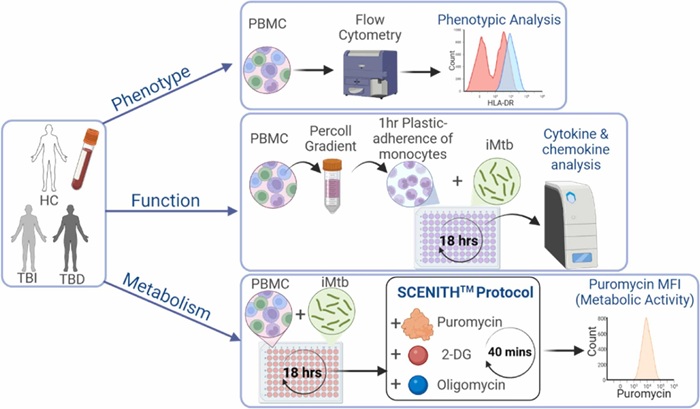
Metabolic Biomarker Distinguishes Latent from Active Tuberculosis and Tracks Treatment Response
Tuberculosis (TB) remains the world’s leading infectious killer, with 10.8 million cases and 1.25 million deaths recorded globally in 2023. Yet many infected individuals never develop active disease, underscoring... Read more
Microbiology
view channel
TORCH Infection Trends Point to Need for Tailored Screening in Pregnancy
Congenital TORCH infections can be asymptomatic during pregnancy yet cause stillbirth, birth defects, and lifelong disability in infants. Many regions still lack robust surveillance to guide testing and... Read more
New Culture Medium Speeds C. difficile Resistance Detection and Reduces Costs
Clostridioides difficile infections remain a persistent threat in hospitals and communities, affecting about 500,000 people in the United States each year. Severe cases can be fatal within 30 days of diagnosis,... Read more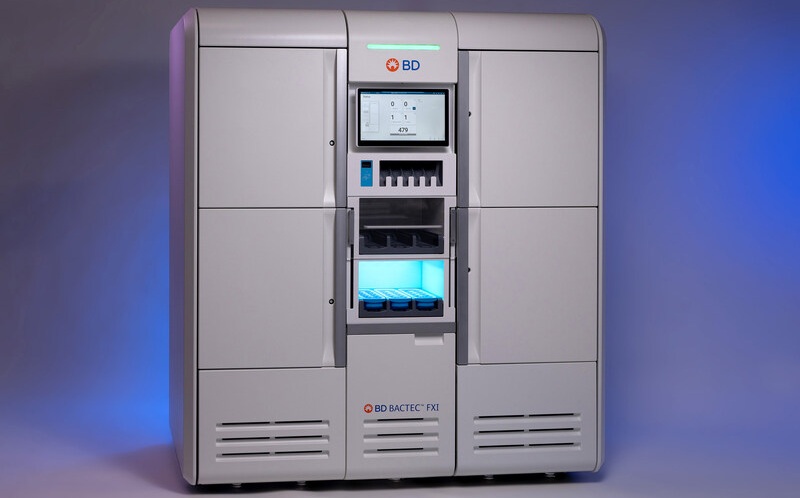
Pathology
view channel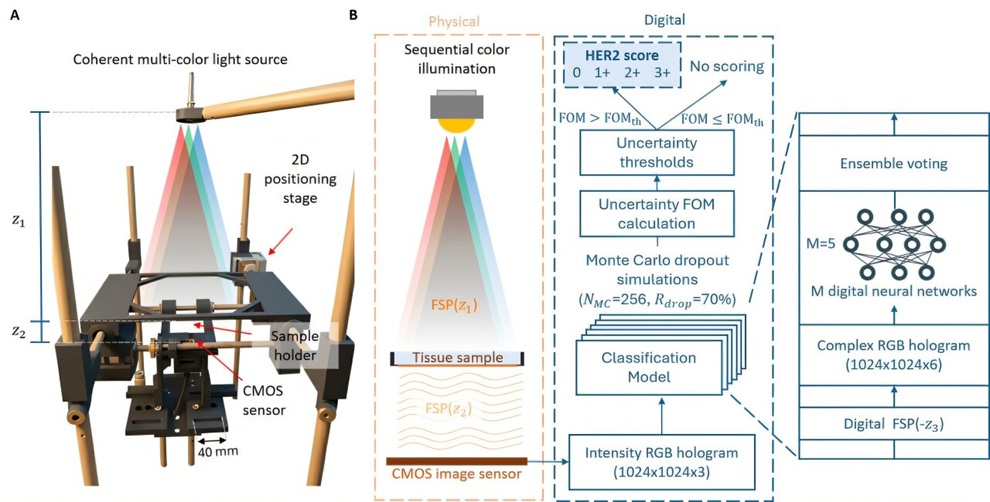
Uncertainty-Aware AI Platform Supports Automated HER2 Assessment in Breast Cancer
Accurate assessment of human epidermal growth factor receptor 2 (HER2) is critical for breast cancer diagnosis and treatment selection, yet scoring variability and infrastructure requirements can complicate... Read more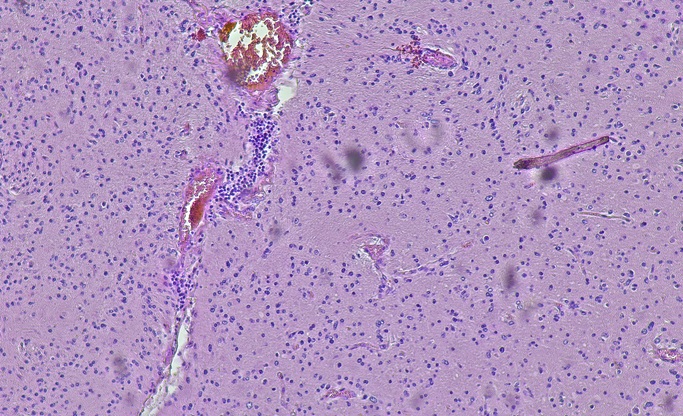
AI Tool Speeds Brain Tumor Classification from Routine Histology Slides
Accurate classification of brain and spinal cord tumors increasingly depends on molecular profiling alongside histology, but access to such testing remains limited and results can take about two weeks.... Read more
IHC Companion Diagnostic Standardizes Mismatch Repair Testing for Cancer Immunotherapy
Deficient DNA mismatch repair is an established predictive biomarker for response to immune checkpoint inhibitors, yet access to standardized assessment has varied across tumor types. Cancer remains the... Read more
Industry
view channel
Open-Source Consortium Aims to Standardize Digital Pathology Workflows
Digital pathology is expanding rapidly as laboratories adopt whole-slide imaging and computational tools to meet growing diagnostic and biomarker-testing demand. However, fragmented software infrastructure... Read more