RNA Assay Kit Launched for Histological Tissue Samples
|
By LabMedica International staff writers Posted on 08 Sep 2010 |


|
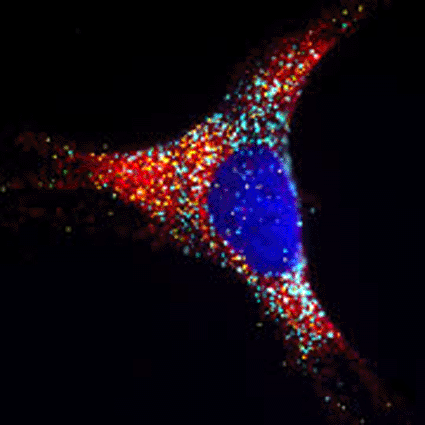
Image: In situ detection of four mRNA transcripts by RNAscope. Each dot represents a single RNA molecule (photo courtesy Advanced Cell Diagnostics).
A robust and standardized manual assay in ready-to-use format can detect ribonucleic acid (RNA) biomarkers in routine formalin-fixed, paraffin-embedded (FFPE) tissue specimens.
The assay profiles single cell gene expression in situ, unlocking the full potential of RNA biomarkers. The targeted molecular signature of every cell in a sample is revealed and measured precisely, all within the intricate cellular and tissue architecture of clinical specimens. The in situ assay has single molecule sensitivity and it can be completed in six hours.
The kit, known as the RNAscope FFPE Assay Kit, demonstrated polymerase chain reaction (PCR)-level sensitivity and specificity, detecting an RNA biomarker in all samples deemed positive by real time reverse transcriptase PCR, but not in samples deemed negative. In contrast, using a traditional nonisotopic in situ hybridization (ISH), the biomarker was only detected in the highest expressing sample. Since the PCR-positive samples showed two orders of magnitude difference in expression levels, RNAscope is as much as 100-fold more sensitive than the traditional nonisotopic ISH method. It does not require any expensive instrument and the staining results can be stored as archival and can be visualized and interpreted under a bright field microscope.
RNAscope is manufactured by Advanced Cell Diagnostics, Inc (Hayward, CA, USA). The products are intended to be used by translational clinical scientists studying biomarkers in disease tissues and exploring their potential for diagnostic applications. Yuling Luo, Ph.D., President and CEO of the company, said, "Over the last several decades, immunohistochemistry (IHC) and fluorescence in situ hybridization (FISH) technologies have been developed to detect proteins and DNA in situ, respectively. But reliable detection of RNA in situ remains difficult, especially in routine clinical specimens. The scientific community is being offered an 'IHC-like' tool for RNA that has the sensitivity and specificity rivaling that of PCR."
RNAscope multiplex technology has the sensitivity to detect every gene in the human transcriptome in situ, and to quantify simultaneously multiple mRNA transcripts at a single cell level. While RNAscope is designated as research use only product at the moment, the company is developing fully automated, proprietary diagnostic tests for personalized cancer treatment. The company is also partnering with pharmaceutical and biotechnology companies to leverage its RNAscope platform for companion diagnostic applications.
Related Links:
Advanced Cell Diagnostics
.jpg)




The assay profiles single cell gene expression in situ, unlocking the full potential of RNA biomarkers. The targeted molecular signature of every cell in a sample is revealed and measured precisely, all within the intricate cellular and tissue architecture of clinical specimens. The in situ assay has single molecule sensitivity and it can be completed in six hours.
The kit, known as the RNAscope FFPE Assay Kit, demonstrated polymerase chain reaction (PCR)-level sensitivity and specificity, detecting an RNA biomarker in all samples deemed positive by real time reverse transcriptase PCR, but not in samples deemed negative. In contrast, using a traditional nonisotopic in situ hybridization (ISH), the biomarker was only detected in the highest expressing sample. Since the PCR-positive samples showed two orders of magnitude difference in expression levels, RNAscope is as much as 100-fold more sensitive than the traditional nonisotopic ISH method. It does not require any expensive instrument and the staining results can be stored as archival and can be visualized and interpreted under a bright field microscope.
RNAscope is manufactured by Advanced Cell Diagnostics, Inc (Hayward, CA, USA). The products are intended to be used by translational clinical scientists studying biomarkers in disease tissues and exploring their potential for diagnostic applications. Yuling Luo, Ph.D., President and CEO of the company, said, "Over the last several decades, immunohistochemistry (IHC) and fluorescence in situ hybridization (FISH) technologies have been developed to detect proteins and DNA in situ, respectively. But reliable detection of RNA in situ remains difficult, especially in routine clinical specimens. The scientific community is being offered an 'IHC-like' tool for RNA that has the sensitivity and specificity rivaling that of PCR."
RNAscope multiplex technology has the sensitivity to detect every gene in the human transcriptome in situ, and to quantify simultaneously multiple mRNA transcripts at a single cell level. While RNAscope is designated as research use only product at the moment, the company is developing fully automated, proprietary diagnostic tests for personalized cancer treatment. The company is also partnering with pharmaceutical and biotechnology companies to leverage its RNAscope platform for companion diagnostic applications.
Related Links:
Advanced Cell Diagnostics

Gold Member
Clinical Chemistry Assay
Sorbitol Dehydrogenase (SDH)
Rapid Sepsis Test
SeptiCyte RAPID
Japanese Encephalitis Test
Japanese Encephalitis Virus Real Time PCR Kit
Latest Technology News
- AI Platform Links Biomarker Results to Cancer Clinical Trials and Guidelines
- Agentic AI Platform Supports Genomic Decision-Making in Oncology
- Algorithm Panel Aids Liver Fibrosis Assessment and Liver Cancer Surveillance
- Mailed Screening Kits Help Reduce Colorectal Cancer Screening Gaps
- AI-Enabled Assistant Unifies Molecular Workflow Planning and Support
- AI Tool Automates Validation of Laboratory Software Configuration Changes
- Point-of-Care Testing Enhances Health Literacy and Self-Management in Chronic Disease
- Fully Automated Sample-to-Insight Workflow Advances Latent TB Testing
- Tumor-on-a-Chip Platform Models Pancreatic Cancer Treatment Response
- New Platform Captures Extracellular Vesicles for Early Cancer Detection
- Microfluidic Single-Cell Assay Predicts Breast Cancer Risk
- AI Tool Predicts Non-Response to Targeted Therapy in Colorectal Cancer
- Integrated System Streamlines Pre-Analytical Workflow for Molecular Testing
- Noninvasive Sputum Test Detects Early Lung Cancer
- New AI Tool Enables Rapid Treatment Selection in Pediatric Leukemia
- Rapid Biosensor Detects Drug Sensitivity in Breast Tumors
Channels
Clinical Chemistry
view channel
Urinary Biomarker Assay Predicts Kidney Disease Progression Beyond Standard Measures
Many patients with type 2 diabetes and chronic kidney disease continue to experience progressive renal decline, yet conventional markers such as albuminuria and estimated glomerular filtration rate (eGFR)... Read more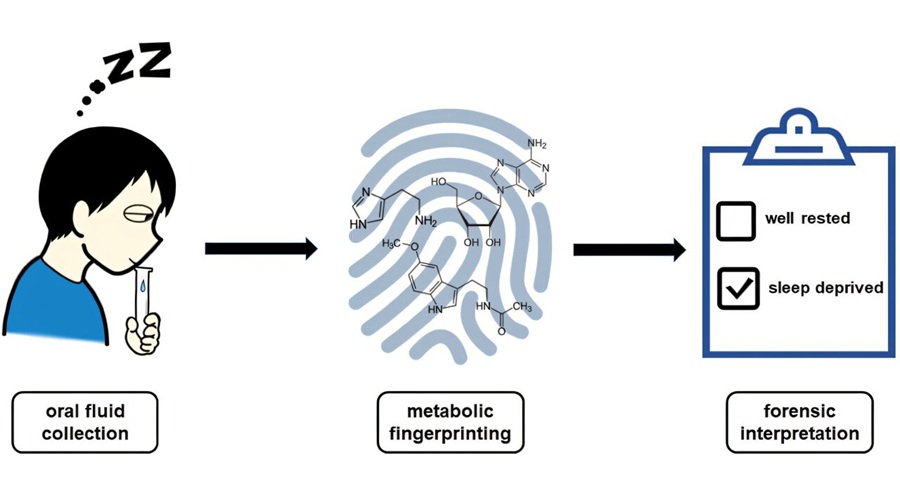
Saliva-Based Test Detects Biochemical Signs of Sleep Loss
Acute sleep loss impairs cognition and motor skills, raising safety risks that resemble alcohol intoxication. Clinicians currently lack an objective biochemical test to determine when someone is dangerously... Read more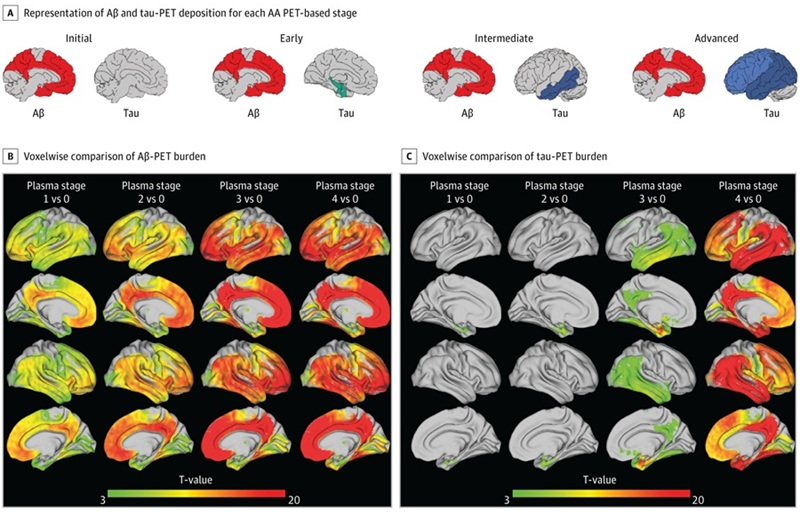
Simple Dual-Tau Blood Test Detects and Stages Alzheimer’s Disease
Alzheimer’s disease is typically confirmed and staged with positron emission tomography scans and cerebrospinal fluid testing, procedures that are costly and invasive. Broader access to minimally invasive... Read more
Alzheimer’s Blood Biomarkers Linked to Early Cognitive Differences Before Dementia
Blood-based screening for Alzheimer’s disease offers a noninvasive, lower-cost alternative to brain imaging or spinal fluid testing, yet its ability to flag the earliest cognitive changes has been unclear.... Read moreMolecular Diagnostics
view channel
Blood-Based RNA Test May Predict Chemotherapy Sensitivity in Lung Cancer
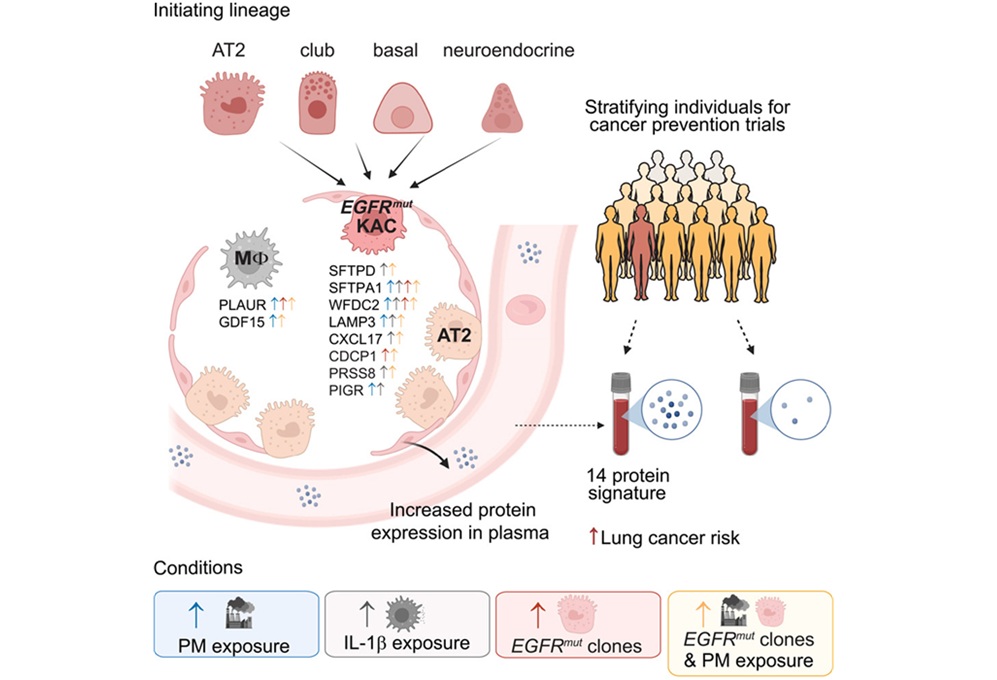
Lung cancer care increasingly relies on biomarker-guided patient stratification, but tissue biopsy can be impractical and treatment selection remains difficult for many patients. Blood-based assays that... Read more
Blood Test Predicts Immunotherapy Response in Head and Neck Cancer
Head and neck squamous cell carcinoma affects hundreds of thousands of people worldwide each year, yet response rates to immunotherapy remain low. Clinicians lack reliable, minimally invasive tools to... Read more
Hematology
view channel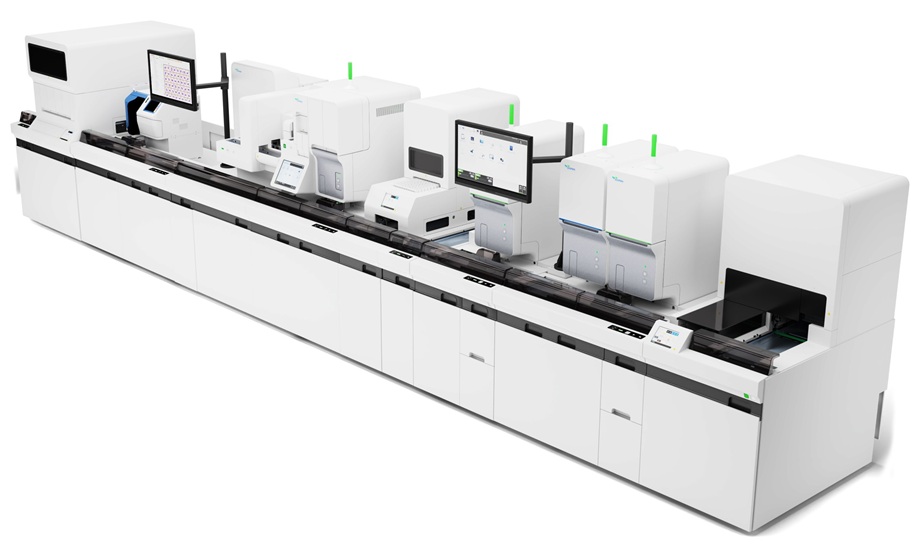
Next-Generation Hematology Platform Streamlines High-Complexity Lab Workflows
Sysmex America (Chicago, IL, USA) has introduced the next generation XR-Series, centered on the XR-10 Automated Hematology Module for high-complexity laboratories. The platform builds on the widely used... Read more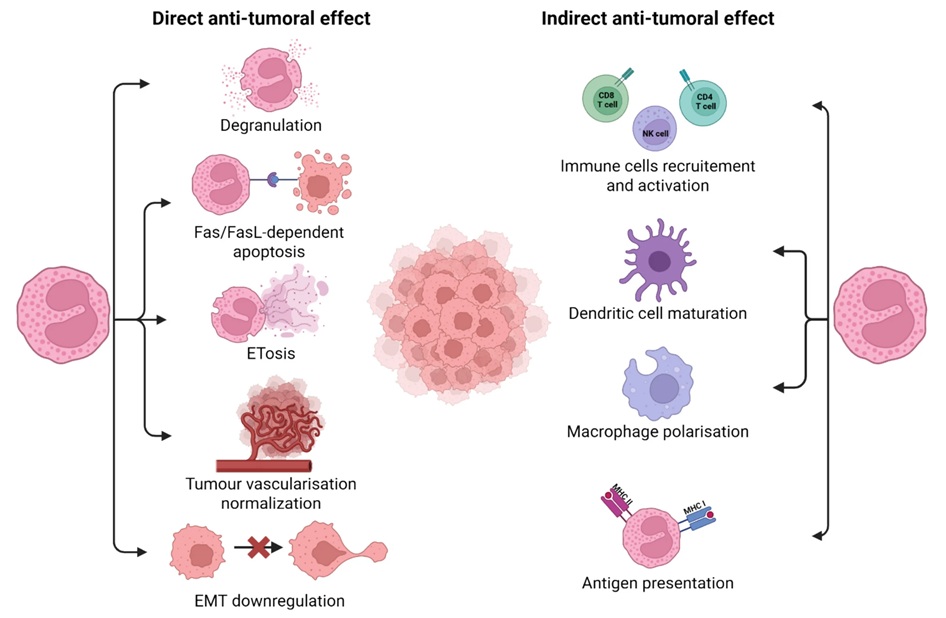
Blood Eosinophil Count May Predict Cancer Immunotherapy Response and Toxicity
Immune checkpoint inhibitors have improved outcomes across many cancers, yet only a subset of patients derive durable benefit and biomarkers to guide treatment remain limited. Eosinophils, best known for... Read more
Immunology
view channel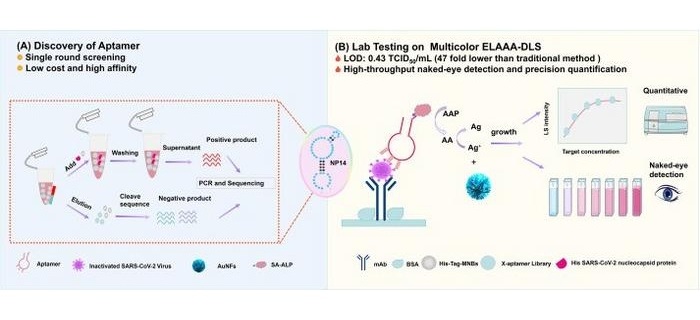
Aptamer-Based Biosensor Enables Mutation-Resilient SARS-CoV-2 Detection
Rapid evolution of severe acute respiratory syndrome coronavirus 2 (SARS-CoV-2) can undermine existing molecular diagnostics, especially when assays target small viral components. Double-antibody sandwich... Read more
Study Points to Autoimmune Pathway Behind Long COVID Symptoms
Long COVID leaves many SARS-CoV-2 survivors with persistent fatigue, cognitive issues, palpitations, and musculoskeletal pain for months or years. Estimates cited in new research suggest 4%–20% of infected... Read more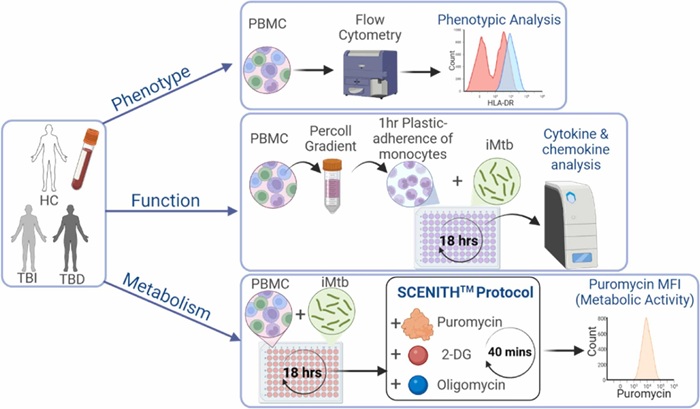
Metabolic Biomarker Distinguishes Latent from Active Tuberculosis and Tracks Treatment Response
Tuberculosis (TB) remains the world’s leading infectious killer, with 10.8 million cases and 1.25 million deaths recorded globally in 2023. Yet many infected individuals never develop active disease, underscoring... Read more
Microbiology
view channel
New Culture Medium Speeds C. difficile Resistance Detection and Reduces Costs
Clostridioides difficile infections remain a persistent threat in hospitals and communities, affecting about 500,000 people in the United States each year. Severe cases can be fatal within 30 days of diagnosis,... Read more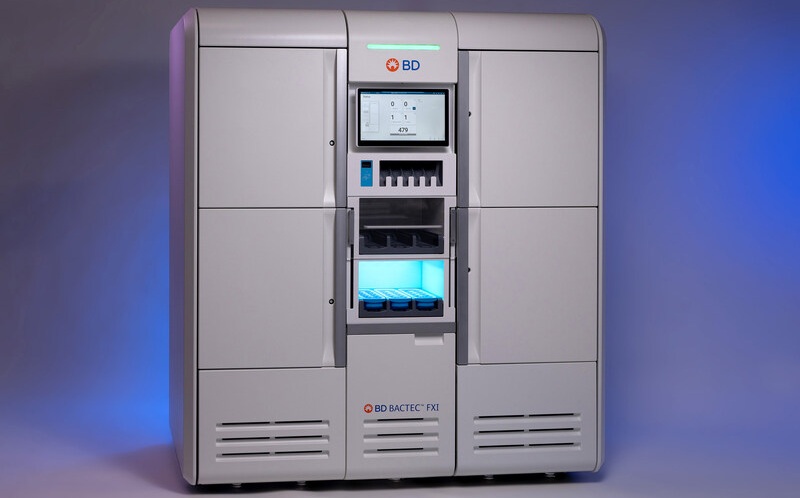
Automated Blood Culture System Speeds Detection of Bloodstream Infections
Bloodstream infections and sepsis require rapid laboratory detection to guide targeted antimicrobial therapy and reduce mortality. Conventional blood culture workflows can delay actionable results by critical... Read more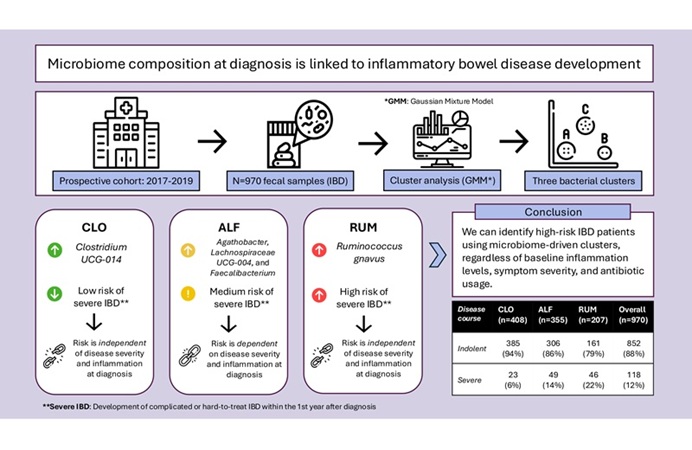
Pathology
view channel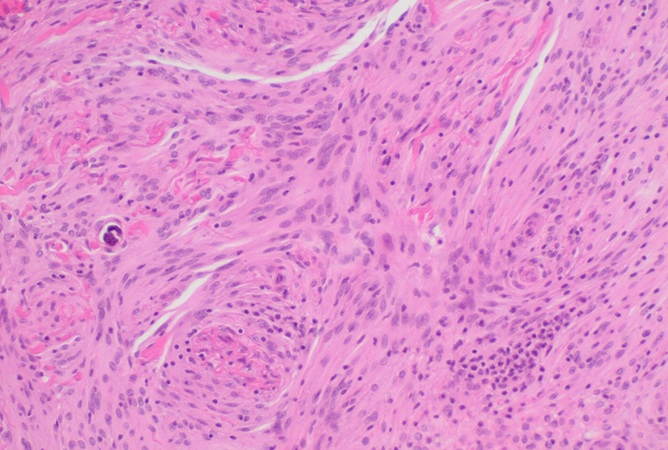
AI Pathology Tool Predicts Meningioma Recurrence from Routine Slides
Meningiomas are the most common primary brain tumors in adults, yet their course ranges from indolent to highly recurrent disease. Estimating an individual patient’s recurrence risk often requires advanced... Read more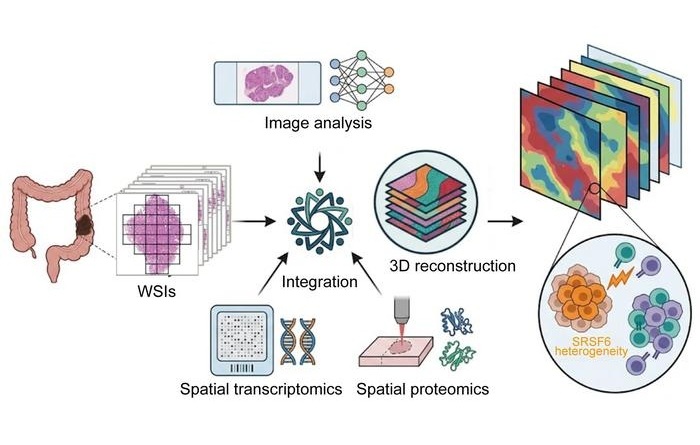
3D Spatial Multi-Omics Maps Intra-Tumor Diversity in Colorectal Cancer
Colorectal cancer remains a leading cause of cancer death, and clinical decision-making is complicated by marked intra-tumor heterogeneity. Conventional bulk sequencing averages molecular signals across... Read more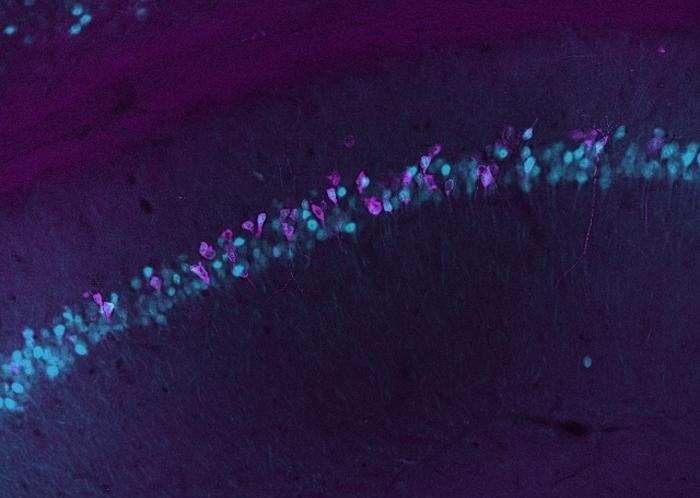
Industry
view channel
Genetic Testing Program Expands Detection of Alpha-1 Antitrypsin Deficiency
Alpha-1 Antitrypsin Deficiency (AATD) is a progressive genetic condition, the leading known genetic risk factor for chronic obstructive pulmonary disease (COPD), and a cause of liver disease in both children... Read more