Olympus Signs Licensing Agreements with Omnyx
|
By LabMedica International staff writers Posted on 11 Mar 2010 |


|
Olympus America Inc. (Center Valley, PA, USA) has signed a nonexclusive worldwide licensing agreement with Omnyx, LLC, (Pittsburgh, PA; and Piscataway, NJ, USA)--a joint venture of GE Healthcare (Fairfield, CT, USA) and the University of Pittsburgh Medical Center (UPMC; Pittsburgh, USA).
The agreement permits Omnyx to access the extensive portfolio of Olympus America patents in the field of virtual microscopy and digital pathology. The patents involved in the licensing agreement cover software and technology related to creating, storing, and delivering virtual microscopy images. The specific terms and conditions of the agreement are not being made public by the two companies.
Virtual microscope slides enable professionals to review biopsies and other pathology images without handling traditional glass slides, and allow doctors to share high-resolution digital microscope images over the Internet for remote pathology consultation.
The technology also has the potential to aid hospitals in moving to comprehensive patient Electronic Medical Record (EMR) systems--a transition that has already started in some areas of the world.
According to a 2010 report published by Laboratory Economics, US$13.2 billion was spent in anatomic pathology testing in the United States during 2008. The patented technologies will help deliver valuable images to doctors, streamline the review process, improve speed of reporting, save substantial expense, and enhance patient care.
Olympus works collaboratively with its customers and affiliates worldwide to leverage Research and Development (R&D) investment in precision technology and manufacturing processes across diverse business lines. These include advanced clinical, research, and educational microscopes and clinical digital imaging systems.
Related Links:
Olympus America Inc.
Omnyx, LLC
GE Healthcare
University of Pittsburgh Medical Center





The agreement permits Omnyx to access the extensive portfolio of Olympus America patents in the field of virtual microscopy and digital pathology. The patents involved in the licensing agreement cover software and technology related to creating, storing, and delivering virtual microscopy images. The specific terms and conditions of the agreement are not being made public by the two companies.
Virtual microscope slides enable professionals to review biopsies and other pathology images without handling traditional glass slides, and allow doctors to share high-resolution digital microscope images over the Internet for remote pathology consultation.
The technology also has the potential to aid hospitals in moving to comprehensive patient Electronic Medical Record (EMR) systems--a transition that has already started in some areas of the world.
According to a 2010 report published by Laboratory Economics, US$13.2 billion was spent in anatomic pathology testing in the United States during 2008. The patented technologies will help deliver valuable images to doctors, streamline the review process, improve speed of reporting, save substantial expense, and enhance patient care.
Olympus works collaboratively with its customers and affiliates worldwide to leverage Research and Development (R&D) investment in precision technology and manufacturing processes across diverse business lines. These include advanced clinical, research, and educational microscopes and clinical digital imaging systems.
Related Links:
Olympus America Inc.
Omnyx, LLC
GE Healthcare
University of Pittsburgh Medical Center

Gold Member
Quantitative POC Immunoassay Analyzer
EASY READER+
Chromogenic Culture System
InTray™ COLOREX™ ECC
Automatic CLIA Analyzer
Shine i6000
Latest Industry News
- Genetic Testing Program Expands Detection of Alpha-1 Antitrypsin Deficiency
- Collaboration Advances ctDNA-Guided Development in Metastatic Colorectal Cancer
- Diazyme Laboratories Acquires Carolina Liquid Chemistries
- Partnership Expands Access to Alzheimer’s Blood Tests in Latin America and Caribbean
- Global Multiplex Assays Market Driven by High-Throughput Diagnostic Demand
- GRAIL Presents Full Results from NHS-Galleri Trial at ASCO 2026
- Global Framework Integrates Digital Pathology for Companion Diagnostic Development
- Werfen and Oxford Nanopore Collaborate on Transplant Assay Development
- New Distribution Agreement Expands Access to CE-Marked Precision Oncology Assays
- ClearNote Health to Present Pancreatic Cancer Blood Test Data at ASCO 2026
- Artera to Highlight AI-Based Cancer Risk Stratification at ASCO 2026
- Natera to Present Data on MRD-Guided Cancer Care at ASCO 2026
- Fujifilm Integrates Structured Reporting into Digital Pathology Workflow
- Strategic Collaboration Advances RNA Foundation Models for Precision Oncology
- Partnership Brings Single-Cell Analysis into Clinical Oncology Workflows
- Partnership Aims to Bring Risk-Guided CKD Care to Health Systems
Channels
Clinical Chemistry
view channel
Urinary Biomarker Assay Predicts Kidney Disease Progression Beyond Standard Measures
Many patients with type 2 diabetes and chronic kidney disease continue to experience progressive renal decline, yet conventional markers such as albuminuria and estimated glomerular filtration rate (eGFR)... Read more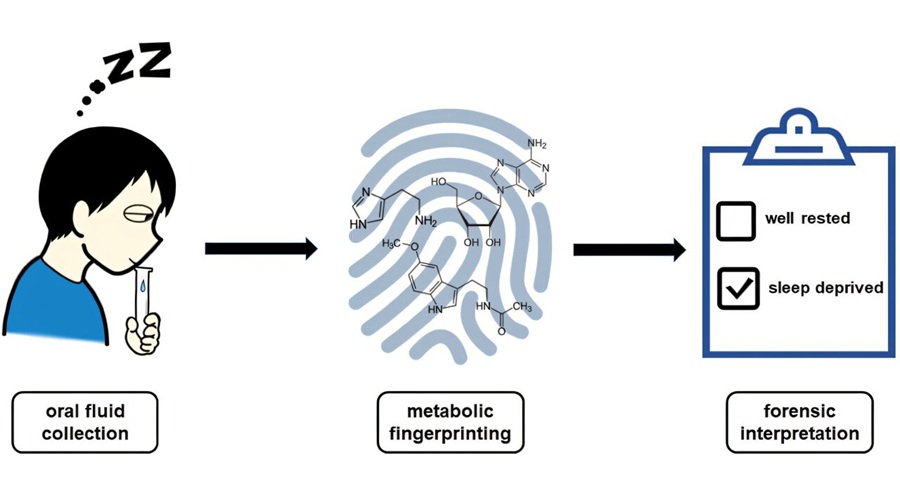
Saliva-Based Test Detects Biochemical Signs of Sleep Loss
Acute sleep loss impairs cognition and motor skills, raising safety risks that resemble alcohol intoxication. Clinicians currently lack an objective biochemical test to determine when someone is dangerously... Read more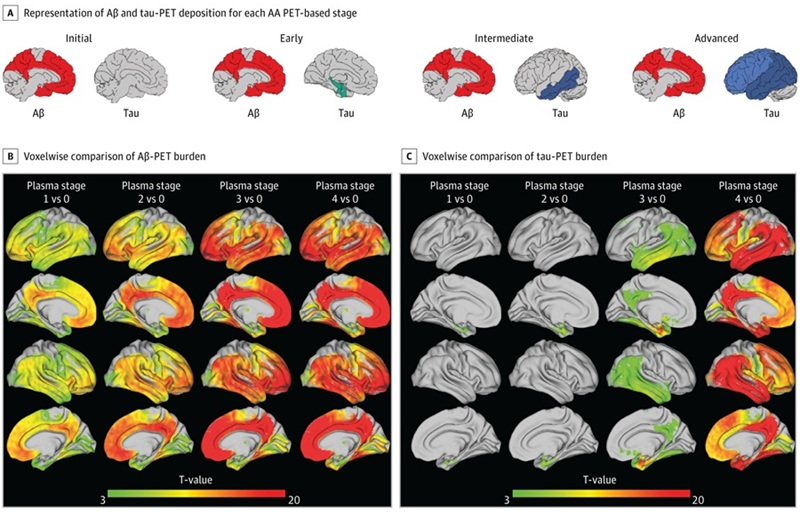
Simple Dual-Tau Blood Test Detects and Stages Alzheimer’s Disease
Alzheimer’s disease is typically confirmed and staged with positron emission tomography scans and cerebrospinal fluid testing, procedures that are costly and invasive. Broader access to minimally invasive... Read more
Alzheimer’s Blood Biomarkers Linked to Early Cognitive Differences Before Dementia
Blood-based screening for Alzheimer’s disease offers a noninvasive, lower-cost alternative to brain imaging or spinal fluid testing, yet its ability to flag the earliest cognitive changes has been unclear.... Read moreMolecular Diagnostics
view channel
Blood-Based RNA Test May Predict Chemotherapy Sensitivity in Lung Cancer
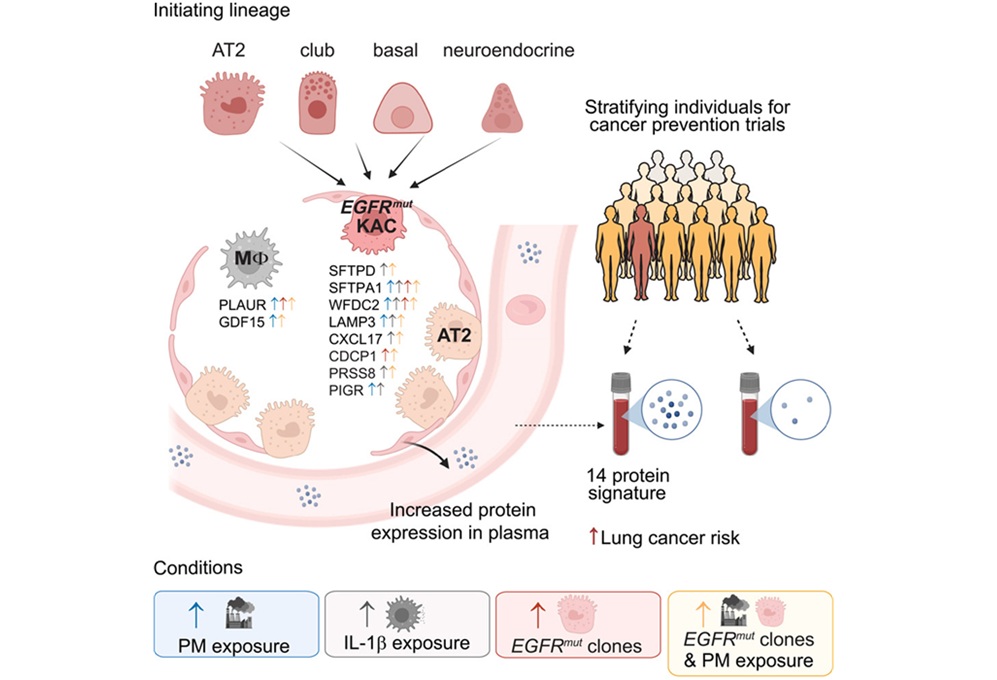
Lung cancer care increasingly relies on biomarker-guided patient stratification, but tissue biopsy can be impractical and treatment selection remains difficult for many patients. Blood-based assays that... Read more
Blood Test Predicts Immunotherapy Response in Head and Neck Cancer
Head and neck squamous cell carcinoma affects hundreds of thousands of people worldwide each year, yet response rates to immunotherapy remain low. Clinicians lack reliable, minimally invasive tools to... Read more
Hematology
view channel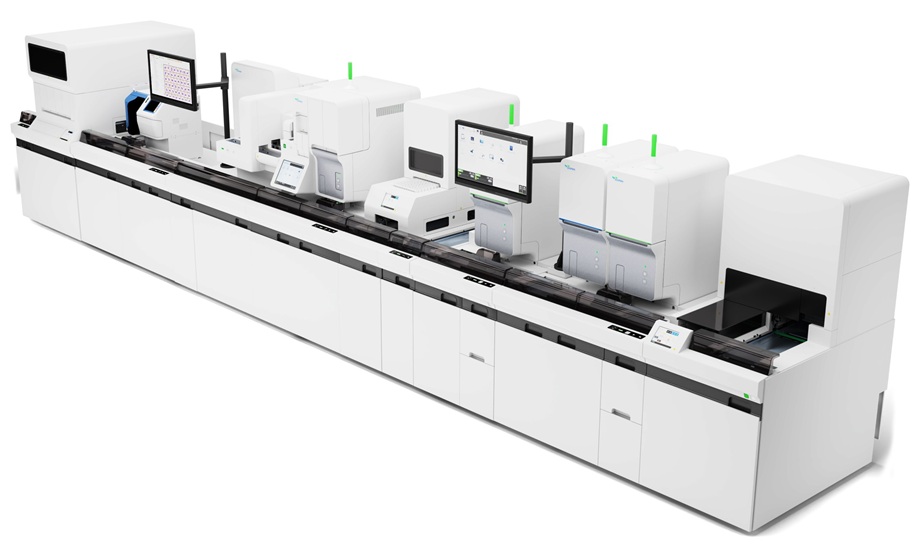
Next-Generation Hematology Platform Streamlines High-Complexity Lab Workflows
Sysmex America (Chicago, IL, USA) has introduced the next generation XR-Series, centered on the XR-10 Automated Hematology Module for high-complexity laboratories. The platform builds on the widely used... Read more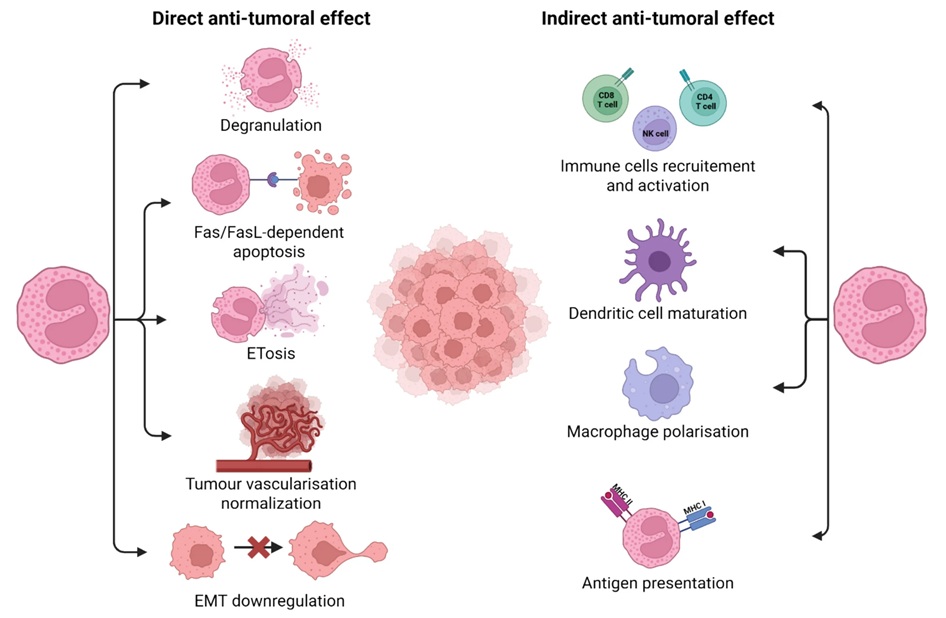
Blood Eosinophil Count May Predict Cancer Immunotherapy Response and Toxicity
Immune checkpoint inhibitors have improved outcomes across many cancers, yet only a subset of patients derive durable benefit and biomarkers to guide treatment remain limited. Eosinophils, best known for... Read more
Immunology
view channel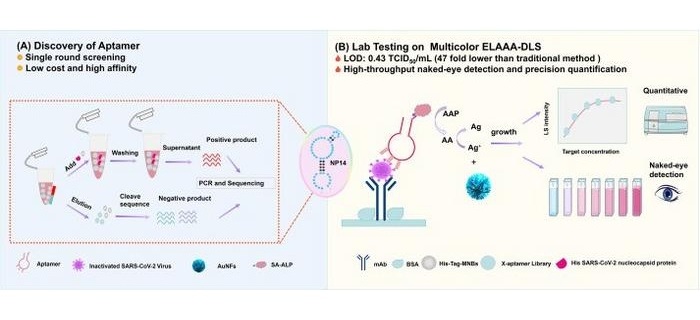
Aptamer-Based Biosensor Enables Mutation-Resilient SARS-CoV-2 Detection
Rapid evolution of severe acute respiratory syndrome coronavirus 2 (SARS-CoV-2) can undermine existing molecular diagnostics, especially when assays target small viral components. Double-antibody sandwich... Read more
Study Points to Autoimmune Pathway Behind Long COVID Symptoms
Long COVID leaves many SARS-CoV-2 survivors with persistent fatigue, cognitive issues, palpitations, and musculoskeletal pain for months or years. Estimates cited in new research suggest 4%–20% of infected... Read more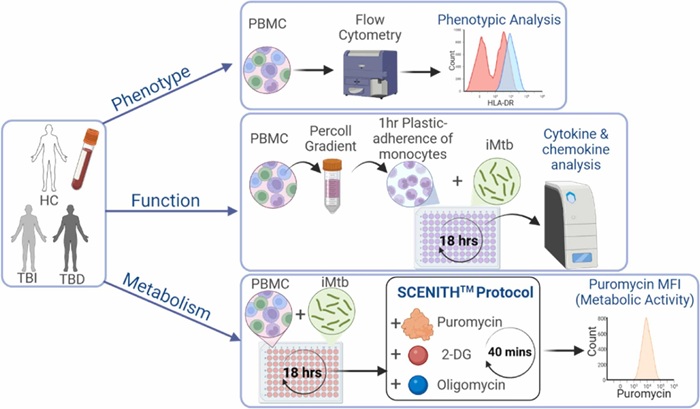
Metabolic Biomarker Distinguishes Latent from Active Tuberculosis and Tracks Treatment Response
Tuberculosis (TB) remains the world’s leading infectious killer, with 10.8 million cases and 1.25 million deaths recorded globally in 2023. Yet many infected individuals never develop active disease, underscoring... Read more
Microbiology
view channel
New Culture Medium Speeds C. difficile Resistance Detection and Reduces Costs
Clostridioides difficile infections remain a persistent threat in hospitals and communities, affecting about 500,000 people in the United States each year. Severe cases can be fatal within 30 days of diagnosis,... Read more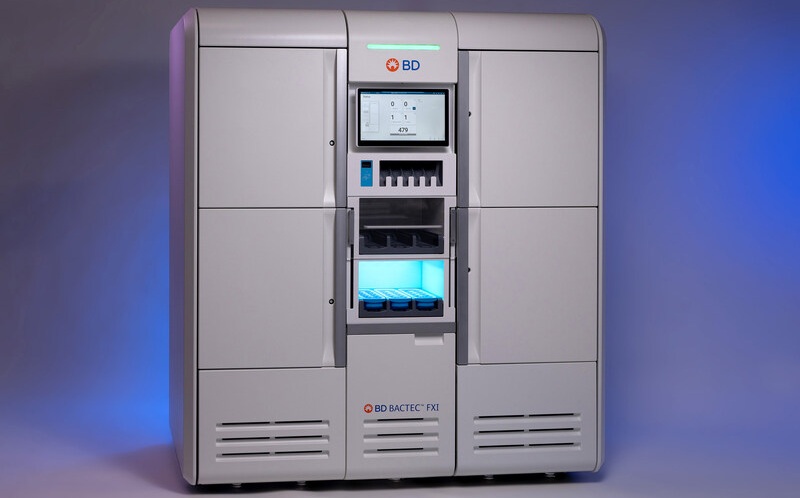
Automated Blood Culture System Speeds Detection of Bloodstream Infections
Bloodstream infections and sepsis require rapid laboratory detection to guide targeted antimicrobial therapy and reduce mortality. Conventional blood culture workflows can delay actionable results by critical... Read more
Pathology
view channel
AI Pathology Tool Predicts Meningioma Recurrence from Routine Slides
Meningiomas are the most common primary brain tumors in adults, yet their course ranges from indolent to highly recurrent disease. Estimating an individual patient’s recurrence risk often requires advanced... Read more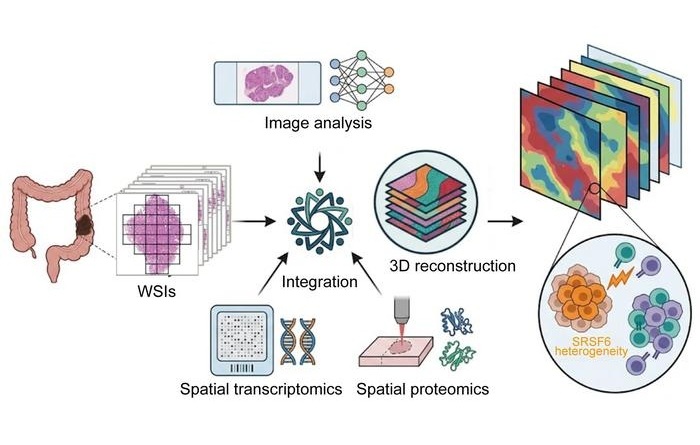
3D Spatial Multi-Omics Maps Intra-Tumor Diversity in Colorectal Cancer
Colorectal cancer remains a leading cause of cancer death, and clinical decision-making is complicated by marked intra-tumor heterogeneity. Conventional bulk sequencing averages molecular signals across... Read more
Technology
view channel
AI Platform Links Biomarker Results to Cancer Clinical Trials and Guidelines
Oncology teams must manage growing volumes of genomic data, rapidly evolving clinical trial options, and frequently updated care guidelines, all within tight clinic schedules. Translating complex tumor... Read more