Beckman To Buy Diagnostics Business from Olympus for $800 Million
|
By LabMedica International staff writers Posted on 27 Feb 2009 |


|
Beckman Coulter (Fullerton, CA, USA) will acquire the diagnostic systems portion of Olympus' Life Sciences (Tokyo, Japan) business for 77.45 billion yen, approximately U.S. $800 million. The acquisition will broaden Beckman Coulter's chemistry offering, enabling it to establish a strong position in larger hospital laboratories and universities where higher throughput systems are preferred. The transaction will also extend the broad chemistry customer base for Beckman Coulter's immunoassay products. In addition Beckman Coulter's strength in total lab automation will be complemented by Olympus' strong pre-analytical automation position in Europe and Asia.
The planned divestment of Olympus's diagnostic systems business to Beckman encompasses the entire business. Beckman has agreed to acquire the R&D, production, and marketing functions of this business both in Japan and in international markets. As part of the agreement, Beckman Coulter has the right to deliver up to 37.5% of the purchase price in the form of Beckman Coulter stock. Correspondingly, Beckman Coulter expects to finance the acquisition with a combination of newly issued Beckman Coulter common stock (approximately $300 million) and newly issued debt (approximately $500 million). Under the intended conservative financing structure, the company does not anticipate a change in its current investment grade ratings.
Olympus entered the diagnostic systems market almost four decades ago and has been engaged in the manufacture and marketing of clinical diagnostic testing systems, primarily automated chemistry analyzers and automated blood transfusion testing systems. The company's diagnostic systems business generated revenue of 52.7 billion yen (approximately $540 million) in the most recent financial year that ended March 2008 and has consistently delivered stable profits.
Because of the rapidly changing dynamics within this global market segment, Olympus determined that the divestment of its diagnostic systems business to Beckman, a major player in this segment, would be the best strategic option and offers clear benefits over retaining ownership and continuing to operate the business within the Olympus Group.
In 2010, the Olympus Diagnostics business is anticipated to increase Beckman Coulter's revenue by approximately $500 million on a full year basis and generate approximately $40 to $50 million in operating income. Beckman Coulter believes that 2010 pre-tax savings of between $50 and $60 million can be achieved from the combination of Olympus operating expenses of about $200 million and Beckman Coulter operating expenses of more than $1 billion.
Scott Garrett, Beckman Coulter's chairman, president and CEO, said, "We remain focused on creating shareholder value through growth, quality, and operating excellence. The combination of Beckman Coulter and Olympus demonstrates our commitment to further expand chemistry and sustain our above-market growth in immunoassay. A foundation of stable markets, a defensive business model, well-recognized competencies in optimizing lab processes, and an unyielding commitment to quality positions us for continued leadership in biomedical testing."
Beckman Coulter, Inc. is a leading manufacturer of biomedical testing instrument systems, tests, and supplies that simplify and automate laboratory processes. From laboratory diagnostics and point-of-care testing to pioneering medical research and clinical trials Beckman Coulter's installed systems provide essential biomedical information to enhance health care around the world. In 2007 the company reported annual sales of $2.76 billion with more than 78% of this amount generated by recurring revenue from supplies, test kits, and services.
Related Links:
Beckman Coulter
Olympus Life Sciences




The planned divestment of Olympus's diagnostic systems business to Beckman encompasses the entire business. Beckman has agreed to acquire the R&D, production, and marketing functions of this business both in Japan and in international markets. As part of the agreement, Beckman Coulter has the right to deliver up to 37.5% of the purchase price in the form of Beckman Coulter stock. Correspondingly, Beckman Coulter expects to finance the acquisition with a combination of newly issued Beckman Coulter common stock (approximately $300 million) and newly issued debt (approximately $500 million). Under the intended conservative financing structure, the company does not anticipate a change in its current investment grade ratings.
Olympus entered the diagnostic systems market almost four decades ago and has been engaged in the manufacture and marketing of clinical diagnostic testing systems, primarily automated chemistry analyzers and automated blood transfusion testing systems. The company's diagnostic systems business generated revenue of 52.7 billion yen (approximately $540 million) in the most recent financial year that ended March 2008 and has consistently delivered stable profits.
Because of the rapidly changing dynamics within this global market segment, Olympus determined that the divestment of its diagnostic systems business to Beckman, a major player in this segment, would be the best strategic option and offers clear benefits over retaining ownership and continuing to operate the business within the Olympus Group.
In 2010, the Olympus Diagnostics business is anticipated to increase Beckman Coulter's revenue by approximately $500 million on a full year basis and generate approximately $40 to $50 million in operating income. Beckman Coulter believes that 2010 pre-tax savings of between $50 and $60 million can be achieved from the combination of Olympus operating expenses of about $200 million and Beckman Coulter operating expenses of more than $1 billion.
Scott Garrett, Beckman Coulter's chairman, president and CEO, said, "We remain focused on creating shareholder value through growth, quality, and operating excellence. The combination of Beckman Coulter and Olympus demonstrates our commitment to further expand chemistry and sustain our above-market growth in immunoassay. A foundation of stable markets, a defensive business model, well-recognized competencies in optimizing lab processes, and an unyielding commitment to quality positions us for continued leadership in biomedical testing."
Beckman Coulter, Inc. is a leading manufacturer of biomedical testing instrument systems, tests, and supplies that simplify and automate laboratory processes. From laboratory diagnostics and point-of-care testing to pioneering medical research and clinical trials Beckman Coulter's installed systems provide essential biomedical information to enhance health care around the world. In 2007 the company reported annual sales of $2.76 billion with more than 78% of this amount generated by recurring revenue from supplies, test kits, and services.
Related Links:
Beckman Coulter
Olympus Life Sciences

Gold Member
Quantitative POC Immunoassay Analyzer
EASY READER+
HPV Test
Allplex HPV28 Detection
Creatinine/eGFR Meter
StatSensor® Creatinine/eGFR Meter
Latest Industry News
- Genetic Testing Program Expands Detection of Alpha-1 Antitrypsin Deficiency
- Collaboration Advances ctDNA-Guided Development in Metastatic Colorectal Cancer
- Diazyme Laboratories Acquires Carolina Liquid Chemistries
- Partnership Expands Access to Alzheimer’s Blood Tests in Latin America and Caribbean
- Global Multiplex Assays Market Driven by High-Throughput Diagnostic Demand
- GRAIL Presents Full Results from NHS-Galleri Trial at ASCO 2026
- Global Framework Integrates Digital Pathology for Companion Diagnostic Development
- Werfen and Oxford Nanopore Collaborate on Transplant Assay Development
- New Distribution Agreement Expands Access to CE-Marked Precision Oncology Assays
- ClearNote Health to Present Pancreatic Cancer Blood Test Data at ASCO 2026
- Artera to Highlight AI-Based Cancer Risk Stratification at ASCO 2026
- Natera to Present Data on MRD-Guided Cancer Care at ASCO 2026
- Fujifilm Integrates Structured Reporting into Digital Pathology Workflow
- Strategic Collaboration Advances RNA Foundation Models for Precision Oncology
- Partnership Brings Single-Cell Analysis into Clinical Oncology Workflows
- Partnership Aims to Bring Risk-Guided CKD Care to Health Systems
Channels
Clinical Chemistry
view channel
Urinary Biomarker Assay Predicts Kidney Disease Progression Beyond Standard Measures
Many patients with type 2 diabetes and chronic kidney disease continue to experience progressive renal decline, yet conventional markers such as albuminuria and estimated glomerular filtration rate (eGFR)... Read more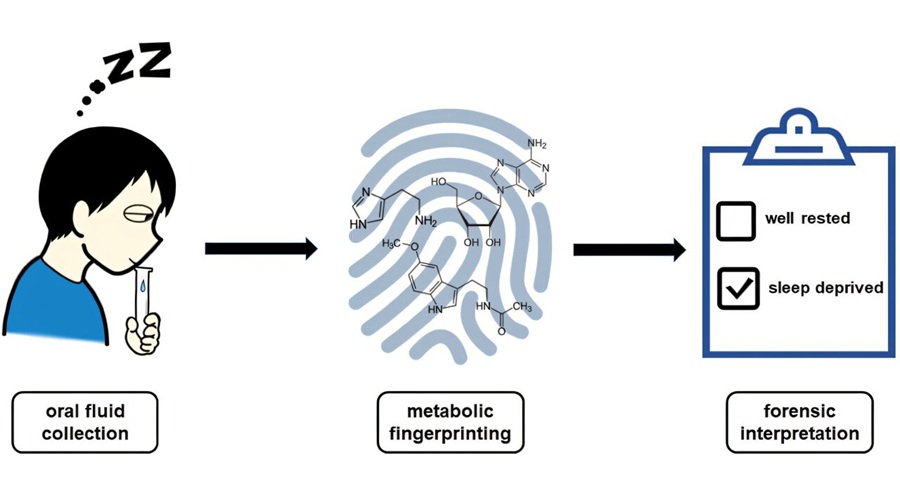
Saliva-Based Test Detects Biochemical Signs of Sleep Loss
Acute sleep loss impairs cognition and motor skills, raising safety risks that resemble alcohol intoxication. Clinicians currently lack an objective biochemical test to determine when someone is dangerously... Read more
Simple Dual-Tau Blood Test Detects and Stages Alzheimer’s Disease
Alzheimer’s disease is typically confirmed and staged with positron emission tomography scans and cerebrospinal fluid testing, procedures that are costly and invasive. Broader access to minimally invasive... Read more
Alzheimer’s Blood Biomarkers Linked to Early Cognitive Differences Before Dementia
Blood-based screening for Alzheimer’s disease offers a noninvasive, lower-cost alternative to brain imaging or spinal fluid testing, yet its ability to flag the earliest cognitive changes has been unclear.... Read moreMolecular Diagnostics
view channel
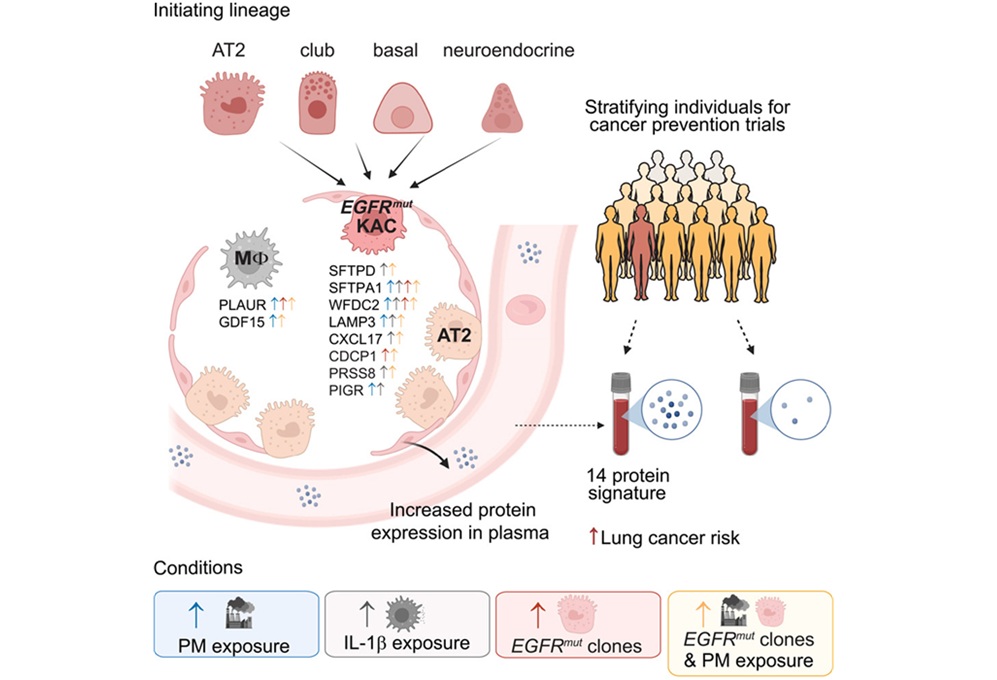
Blood-Based RNA Test May Predict Chemotherapy Sensitivity in Lung Cancer
Lung cancer care increasingly relies on biomarker-guided patient stratification, but tissue biopsy can be impractical and treatment selection remains difficult for many patients. Blood-based assays that... Read more
Blood Test Predicts Immunotherapy Response in Head and Neck Cancer
Head and neck squamous cell carcinoma affects hundreds of thousands of people worldwide each year, yet response rates to immunotherapy remain low. Clinicians lack reliable, minimally invasive tools to... Read more
Hematology
view channel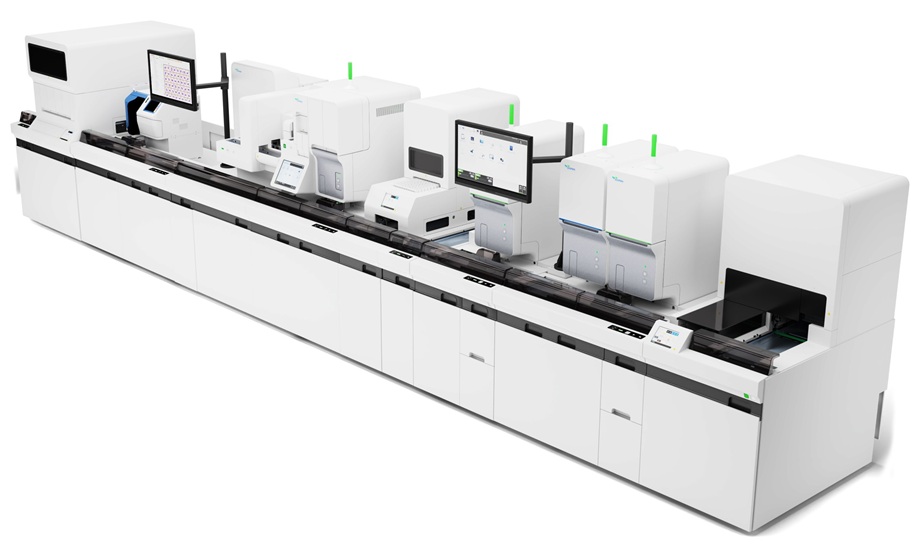
Next-Generation Hematology Platform Streamlines High-Complexity Lab Workflows
Sysmex America (Chicago, IL, USA) has introduced the next generation XR-Series, centered on the XR-10 Automated Hematology Module for high-complexity laboratories. The platform builds on the widely used... Read more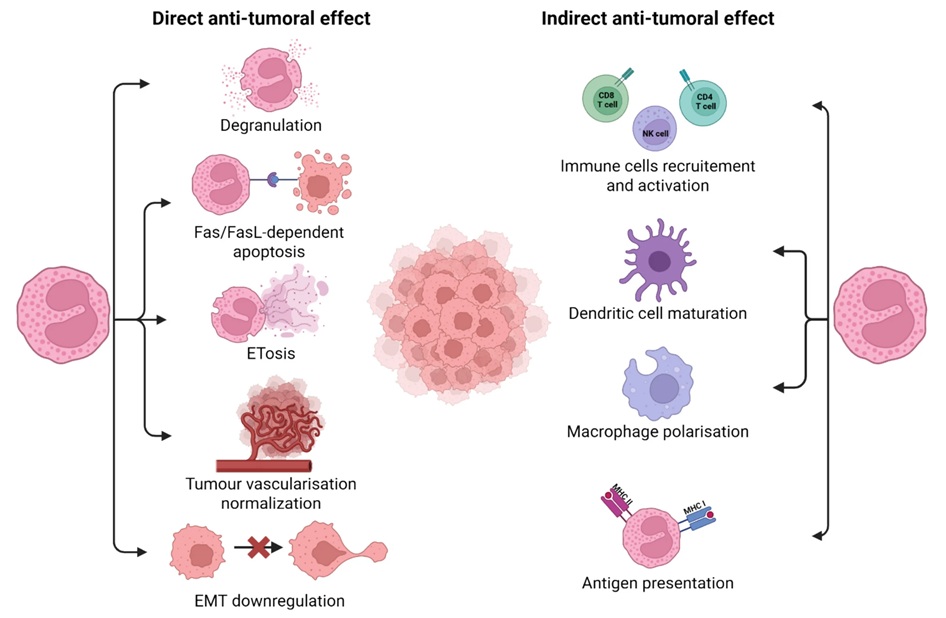
Blood Eosinophil Count May Predict Cancer Immunotherapy Response and Toxicity
Immune checkpoint inhibitors have improved outcomes across many cancers, yet only a subset of patients derive durable benefit and biomarkers to guide treatment remain limited. Eosinophils, best known for... Read more
Immunology
view channel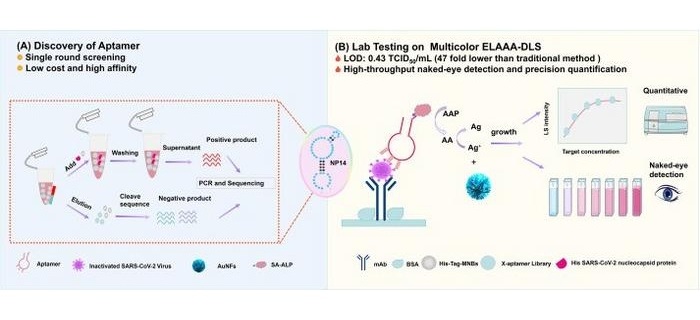
Aptamer-Based Biosensor Enables Mutation-Resilient SARS-CoV-2 Detection
Rapid evolution of severe acute respiratory syndrome coronavirus 2 (SARS-CoV-2) can undermine existing molecular diagnostics, especially when assays target small viral components. Double-antibody sandwich... Read more
Study Points to Autoimmune Pathway Behind Long COVID Symptoms
Long COVID leaves many SARS-CoV-2 survivors with persistent fatigue, cognitive issues, palpitations, and musculoskeletal pain for months or years. Estimates cited in new research suggest 4%–20% of infected... Read more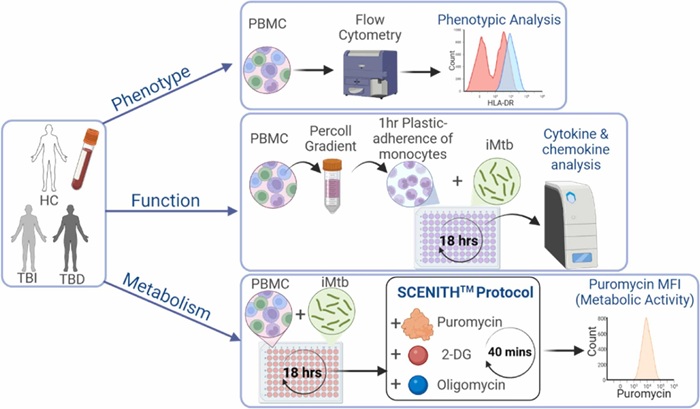
Metabolic Biomarker Distinguishes Latent from Active Tuberculosis and Tracks Treatment Response
Tuberculosis (TB) remains the world’s leading infectious killer, with 10.8 million cases and 1.25 million deaths recorded globally in 2023. Yet many infected individuals never develop active disease, underscoring... Read more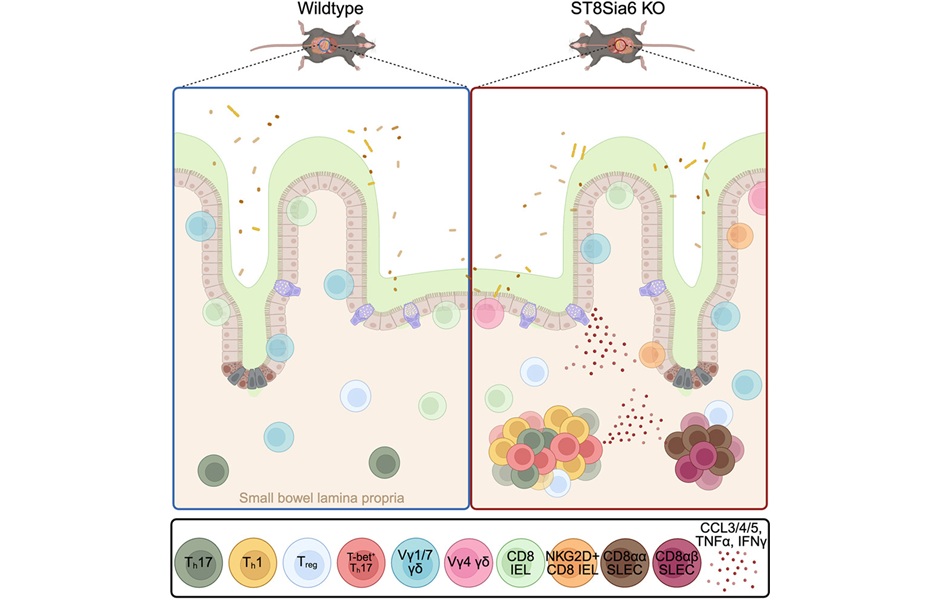
Microbiology
view channel
New Culture Medium Speeds C. difficile Resistance Detection and Reduces Costs
Clostridioides difficile infections remain a persistent threat in hospitals and communities, affecting about 500,000 people in the United States each year. Severe cases can be fatal within 30 days of diagnosis,... Read more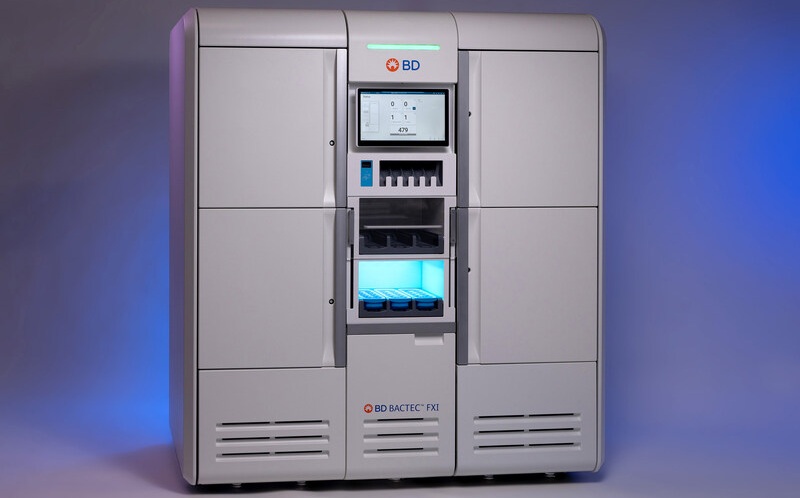
Automated Blood Culture System Speeds Detection of Bloodstream Infections
Bloodstream infections and sepsis require rapid laboratory detection to guide targeted antimicrobial therapy and reduce mortality. Conventional blood culture workflows can delay actionable results by critical... Read more
Pathology
view channel
AI Pathology Tool Predicts Meningioma Recurrence from Routine Slides
Meningiomas are the most common primary brain tumors in adults, yet their course ranges from indolent to highly recurrent disease. Estimating an individual patient’s recurrence risk often requires advanced... Read more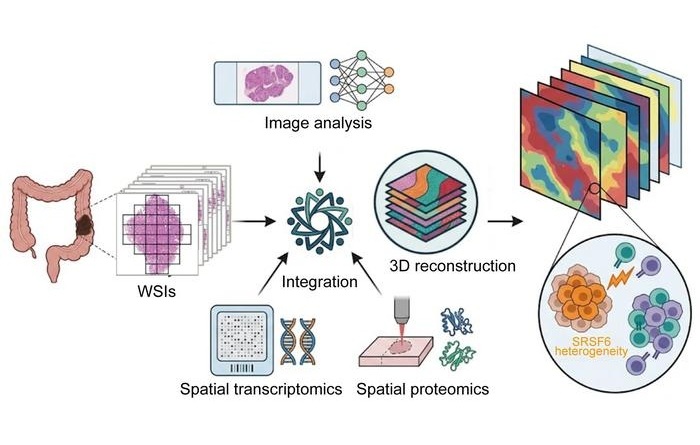
3D Spatial Multi-Omics Maps Intra-Tumor Diversity in Colorectal Cancer
Colorectal cancer remains a leading cause of cancer death, and clinical decision-making is complicated by marked intra-tumor heterogeneity. Conventional bulk sequencing averages molecular signals across... Read more
Technology
view channel
AI Platform Links Biomarker Results to Cancer Clinical Trials and Guidelines
Oncology teams must manage growing volumes of genomic data, rapidly evolving clinical trial options, and frequently updated care guidelines, all within tight clinic schedules. Translating complex tumor... Read more