






Molecular Diagnostics

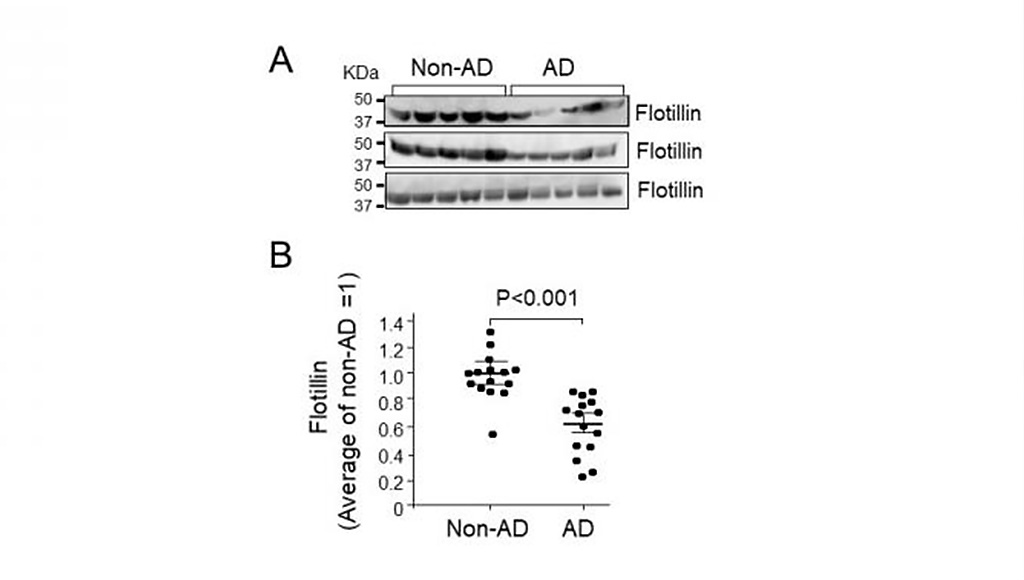
Early-Onset Alzheimer's Mutation Possibly Mitigated by APOE Variant
Alzheimer's disease is an irreversible, progressive brain disorder that slowly destroys memory and thinking skills, and, eventually, the ability to carry out the simplest tasks. In most people with Alzheimer's, symptoms first appear in their mid-60s. More...19 Nov 2019
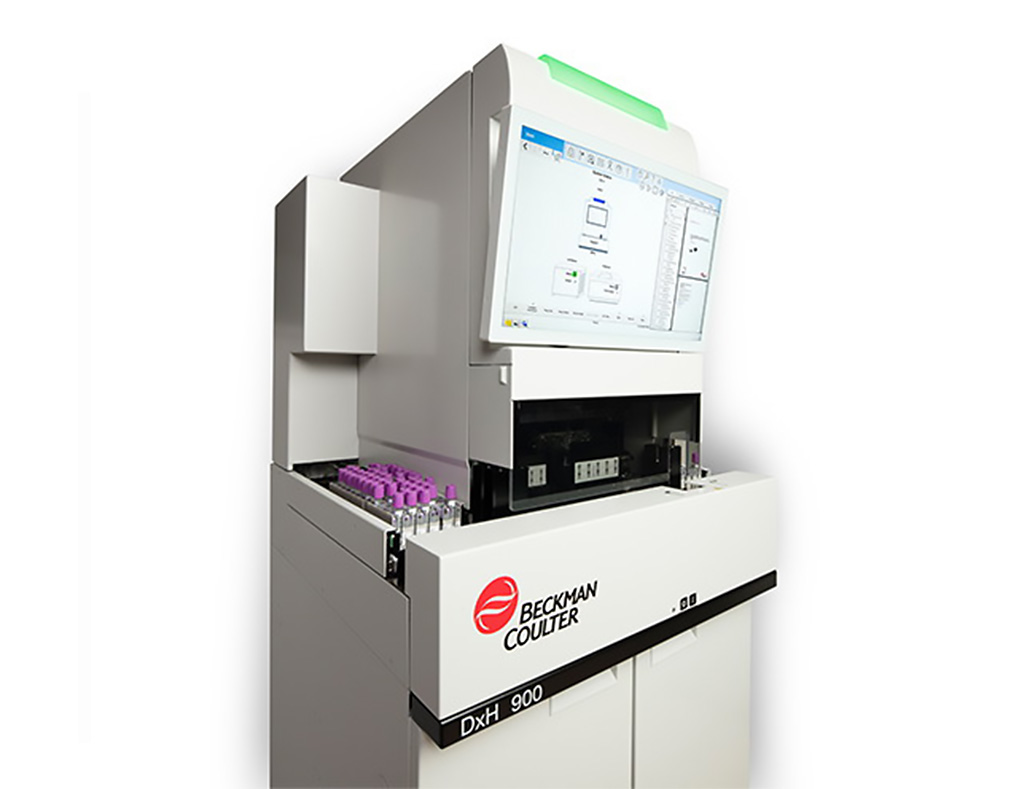

Phoenix CPO Test Evaluated for Detection of Carbapenemase Producers
The use of nucleic acid amplification tests (NAAT) to identify rapidly Carbapenemase-Producing Organisms (CPO) from samples such as positive blood culture and stools is an alternative approach to establish rapidly an optimal empirical antibiotic therapy or for infectious control management. More...14 Nov 2019

Rapid Fluorescence Fingerprinting Assay for Identification of Synthetic Cannabinoid Receptor Agonists
A team of British researchers developed a rapid real-time, point-of-care test for the identification of synthetic cannabinoid receptor agonists (SCRAs), a class of illegal drugs known colloquilly as “Spice” or “K2”. More...14 Nov 2019

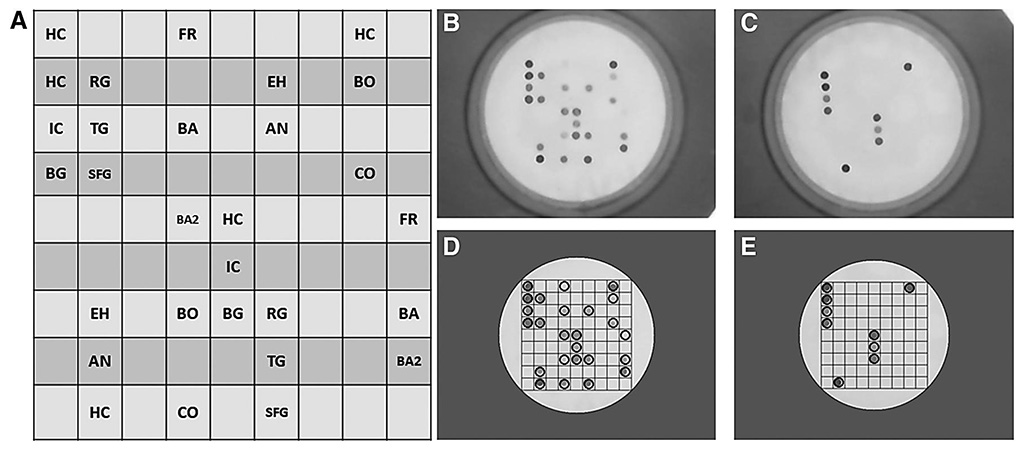
Rapid DNA Flow Technology Platform Detects Tick-Borne Bacterial Pathogens
Ticks are the most important vectors for infectious diseases in the northern hemisphere and second only after mosquitos worldwide. As a result, there is an increasing public health interest in tick-borne pathogens. More...13 Nov 2019


Platinum Member

Automated Coagulation Analyzer
Hemolumi H6


Urine Analyzer
respons® UDS100

Gold Member

Neonatal Heel Incision Device
Tenderfoot
In Other News
Inexpensive LAMP-Based Schistosomiasis Tests Developed
Chromosomal Abnormalities Associated with Recurrent Miscarriage
Use of Cell-free DNA Liquid Biopsy to Predict Glioblastoma Progression
Prostate Cancer Methylation Levels Linked to Epigenetic Profiles
Metabolomic Profiling Identifies ALL Patients at Risk for MRD and Cancer Relapse
Enterovirus D type 111 Genetically and Phenotypically Characterized
Whole-exome Sequencing Identifies Mysterious Pancreatitis Mutation
Metastatic Tumor Profiles Lead to Potential Treatment Targets
Full Analytical Data Validated for Target Selector ctDNA Assays
Blood and Urine Metabolic Biomarkers Monitor Short-term Dietary Changes
Large-Scale Schizophrenia Exome Sequencing Identifies New Risk Genes
Nasopharyngeal Pneumococcal Density Associated with Invasive Lung Disease
Post-Treatment Colon Cancer Recurrence Identified by ctDNA Detection
Degree of Amyloid-Beta Misfolding Is Predictor of Alzheimer’s Disease Risk
Rapid Immunoassay Shows Potential for Lyme Disease Diagnosis
Methods Explored for Gram-Negative Non-Fermentative Bacteria ID
Trial Finds High Analytical Performance in Whole-Genome Sequencing
Lynch Syndrome Screening by IHC Leads to Mutation Studies
Adhesive Tape Strips Offer an Alternative Biopsy Method for Diagnosis of Atopic Dermatitis
Serum Levels of Neurofilament Light Chain Distinguish FTLD
Infrared Spectrometry Method Used for Triage of Brain Cancer Patients
Immune Processes Linked to Multiple Sclerosis Genetics
Methylation Signature Identified for Brain Metastases of Lung Cancer


Genetic Testing channel of LabMedica brings the latest in molecular genetics, cytogenetics, and epigenetics, and methods from PCR to FISH, and more.