First-of-Its-Kind Testing Device Allows For Rapid Detection of Bacteria That Identify Risk for Preterm Birth
|
By LabMedica International staff writers Posted on 14 Oct 2021 |


|
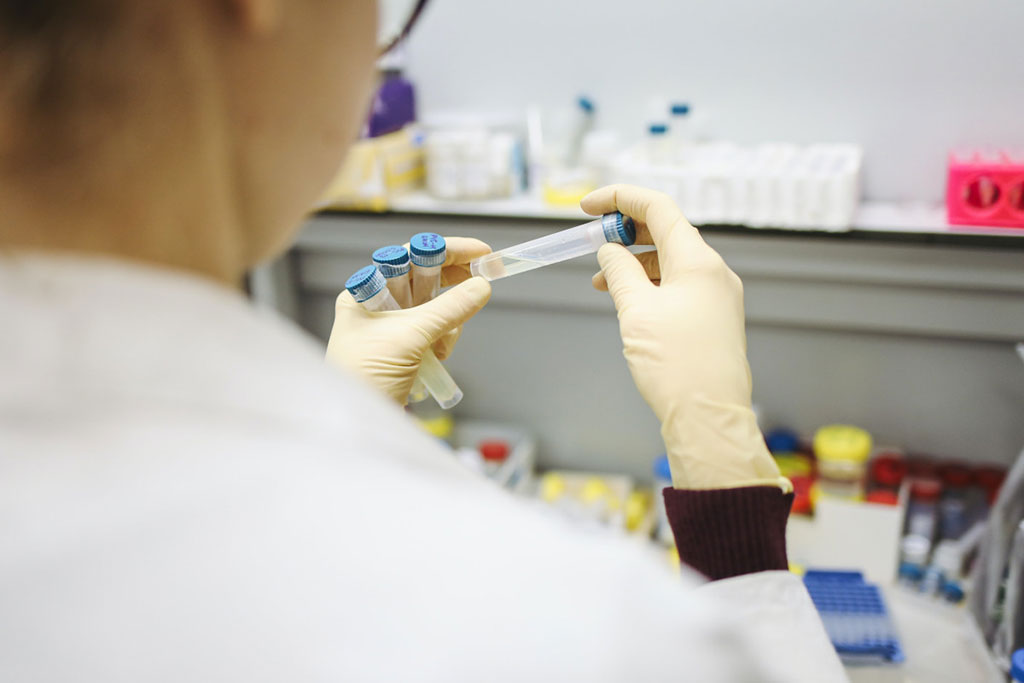
A newly-developed cost-effective device can rapidly and accurately detect changes in vaginal bacteria and corresponding immune responses in pregnant women, which are associated with increased risk of preterm birth.
The first-of-its-kind testing device developed by researchers at the March of Dimes Prematurity Research Center at Imperial College London (London, UK) may help advance diagnosis and treatment of preterm birth by facilitating faster clinical decision-making and helping improve targeted treatment strategies during pregnancy.
Preterm birth remains a major cause of death worldwide in children under age five. One of the many factors that contribute to a woman's risk of preterm birth is changes during pregnancy to the type and amounts of microbes in the lower reproductive tract, referred to as the vaginal microbiome. In some women, certain bacteria from the microbiome can cause inflammation leading to an increased risk of preterm birth. The new testing device called direct-on-swab metabolic profiling by Desorption Electrospray Ionization Mass Spectrometry (DESI-MS), rapidly analyzes chemicals in a clinical swab to simultaneously determine the type of bacteria in the vagina, and corresponding immune or inflammatory response to the bacteria.
The two-minute test was found to be just as effective as 'gold standard' chemical profiling tests (e.g. Liquid Chromatography-Mass Spectrometry assays) that require detailed sample preparation and extraction making them more time consuming (up to eight hours per assay), costly and difficult to introduce into routine bedside testing. The ability to monitor the vaginal microbiome and inflammation throughout pregnancy with DESI-MS could help identify women at risk of preterm birth sooner, potentially allowing obstetricians to monitor these women more closely and start preventative treatments earlier and in a more targeted way than currently possible.
The researchers tested the direct-on-swab DESI-MS device by analyzing more than 1,000 samples collected from two independent groups of pregnant women (about 400 women in total) in the UK. The data found that women who had changing and diverse vaginal microbiomes (those that contained many different bacteria or had bacteria that changed during pregnancy) had higher rates of preterm birth and were more likely to have increased inflammation. The test also detected inflammation caused by some treatments received during pregnancy (e.g. a stitch put into the cervix for 'cervical cerclage' treatment). This inflammation was most frequently observed in women subsequently experiencing preterm birth.
The device may have broader application to other areas of women's health where the vaginal microbiome has been implicated, including bacterial vaginosis, HIV and HPV infection, cervical dysplasia, IVF failure and miscarriage. The researchers now plan to register the technology and seek regulatory approval for its use in the UK and Europe and, eventually, in North America. They also are planning development of a miniature version of the test that can be used more widely in clinics and would allow for bedside testing.
"We've known for some time that the vaginal microbiome can contribute to the risk of preterm birth, but now we have developed a device which in just a few minutes can report both the microbiome composition and inflammatory status of a sample collected during pregnancy," said Dr. David MacIntyre, Reader in Reproductive Systems Medicine, Institute of Reproductive and Developmental Biology Department of Metabolism, Digestion and Reproduction at Imperial College London. "This is the first rapid testing device of its kind and could be readily transferred to use in a clinical setting. This information could be used by doctors and patients to monitor risk of preterm birth but also to help optimize treatments, such as more selective use of antibiotics."
Related Links:
Imperial College London






Latest Immunology News
- Werfen Expands Automated APS Testing with FDA-Cleared and CE-Marked IgA Reagent
- Blood Biomarker May Predict Colitis Risk in Checkpoint Inhibitor Therapy
- Blood EBV Activity Biomarkers May Predict Multiple Sclerosis Relapse Months Ahead
- New Cellular Map May Help Predict Crohn’s Disease Course in Children
- Temporal Immune Profiling Reveals How Sepsis States Change Over Time
- Study Identifies Immune Cells That Drive Harmful Autoantibody Responses in COVID-19
- Gut “Memory” May Explain Why IBD Flares Return
- AI-Based Antibody Profiling Predicts Strength of COVID-19 Vaccine Response
- Immune Biomarkers May Predict Recurrent Checkpoint Inhibitor Arthritis
- Immune Cell Blood Test May Predict Melanoma Immunotherapy Response
- Study Reveals Viral Protein Driving COVID-19-Related Vascular Injury
- Antibody Profiling Identifies Preclinical Inflammatory Bowel Disease Years Before Diagnosis
- Study Reveals Immune Mechanism Driving Severe COVID-19 Progression
- Ultrasensitive Blood Test Detects Sjögren’s Signature Years Before Diagnosis
- New Assays Expand Cytokine Testing for Transplant and Immunocompromised Patients
- Cell-Free Assay Detects Functional IgE for Food Allergy Diagnosis
Channels
Clinical Chemistry
view channel
First-of-Its-Kind Rapid Blood Test Gains CE Mark to Support Prehospital Stroke Triage
Rapid stroke identification before hospital arrival is critical because treatment efficacy declines with every minute of delay. However, definitive assessment typically requires hospital-based imaging,... Read more
Multi-Cancer Blood Test Expands Detection to Cancers Lacking Routine Screening Options
Many lethal cancers lack routine screening and are often diagnosed only after symptoms emerge, limiting curative options. Standard programs in the United States cover a small subset of malignancies, leaving... Read more
Blood Test Could Guide Drug Selection to Prevent Repeat Heart Attacks and Strokes
Secondary prevention after myocardial infarction or stroke relies on antiplatelet therapy, yet responses vary widely and both recurrent thrombosis and bleeding remain persistent risks. In the United Kingdom,... Read more
Hematology
view channel
New Donor Genetic Marker May Help Predict Stem Cell Transplant Success
Donor selection for hematopoietic stem cell transplantation plays a major role in relapse risk and survival for patients with blood cancers and other blood disorders. Despite advances in genotyping, uncertainty... Read more
Updated Ferritin Thresholds Improve Detection of Iron Deficiency
Iron deficiency is one of the most common health conditions worldwide, yet its nonspecific symptoms can delay diagnosis for months. Variation in testing practices and ferritin thresholds may contribute... Read more
Immunology
view channel
Werfen Expands Automated APS Testing with FDA-Cleared and CE-Marked IgA Reagent
Antiphospholipid syndrome (APS) is an autoimmune disorder associated with thrombosis and pregnancy complications, but its symptoms can overlap with those of other conditions, complicating diagnosis.... Read more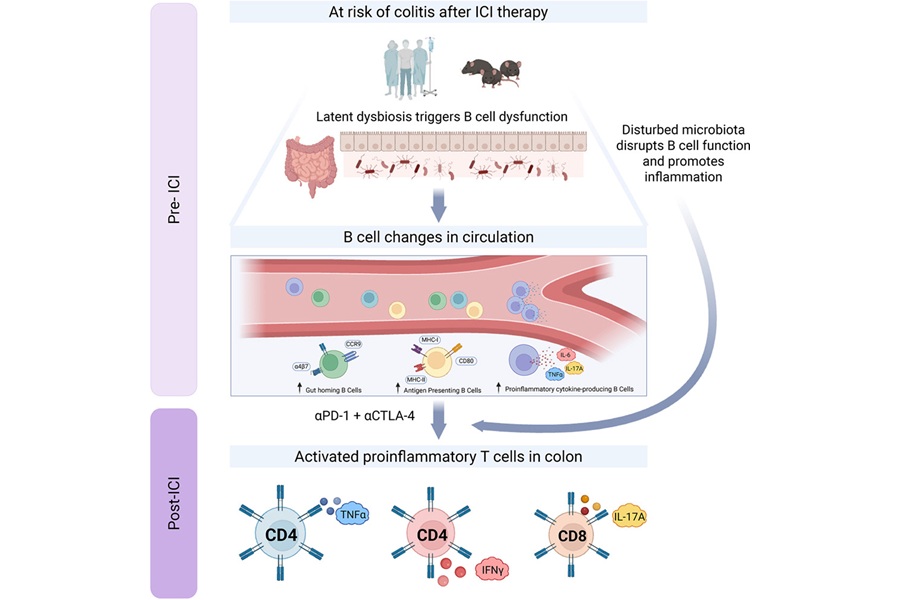
Blood Biomarker May Predict Colitis Risk in Checkpoint Inhibitor Therapy
Immune checkpoint inhibitors can trigger immune-related colitis that leads to severe diarrhea, abdominal pain, and treatment interruptions. Clinicians currently lack validated tools to identify which patients... Read more
Blood EBV Activity Biomarkers May Predict Multiple Sclerosis Relapse Months Ahead
Predicting relapse in multiple sclerosis (MS) remains difficult, limiting opportunities for timely intervention and monitoring. Although many people harbor latent Epstein-Barr virus (EBV), growing evidence... Read more
Microbiology
view channel
Collaboration Targets Blood-Based Ebola Detection Outside Central Laboratories
Co-Diagnostics, Inc. (Salt Lake City, UT, USA) and ReadyGo Diagnostics Ltd. (Bath, UK) have initiated a collaboration to evaluate ReadyGo’s GoCollect with the Co-Dx PCR platform for blood-based molecular... Read more
Study Finds Frequent Overlap in Antibodies to Lyme and Other Tick-Borne Pathogens
Lyme disease and other tick-borne illnesses cause overlapping symptoms, making them difficult to distinguish clinically. The Centers for Disease Control and Prevention estimates that more than 476,000... Read more

Pathology
view channel
Tumor Blood Vessel Features May Help Predict Colorectal Cancer Survival
Colorectal cancer outcomes vary widely, and tumor biology remains a key determinant of prognosis. Because neoplasms depend on a vascular supply, differences in intratumoral vessels may influence survival.... Read more
Multimodal AI Improves Breast Cancer Recurrence Risk Prediction Beyond Standard Genomic Testing
Predicting which patients with early-stage breast cancer will develop distant recurrence remains difficult, complicating decisions about long-term therapy and surveillance. Widely used genomic assays are... Read more
Machine Learning Cytology Tool Improves Cancer Cell Identification
Cytological screening remains central to early cancer detection, but its accuracy depends heavily on expert interpretation of stained cells. Under conventional microscopy, malignant and reactive cells... Read more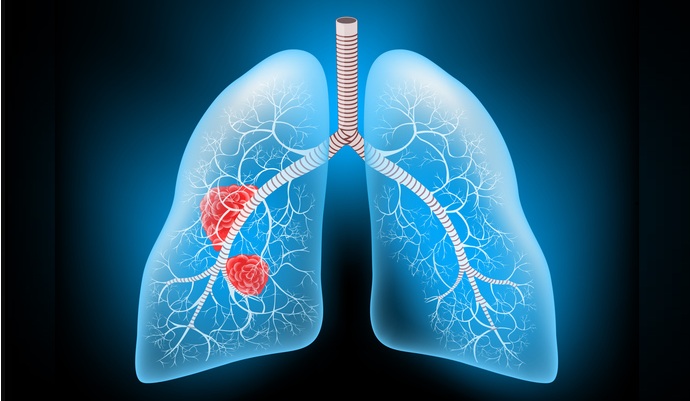
Tumor Budding Grading May Predict Chemotherapy Benefit in Resected Lung Squamous Cancer
Outcomes after resection for lung squamous cell carcinoma (SqCC) vary substantially, and the uneven benefit of adjuvant chemotherapy complicates postsurgical treatment decisions. Pathologic markers that... Read moreTechnology
view channel
ADLM Calls for CLIA Updates to Support Safe AI Use in Laboratory Medicine
Clinical laboratories increasingly use artificial intelligence to verify, interpret, and report results, but safeguards under the Clinical Laboratory Improvement Amendments (CLIA) were designed in 1992.... Read more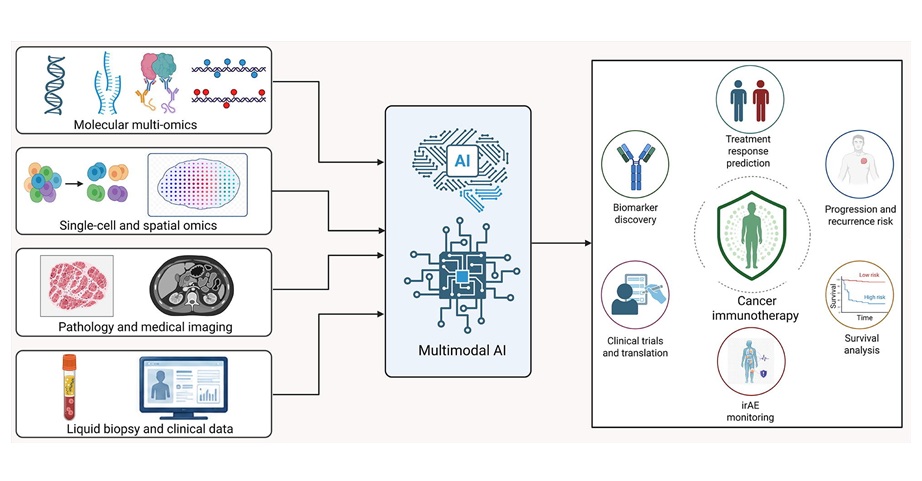
Multimodal AI Framework Aims to Guide Cancer Immunotherapy Decisions
Cancer immunotherapy has reshaped oncology, but heterogeneous responses and immune-related toxicities continue to complicate routine decision-making. Standard biomarkers, including programmed death-ligand... Read more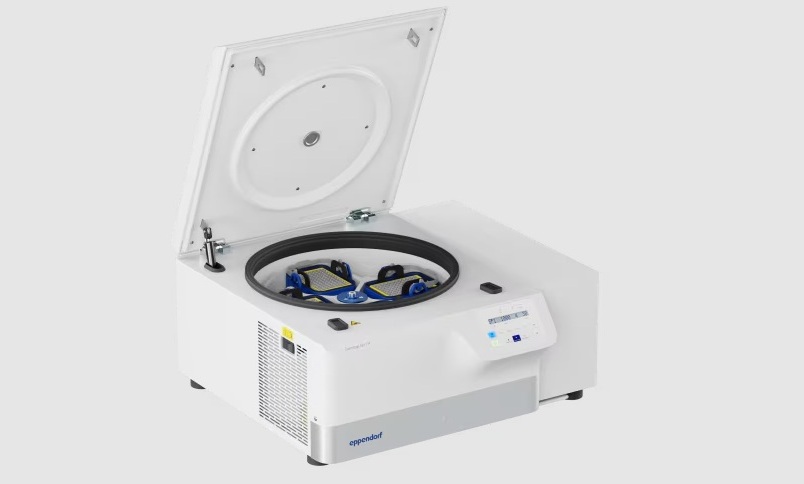
New Multipurpose Centrifuge Combines High Capacity with Sustainable Cooling
Laboratories often need centrifugation that accommodates multiple vessel formats while maintaining controlled temperatures to protect sensitive samples. Intuitive controls and repeatable operation can... Read more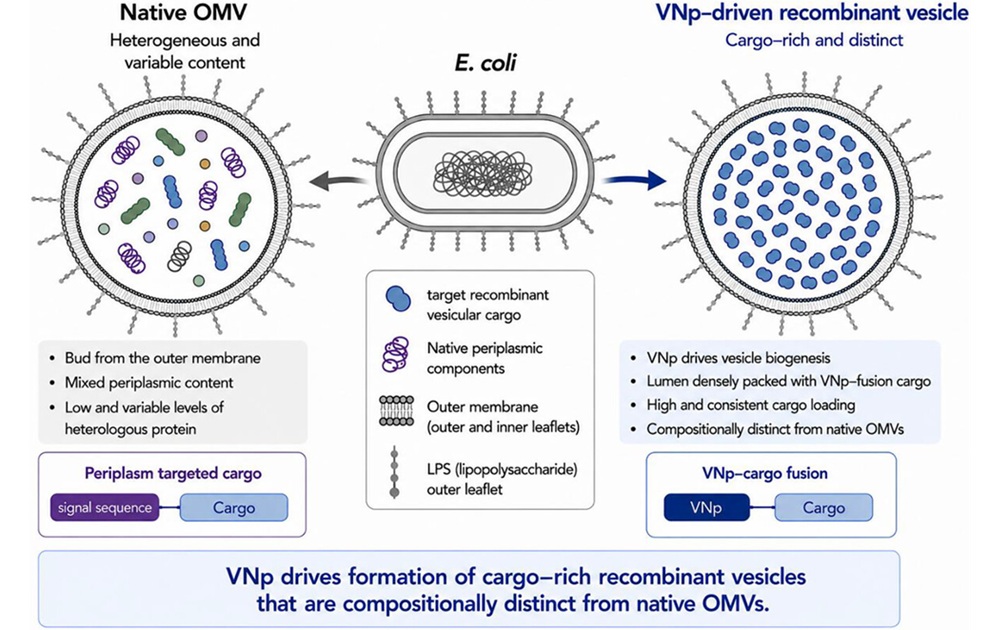
Bacterial Vesicle Expression System Streamlines Production of Cancer Diagnostic Proteins
Recombinant proteins are central to many cancer diagnostics and therapies, but numerous targets remain difficult and costly to produce because they are unstable, toxic to microbial hosts, or require precise folding.... Read moreIndustry
view channel
Siemens Healthineers and Novo Collaborate to Expand Access to Noninvasive Liver Testing
Metabolic dysfunction‑associated steatotic liver disease (MASLD) and its progressive form, metabolic dysfunction‑associated steatohepatitis (MASH), affect millions and are linked to obesity, type 2 diabetes,... Read more
Mayo Clinic and Thermo Fisher Launch Multi-Omics Venture to Identify Early Disease Signals
Many diseases begin developing years before symptoms emerge, making early detection difficult for healthcare systems and clinical laboratories. Linking molecular changes with longitudinal health data could... Read more
Sputum-Based Lung Cancer Test Technology Granted Hong Kong Patent
Asia accounts for nearly two-thirds of lung cancer cases worldwide, with an estimated 1.6 million new diagnoses across the region each year. Against this substantial disease burden, a newly granted patent... Read more