Jagged Ends of Urinary Cell-Free DNA Assessed in Bladder Cancer Detection
|
By LabMedica International staff writers Posted on 27 May 2021 |


|
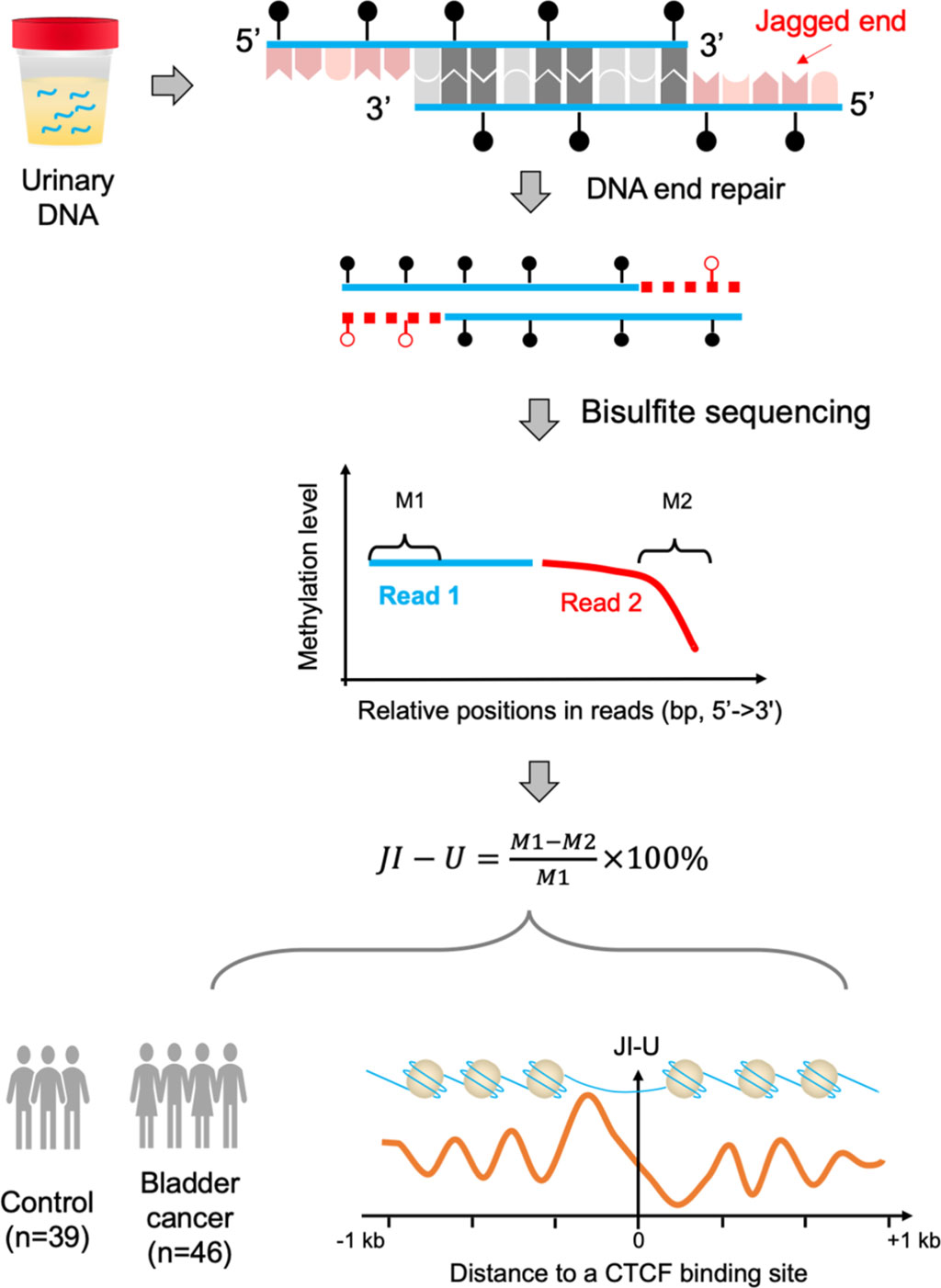
Image: Schematic of workflow for urinary DNA jagged end analysis. Urinary DNA was subjected to an end-repair process; JI-U = jagged index–unmethylated (Photo courtesy of The Chinese University of Hong Kong)
Bladder cancer is where a growth of abnormal tissue, known as a tumor, develops in the bladder lining. In some cases, the tumor spreads into the bladder muscle. The most common symptom of bladder cancer is blood in the urine, which is usually painless.
Cell-free DNA (cfDNA) molecules in plasma consist of fragments of DNA. Much interest has been focused recently on the fragmentation patterns of such DNA molecules. The fragment sizes and ends, for example, display nucleosomal features in relation to the tissues of origin. When compared with plasma DNA, urinary cfDNA molecules exhibit a different size profile; therefore, urinary DNA molecules are much more fragmented than plasma DNA.
Medical Scientists at The Chinese University of Hong Kong (Shatin, Hong Kong, China) and their colleagues obtained bisulfite sequencing data of urinary DNA from a previous study, including 46 patients with bladder cancer, all of whom were urothelial cell carcinoma, and 39 control participants with hematuria, but without detectable bladder cancer. Among patients with bladder cancer, 37 had non–muscle-invasive bladder cancer and nine patients with muscle-invasive bladder cancer.
Urinary cfDNA was extracted using the Wizard Plus Minipreps DNA Purification System (Promega, Madison, WI, USA) with the addition of guanidine thiocyanate to urine before mixing with resin. DNA libraries were sequenced using the Illumina HiSeq 2500 or NextSeq 500 with a 41 bp × 2 paired-end sequencing protocol (Illumina, San Diego, CA, USA). Incorporation of unmethylated cytosines during the repair of the jagged ends lowered the apparent methylation levels measured by bisulfite sequencing and were used to calculate a jagged end index. This approach is called jagged end analysis by sequencing.
The investigators reported that the jagged end index of urinary cfDNA was higher than that of plasma DNA. The jagged end index profile of plasma DNA displayed several strongly oscillating major peaks at intervals of approximately 165 bp (i.e., nucleosome size) and weakly oscillating minor peaks with periodicities of approximately 10 bp. In contrast, the urinary DNA jagged end index profile showed weakly oscillating major peaks, but strongly oscillating minor peaks. The jagged end index was generally higher in nucleosomal linker DNA regions. The 46 Patients with bladder cancer had lower jagged end indexed of urinary DNA than 39 participants without bladder cancer. The area under the curve for differentiating between patients with and without bladder cancer was 0.83.
The authors concluded that jagged ends represent a property of urinary cfDNA. The generation of jagged ends might be related to nucleosomal structures, with enrichment in linker DNA regions. Jagged ends of urinary DNA could potentially serve as a new biomarker for bladder cancer detection. The study was published in the April, 2021 issue of the journal Clinical Chemistry.
Related Links:
The Chinese University of Hong Kong
Promega
Illumina





Cell-free DNA (cfDNA) molecules in plasma consist of fragments of DNA. Much interest has been focused recently on the fragmentation patterns of such DNA molecules. The fragment sizes and ends, for example, display nucleosomal features in relation to the tissues of origin. When compared with plasma DNA, urinary cfDNA molecules exhibit a different size profile; therefore, urinary DNA molecules are much more fragmented than plasma DNA.
Medical Scientists at The Chinese University of Hong Kong (Shatin, Hong Kong, China) and their colleagues obtained bisulfite sequencing data of urinary DNA from a previous study, including 46 patients with bladder cancer, all of whom were urothelial cell carcinoma, and 39 control participants with hematuria, but without detectable bladder cancer. Among patients with bladder cancer, 37 had non–muscle-invasive bladder cancer and nine patients with muscle-invasive bladder cancer.
Urinary cfDNA was extracted using the Wizard Plus Minipreps DNA Purification System (Promega, Madison, WI, USA) with the addition of guanidine thiocyanate to urine before mixing with resin. DNA libraries were sequenced using the Illumina HiSeq 2500 or NextSeq 500 with a 41 bp × 2 paired-end sequencing protocol (Illumina, San Diego, CA, USA). Incorporation of unmethylated cytosines during the repair of the jagged ends lowered the apparent methylation levels measured by bisulfite sequencing and were used to calculate a jagged end index. This approach is called jagged end analysis by sequencing.
The investigators reported that the jagged end index of urinary cfDNA was higher than that of plasma DNA. The jagged end index profile of plasma DNA displayed several strongly oscillating major peaks at intervals of approximately 165 bp (i.e., nucleosome size) and weakly oscillating minor peaks with periodicities of approximately 10 bp. In contrast, the urinary DNA jagged end index profile showed weakly oscillating major peaks, but strongly oscillating minor peaks. The jagged end index was generally higher in nucleosomal linker DNA regions. The 46 Patients with bladder cancer had lower jagged end indexed of urinary DNA than 39 participants without bladder cancer. The area under the curve for differentiating between patients with and without bladder cancer was 0.83.
The authors concluded that jagged ends represent a property of urinary cfDNA. The generation of jagged ends might be related to nucleosomal structures, with enrichment in linker DNA regions. Jagged ends of urinary DNA could potentially serve as a new biomarker for bladder cancer detection. The study was published in the April, 2021 issue of the journal Clinical Chemistry.
Related Links:
The Chinese University of Hong Kong
Promega
Illumina

Platinum Member
Automated Coagulation Analyzer
Hemolumi H6
Gold Member
Nucleic Acid Extractor System
NEOS-96 XT
New
MR-proADM Test
B•R•A•H•M•S MR-proADM KRYPTOR test
New
Microbiology Laboratory Automation Solution
BD Kiestra™ ReadA+BarcodA
Latest Pathology News
- FDA Clearance Expands Digital Pathology Options for Clinical Laboratories
- Label-Free Imaging Reveals Hidden Immune Activity in Blood Samples
- AI Tool Improves Prediction of Immunotherapy Response in Lung Cancer
- New Journal Addresses Evolving Needs in Clinical and Translational Pathology
- AI Matches Pathologists in Predicting Breast Cancer Prognosis from Immune Cells
- AI-Pathologist Framework Improves Accuracy and Reliability in Cancer Diagnosis
- New Review Highlights Intelligent Agents as Next Step for Digital Pathology
- Simple Immunohistochemical Size Ratio Improves Classification of Primary Aldosteronism
- AI Links Organ-Specific Aging Patterns in Histology to Blood-Based Signals
- 30-Minute 3D Histology Tool Supports Intraoperative Glioma Margin Assessment
- AI Uses H&E Slides to Predict Key Biomarkers Across 32 Cancers
- AI Tool Identifies Slide Artifacts to Speed Digital Pathology Diagnosis
- FDA-Cleared Digital Pathology Platform Expands Interoperability for Primary Diagnosis
- AI Pathology Tool Predicts Relapse Risk in Stage II Colorectal Cancer
- AI Pathology Tool Stratifies Rectal Cancer to Guide Chemoradiotherapy
- PD-L1 Assay Guides Pembrolizumab Eligibility in Ovarian, Fallopian Tube, and Peritoneal Cancers
Channels
Clinical Chemistry
view channel
Blood Biomarker May Track Bone Metastases in Medullary Thyroid Cancer
Medullary thyroid cancer (MTC) is a rare malignancy that often progresses silently, frequently going undetected until it reaches advanced stages. By the time it spreads to bone, it can produce unusual... Read more
Blood Biomarkers Help Assess Growth Risks During Steroid Treatment in Duchenne Muscular Dystrophy
Children with Duchenne muscular dystrophy (DMD) commonly receive long-term corticosteroids to slow disease progression, but these drugs can impair linear growth and weaken bone. Understanding how specific... Read more
Hematology
view channel
Borderline Anemia May Carry Higher Risk Than Current Thresholds Suggest
Hemoglobin concentration is among the most frequently ordered blood tests in primary and hospital care. In older adults, both high and low values have been linked to adverse outcomes, including cognitive... Read more
Biomarker-Guided Framework Aims to Guide Mantle Cell Lymphoma Therapy
Mantle cell lymphoma can follow widely variable courses, from indolent disease to rapidly progressive cancer, complicating initial treatment selection. Many therapeutic decisions still rely on patient... Read more
Immunology
view channel
New Cellular Map May Help Predict Crohn’s Disease Course in Children
Crohn’s disease in children is a common and debilitating form of inflammatory bowel disease, marked by chronic intestinal inflammation and limited pediatric-specific treatments. Clinicians must decide... Read more
Temporal Immune Profiling Reveals How Sepsis States Change Over Time
Sepsis is a life-threatening condition in which the immune response to infection becomes dysregulated, leading to rapid organ failure and death. Although antimicrobials and organ support remain standard... Read more
Study Identifies Immune Cells That Drive Harmful Autoantibody Responses in COVID-19
Autoantibodies that mistakenly attack the body’s own tissues have been linked to severe COVID-19, Long COVID, and increased risk of autoimmune disease. However, the origins of these autoantibodies during... Read more
Microbiology
view channel
Research Strengthens Bundibugyo Virus Outbreak Readiness with Faster Diagnostics
Bundibugyo virus (BDBV), a species of ebolavirus, causes severe hemorrhagic disease and can be difficult to diagnose rapidly during outbreaks. Recent regulatory changes have further complicated swift deployment... Read more
Gut Microbiome Classifier Improves Colorectal Cancer Risk Stratification
Colorectal cancer remains a leading cause of cancer mortality, and current noninvasive screening methods still miss many precancerous lesions. Clinicians therefore need tools that improve risk stratification... Read more
Pathology
view channel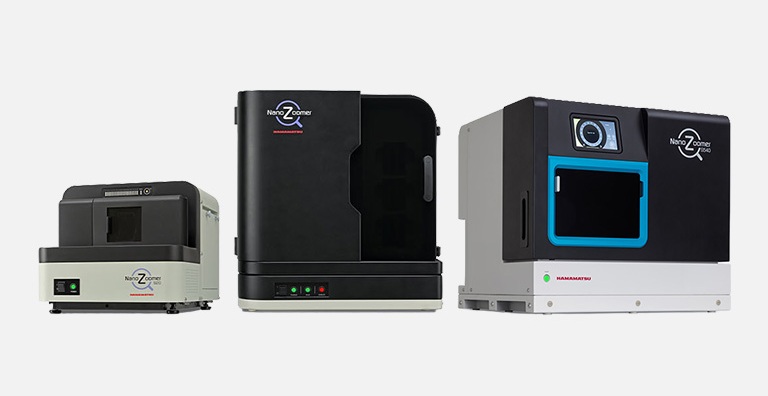
FDA Clearance Expands Digital Pathology Options for Clinical Laboratories
Hamamatsu Photonics K.K. (Hamamatsu, Japan) announced it received 510(k) clearance from the U.S. Food and Drug Administration (FDA) for the NanoZoomer S20MD and NanoZoomer S540MD slide scanner systems.... Read more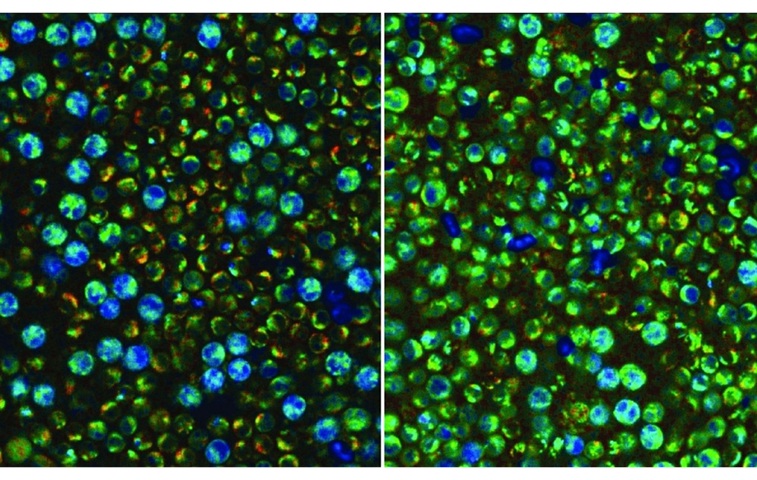
Label-Free Imaging Reveals Hidden Immune Activity in Blood Samples
Peripheral blood mononuclear cells (PBMCs) are widely used to monitor infection, autoimmunity, cancer, and treatment response, yet most assays depend on fluorescent labels that can perturb cells and provide... Read more
Technology
view channel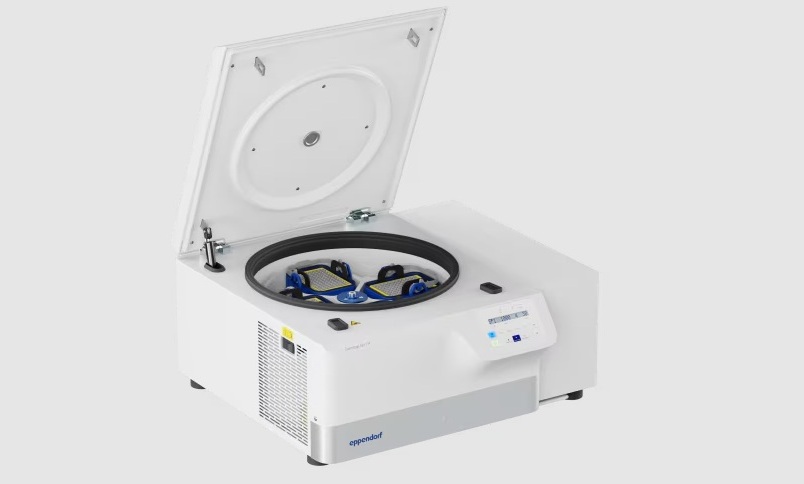
New Multipurpose Centrifuge Combines High Capacity with Sustainable Cooling
Laboratories often need centrifugation that accommodates multiple vessel formats while maintaining controlled temperatures to protect sensitive samples. Intuitive controls and repeatable operation can... Read more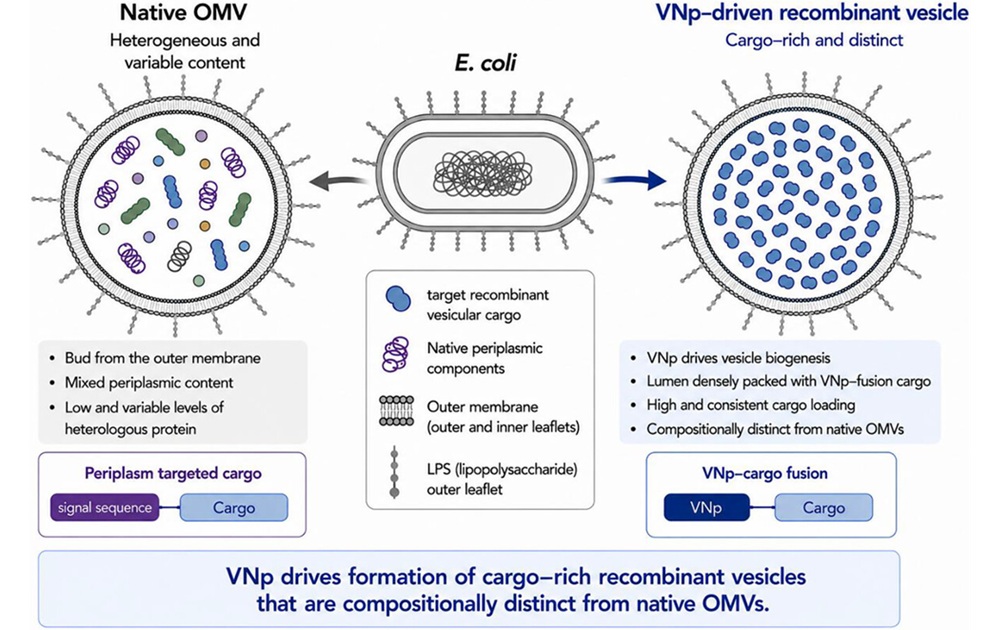
Bacterial Vesicle Expression System Streamlines Production of Cancer Diagnostic Proteins
Recombinant proteins are central to many cancer diagnostics and therapies, but numerous targets remain difficult and costly to produce because they are unstable, toxic to microbial hosts, or require precise folding.... Read more
Industry
view channel
New NHS Partnership Expands Access to Epigenetic CNS Tumor Classifiers
Rapid and accurate classification of central nervous system tumors remains a challenge, particularly in children where histology alone can misclassify aggressiveness and drive overtreatment.... Read more