BioMérieux Spotlights Diagnostic Solutions in Use of Antibiotics
|
By LabMedica International staff writers Posted on 07 Aug 2019 |


|
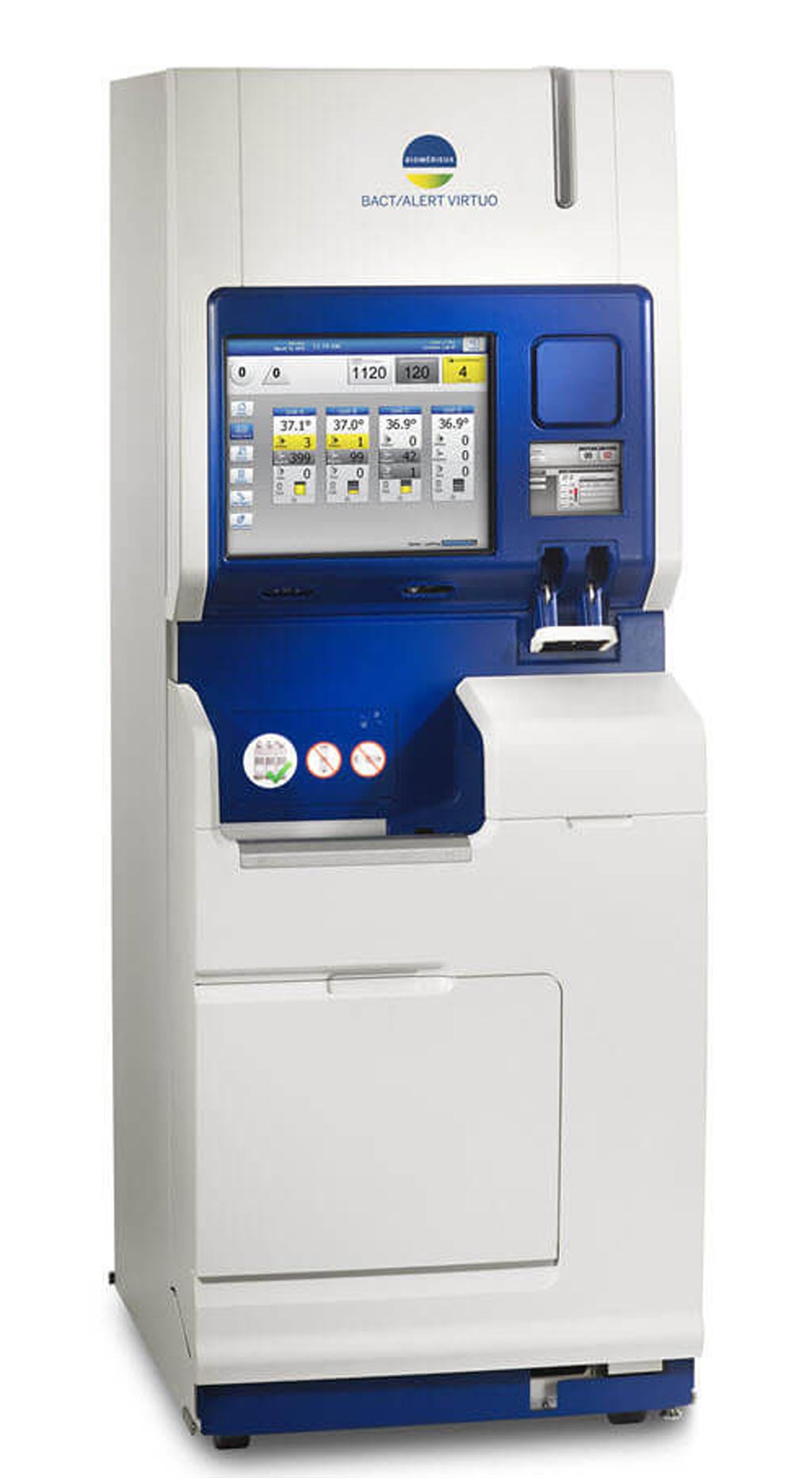
Image: The Bact/Alert Virtuo diagnostic solution (Photo courtesy of BioMérieux).
BioMérieux (Marcy-l'Étoile, France) showcased its unique and comprehensive range of diagnostic solutions that support the responsible use of antibiotics to improve patient care at AACC 2019. Among its diagnostic solutions highlighted at the tradeshow was Bact/Alert Virtuo, which along with bioMérieux’s Bact/Alert Virtuo blood culture system and Bact/Alert Fan Plus media, provides fast and actionable results for better antimicrobial stewardship.
BioMérieux showcased its Vitek 2 automated system consisting of instruments, software, and reagent cards designed for the identification and antimicrobial susceptibility testing of bacteria and yeast. The company also highlighted its Advanced Expert System (AES), which analyzes MIC patterns and detects resistance phenotypes for most organisms tested. Also showcased at the event was bioMérieux’s Vitek MS mass spectrometry microbial identification system that uses MALDI-TOF technology and contains a comprehensive database FDA 510(k) cleared for 401 organisms with 1,316 total organisms to provide highly-accurate identifications.
At AACC 2019, bioMérieux showcased the Vidas 3 fully automated benchtop immunoassay system based on the proven ELFA technology, for specialty testing at the fingertips. Vidas 3 features Vidas B•R•A•H•M•S PCT, which is FDA-cleared to aid in decision-making on antibiotic therapy for patients with sepsis and patients with suspected or confirmed lower respiratory tract infections (LRTI). Other solutions showcased at the event included the Nephrocheck test to gauge the risk of acute kidney injury (AKI) and intervene before damage occurs and the MYLA software which provides a real-time, control-tower overview for blood culture, identification, and antimicrobial susceptibility with flexible, easy-to-generate reports, offering flexible data insights to help drive proactive antimicrobial stewardship and optimal patient management.
BioMérieux also highlighted its AGILIST advanced analytic platform which securely connects and integrates siloed systems into a single source focused on operational efficiency, antimicrobial stewardship and surveillance, analyzing data in real-time, addressing problems, providing reliable information, and improving communications among key stakeholders. Additionally, bioMérieux showcased the PhenoMATRIX for WASPLab that allows labs to take their automated processes to the next level by utilizing artificial intelligence and interpretative algorithms for sample interpretation and automated sorting. PhenoMATRIX evaluates growth on a media plate through user-defined custom rules, allowing staff to spend less time reading plates and focus on those that are positive.






BioMérieux showcased its Vitek 2 automated system consisting of instruments, software, and reagent cards designed for the identification and antimicrobial susceptibility testing of bacteria and yeast. The company also highlighted its Advanced Expert System (AES), which analyzes MIC patterns and detects resistance phenotypes for most organisms tested. Also showcased at the event was bioMérieux’s Vitek MS mass spectrometry microbial identification system that uses MALDI-TOF technology and contains a comprehensive database FDA 510(k) cleared for 401 organisms with 1,316 total organisms to provide highly-accurate identifications.
At AACC 2019, bioMérieux showcased the Vidas 3 fully automated benchtop immunoassay system based on the proven ELFA technology, for specialty testing at the fingertips. Vidas 3 features Vidas B•R•A•H•M•S PCT, which is FDA-cleared to aid in decision-making on antibiotic therapy for patients with sepsis and patients with suspected or confirmed lower respiratory tract infections (LRTI). Other solutions showcased at the event included the Nephrocheck test to gauge the risk of acute kidney injury (AKI) and intervene before damage occurs and the MYLA software which provides a real-time, control-tower overview for blood culture, identification, and antimicrobial susceptibility with flexible, easy-to-generate reports, offering flexible data insights to help drive proactive antimicrobial stewardship and optimal patient management.
BioMérieux also highlighted its AGILIST advanced analytic platform which securely connects and integrates siloed systems into a single source focused on operational efficiency, antimicrobial stewardship and surveillance, analyzing data in real-time, addressing problems, providing reliable information, and improving communications among key stakeholders. Additionally, bioMérieux showcased the PhenoMATRIX for WASPLab that allows labs to take their automated processes to the next level by utilizing artificial intelligence and interpretative algorithms for sample interpretation and automated sorting. PhenoMATRIX evaluates growth on a media plate through user-defined custom rules, allowing staff to spend less time reading plates and focus on those that are positive.

Platinum Member
Automated Coagulation Analyzer
Hemolumi H6
Electrolyte Analyzer
BKE-B
Gold Member
Platelet Function Analyzer
PL-12
Latest AACC 2019 News
- Instrumentation Laboratory Presents New IVD Testing System
- Quidel Welcomes Newest Member of Triage Family
- ERBA Mannheim Unveils Next-Generation Automation
- Roche Demonstrates How Health Networks Are Driving Change in Labs and Beyond
- Thermo Shows New Clinical Innovations
- Randox Launches New Innovations
- Streck Introduces Three New Antibiotic Resistance Detection Kits
- EKF Diagnostics Highlights Assay for Diabetes Patient Monitoring
- Sysmex America Exhibits New Products, Automation and Quality Solutions
- BBI Solutions Showcases Mobile Solutions Capabilities at AACC 2019
- MedTest Dx Releases New Product Line for Drugs of Abuse Testing
- Mesa Biotech Launches Molecular Test System at AACC 2019
- Ortho Clinical Diagnostics Highlights Groundbreaking Lab Technology
- Abbott Diagnostics Exhibits POC Diagnostics Solutions at AACC
- Beckman Coulter Demonstrates Latest Innovations in Lab Medicine
- Orion Diagnostica Showcases Range of Products in Anaheim
Channels
Clinical Chemistry
view channel
Common Kidney Function Tests May Miss CKD in Cancer Patients
Chronic kidney disease (CKD) can complicate cancer care, as reduced kidney filtration may affect treatment eligibility and dosing. In oncology, kidney function assessment often relies on estimated glomerular... Read more
Point-of-Care Blood Biomarker Test Detects Brain Injury Missed by CT
Traumatic brain injury remains difficult to assess in emergency settings because some patients continue to have symptoms despite normal computed tomography findings. Approximately 2.8 million people in the U.... Read more

Molecular Diagnostics
view channel
Updated Framework Guides Assessment of Actionable Cancer Biomarkers
Cancer care increasingly relies on molecular testing to guide targeted treatment selection. Broader use of tumor sequencing has expanded the volume and diversity of biomarker data available to oncologists,... Read more
Genomic Tissue Test Predicts Metastasis and Abiraterone Benefit in High-Risk Prostate Cancer
Prostate cancer is the most common cancer in men, affecting more than 1 million men worldwide in 2013. Its clinical course varies substantially between patients, complicating efforts to identify those... Read more

Hematology
view channel
New Risk-Stratification Tool Predicts Relapse After Blinatumomab in Childhood ALL
Acute lymphoblastic leukemia in children and young people requires careful assessment of relapse risk, particularly as treatment approaches move beyond standard chemotherapy. Traditional relapse predictors... Read more
New Myelofibrosis Guidelines Recommend Expanded Genetic Testing at Diagnosis
Myelofibrosis is a rare, life-threatening blood cancer affecting up to six per 100,000 people. The disease causes scarring in the bone marrow, limiting the production of healthy blood cells and potentially... Read more

Immunology
view channel
Antibody Profiling Predicts Inflammatory Bowel Disease Years Before Diagnosis
Inflammatory bowel disease (IBD), which includes Crohn’s disease and ulcerative colitis, involves abnormal immune responses that cause persistent inflammation and damage in the digestive system.... Read more
Immune Profiling Initiative Aims to Improve Bone Marrow Analysis in Leukemia
Acute myeloid leukemia (AML) is an aggressive blood cancer in which assessing disease burden after therapy can help guide clinical evaluation. Patients with measurable residual disease (MRD) after treatment... Read more
Immune Profiling Identifies Early Maternal Autoantibodies Linked to Preterm Birth Risk
A typical pregnancy lasts about 40 weeks, but labor begins prematurely in roughly one in 10 pregnancies. Preterm birth is the leading cause of newborn death worldwide, yet its underlying causes and which... Read more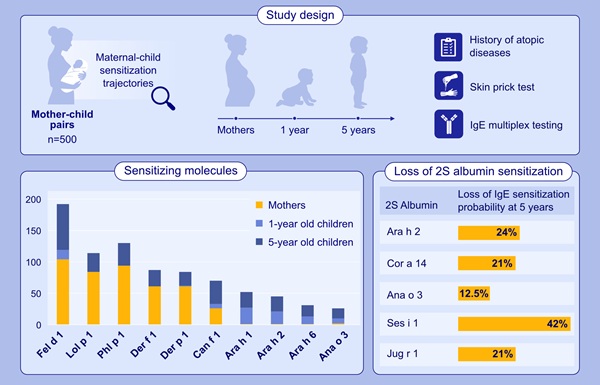
Longitudinal Blood Testing Reveals Changes in Allergen Sensitization During Childhood
Food allergy is a major childhood health concern, and distinguishing persistent risk from transient sensitization can guide clinical decisions. Specific IgE antibodies may be detectable even when a child... Read moreMicrobiology
view channel
Decentralized Laboratory Network Improves Detection of Viral Hemorrhagic Fevers in Guinea
Viral hemorrhagic fevers remain a major diagnostic challenge in West Africa because their early symptoms can resemble those of other febrile illnesses. The 2014–2016 Ebola epidemic underscored the need... Read more
Molecular Panel Gains WHO Emergency Use Listing to Support Ebola Outbreak Response
The ongoing Ebola Bundibugyo outbreak in the Democratic Republic of the Congo and neighboring countries has become one of the largest outbreaks of this Ebola virus species recorded to date.... Read more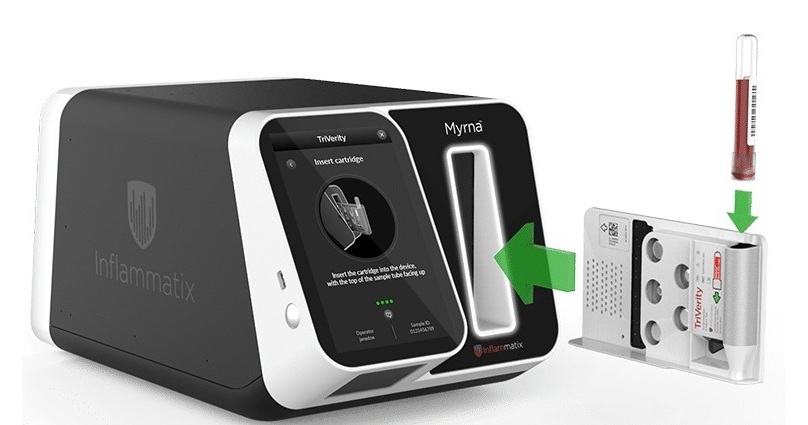

Pathology
view channel
Digital Pathology Test Stratifies Recurrence Risk in Early Breast Cancer
In hormone receptor-positive, human epidermal growth factor receptor 2 (HER2)-negative early breast cancer, accurate recurrence-risk assessment helps guide treatment decisions. However, individual risks... Read more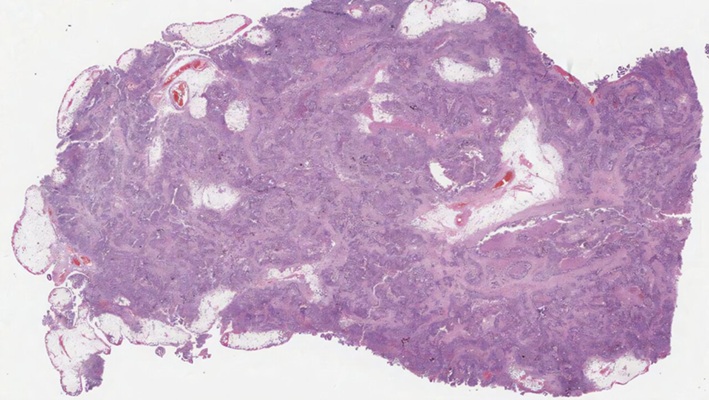
AI Pathology Tool Predicts DNA Repair Deficiency in High-Grade Serous Ovarian Cancer
High-grade serous tubo-ovarian carcinoma is an aggressive cancer arising in the ovaries or fallopian tubes. Some tumors exhibit homologous recombination deficiency (HRD), a feature reflecting impaired DNA repair.... Read more

Technology
view channel
Compact PCR Thermal Cycler Launches for Routine Molecular Laboratory Workflows
Molecular laboratories rely on nucleic acid analysis to detect molecular information accurately and reproducibly across a wide range of applications. Supporting these routine workflows, a newly launched... Read more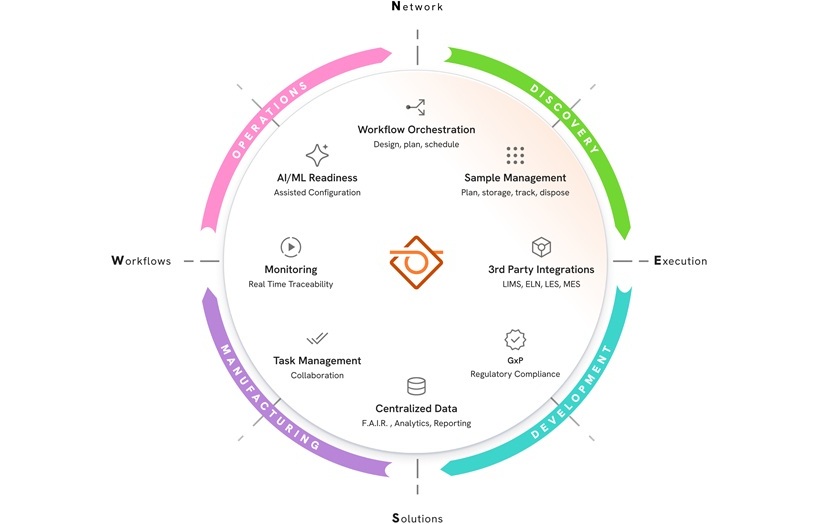
New AI-Powered System Aims to Streamline Laboratory and Manufacturing Workflows
Scientific laboratories supporting drug development, biotechnology, and materials research increasingly rely on coordinated digital workflows to move data, samples, and activities across teams.... Read more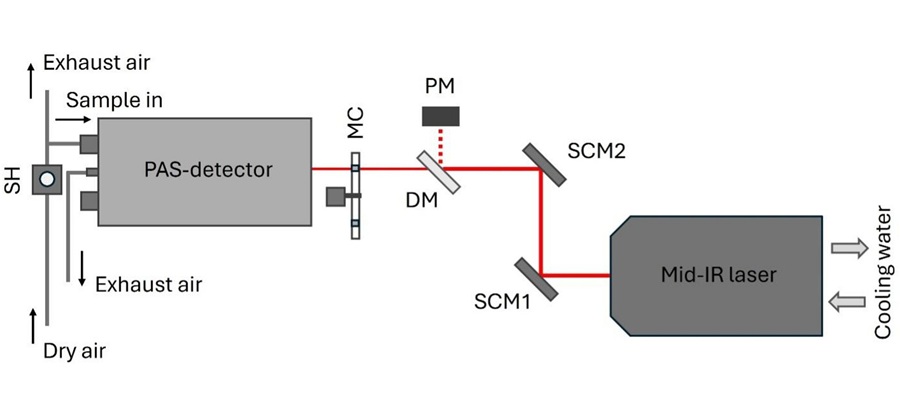
Industry
view channel
Collaboration Brings Tumor-Informed MRD Monitoring to Breast Cancer Care in Abu Dhabi
For many patients, cancer treatment does not eliminate the risk of recurrence, which may occur months or years later and become harder to treat after spreading. Recurrence is often detected only after... Read more