Nanobodies Facilitate Studies of Enzyme Substrate Interactions
|
By LabMedica International staff writers Posted on 29 Jun 2016 |


|
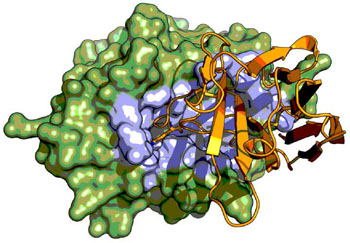
Image: The figure depicts the X-ray crystal structure of the serine protease urokinase-type plasminogen activator (green) in complex with a Camelid antibody fragment (orange). The Camelid antibody fragment (nanobody) displays an unusual inhibitory mechanism by binding to the active site region (highlighted in blue) of the serine protease where it mimics the binding of substrate (Photo courtesy of Dr. Tobias-Kromann-Hansen, Aarhus University).
The unusual crystal structure of a nanobody in complex with a serine protease enzyme was established by X-ray crystallography.
Serine proteases (or serine endopeptidases) are enzymes that cleave peptide bonds in proteins, in which serine serves as the nucleophilic amino acid at the (enzyme's) active site. Serine proteases fall into two broad categories based on their structure: chymotrypsin-like (trypsin-like) or subtilisin-like. In humans, they are responsible for coordinating various physiological functions, including digestion, immune response, blood coagulation, and reproduction.
A peptide segment that binds the active site of a serine protease in a substrate-like manner may behave like an inhibitor or a substrate. However, there is little information on which factors determine which behavior a particular peptide segment will exhibit. To clarify this matter, investigators at Aarhus University (Denmark) determined the X-ray crystal structure of a nanobody in complex with a serine protease.
A nanobody (a single-domain antibody developed by the biotech firm Ablynx (Ghent, Belgium) is an antibody fragment consisting of a single monomeric variable antibody domain. Like a whole antibody, it is able to bind selectively to a specific antigen. With a molecular weight of only 12–15 kDa, single-domain antibodies are much smaller than common antibodies (150–160 kDa), which are composed of two heavy protein chains and two light chains, and even smaller than Fab fragments (approximately 50 kDa, one light chain and half a heavy chain) and single-chain variable fragments (approximately 25 kDa, two variable domains, one from a light and one from a heavy chain).
Single-domain antibodies from Camelids (camels, dromedaries, llamas, and their close relatives) have been shown to be just as specific as a regular antibody and in some cases they are more robust. They are easily isolated using the same phage panning procedure used for traditional antibodies, allowing them to cultured in vitro in large concentrations. The smaller size and single domain make these antibodies easier to manufacture in bulk in bacterial cells, making them ideal for research purposes.
The investigators reported in the May 23, 2016, online edition of the Journal of Biological Chemistry that the X-ray crystal structure of the nanobody-serine protease complex revealed that the nanobody displayed a new type of interaction, as it inserted its CDR-H3 loop into the active site of the protease in a substrate-like manner. The unique binding mechanism caused the nanobody to behave as a strong inhibitor as well as a poor substrate. The substrate behavior was incomplete, as 30-40% of the nanobody remained intact and inhibitory after prolonged incubation with the serine protease urokinase (uPA). Biochemical analysis revealed that an intra-loop interaction network within the CDR-H3 of the nanobody balanced its inhibitor versus substrate behavior.
Collectively, these results revealed molecular factors, which may be a general mechanism to determine the substrate versus inhibitor behavior of other protease inhibitors.
Related Links:
Aarhus University
Ablynx






Serine proteases (or serine endopeptidases) are enzymes that cleave peptide bonds in proteins, in which serine serves as the nucleophilic amino acid at the (enzyme's) active site. Serine proteases fall into two broad categories based on their structure: chymotrypsin-like (trypsin-like) or subtilisin-like. In humans, they are responsible for coordinating various physiological functions, including digestion, immune response, blood coagulation, and reproduction.
A peptide segment that binds the active site of a serine protease in a substrate-like manner may behave like an inhibitor or a substrate. However, there is little information on which factors determine which behavior a particular peptide segment will exhibit. To clarify this matter, investigators at Aarhus University (Denmark) determined the X-ray crystal structure of a nanobody in complex with a serine protease.
A nanobody (a single-domain antibody developed by the biotech firm Ablynx (Ghent, Belgium) is an antibody fragment consisting of a single monomeric variable antibody domain. Like a whole antibody, it is able to bind selectively to a specific antigen. With a molecular weight of only 12–15 kDa, single-domain antibodies are much smaller than common antibodies (150–160 kDa), which are composed of two heavy protein chains and two light chains, and even smaller than Fab fragments (approximately 50 kDa, one light chain and half a heavy chain) and single-chain variable fragments (approximately 25 kDa, two variable domains, one from a light and one from a heavy chain).
Single-domain antibodies from Camelids (camels, dromedaries, llamas, and their close relatives) have been shown to be just as specific as a regular antibody and in some cases they are more robust. They are easily isolated using the same phage panning procedure used for traditional antibodies, allowing them to cultured in vitro in large concentrations. The smaller size and single domain make these antibodies easier to manufacture in bulk in bacterial cells, making them ideal for research purposes.
The investigators reported in the May 23, 2016, online edition of the Journal of Biological Chemistry that the X-ray crystal structure of the nanobody-serine protease complex revealed that the nanobody displayed a new type of interaction, as it inserted its CDR-H3 loop into the active site of the protease in a substrate-like manner. The unique binding mechanism caused the nanobody to behave as a strong inhibitor as well as a poor substrate. The substrate behavior was incomplete, as 30-40% of the nanobody remained intact and inhibitory after prolonged incubation with the serine protease urokinase (uPA). Biochemical analysis revealed that an intra-loop interaction network within the CDR-H3 of the nanobody balanced its inhibitor versus substrate behavior.
Collectively, these results revealed molecular factors, which may be a general mechanism to determine the substrate versus inhibitor behavior of other protease inhibitors.
Related Links:
Aarhus University
Ablynx

Gold Member
Quantitative POC Immunoassay Analyzer
EASY READER+
New
CMV CLIA Diagnostic
CLIA CMV IgA Screen Group
New
All-in-One Molecular System
AIO M160
Latest BioResearch News
- Hidden 'Jumping Gene' Variant Linked to Higher Pancreatic Cancer Risk
- Common White Blood Cells Produce Schizophrenia-Linked Protein
- Nanopore Method Captures RNA Folding at Single-Molecule Resolution
- Tumor Microenvironment Marker Linked to Worse Survival in Solid Tumors
- Hidden Immune Gene Defect May Explain Kaposi Sarcoma Susceptibility
- Genetic Markers May Help Predict Amputation Risk in Peripheral Artery Disease
- Gene Signature Shows Promise for Depression Biomarker Testing
- AI-Driven Tumor Profiling Initiative Targets Precision Therapy Development
- Researchers Map Protein and Glycosylation Across 15 Human Body Fluids
- Telomere Length Abnormalities Linked to Lymphoma Development
- Biomarker Signals Chemotherapy Resistance in Relapsed Small Cell Lung Cancer
- Inflammatory Gene Signature Links Metabolic Disease to Pancreatic Cancer Recurrence
- Study Links Abnormal Gene Splicing to Treatment Response in Metastatic Kidney Cancer
- Research Reveals How Some Aplastic Anemia Patients Recover Bone Marrow Function
- New Molecular Insights Support Diagnosis of Hodgkin Lymphoma
- Epigenetic Signals and Blood Markers Aid Chronic Fatigue Syndrome Diagnosis
Channels
Clinical Chemistry
view channel
New CA19-9 Cutoff Value Helps Identify High-Risk Pancreatic Cancer Patients
Pancreatic ductal adenocarcinoma (PDAC) is frequently diagnosed at an advanced stage and remains one of the most lethal solid tumors. Clinicians commonly use serum carbohydrate antigen 19-9 (CA19-9) to... Read more
Blood-Based Biomarkers Show Promise for Psychosis Risk Prediction
Psychosis commonly emerges in adolescence or early adulthood and can severely disrupt social and occupational functioning. Hallucinations, delusions, and disorganized thinking often evolve gradually, hindering... Read more

Molecular Diagnostics
view channel
FDA Approves Expanded Liquid Biopsy Panel for Advanced Cancer Profiling
Timely, comprehensive tumor profiling helps clinicians make treatment selection decisions for patients with advanced cancer. Blood-based approaches can provide actionable insights from a simple draw and... Read more
Microbial Saliva Test Could Help Triage Esophageal Cancer Risk
Esophageal squamous cell carcinoma (ESCC) is highly lethal, partly because many patients are diagnosed only after swallowing becomes difficult and treatment options are largely palliative.... Read more
Expanded DPYD Genotyping Test Supports Safer Chemotherapy Dosing
Fluoropyrimidines such as 5-fluorouracil (5-FU) are chemotherapy drugs prescribed to more than two million cancer patients each year, but 10–20% of patients can experience severe, and sometimes fatal,... Read more
Multi-Omics Profiling Helps Predict BCG Response and Recurrence in Bladder Cancer
High-risk non–muscle-invasive bladder cancer frequently recurs after therapy, with about 30% of patients relapsing and roughly 10% dying within two years despite tumor resection, surveillance, and Bacillus... Read moreHematology
view channel
Higher Ferritin Threshold May Improve Iron Deficiency Detection in Children
Iron deficiency in school-age children can affect brain development, learning, growth, and physical performance, yet early deficiency may be missed when screening focuses mainly on anemia.... Read more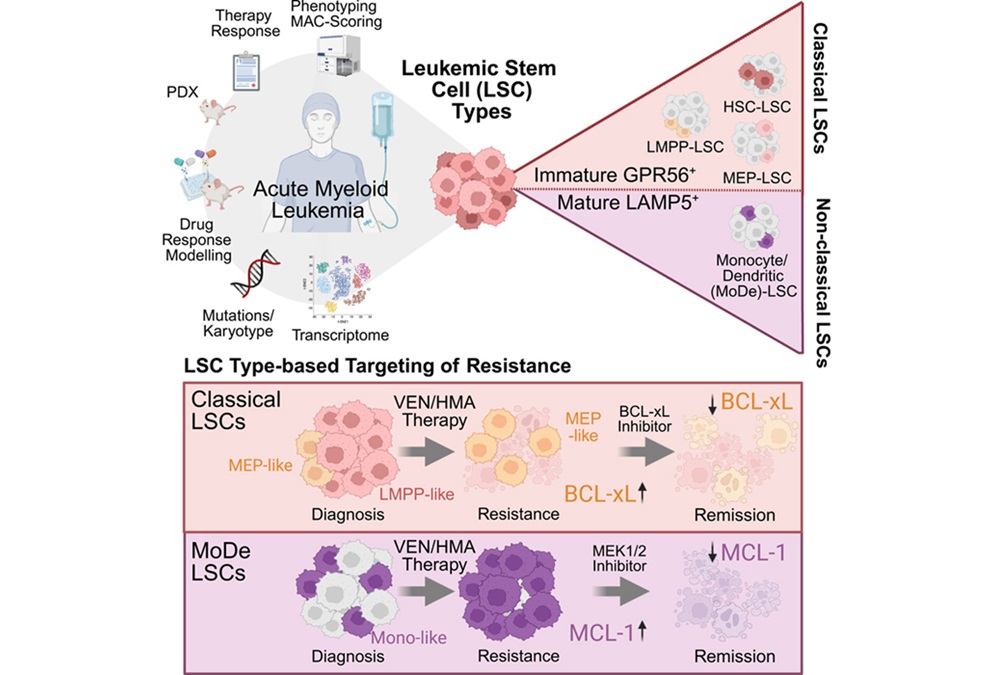
Stem Cell Biomarkers May Guide Precision Treatment in Acute Myeloid Leukemia
Acute myeloid leukemia (AML) is an aggressive blood cancer that most often affects older adults and still carries a poor prognosis despite therapeutic advances. Venetoclax-based regimens have improved... Read more

Immunology
view channel
Immune Enzyme Linked to Treatment-Resistant Inflammatory Bowel Disease
Inflammatory bowel disease (IBD) affects nearly 3 million people in the United States and its prevalence continues to rise. Medications that target tumor necrosis factor (TNF)-alpha are widely used, but... Read more
Simple Blood Test Could Replace Biopsies for Lung Transplant Rejection Monitoring
Lung transplant recipients face some of the highest rates of acute cellular rejection, and routine surveillance often relies on repeated surgical biopsies. These procedures can cause complications such... Read more

Microbiology
view channel
New AMR Assay Supports Rapid Infection Control Screening in Hospitals
As antimicrobial resistance spreads worldwide, healthcare-associated infections are placing a growing burden on hospitals, increasing the need for faster and broader diagnostic solutions.... Read more
Diagnostic Gaps Complicate Bundibugyo Ebola Outbreak Response in Congo
In eastern Democratic Republic of the Congo, communities are confronting a resurgence of Bundibugyo ebolavirus, a rarer species for which no vaccines or treatments have been approved. Ebola is a highly... Read more
Study Finds Hidden Mpox Infections May Drive Ongoing Spread
Mpox continues to circulate despite vaccination, and many cases show no known link to a symptomatic partner. The role of people without symptoms has remained uncertain, limiting clarity on how transmission persists.... Read more
Large-Scale Genomic Surveillance Tracks Resistant Bacteria Across European Hospitals
Antimicrobial resistance (AMR) poses a growing threat to patient safety, with carbapenem-resistant Enterobacterales causing difficult-to-treat infections and leaving clinicians with limited therapeutic options.... Read morePathology
view channel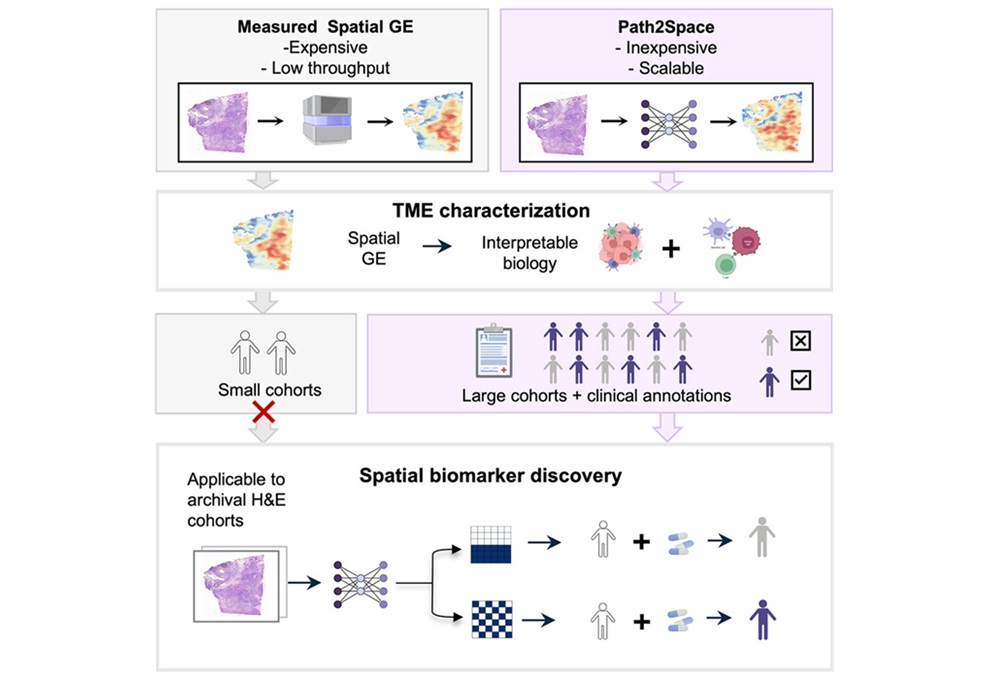
Rapid AI Tool Predicts Cancer Spatial Gene Expression from Pathology Images
Gene expression profiling can inform tumor biology and treatment selection, but spatial assays remain costly and time-consuming. Results can take weeks and cost thousands of dollars, limiting large-scale... Read more
AI Pathology Test Receives FDA Breakthrough for Bladder Cancer Risk Stratification
Non–muscle invasive bladder cancer has highly variable outcomes, complicating surveillance and treatment planning. Risk assessment typically relies on stage, grade, and tumor size, leaving uncertainty... Read more
Technology
view channel
AI-Enabled Assistant Unifies Molecular Workflow Planning and Support
Clinical laboratories and research groups face increasingly complex molecular workflows and expanding technical documentation spread across multiple systems. Fragmented digital tools can slow experiment... Read more
AI Tool Automates Validation of Laboratory Software Configuration Changes
Regulated laboratories face heavy documentation and requalification demands when software configurations change, slowing improvements and discouraging beneficial updates. A new capability now automates... Read more
Industry
view channel
Strategic Collaboration Advances RNA Foundation Models for Precision Oncology
Bulk RNA sequencing is increasingly used to study tumor biology, but standard analyses often reduce results to gene-level summaries that miss important transcript variants and mutation patterns.... Read more