Biomarker Signals Chemotherapy Resistance in Relapsed Small Cell Lung Cancer
Posted on 08 May 2026
Small cell lung cancer (SCLC) is an aggressive malignancy that often responds to initial chemotherapy but commonly relapses, creating an urgent need for reliable resistance biomarkers. Pinpointing molecular changes that emerge only after treatment could help laboratories characterize residual disease and guide testing strategies. Understanding which subpopulations survive cytotoxic exposure is central to monitoring tumor evolution. New findings now show that a distinct treatment-resistant tumor cell population may serve as a marker of chemotherapy-resistant disease in relapsed SCLC.
The University of Texas MD Anderson Cancer Center (Houston, TX, USA) identified YAP1-expressing tumor cells as a biomarker linked to treatment resistance in relapsed SCLCr. The team observed that YAP1 functions as a key activator of signaling that promotes cell proliferation while inhibiting apoptosis, allowing surviving cells to become more invasive after chemotherapy. The work indicates that YAP1 expression emerges during or after treatment rather than defining an untreated tumor subtype.
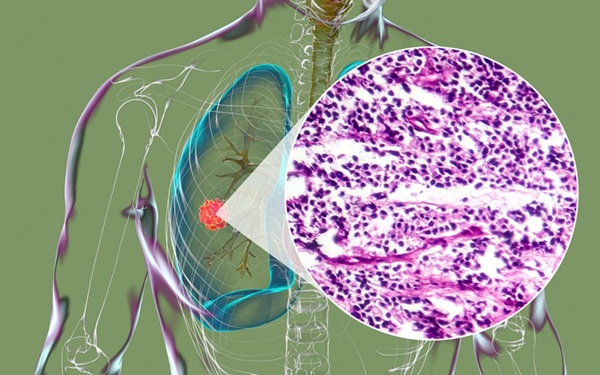
According to the authors, untreated SCLC samples show little to no YAP1 expression, whereas YAP1-positive populations appear primarily after chemotherapy alongside clinical relapse. Multi-omics analyses supported this pattern and suggested that high YAP1 expression can flag chemotherapy-resistant cell populations. The researchers noted that YAP1 expression in relapse samples is often, but not always, present.
The study was published in the Journal of Thoracic Oncology. The authors proposed evaluating additional therapeutic strategies, such as antibody-drug conjugates and T cell engagers, to determine whether YAP1 emergence is a common consequence of treatment resistance across modalities. The findings underscore the potential diagnostic value of tracking YAP1 as laboratories assess post-therapy tumor biology.
“These findings highlight YAP1-expressing cells as biomarkers of chemotherapy resistance in SCLC. This brings us another step closer to understanding the mechanisms behind why patients continue to relapse so that we can better adapt our diagnostic and therapeutic strategies to improve patient outcomes,” said Carl Gay, M.D., Ph.D., associate professor of Thoracic/Head and Neck Medical Oncology, The University of Texas MD Anderson Cancer Center.
Related Links
The University of Texas MD Anderson Cancer Center