Drug Resistance Testing Is Essential for TB Prognosis
|
By LabMedica International staff writers Posted on 08 Sep 2010 |


|
Tuberculosis is diagnosed in the laboratory by staining sputum smears with the Ziehl-Neelsen acid-fast stain.
However, multi-drug-resistant tubercle bacilli (MDR-TB) cannot be identified by this method. The standard way to test for drug susceptibility is by culturing the bacteria Mycobacterium tuberculosis on Löwenstein-Jensen (LJ) or by the microscopic observation drug susceptibility (MODS) assay.
A study on MDR-TB with 93 participants in a larger study of directly observed therapy was conducted at the Imperial College London (London, UK). The median time for smears and cultures to turn negative was 17.5 days and 38.5 days, respectively. Most patients (90%) were smear-negative by 47.5 days and culture-negative by 93 days. In Peru, for example, the authors found that only 25% of patients with culture-positive MDR-TB were sputum smear-positive after two months of anti-tuberculosis treatment.
The authors point out that when treatment began, 66.7% of patients with culture-positive MDR-TB had positive sputum smears. After two months of treatment, only 25% had positive smears, and after four months, only 20% were smear-positive.
However, more than half of MDR patients remained culture positive even after six months of treatment. Overall, among patients who remained culture positive after two months of directly observed treatment, only 18.8% were sputum smear positive. Persistent smear positivity at day 60 is a poor predictor of MDR and thus not a good surrogate for drug susceptibility testing.
David A. Moore, M.D., the senior author of the study, said, "The industrialized-world convention of universal baseline drug sensitivity testing for tuberculosis patients should become the standard of care in multidrug resistance-affected resource-limited settings. Patients are more infectious on treatment than we previously believed, even when they are on the right treatment." This is important in developing countries where diagnosis of drug resistance is delayed due to lack of drug sensitivity testing and patients remain infectious for longer periods.
The study, published in August 2010 in Clinical Infectious Diseases demonstrates that patients with TB who have fully susceptible disease remain sputum culture positive for much longer than is conventionally believed, regardless of baseline smear status. The influence of baseline sputum bacillary load on smear and culture conversion is relatively minor except at very high smear positivity. Conversion from smear or culture positivity to negativity is significantly delayed by both MDR and resistance that is not MDR, but the relative importance varies, depending on the drug susceptibility test method used to define resistance.
Related Links:
Imperial College London




However, multi-drug-resistant tubercle bacilli (MDR-TB) cannot be identified by this method. The standard way to test for drug susceptibility is by culturing the bacteria Mycobacterium tuberculosis on Löwenstein-Jensen (LJ) or by the microscopic observation drug susceptibility (MODS) assay.
A study on MDR-TB with 93 participants in a larger study of directly observed therapy was conducted at the Imperial College London (London, UK). The median time for smears and cultures to turn negative was 17.5 days and 38.5 days, respectively. Most patients (90%) were smear-negative by 47.5 days and culture-negative by 93 days. In Peru, for example, the authors found that only 25% of patients with culture-positive MDR-TB were sputum smear-positive after two months of anti-tuberculosis treatment.
The authors point out that when treatment began, 66.7% of patients with culture-positive MDR-TB had positive sputum smears. After two months of treatment, only 25% had positive smears, and after four months, only 20% were smear-positive.
However, more than half of MDR patients remained culture positive even after six months of treatment. Overall, among patients who remained culture positive after two months of directly observed treatment, only 18.8% were sputum smear positive. Persistent smear positivity at day 60 is a poor predictor of MDR and thus not a good surrogate for drug susceptibility testing.
David A. Moore, M.D., the senior author of the study, said, "The industrialized-world convention of universal baseline drug sensitivity testing for tuberculosis patients should become the standard of care in multidrug resistance-affected resource-limited settings. Patients are more infectious on treatment than we previously believed, even when they are on the right treatment." This is important in developing countries where diagnosis of drug resistance is delayed due to lack of drug sensitivity testing and patients remain infectious for longer periods.
The study, published in August 2010 in Clinical Infectious Diseases demonstrates that patients with TB who have fully susceptible disease remain sputum culture positive for much longer than is conventionally believed, regardless of baseline smear status. The influence of baseline sputum bacillary load on smear and culture conversion is relatively minor except at very high smear positivity. Conversion from smear or culture positivity to negativity is significantly delayed by both MDR and resistance that is not MDR, but the relative importance varies, depending on the drug susceptibility test method used to define resistance.
Related Links:
Imperial College London

Gold Member
Automatic Hematology Analyzer
CF9600
All-in-One Molecular System
AIO M160
Immunofluorescence Analyzer
IFA System
Latest Microbiology News
- Automated Blood Culture System Speeds Detection of Bloodstream Infections
- New Culture Medium Speeds C. difficile Resistance Detection and Reduces Costs
- Gut Microbiome Signatures Help Identify Risk of IBD Progression
- FDA-Cleared Gastrointestinal Panel Detects 24 Pathogen Targets
- New AMR Assay Supports Rapid Infection Control Screening in Hospitals
- Diagnostic Gaps Complicate Bundibugyo Ebola Outbreak Response in Congo
- Study Finds Hidden Mpox Infections May Drive Ongoing Spread
- Large-Scale Genomic Surveillance Tracks Resistant Bacteria Across European Hospitals
- Molecular Urine and Stool Tests Do Not Improve Early TB Treatment in Hospitalized HIV Patients
- Rapid Antigen Biosensor Detects Active Tuberculosis in One Hour
- Label-Free Microscopy Method Enables Faster, Quantitative Detection of Malaria
- Oral–Gut Microbiome Signatures Identify Early Gastric Cancer
- Gut Microbiome Test Predicts Melanoma Recurrence After Surgery
- Rapid Blood-Culture Susceptibility Panel Expands Coverage for Gram-Negative Infections
- Antibiotic Resistance Genes Found in Newborns Within Hours of Birth
- Rapid Color Test Stratifies Virulent and Resistant Staph Strains
Channels
Clinical Chemistry
view channel
Urinary Biomarker Assay Predicts Kidney Disease Progression Beyond Standard Measures
Many patients with type 2 diabetes and chronic kidney disease continue to experience progressive renal decline, yet conventional markers such as albuminuria and estimated glomerular filtration rate (eGFR)... Read more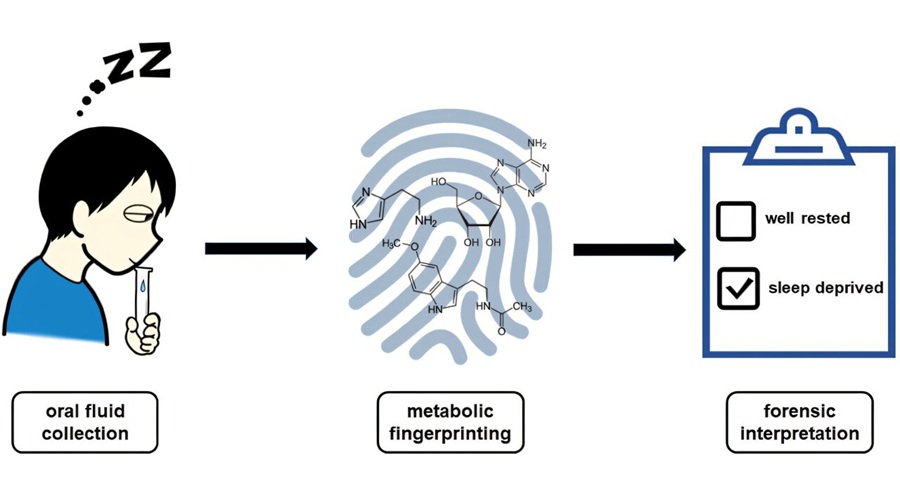
Saliva-Based Test Detects Biochemical Signs of Sleep Loss
Acute sleep loss impairs cognition and motor skills, raising safety risks that resemble alcohol intoxication. Clinicians currently lack an objective biochemical test to determine when someone is dangerously... Read more
Simple Dual-Tau Blood Test Detects and Stages Alzheimer’s Disease
Alzheimer’s disease is typically confirmed and staged with positron emission tomography scans and cerebrospinal fluid testing, procedures that are costly and invasive. Broader access to minimally invasive... Read more
Alzheimer’s Blood Biomarkers Linked to Early Cognitive Differences Before Dementia
Blood-based screening for Alzheimer’s disease offers a noninvasive, lower-cost alternative to brain imaging or spinal fluid testing, yet its ability to flag the earliest cognitive changes has been unclear.... Read moreMolecular Diagnostics
view channel
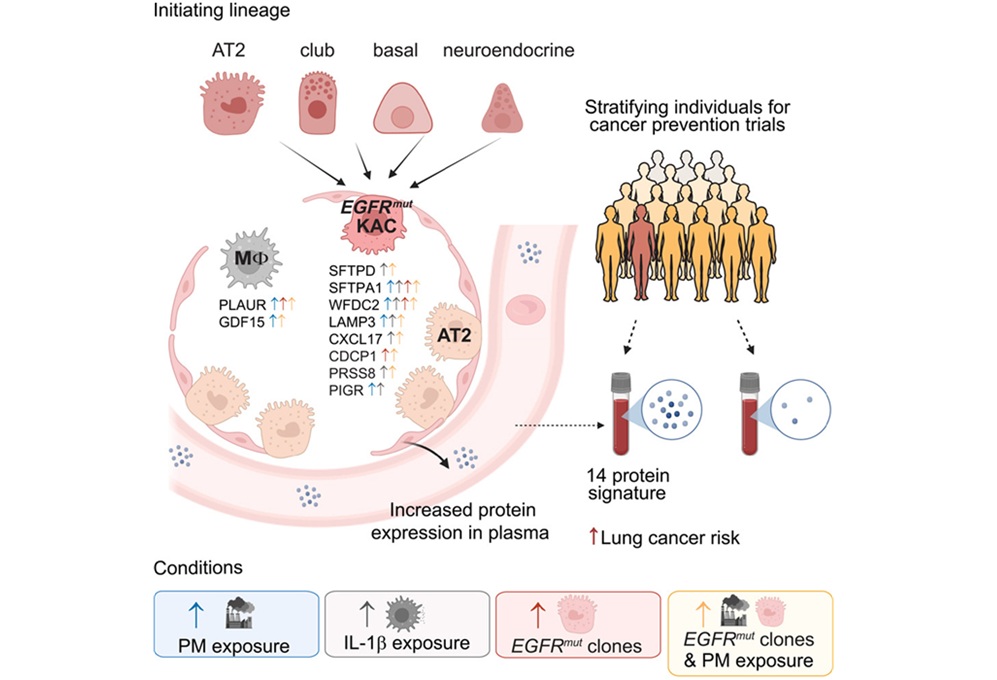
Blood-Based RNA Test May Predict Chemotherapy Sensitivity in Lung Cancer
Lung cancer care increasingly relies on biomarker-guided patient stratification, but tissue biopsy can be impractical and treatment selection remains difficult for many patients. Blood-based assays that... Read more
Blood Test Predicts Immunotherapy Response in Head and Neck Cancer
Head and neck squamous cell carcinoma affects hundreds of thousands of people worldwide each year, yet response rates to immunotherapy remain low. Clinicians lack reliable, minimally invasive tools to... Read more
Hematology
view channel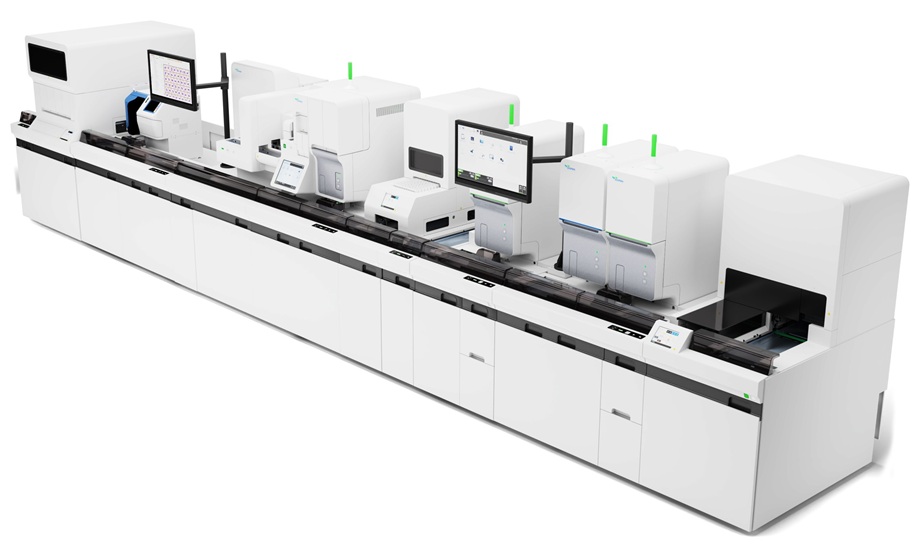
Next-Generation Hematology Platform Streamlines High-Complexity Lab Workflows
Sysmex America (Chicago, IL, USA) has introduced the next generation XR-Series, centered on the XR-10 Automated Hematology Module for high-complexity laboratories. The platform builds on the widely used... Read more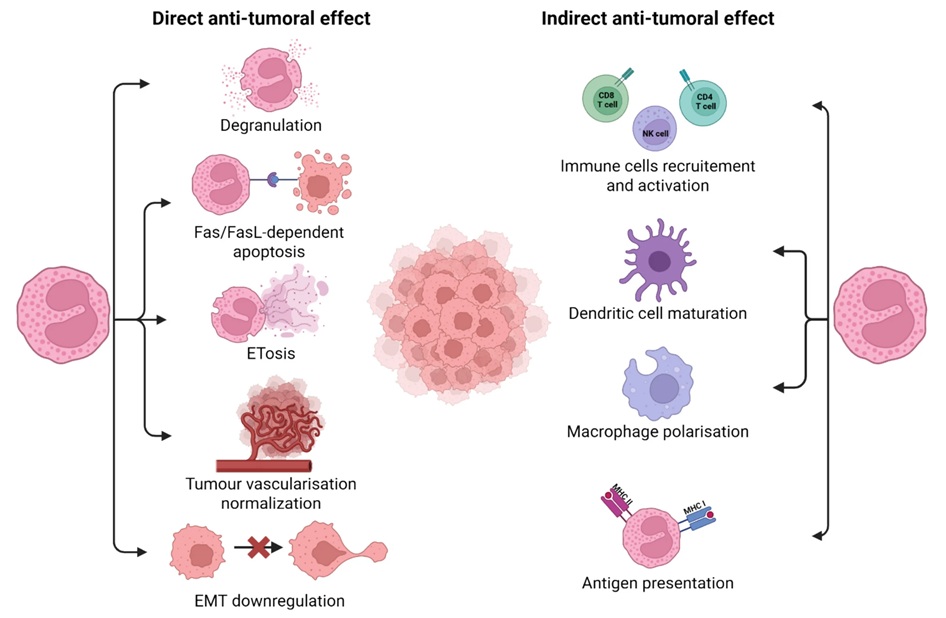
Blood Eosinophil Count May Predict Cancer Immunotherapy Response and Toxicity
Immune checkpoint inhibitors have improved outcomes across many cancers, yet only a subset of patients derive durable benefit and biomarkers to guide treatment remain limited. Eosinophils, best known for... Read more
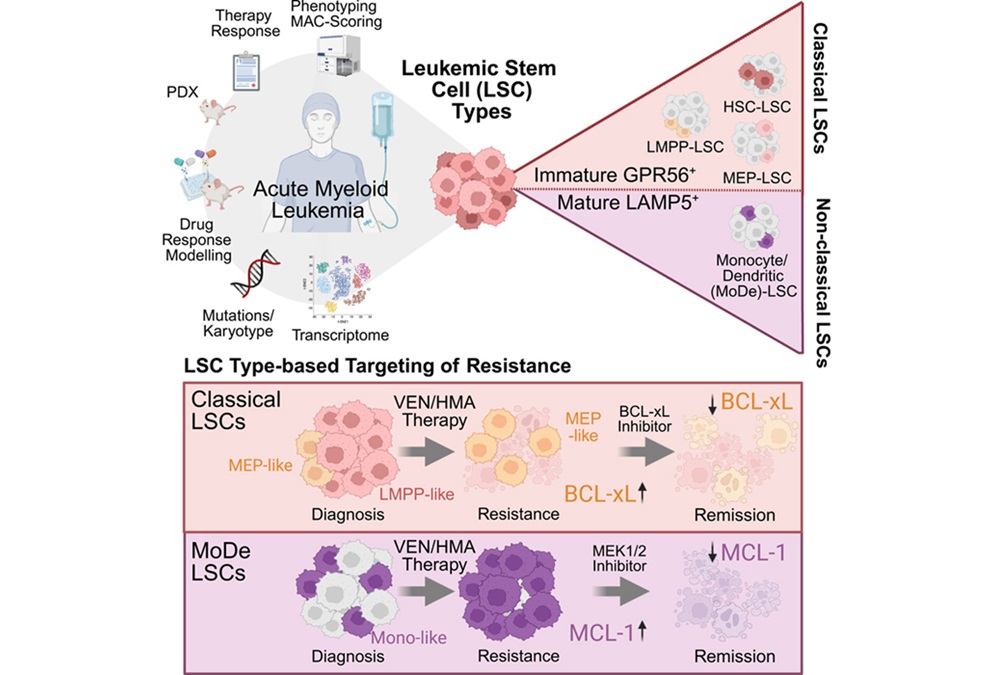
Immunology
view channel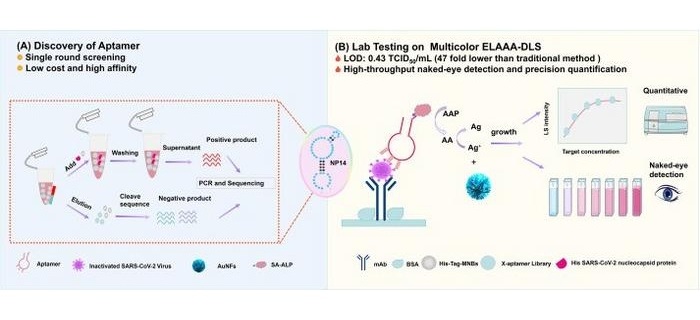
Aptamer-Based Biosensor Enables Mutation-Resilient SARS-CoV-2 Detection
Rapid evolution of severe acute respiratory syndrome coronavirus 2 (SARS-CoV-2) can undermine existing molecular diagnostics, especially when assays target small viral components. Double-antibody sandwich... Read more
Study Points to Autoimmune Pathway Behind Long COVID Symptoms
Long COVID leaves many SARS-CoV-2 survivors with persistent fatigue, cognitive issues, palpitations, and musculoskeletal pain for months or years. Estimates cited in new research suggest 4%–20% of infected... Read more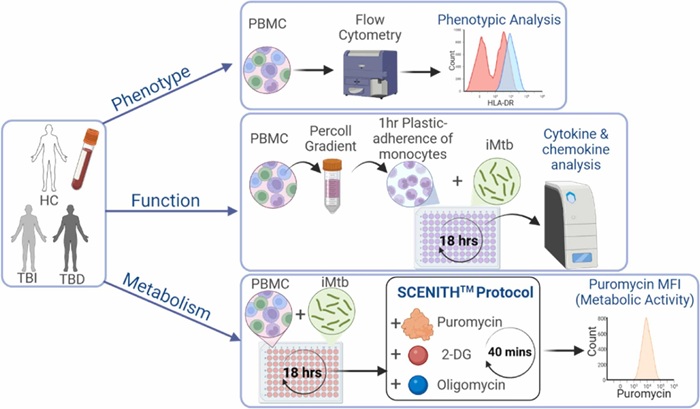
Metabolic Biomarker Distinguishes Latent from Active Tuberculosis and Tracks Treatment Response
Tuberculosis (TB) remains the world’s leading infectious killer, with 10.8 million cases and 1.25 million deaths recorded globally in 2023. Yet many infected individuals never develop active disease, underscoring... Read more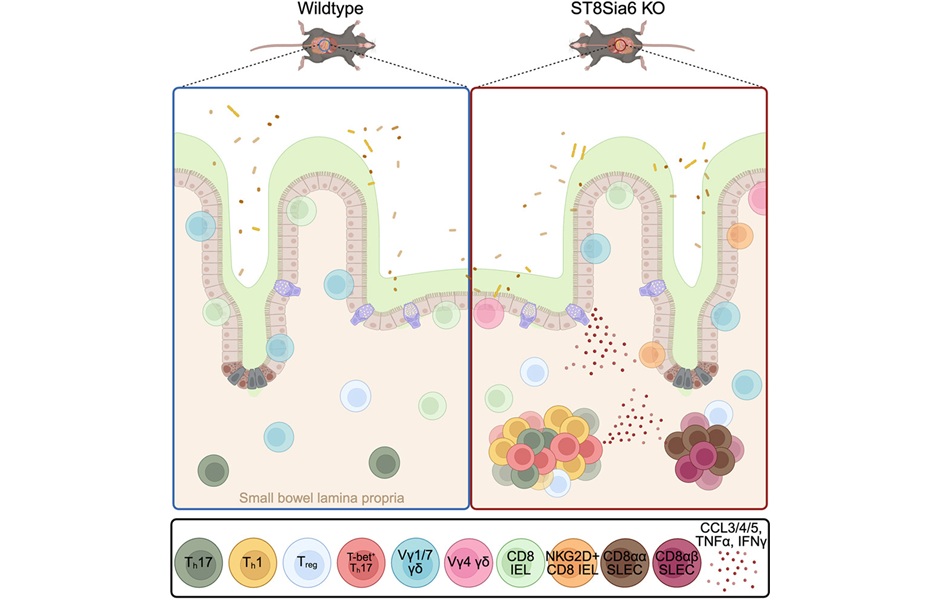
Pathology
view channel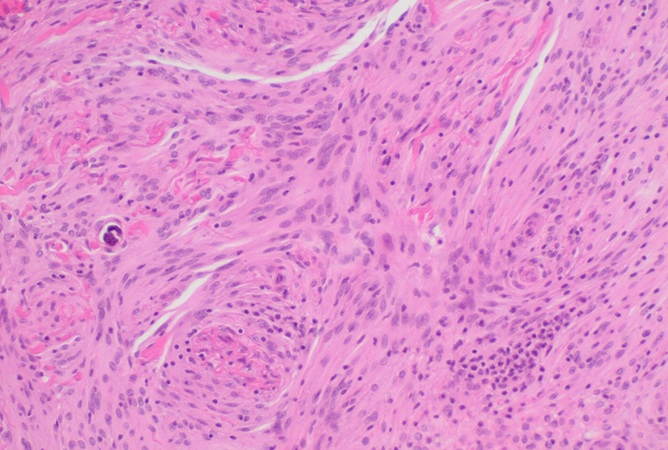
AI Pathology Tool Predicts Meningioma Recurrence from Routine Slides
Meningiomas are the most common primary brain tumors in adults, yet their course ranges from indolent to highly recurrent disease. Estimating an individual patient’s recurrence risk often requires advanced... Read more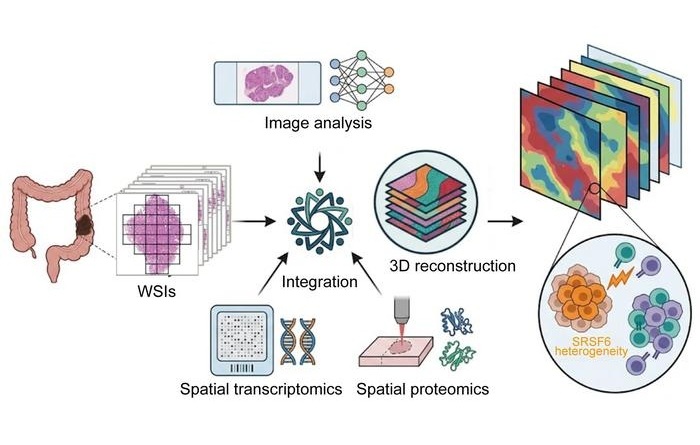
3D Spatial Multi-Omics Maps Intra-Tumor Diversity in Colorectal Cancer
Colorectal cancer remains a leading cause of cancer death, and clinical decision-making is complicated by marked intra-tumor heterogeneity. Conventional bulk sequencing averages molecular signals across... Read more
Technology
view channel
AI Platform Links Biomarker Results to Cancer Clinical Trials and Guidelines
Oncology teams must manage growing volumes of genomic data, rapidly evolving clinical trial options, and frequently updated care guidelines, all within tight clinic schedules. Translating complex tumor... Read more
Agentic AI Platform Supports Genomic Decision-Making in Oncology
Oncology care teams increasingly face the challenge of managing complex molecular diagnostics, evolving treatment options, and extensive electronic health record documentation. Translating multimodal data... Read more
Industry
view channel
Genetic Testing Program Expands Detection of Alpha-1 Antitrypsin Deficiency
Alpha-1 Antitrypsin Deficiency (AATD) is a progressive genetic condition, the leading known genetic risk factor for chronic obstructive pulmonary disease (COPD), and a cause of liver disease in both children... Read more