






Pathology

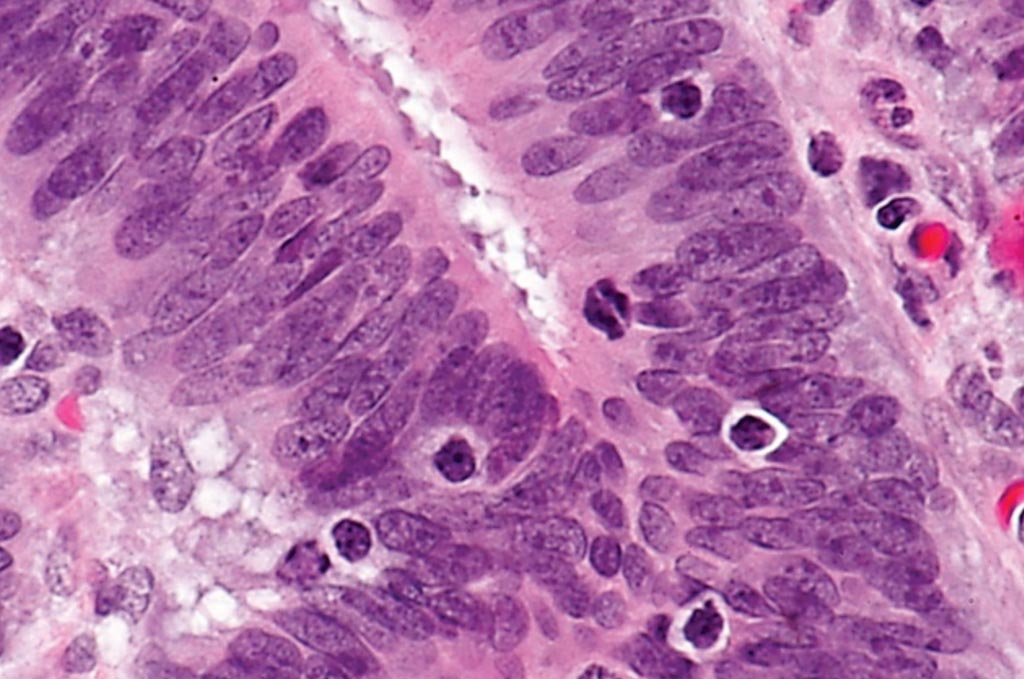
Biomarker Predicts Appropriate Immunotherapy for Cancer Patients
Microsatellite instability (MSI) is a hypermutable phenotype caused by the loss of DNA mismatch repair activity. MSI is detected in about 15% of all colorectal cancers; 3% are of these are associated with Lynch syndrome. MSI is a biomarker for response to immune checkpoint inhibitors (ICPIs). More...14 May 2019
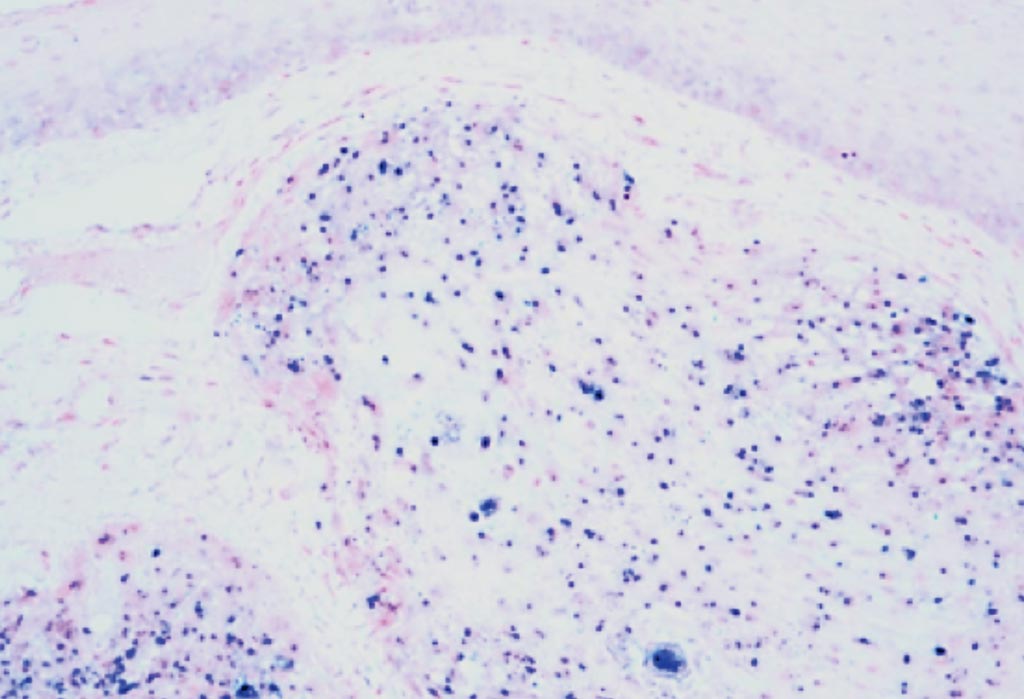
Oral HPV-DNA Persists after Oropharyngeal Cancer Treatment
Head and neck cancers affect some 53,000 people in the USA each year, according to the National Cancer Institute, and human papilloma virus (HPV) has been implicated in many of those cases. The diagnosis of cancer can be confirmed by tissue biopsy. More...14 May 2019
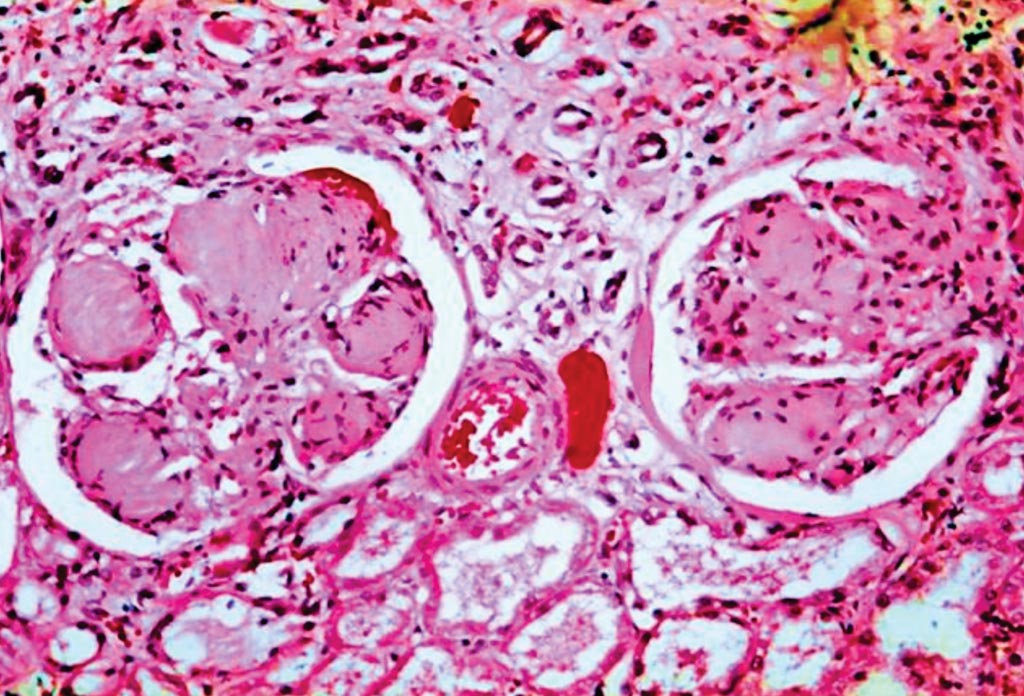
Blood Protein Signature Reported for Diabetic Kidney Disease
Diabetic nephropathy or diabetic kidney disease (DKD), is a result of vascular abnormalities that accompany diabetes and increases mortality risk. Furthermore, diabetes mellitus is a main risk factor for end-stage renal disease, the most advanced stage of kidney disease. More...09 May 2019
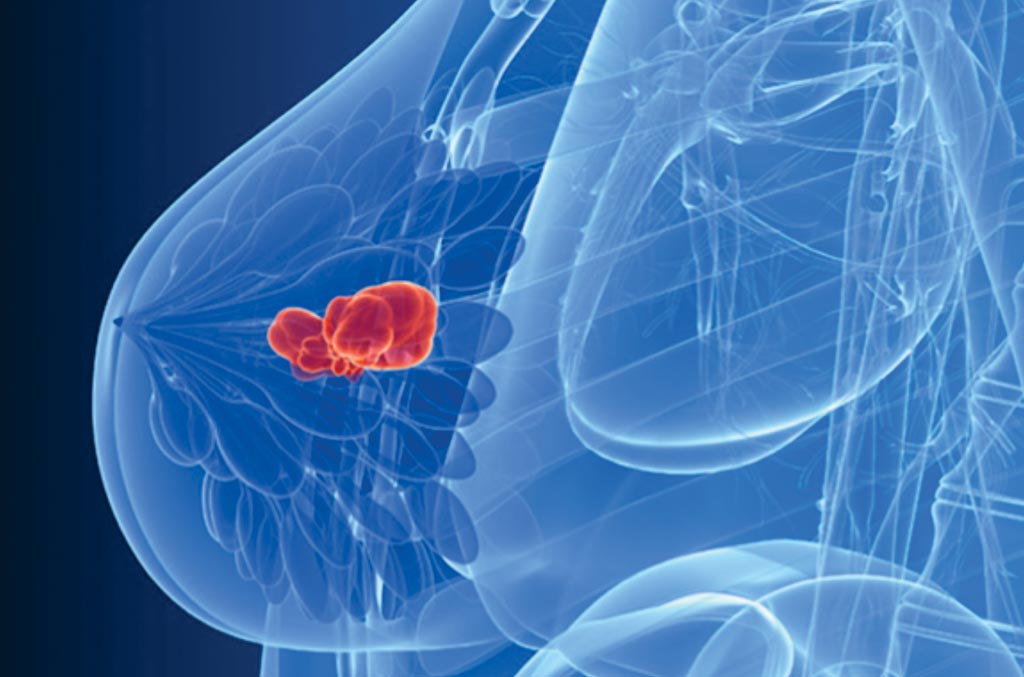
Personalized Detection of ctDNA Antedates Breast Cancer
Breast cancer is one of the most commonly diagnosed cancers worldwide and the second leading cause of cancer-related deaths in women. The current standard of care for women with primary (non-metastatic) breast cancer is surgery, often followed with adjuvant therapy to eliminate microscopic minimal residual disease (MRD). More...01 May 2019
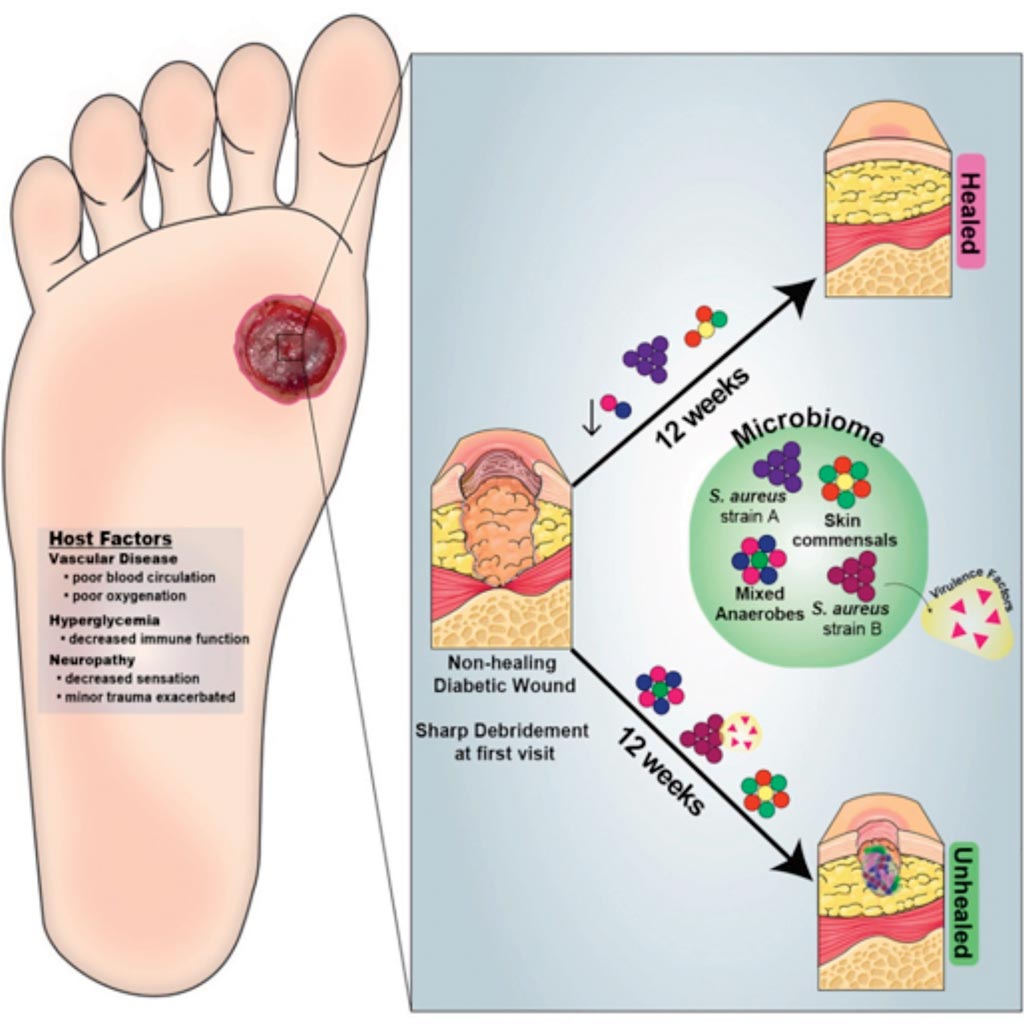
Certain Bacteria Strains Associated with Diabetic Wounds
About 10% of Americans have been diagnosed with diabetes, and one quarter of these patients will develop a wound that does not heal. In the worst case outcome, which occurs in up to 25% percent of these wound-developing patients, the wounds will require an amputation. More...01 May 2019


Platinum Member

Automated Coagulation Analyzer
Hemolumi H6

Gold Member

Flocked Fiber Swabs
Puritan® Patented HydraFlock®

Automated Urinalysis Solution
UN-9000
New

Neurofilament Light Chain Assay
Lumipulse G NfL Blood
In Other News
Biomarkers of Oral Cancer Discovered
Multi-Gene Panel Testing Catches Cancer Risk Variants
Suite of Risk Variants Revealed in Hirschsprung's Disease
CRC Gut Microbial Signatures Lead to Diagnostic Tests
Genomic Classifier Test for Lung Disease Validated
Liquid Biopsy Potential Tested with ddPCR Technology
Malignant Pleural Mesothelioma Personalized by ctDNA Profiling
Fecal Microbes Used to Diagnose Liver Cirrhosis
Haptoglobin Expression Linked to Newborn Outcomes
EBV-DNA Measured in Nasopharyngeal Carcinoma Patients
Immune Relationship to Lung Tumor Evolution Characterized
Glioblastoma Driver Mutations Appear Long Before Diagnosis
Adverse Drug Response Risk Gene Identified for IBD
Virus-Associated Liver Cancer Detected by Blood Tests
Diabetics Experience High Blood Sugar after Joint Surgery
Proteomics Profile Early Detection Ovarian Cancer
Oral Bacteria Linked to More Aggressive Tumors
Five-Gene Signature Predicts Survival from Renal Cell Carcinoma
EBUS More Reliable Than Histology for Cancer Diagnoses
Nanopatterned Microfluidic Chip Detects Cancer Markers
Liquid Biopsy Proves Effective as Biopsy for NSCLC
New Microfluidics Device Detects Cancer Cells in Blood
Blood Test Predicts Kidney Transplant Rejection


The Pathology channel details advances in the field of Surgical Pathology and all its subspecialties, including Cytopathology and its subspecialties.