






Microbiology
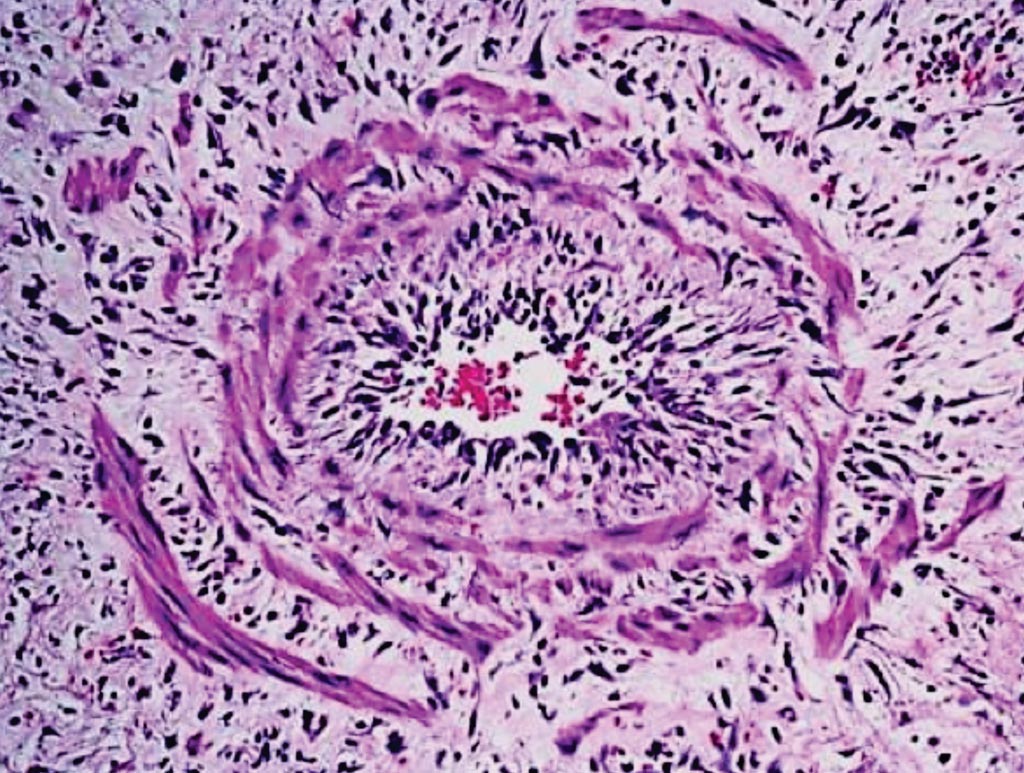
Unusual Blood Clots Characterized in Leprosy Patients
Leprosy is a chronic infection by Mycobacterium leprae and causes body-wide symptoms, deformities, and disability. It remains a public health problem worldwide, despite the existence of antibiotic combinations that can cure it. More...03 Apr 2018
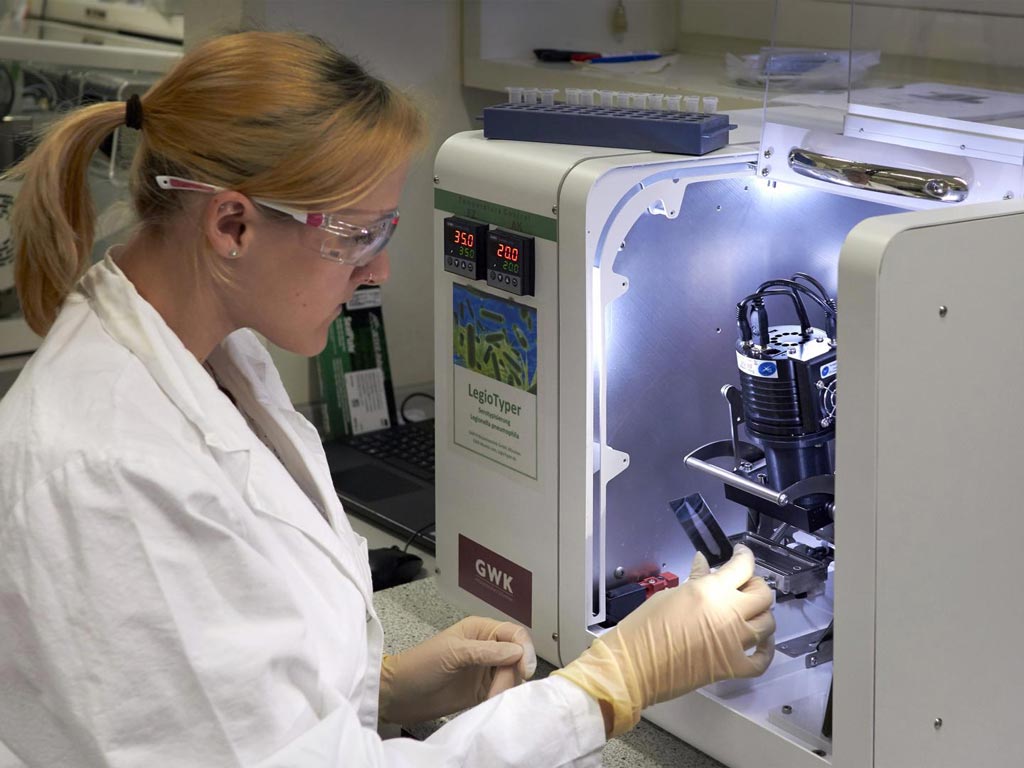


New Rapid Test Reports Antibiotic Resistance in Two Hours
Resistant bacteria are spreading worldwide, which makes fast antibiotic susceptibility testing and determination of the minimal inhibitory concentration (MIC) urgently necessary to select appropriate antibiotic therapy in time. More...28 Mar 2018

Typhoid Fever Bacteria Sequencing Reveals Drug Resistance Genes
Antibiotic resistance is a major problem in Salmonella enterica serovar Typhi, the causative agent of typhoid. Multidrug-resistant (MDR) isolates are prevalent in parts of Asia and Africa and are often associated with the dominant H58 haplotype. More...21 Mar 2018
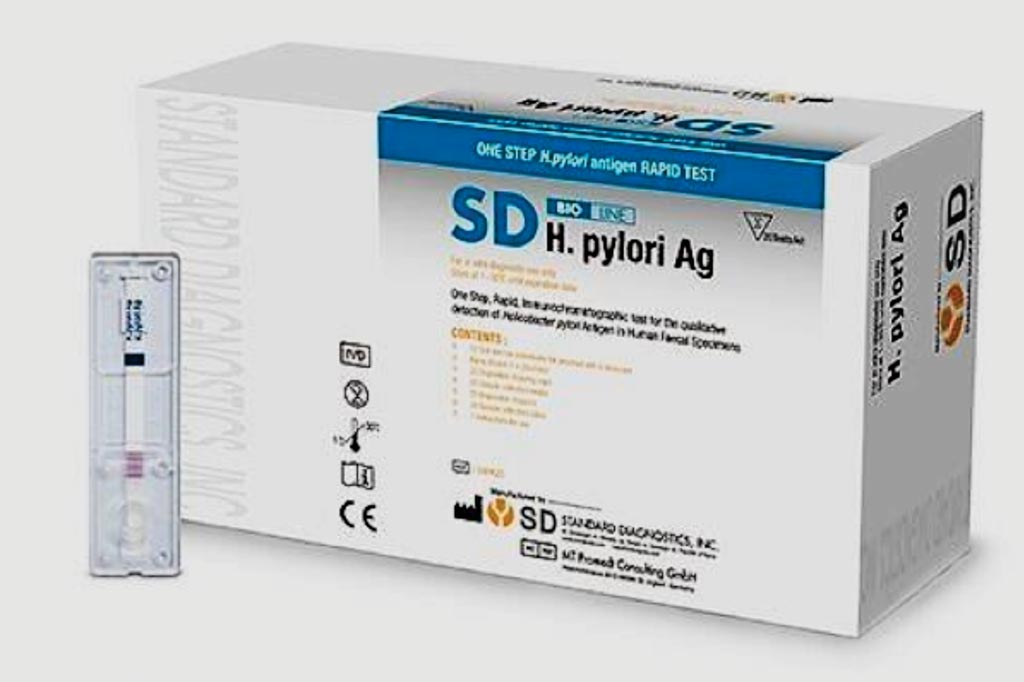
Helicobacter Pylori Immunoassays Evaluated for Efficacy
Helicobacter pylori are curved gram negative bacilli and have been etiologically associated with several pathogenic conditions of the stomach ranging from gastritis to gastric cancer. Prevalence of H. pylori infection varies based on several factors globally and in developing countries more than 80% of the population is infected with H. pylori. More...19 Mar 2018


Platinum Member

Automated Coagulation Analyzer
Hemolumi H6

Gold Member

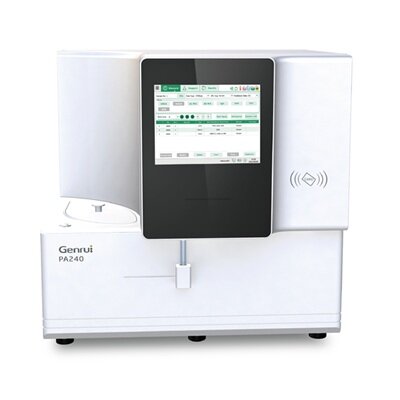
Fully-auto Specific Protein (Nephelometry) Analyzer
PA240

New
Gold Member

Serum Indices Control
Acusera Serum Indices Control
In Other News
Solvatochromic Trehalose Probe Rapidly Detects TB
Yellow Fever Virus Detected in Urine of Convalescent Patient
Sensitive ELISA Detects ZIKV Infection before Onset of Symptoms
Dual Path Platform Assay Evaluated for Leptospirosis
Portable Quadruplex PCR System Unveiled
Rapid Salivary Test Developed for Zika Virus
Immunoassay Monitors Parasite Persistence in Chagas Disease
AKI Biomarker Described for Pediatric Malaria
Blood Test Designed for Multiple Tick-borne Diseases
Next-Gen Sequencing of CSF Diagnoses Neurobrucellosis
Innovative Blood Test Rapidly Detects Candidemia
Molecular Test Device Developed for RNA Viral Detection
HPV Found Hidden on Surface of Tonsils
Metabolite Biomarkers of Chronic Typhoid Carriage Detected
Vaginal Bacteria Linked to Higher HIV Susceptibility
Device Leads to Lower Blood Culture Contamination Rates
New Test Allows Simultaneous Processing of Four STDs
Test Identifies BRCA2 Gene Mutations for Cancers
Vaginal Infection Increases Risk of Fetal Membrane Rupture
Cellular Mechanism Identified for Severe Viral Hepatitis
Handheld Device Developed for DNA Amplification and Detection
Amplification Tests Evaluated for Pelvic Inflammatory Disease
Oral Yeasts from Cancer Patients Identified by MALDI-TOF


The LabMedica Microbiology channel provides the latest news in the fields of epidemiology, bacteriology, virology, and parasitology, all viewed from the unique perspective of Laboratory Medicine.