Virtually Painless Blood Sample Collection Device to Revolutionize Diagnostic Testing 
|
By LabMedica International staff writers Posted on 07 Nov 2023 |


|
The discomfort and inconvenience of traditional blood sampling methods like venipuncture and fingersticks, along with a surge in the need for diagnostics that can be performed outside of traditional healthcare settings, have led to the creation of diagnostic tests that only require minimal blood or interstitial fluid volumes. The process of drawing ample amounts of blood using lancets for testing is often a barrier to testing, especially for certain groups of patients. Furthermore, the lack of standardization in fingerstick blood collection, specifically in the techniques of squeezing the finger and the timing of collection and testing, can vary the quality of the blood sample, affecting the test outcomes. Additionally, it's often difficult to gather a substantial volume of blood (at least 200 microliters) from a fingerstick. Now, an innovative method is making the blood collection process more humane, offering benefits for diagnostic and wellness tests administered at clinical labs or at home by patients themselves.
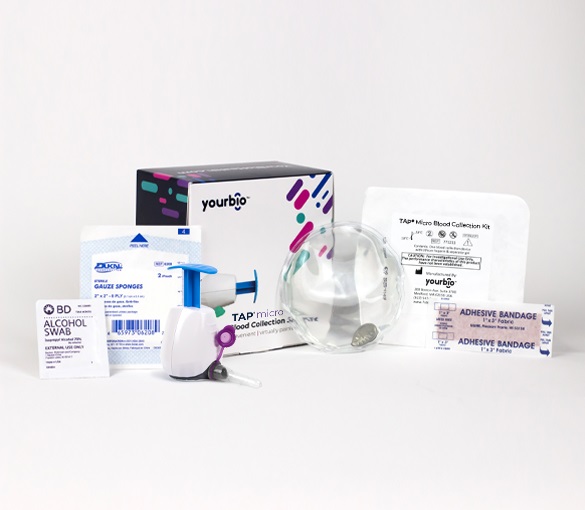
YourBio Health’s (Boston, MA, USA) 'Touch-Activated Phlebotomy' (TAP) is designed for virtually painless whole capillary blood collection using devices incorporating patented technology. The technology overcomes the drawbacks of conventional blood collection by enabling the gathering of a capillary blood sample from any location on the body, eliminating the discomfort caused by fingersticks or traditional phlebotomy. TAP utilizes microneedles finer than an eyelash, making it less painful than both fingerstick methods and venipuncture, as well as other competing devices.
The TAP Micro Select device for blood collection is designed to yield high-quality and high-volume blood samples that are compatible with standard laboratory processing. Having been subjected to testing with hundreds of thousands of patients, this device consistently collects over 200 microliters of blood in more than 92% of attempts. YourBio Health does not perform the tests but owns the patents for these groundbreaking devices. In addition, the company offers a suite of ancillary services like sample tracking, which can be tailored to support a wide array of clinical trials and high-standard blood sampling for wellness purposes. YourBio Health has received further regulatory approval for its TAP Micro Select blood collection device with certification for CE Marking.
"With our patented Halo technology within the TAP micro series of blood collection devices, YourBio Health is unique in offering virtually painless blood sample collection using a bladeless microneedle array. Regulatory approval will enable our device's use with commercial blood collection tubes and allow use in kits that revolutionize blood testing in diagnostics and wellness," said Harry Wilcox, Chief Executive Officer of YourBio Health. "This additional regulatory clearance will further support the trend in decentralized clinical trials and recruitment and maintenance of more diverse patient populations that are known to be more relevant with certain diseases, which will inevitably lead to successes with much needed new treatments, as well as access to treatments for currently underserved and voluntarily unwilling patient groups."
Related Links:
YourBio Health







Latest Pathology News
- Digital Pathology Test Stratifies Recurrence Risk in Early Breast Cancer
- AI Pathology Tool Predicts DNA Repair Deficiency in High-Grade Serous Ovarian Cancer
- AI Tissue Analysis May Help Identify Missed Precancerous Colon Polyps
- AI Pre-Screening Helps Identify Lung Cancer Cases for Additional Biomarker Testing
- AI Pathology Platform Targets Workflow Delays and Molecular Test Failures
- Updated Digital Pathology Platform Expands AI Integration for Cancer Diagnosis
- Molecular Testing Refines Barrett’s Esophagus Progression Risk Beyond Biopsy Findings
- AI Histopathology Tool Distinguishes Ewing Sarcoma for Diagnosis
- Rapid Mass Spectrometry Test May Aid Glioma Margin Decisions
- Genomic Classifier Predicts Benefit From Adding Hormone Therapy to Salvage Prostate Radiation
- Multimodal AI Supports Prostate Cancer Risk Assessment Across Diverse Cohorts
- New AI Model Maps Where Glioblastoma Could Return After Surgery
- Simple Test Could Reduce the Need for Invasive Uterine Cancer Checks
- Tumor Blood Vessel Features May Help Predict Colorectal Cancer Survival
- Multimodal AI Improves Breast Cancer Recurrence Risk Prediction Beyond Standard Genomic Testing
- Machine Learning Cytology Tool Improves Cancer Cell Identification
Channels
Clinical Chemistry
view channel
Common Kidney Function Tests May Miss CKD in Cancer Patients
Chronic kidney disease (CKD) can complicate cancer care, as reduced kidney filtration may affect treatment eligibility and dosing. In oncology, kidney function assessment often relies on estimated glomerular... Read more
Point-of-Care Blood Biomarker Test Detects Brain Injury Missed by CT
Traumatic brain injury remains difficult to assess in emergency settings because some patients continue to have symptoms despite normal computed tomography findings. Approximately 2.8 million people in the U.... Read more

Molecular Diagnostics
view channel
Six-Gene Score Improves Prognosis Prediction in Acute Myeloid Leukemia
Acute myeloid leukemia (AML) is a blood cancer with outcomes that can vary widely from one patient to another. This variability complicates prognosis despite the laboratory information available from bone... Read more
Long-Read Sequencing Reveals Cancer-Driving Changes Missed by Conventional Testing
Cancer diagnosis often relies on identifying genomic alterations that influence tumor behavior and treatment selection. However, conventional short-read sequencing can miss complex DNA changes, leaving... Read more
Whole-Genome MRD Test Detects Traces of Cancer During and After Treatment
Small amounts of cancer can remain after treatment at levels that are difficult to detect, creating uncertainty about recurrence risk. Molecular residual disease (MRD) testing addresses this challenge... Read more
Molecular Vaginitis Panel Gains FDA Clearance and CLIA Waiver for Point-of-Care Use
Vaginitis affects most women at least once in their lifetime and can cause painful, disruptive symptoms. Common causes include bacterial vaginosis, vulvovaginal candidiasis, and trichomoniasis, reflecting... Read moreHematology
view channel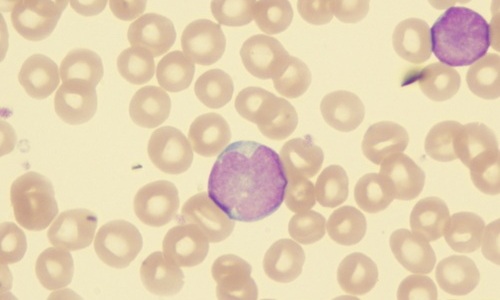
New Risk-Stratification Tool Predicts Relapse After Blinatumomab in Childhood ALL
Acute lymphoblastic leukemia in children and young people requires careful assessment of relapse risk, particularly as treatment approaches move beyond standard chemotherapy. Traditional relapse predictors... Read more
New Myelofibrosis Guidelines Recommend Expanded Genetic Testing at Diagnosis
Myelofibrosis is a rare, life-threatening blood cancer affecting up to six per 100,000 people. The disease causes scarring in the bone marrow, limiting the production of healthy blood cells and potentially... Read more

Immunology
view channel
Antibody Profiling Predicts Inflammatory Bowel Disease Years Before Diagnosis
Inflammatory bowel disease (IBD), which includes Crohn’s disease and ulcerative colitis, involves abnormal immune responses that cause persistent inflammation and damage in the digestive system.... Read more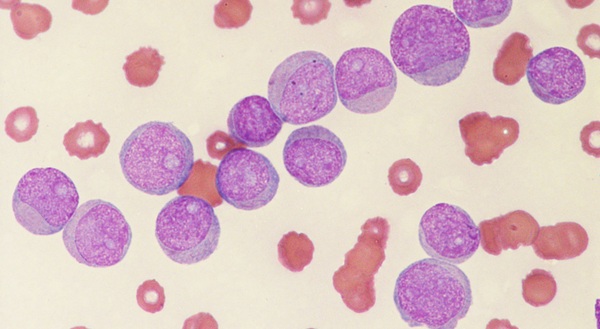
Immune Profiling Initiative Aims to Improve Bone Marrow Analysis in Leukemia
Acute myeloid leukemia (AML) is an aggressive blood cancer in which assessing disease burden after therapy can help guide clinical evaluation. Patients with measurable residual disease (MRD) after treatment... Read more
Immune Profiling Identifies Early Maternal Autoantibodies Linked to Preterm Birth Risk
A typical pregnancy lasts about 40 weeks, but labor begins prematurely in roughly one in 10 pregnancies. Preterm birth is the leading cause of newborn death worldwide, yet its underlying causes and which... Read more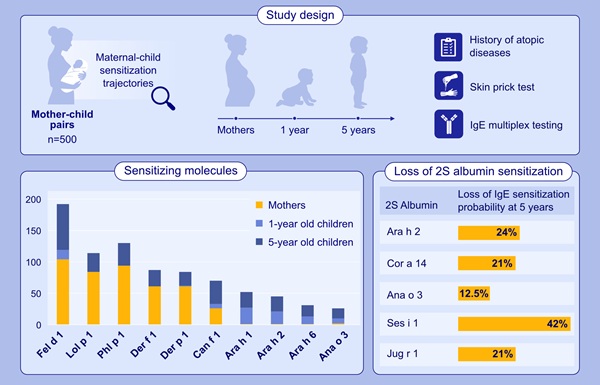
Longitudinal Blood Testing Reveals Changes in Allergen Sensitization During Childhood
Food allergy is a major childhood health concern, and distinguishing persistent risk from transient sensitization can guide clinical decisions. Specific IgE antibodies may be detectable even when a child... Read moreMicrobiology
view channel
Molecular Panel Gains WHO Emergency Use Listing to Support Ebola Outbreak Response
The ongoing Ebola Bundibugyo outbreak in the Democratic Republic of the Congo and neighboring countries has become one of the largest outbreaks of this Ebola virus species recorded to date.... Read more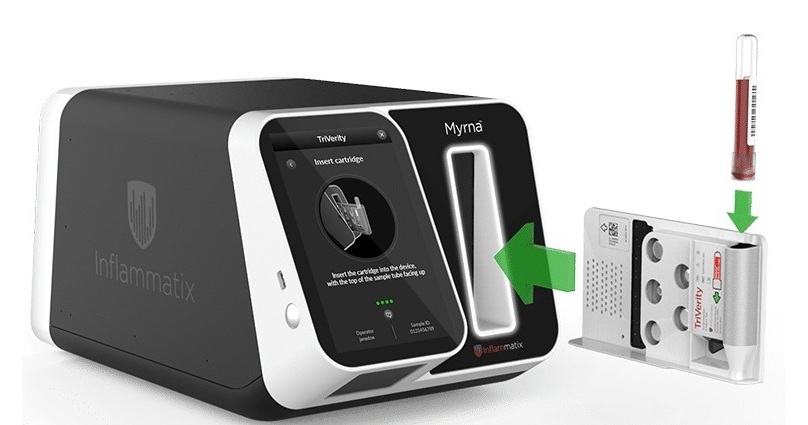
Rapid Host-Response Test Aims to Predict Corticosteroid Benefit in Sepsis
Sepsis and severe infections are difficult to treat because patients with similar clinical presentations may have very different underlying immune responses. Corticosteroids are commonly used in severe... Read more

Technology
view channel
Compact PCR Thermal Cycler Launches for Routine Molecular Laboratory Workflows
Molecular laboratories rely on nucleic acid analysis to detect molecular information accurately and reproducibly across a wide range of applications. Supporting these routine workflows, a newly launched... Read more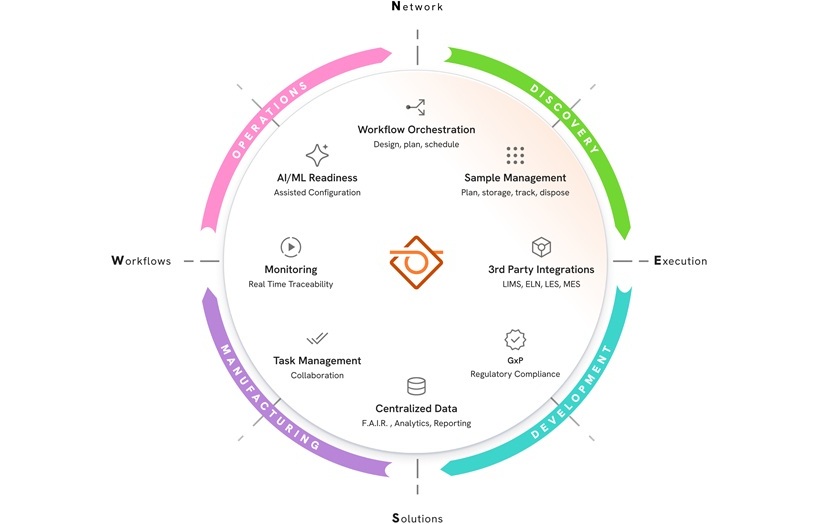
New AI-Powered System Aims to Streamline Laboratory and Manufacturing Workflows
Scientific laboratories supporting drug development, biotechnology, and materials research increasingly rely on coordinated digital workflows to move data, samples, and activities across teams.... Read more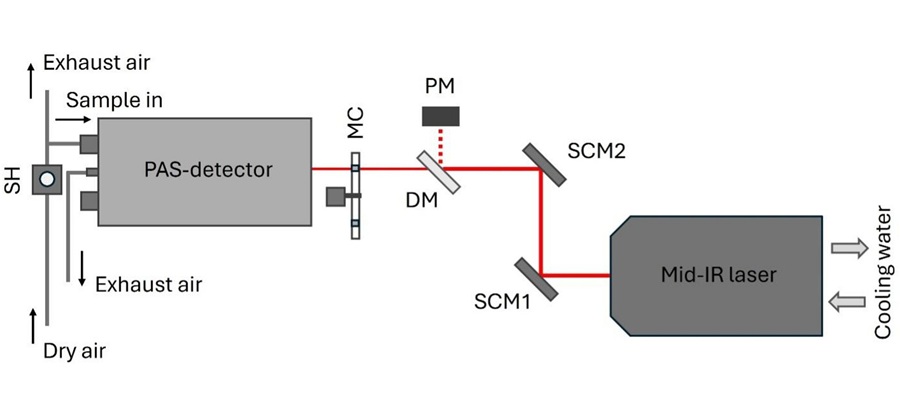

Industry
view channel
Collaboration Brings Tumor-Informed MRD Monitoring to Breast Cancer Care in Abu Dhabi
For many patients, cancer treatment does not eliminate the risk of recurrence, which may occur months or years later and become harder to treat after spreading. Recurrence is often detected only after... Read more