Randox Promotes Evidence MultiSTAT Automated Benchtop Immunoassay Analyzer
|
By Theresa Herman, Regional Director Posted on 31 Jan 2019 |


|
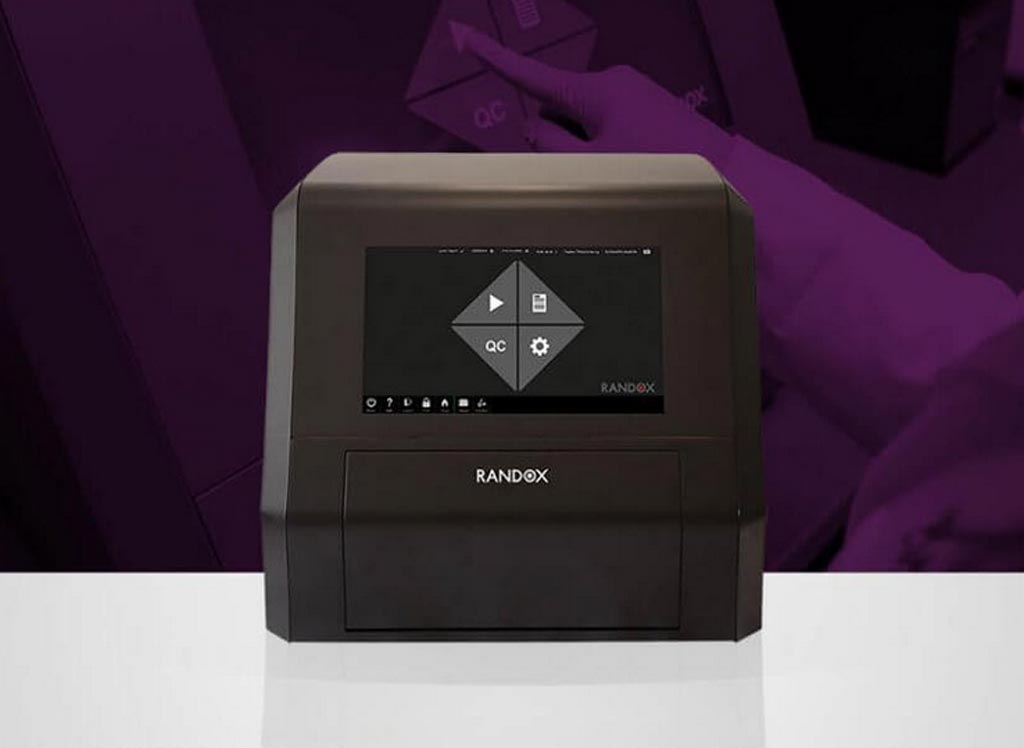
Image: The Evidence MultiSTAT analyzer (Photo courtesy of Randox Laboratories).
Randox Laboratories (Crumlin, UK) participated in MedLab Middle East 2019 held in Dubai, UAE, from February 4-7, 2019, where it offered live product demonstrations of the Evidence MultiSTAT automated benchtop immunoassay analyzer.
The Evidence MultiSTAT simultaneously detects up to 21 classical, prescription and synthetic drugs from a single patient sample. Utilizing revolutionary Biochip Array Technology, it uses a chemiluminescence reaction as a measuring principle to ensure consistently accurate results. Moving away from traditional single analyte assays, Biochip Array Technology boasts of cutting-edge multiplex testing capabilities providing rapid and accurate drug detection from a single sample. Biochip Array Technology has a proven high standard of accurate test results with CVs typically <10% with a 98% agreement with confirmatory methods.
Based on ELISA principles, the biochip is a solid-state device with discrete test sites onto which antibodies specific to different drug compounds are immobilized and stabilized. Competitive chemiluminescent immunoassays are then employed, offering a highly sensitive screen. Testing panels are available for blood and urine samples to accommodate various testing requirements, with a minimal 200ul sample volume required, ensuring more sample is available for confirmatory testing.
Randox has the world’s largest toxicology test menu, with the ability to detect over 500 drugs and drug metabolites. Randox also has the world’s most advanced drug screening test menu spanning a wide range of classical, prescription and synthetic drugs of abuse. The Evidence Multistat provides a complete drug profile in one simple process, reducing the amount of time and labor spent on individual tests. The reliability and accuracy of results also reduces the financial burden of re-testing. With multiple results obtained in less than 20 minutes, the Evidence MultiSTAT is an ideal analyzer for emergency drugs of abuse screening.





The Evidence MultiSTAT simultaneously detects up to 21 classical, prescription and synthetic drugs from a single patient sample. Utilizing revolutionary Biochip Array Technology, it uses a chemiluminescence reaction as a measuring principle to ensure consistently accurate results. Moving away from traditional single analyte assays, Biochip Array Technology boasts of cutting-edge multiplex testing capabilities providing rapid and accurate drug detection from a single sample. Biochip Array Technology has a proven high standard of accurate test results with CVs typically <10% with a 98% agreement with confirmatory methods.
Based on ELISA principles, the biochip is a solid-state device with discrete test sites onto which antibodies specific to different drug compounds are immobilized and stabilized. Competitive chemiluminescent immunoassays are then employed, offering a highly sensitive screen. Testing panels are available for blood and urine samples to accommodate various testing requirements, with a minimal 200ul sample volume required, ensuring more sample is available for confirmatory testing.
Randox has the world’s largest toxicology test menu, with the ability to detect over 500 drugs and drug metabolites. Randox also has the world’s most advanced drug screening test menu spanning a wide range of classical, prescription and synthetic drugs of abuse. The Evidence Multistat provides a complete drug profile in one simple process, reducing the amount of time and labor spent on individual tests. The reliability and accuracy of results also reduces the financial burden of re-testing. With multiple results obtained in less than 20 minutes, the Evidence MultiSTAT is an ideal analyzer for emergency drugs of abuse screening.

Platinum Member
Automated Coagulation Analyzer
Hemolumi H6
Gold Member
Quantitative POC Immunoassay Analyzer
EASY READER+
New
Gold Member
Fully-auto Specific Protein (Nephelometry) Analyzer
PA240
New
Fully Automated Urinalysis System
DxU 1800 Fully Automated Urinalysis System
Latest MEDLAB 2019 News
- ERBA Group Launches New Hematology Analyzers at MEDLAB 2019
- Telstar Promotes Latest Generation of Freeze Dryers in Dubai
- Siemens Healthineers Showcases In-Vitro Diagnostics Products at MedLab 2019
- Mindray Displays New Generation Benchtop Cellular Analysis Line
- HORIBA Medical Shows Latest Yumizen G Range at Lab Trade Show
- Greiner Bio-One Displays Range of Safety Products at MedLab
- EKF Diagnostics Presents Latest Diabetes Care Analyzers
- BioSystems Highlights New iFOB Integral System at MedLab 2019
- Beckman Coulter Exhibits New Hematology Analyzer in Middle East
- Agappe Diagnostics Displays Analyzers and Solutions at Middle East Congress
- Abbott Highlights Point of Care Management Solutions
Channels
Clinical Chemistry
view channel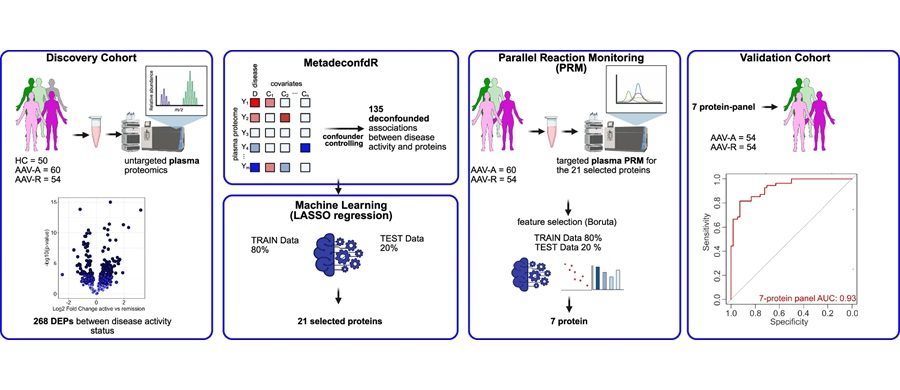
Multiprotein Plasma Panel Identifies Remission in Vasculitis
Vasculitis causes immune-mediated inflammation of blood vessel walls and can lead to kidney and lung damage. Clinicians rely on immunosuppressive drugs, but treatment carries significant side effects and... Read more
Rapid Urine Biomarker Panel Supports Better Kidney Transplant Decisions
Kidney transplantation remains constrained by organ scarcity and uncertainty about the quality of deceased-donor kidneys. In the United States, more than 92,000 people are awaiting a kidney transplant,... Read more
Molecular Diagnostics
view channel
New Liquid Biopsy Approach Shows Promise for Detecting Breast Cancer Recurrence
Many liquid biopsy strategies for monitoring breast cancer recurrence focus on detecting genetic mutations in tumor DNA. Researchers are evaluating whether additional features of circulating cell-free... Read more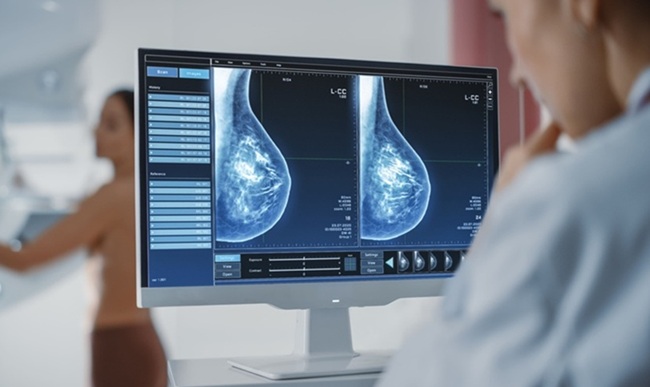
Whole-Blood RNA Test Could Improve Breast Cancer Screening in Dense Breasts
Breast cancer screening continues to face challenges, including limited detection of small tumors and uneven participation, particularly among women with dense breasts. These limitations can leave diagnostic... Read more
Hematology
view channel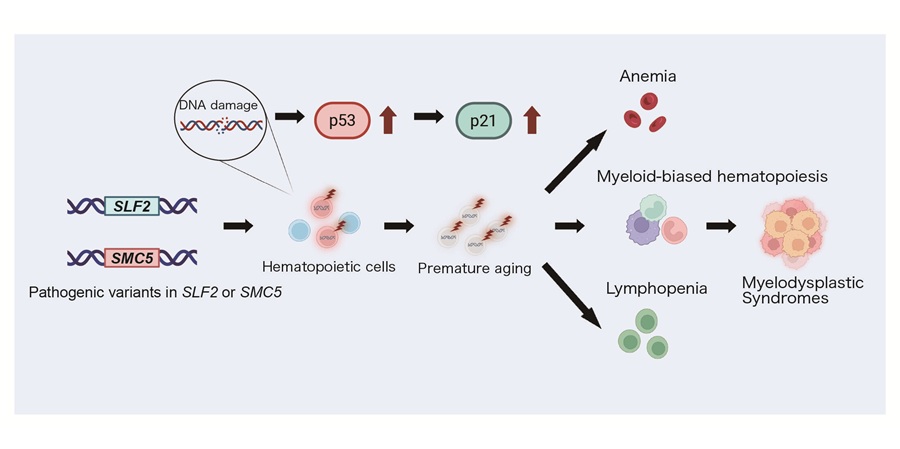
New Genetic Findings Reveal Cause of Bone Marrow Failure Syndrome
Inherited bone marrow failure syndromes (IBMFS) impair the bone marrow’s ability to produce sufficient healthy blood cells and are associated with an increased risk of early-onset myelodysplastic syndromes (MDS).... Read more
Ultra-Portable Device Enables Finger-Prick Blood Testing at Home
Patients who need frequent blood tests often face repeated clinic visits that burden services and disrupt care. In the UK, millions of tests are performed each year to diagnose disease, guide therapy,... Read more
Immunology
view channel
AI-Based Antibody Profiling Predicts Strength of COVID-19 Vaccine Response
Vaccine-induced protection can vary widely between individuals, creating uncertainty for clinicians, particularly in patients with immunosuppressive conditions. Demographic and health factors explain only... Read more
Immune Biomarkers May Predict Recurrent Checkpoint Inhibitor Arthritis
Inflammatory arthritis is a recognized immune-related adverse event in patients treated with immune checkpoint inhibitors (ICIs) for cancer. Between 20% and 50% of affected patients experience more than... Read more
Microbiology
view channel
New Diagnostic Workflow Identifies Bloodstream Pathogens and Antibiotic Response in Hours
Sepsis is a life-threatening complication of infection that affects more than 1.5 million patients annually in the United States and contributes to roughly one in three in-hospital deaths.... Read more
Genetic Marker Identifies Emerging Resistance to Frontline Malaria Drugs
Artemisinin-based combination therapy remains central to controlling Plasmodium falciparum malaria, but emerging drug resistance is complicating treatment and surveillance. In Uganda and across sub-Saharan... Read more
Pathology
view channel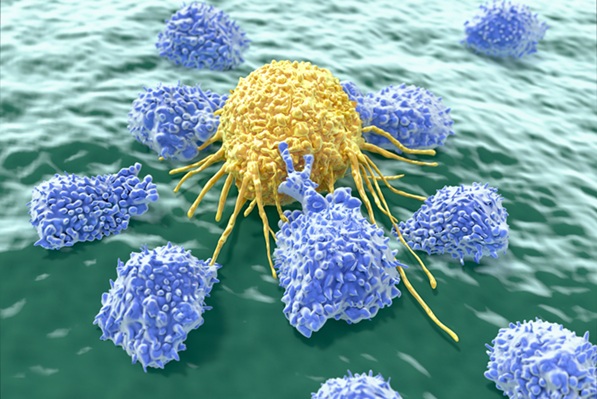
AI Matches Pathologists in Predicting Breast Cancer Prognosis from Immune Cells
Breast cancer is the most common cancer in Australian women, with more than 20,000 cases each year. Prognosis can be informed by counting tumor-infiltrating lymphocytes (TILs) on routine pathology slides,... Read more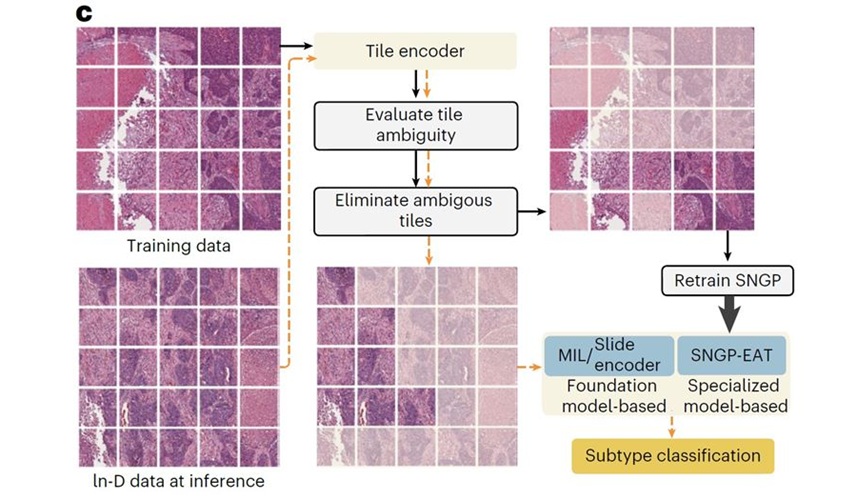
AI-Pathologist Framework Improves Accuracy and Reliability in Cancer Diagnosis
Ensuring reliable cancer diagnosis from digital pathology remains a critical challenge as clinical decisions rely on accurate slide interpretation. While artificial intelligence (AI) has accelerated whole-slide... Read more
New Review Highlights Intelligent Agents as Next Step for Digital Pathology
Digital pathology remains constrained by models that classify single images without mirroring how clinicians interrogate multiple slides, adjust magnification, and synthesize ancillary tests.... Read more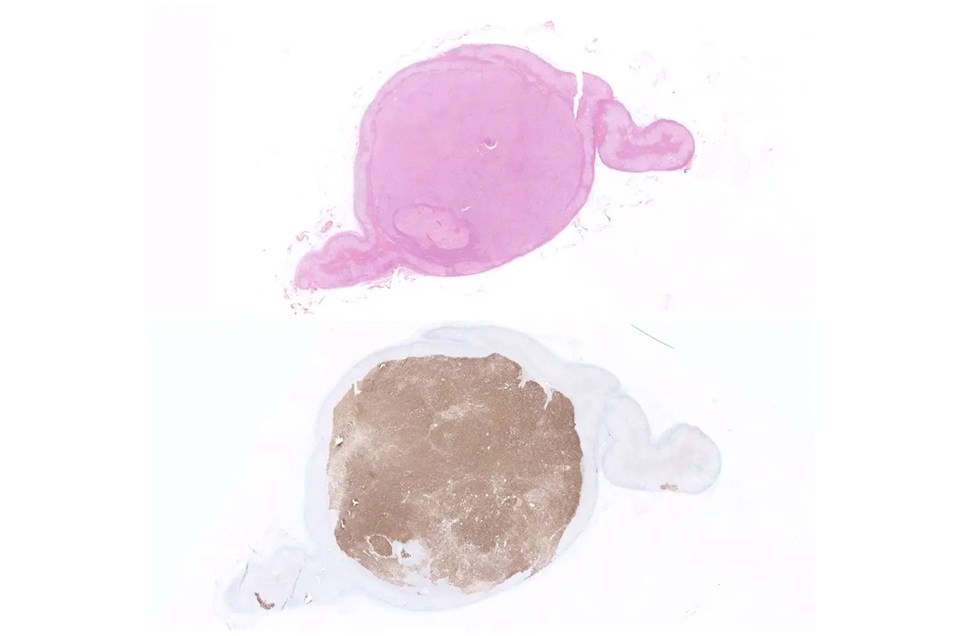
Simple Immunohistochemical Size Ratio Improves Classification of Primary Aldosteronism
Primary aldosteronism is a common but underdiagnosed cause of hypertension, in which excess aldosterone promotes salt retention and raises blood pressure. Identifying the dominant source of hormone overproduction... Read moreTechnology
view channel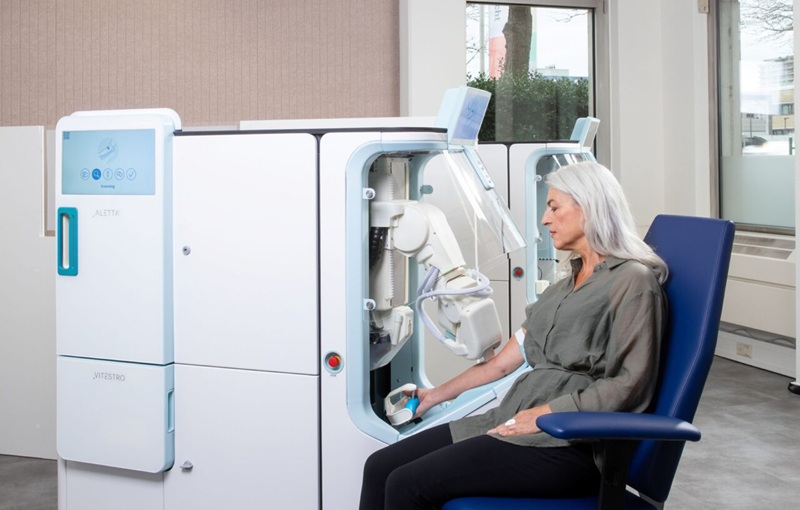
Autonomous Robotic System Receives FDA Authorization for Blood Collection
Venipuncture is central to many diagnostic pathways, but routine blood collection can be affected by staffing constraints and procedural variability that influence consistency and patient experience.... Read more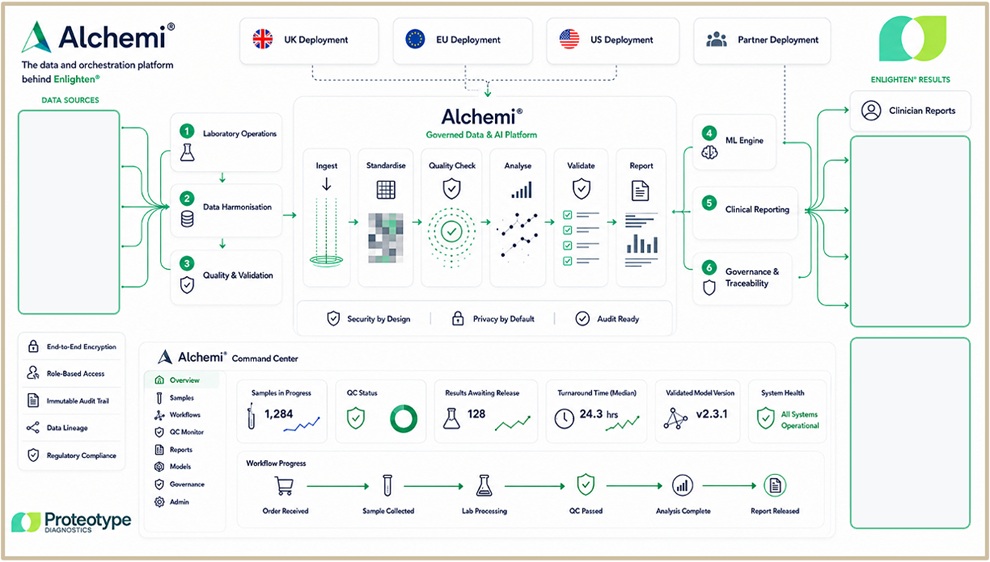
Interoperable Data Platform Standardizes Multi-Cancer Blood Test Results
Proteotype Diagnostics has introduced Alchemi, a proprietary data and clinical workflow platform being developed for Enlighten, the company’s investigational blood-based multi-cancer test.... Read more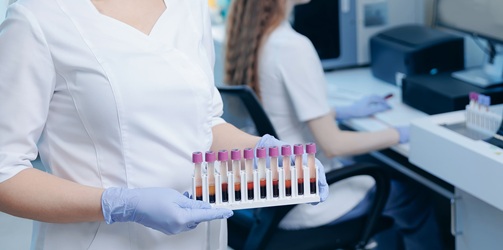
Industry
view channel
Companion Diagnostics Expand HER2 Testing in Metastatic Gastroesophageal Cancer
Gastroesophageal adenocarcinoma comprises a group of aggressive cancers that are often diagnosed at an advanced stage and carry poor prognoses. Gastric and esophageal cancers rank among the leading causes... Read more