EKF Diagnostics Presents Latest Diabetes Care Analyzers
|
By LabMedica International staff writers Posted on 31 Jan 2019 |


|
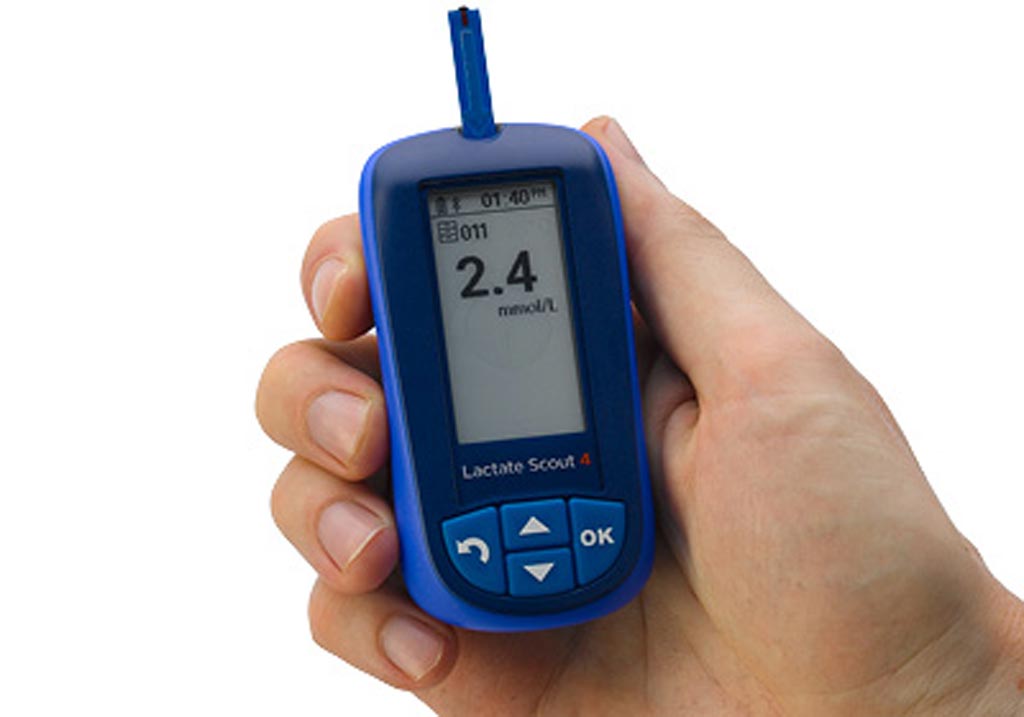
Image: The Lactate Scout 4 analyzer for athletes (Photo courtesy of EKF Diagnostics).
EKF Diagnostics (Cardiff, Wales, UK) presented its latest diabetes care analyzers at MedLab Middle East, a leading laboratory and flagship exhibition and conference spanning across the Middle East, Asia and West Europe. MedLab Middle East 2019 provided an international platform for laboratory management and medicine to exhibit their products ranging from ayurvedic & herbal to medical & pharmaceutical essentials in medical research & development & scientific instruments. The Conference provided education, best practices and the chance to learn, meet and network with leading laboratorians from across the globe.
At MedLab Middle East, EKF Diagnostics displayed DiaSpect Tm, the world’s fastest hemoglobin analyzer that delivers laboratory quality results in just about one second of the microcuvette being placed into the analyzer. The hemoglobin analyzer is palm-sized, making it easily transportable, and ideal for use in any screening setting even in challenging climatic environments. EKF Diagnostics also exhibited the Quo-Lab HbA1c desktop point-of-care analyzer for measuring glycated hemoglobin (HbA1c). The semi-automated analyzer has been designed specifically to meet the needs of diabetes clinics and laboratories in settings that demand low cost of operation and ease of use.
Also on display at the event was EKF Diagnostics’ Quo-Test HbA1c system, a fully automated HbA1c analyzer that uses patented boronate affinity fluorescence quenching technology to measure HbA1c from a 4-μl sample taken from a finger prick or venous whole blood. It has been designed for easy and reliable HbA1c measurement for the monitoring and management of diabetes in a point-of-care setting such as diabetes clinics and doctors’ surgeries. EKF Diagnostics’ also exhibited Hemo Control, its point-of-care hemoglobin analyzer designed to provide quantitative, lab quality hemoglobin results from 25 seconds. Hemo Control uses the most established photometric azide methemoglobin method, ensuring reliable results with a high precision (CV <2%).
Among the latest products displayed by EKF Diagnostics at MedLab Middle East was its new Lactate Scout 4 lactate analyzer for athletes. Lactate Scout 4 is used by sports medicine and sport professionals for the easy and reliable measurement of lactate while training on the track, working out in the gym or analyzing their performance in the laboratory. It has been ergonomically designed to be effectively used in the field as a training companion for coaches and athletes to determine optimum training programs, define training zones, and avoid inefficient training exercises. The hand-held lactate analyzer requires just 0.2 µl of capillary blood and returns results in 10 seconds. Up to 500 results can be stored on the Lactate Scout 4, which also features easy connection to heart rate monitors, stopwatch function to aid performance measurement, integrated step test function and Bluetooth connectivity.






At MedLab Middle East, EKF Diagnostics displayed DiaSpect Tm, the world’s fastest hemoglobin analyzer that delivers laboratory quality results in just about one second of the microcuvette being placed into the analyzer. The hemoglobin analyzer is palm-sized, making it easily transportable, and ideal for use in any screening setting even in challenging climatic environments. EKF Diagnostics also exhibited the Quo-Lab HbA1c desktop point-of-care analyzer for measuring glycated hemoglobin (HbA1c). The semi-automated analyzer has been designed specifically to meet the needs of diabetes clinics and laboratories in settings that demand low cost of operation and ease of use.
Also on display at the event was EKF Diagnostics’ Quo-Test HbA1c system, a fully automated HbA1c analyzer that uses patented boronate affinity fluorescence quenching technology to measure HbA1c from a 4-μl sample taken from a finger prick or venous whole blood. It has been designed for easy and reliable HbA1c measurement for the monitoring and management of diabetes in a point-of-care setting such as diabetes clinics and doctors’ surgeries. EKF Diagnostics’ also exhibited Hemo Control, its point-of-care hemoglobin analyzer designed to provide quantitative, lab quality hemoglobin results from 25 seconds. Hemo Control uses the most established photometric azide methemoglobin method, ensuring reliable results with a high precision (CV <2%).
Among the latest products displayed by EKF Diagnostics at MedLab Middle East was its new Lactate Scout 4 lactate analyzer for athletes. Lactate Scout 4 is used by sports medicine and sport professionals for the easy and reliable measurement of lactate while training on the track, working out in the gym or analyzing their performance in the laboratory. It has been ergonomically designed to be effectively used in the field as a training companion for coaches and athletes to determine optimum training programs, define training zones, and avoid inefficient training exercises. The hand-held lactate analyzer requires just 0.2 µl of capillary blood and returns results in 10 seconds. Up to 500 results can be stored on the Lactate Scout 4, which also features easy connection to heart rate monitors, stopwatch function to aid performance measurement, integrated step test function and Bluetooth connectivity.

Platinum Member
Automated Coagulation Analyzer
Hemolumi H6
Gold Member
Flocked Fiber Swabs
Puritan® Patented HydraFlock®
New
Gold Member
Blood-Based Protein Biomarker Solution for Alzheimer's Disease
BG-DTi2000.
New
Drug Testing Assays
Atellica DT 250 Analyzer
Latest MEDLAB 2019 News
- ERBA Group Launches New Hematology Analyzers at MEDLAB 2019
- Telstar Promotes Latest Generation of Freeze Dryers in Dubai
- Siemens Healthineers Showcases In-Vitro Diagnostics Products at MedLab 2019
- Randox Promotes Evidence MultiSTAT Automated Benchtop Immunoassay Analyzer
- Mindray Displays New Generation Benchtop Cellular Analysis Line
- HORIBA Medical Shows Latest Yumizen G Range at Lab Trade Show
- Greiner Bio-One Displays Range of Safety Products at MedLab
- BioSystems Highlights New iFOB Integral System at MedLab 2019
- Beckman Coulter Exhibits New Hematology Analyzer in Middle East
- Agappe Diagnostics Displays Analyzers and Solutions at Middle East Congress
- Abbott Highlights Point of Care Management Solutions
Channels
Clinical Chemistry
view channel
New Blood Biomarker Predicts May Predict Preeclampsia and Fetal Growth Restriction
Preeclampsia and fetal growth restriction are major drivers of stillbirth and serious maternal morbidity, yet clinicians still lack reliable early predictors to guide targeted surveillance.... Read more
Biomarker Score Helps Differentiate Takotsubo Syndrome from Myocardial Infarction
Takotsubo syndrome, often called broken-heart syndrome, mimics myocardial infarction and can be difficult to triage in emergency settings. It accounts for about 2% of suspected heart attacks and up to... Read more

Molecular Diagnostics
view channel
Automated System Streamlines DNA Recovery for MRD-Sensitive Testing
Molecular laboratories are under pressure to detect extremely low levels of residual disease, yet pre-analytical recovery of cell-free and genomic DNA from large-volume blood and plasma remains a persistent... Read more
New Liquid Biopsy Platform Uses Red Blood Cells to Detect Hidden Cancer Signals
Plasma-based liquid biopsy can miss clinically actionable tumor signals, particularly in early-stage disease and low-shedding tumors, limiting its utility for routine monitoring. Clinical laboratories... Read more

Hematology
view channel
New Genetic Findings Reveal Cause of Bone Marrow Failure Syndrome
Inherited bone marrow failure syndromes (IBMFS) impair the bone marrow’s ability to produce sufficient healthy blood cells and are associated with an increased risk of early-onset myelodysplastic syndromes (MDS).... Read more
Ultra-Portable Device Enables Finger-Prick Blood Testing at Home
Patients who need frequent blood tests often face repeated clinic visits that burden services and disrupt care. In the UK, millions of tests are performed each year to diagnose disease, guide therapy,... Read more
Immunology
view channel
New Cellular Map May Help Predict Crohn’s Disease Course in Children
Crohn’s disease in children is a common and debilitating form of inflammatory bowel disease, marked by chronic intestinal inflammation and limited pediatric-specific treatments. Clinicians must decide... Read more
Temporal Immune Profiling Reveals How Sepsis States Change Over Time
Sepsis is a life-threatening condition in which the immune response to infection becomes dysregulated, leading to rapid organ failure and death. Although antimicrobials and organ support remain standard... Read more
Study Identifies Immune Cells That Drive Harmful Autoantibody Responses in COVID-19
Autoantibodies that mistakenly attack the body’s own tissues have been linked to severe COVID-19, Long COVID, and increased risk of autoimmune disease. However, the origins of these autoantibodies during... Read more
Microbiology
view channel
Gut Microbiome Classifier Improves Colorectal Cancer Risk Stratification
Colorectal cancer remains a leading cause of cancer mortality, and current noninvasive screening methods still miss many precancerous lesions. Clinicians therefore need tools that improve risk stratification... Read more
New Diagnostic Workflow Identifies Bloodstream Pathogens and Antibiotic Response in Hours
Sepsis is a life-threatening complication of infection that affects more than 1.5 million patients annually in the United States and contributes to roughly one in three in-hospital deaths.... Read more

Pathology
view channel
Label-Free Imaging Reveals Hidden Immune Activity in Blood Samples
Peripheral blood mononuclear cells (PBMCs) are widely used to monitor infection, autoimmunity, cancer, and treatment response, yet most assays depend on fluorescent labels that can perturb cells and provide... Read more
AI Tool Improves Prediction of Immunotherapy Response in Lung Cancer
Immune checkpoint therapies benefit only a subset of patients, while standard biomarkers often struggle to predict who will respond. Spatially resolved tumor profiling can provide deeper biological context,... Read more

Technology
view channel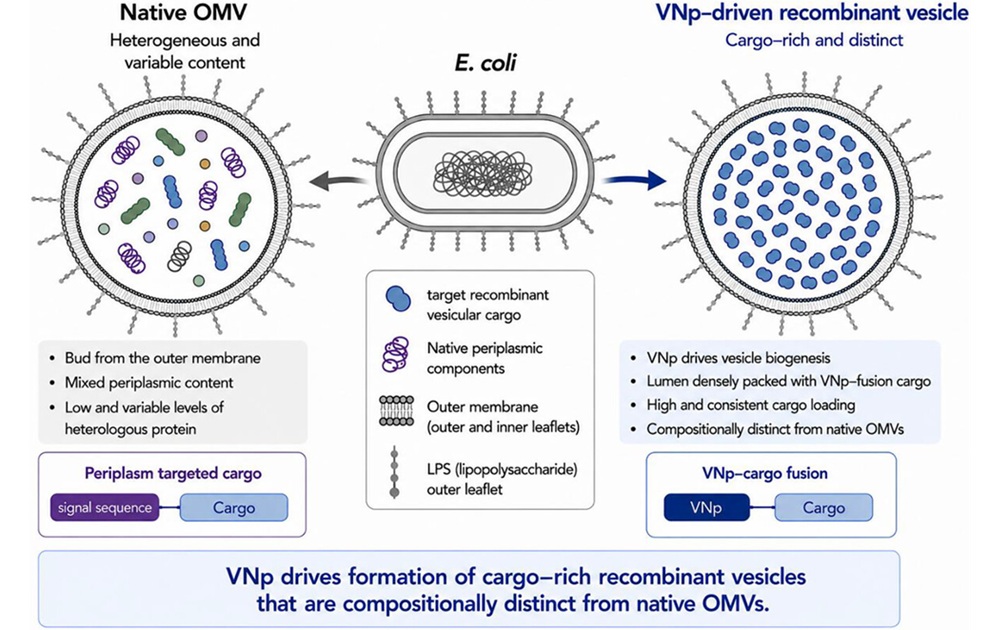
Bacterial Vesicle Expression System Streamlines Production of Cancer Diagnostic Proteins
Recombinant proteins are central to many cancer diagnostics and therapies, but numerous targets remain difficult and costly to produce because they are unstable, toxic to microbial hosts, or require precise folding.... Read more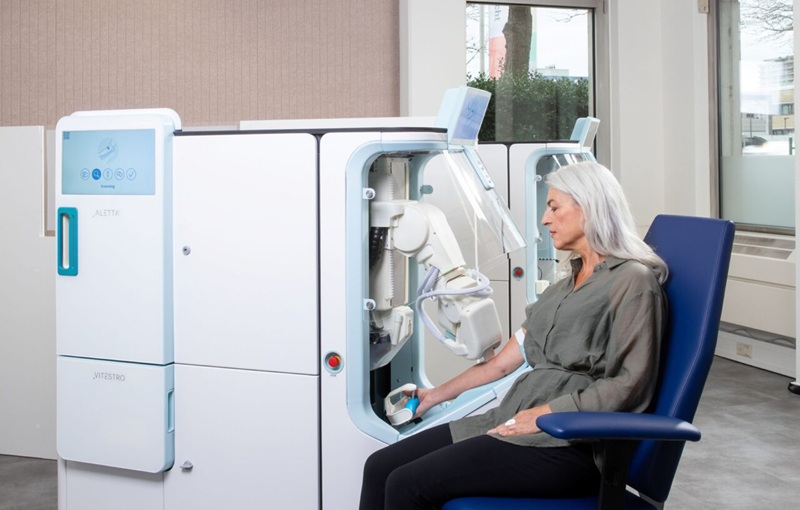
Autonomous Robotic System Receives FDA Authorization for Blood Collection
Venipuncture is central to many diagnostic pathways, but routine blood collection can be affected by staffing constraints and procedural variability that influence consistency and patient experience.... Read more
Industry
view channel
New NHS Partnership Expands Access to Epigenetic CNS Tumor Classifiers
Rapid and accurate classification of central nervous system tumors remains a challenge, particularly in children where histology alone can misclassify aggressiveness and drive overtreatment.... Read more