Autonomous Robotic System Receives FDA Authorization for Blood Collection
Posted on 21 Aug 2026
Venipuncture is central to many diagnostic pathways, but routine blood collection can be affected by staffing constraints and procedural variability that influence consistency and patient experience. Health systems are therefore seeking technologies that can standardize phlebotomy while maintaining safety. A new autonomous blood-draw system has now received U.S. Food and Drug Administration (FDA) De Novo authorization, establishing a device classification for fully autonomous phlebotomy.
Vitestro’s Aletta, an Autonomous Robotic Phlebotomy Device (ARPD), received De Novo authorization from the U.S. Food and Drug Administration on August 20, 2026. The authorization is reported as the first U.S. regulatory clearance for a fully autonomous blood draw system and creates a new device classification for this category. Aletta is positioned for use in routine diagnostic blood collection settings.
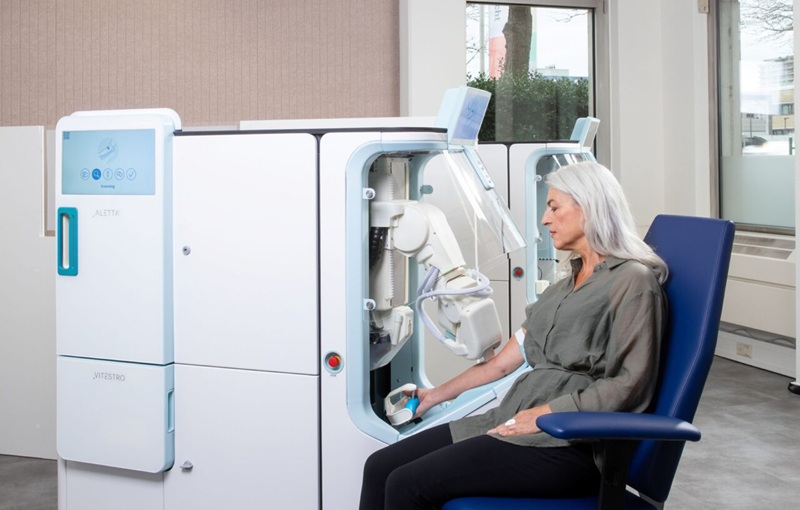
Aletta is designed to autonomously perform diagnostic blood collection using multimodal imaging and advanced control. The platform integrates near-infrared, ultrasound, and Doppler ultrasound to help distinguish veins from arteries. These imaging modalities are combined with robotics and AI to identify appropriate veins, guide needle insertion, and collect samples with high precision and consistency.
The system is described as supporting phlebotomy departments by performing routine blood draws, helping address staffing challenges, standardizing quality, and enhancing the patient experience. Aletta is already CE-marked and in clinical and pre-commercial use across Europe. The company states that Aletta will be first commercially deployed in Europe, with the U.S. to follow.
Following authorization, Vitestro plans to advance manufacturing scale-up, build commercial infrastructure, and conduct phased rollout planning ahead of a U.S. market introduction. Prior to U.S. commercial availability, a U.S. multicenter clinical trial is planned to validate the performance and safety of Aletta and generate clinical evidence to support adoption in hospital and outpatient blood draw centers. These activities are intended to prepare for broader deployment of autonomous phlebotomy.
“From our CE mark in Europe to today’s FDA authorization in the U.S., this milestone reflects years of technical development and confirms that autonomous phlebotomy can meet the same rigorous safety and effectiveness standards patients and clinicians expect globally,” said Toon Overbeeke, CEO and co-founder of Vitestro.
Related Links
Vitestro