Beckman Coulter Exhibits New Hematology Analyzer in Middle East
|
By LabMedica International staff writers Posted on 31 Jan 2019 |


|
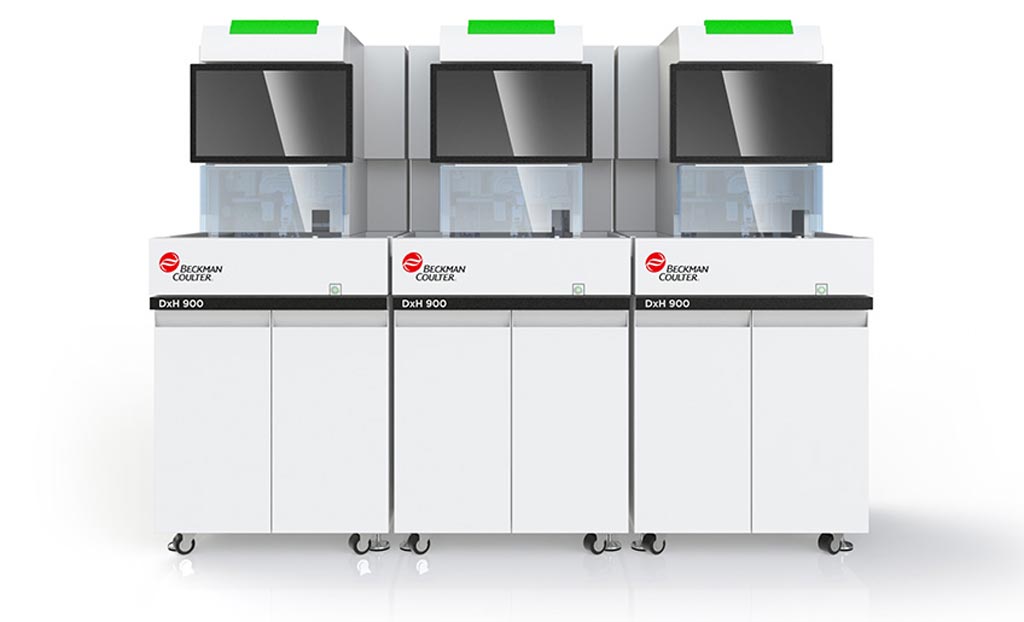
Image: The DxH 900 hematology analyzer (Photo courtesy of Beckman Coulter).
Beckman Coulter (Brea, CA, USA) exhibited its DxH 900 hematology analyzer at MedLab Middle East, an international platform for laboratory management and medicine that brought together more than 700 exhibitors and over 35,000 professionals. MedLab Middle East 2019 took place at the Dubai International Convention and Exhibition Centre, Dubai, UAE, from February 4-7, 2019.
At the event, Beckman Coulter displayed its DxH 900 hematology analyzer, which allows mid- to high-volume clinical laboratories to perform complete blood count and white blood cell differential tests with minimal repeats. The DxH 900 analyzer offers advanced technologies to support patient care, by delivering the right results the first time. Foundational to the system are its core technologies, including the enhanced Coulter Principle, VCS 360 and DataFusion. These features offer high-resolution analysis of cells in their near-native states, providing a precise cellular assessment for excellent red blood cell, platelet and white blood cell test results on the first pass.
The DxH 900 analyzer demonstrates industry-leading 93% first-pass throughput, providing accurate flagging and reducing the number of slide reviews. This helps to generate reportable results as quickly as possible, reducing the time, supplies and costs that may be required for systems with higher repeat rates. Adding to this is the analyzer's lean reagent portfolio, which includes four reagents compared to 11 reagents required by other analyzers. Further, the DxH 900 features one of the smallest footprints in its class, making it highly efficient in utilization of laboratory space.






At the event, Beckman Coulter displayed its DxH 900 hematology analyzer, which allows mid- to high-volume clinical laboratories to perform complete blood count and white blood cell differential tests with minimal repeats. The DxH 900 analyzer offers advanced technologies to support patient care, by delivering the right results the first time. Foundational to the system are its core technologies, including the enhanced Coulter Principle, VCS 360 and DataFusion. These features offer high-resolution analysis of cells in their near-native states, providing a precise cellular assessment for excellent red blood cell, platelet and white blood cell test results on the first pass.
The DxH 900 analyzer demonstrates industry-leading 93% first-pass throughput, providing accurate flagging and reducing the number of slide reviews. This helps to generate reportable results as quickly as possible, reducing the time, supplies and costs that may be required for systems with higher repeat rates. Adding to this is the analyzer's lean reagent portfolio, which includes four reagents compared to 11 reagents required by other analyzers. Further, the DxH 900 features one of the smallest footprints in its class, making it highly efficient in utilization of laboratory space.

Platinum Member
Automated Coagulation Analyzer
Hemolumi H6
Gold Member
Aspiration System
VACUSAFE
POC Immunoassay Analyzer
Procise DX
Automatic CLIA Analyzer
Shine i6000
Latest MEDLAB 2019 News
- ERBA Group Launches New Hematology Analyzers at MEDLAB 2019
- Telstar Promotes Latest Generation of Freeze Dryers in Dubai
- Siemens Healthineers Showcases In-Vitro Diagnostics Products at MedLab 2019
- Randox Promotes Evidence MultiSTAT Automated Benchtop Immunoassay Analyzer
- Mindray Displays New Generation Benchtop Cellular Analysis Line
- HORIBA Medical Shows Latest Yumizen G Range at Lab Trade Show
- Greiner Bio-One Displays Range of Safety Products at MedLab
- EKF Diagnostics Presents Latest Diabetes Care Analyzers
- BioSystems Highlights New iFOB Integral System at MedLab 2019
- Agappe Diagnostics Displays Analyzers and Solutions at Middle East Congress
- Abbott Highlights Point of Care Management Solutions
Channels
Clinical Chemistry
view channel
Blood Test Could Guide Drug Selection to Prevent Repeat Heart Attacks and Strokes
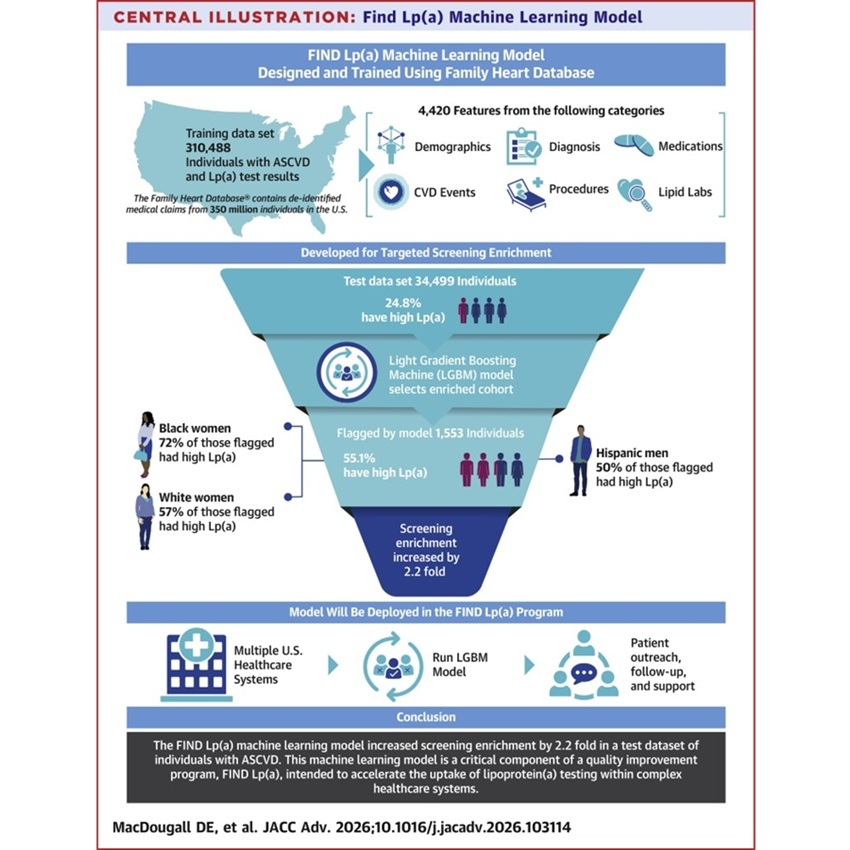
Secondary prevention after myocardial infarction or stroke relies on antiplatelet therapy, yet responses vary widely and both recurrent thrombosis and bleeding remain persistent risks. In the United Kingdom,... Read more
Blood Test Patterns Improve Cancer Risk Assessment in Primary Care
Unexplained weight loss is a common but nonspecific presentation in primary care that can precede several types of cancer, making referral decisions difficult. Routine blood tests may produce borderline... Read more
Molecular Diagnostics
view channel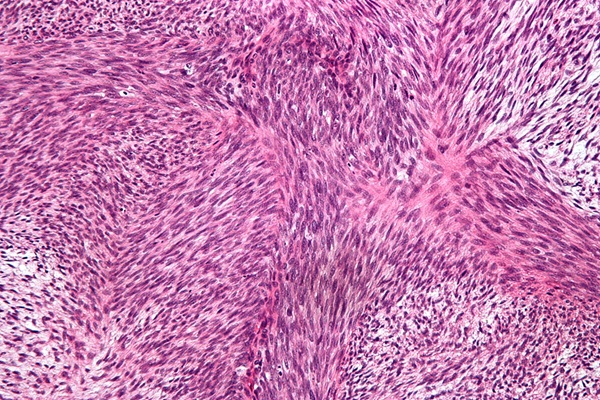
Liquid Biopsy Shows Promise for Detecting and Monitoring Malignant Nerve Sheath Tumors
Malignant peripheral nerve sheath tumor (MPNST) is one of the most serious cancers affecting people with neurofibromatosis type 1 (NF1), yet timely recognition remains difficult. Clinicians often struggle... Read more
Blood-Based MRD Test Predicts Recurrence Risk After Lung Cancer Surgery
Assessing recurrence risk after surgery for early-stage non-small cell lung cancer remains challenging, complicating adjuvant therapy and surveillance decisions. Blood-based molecular residual disease... Read more
Multiomic Blood Test Supports Noninvasive Monitoring and Subtyping in Pancreatic Cancer
Pancreatic ductal adenocarcinoma remains difficult to detect early and monitor during treatment, particularly in patients with homologous recombination defects. Clinicians also have limited noninvasive... Read more
Electronic Genome Mapping Reveals Structural Abnormalities in Hematologic Malignancies
Cytogenomic profiling is fundamental to characterizing hematologic malignancies, where detection of structural variants and copy number variants guides high‑resolution analysis. Standard cytogenetic testing... Read moreHematology
view channel
Updated Ferritin Thresholds Improve Detection of Iron Deficiency
Iron deficiency is one of the most common health conditions worldwide, yet its nonspecific symptoms can delay diagnosis for months. Variation in testing practices and ferritin thresholds may contribute... Read more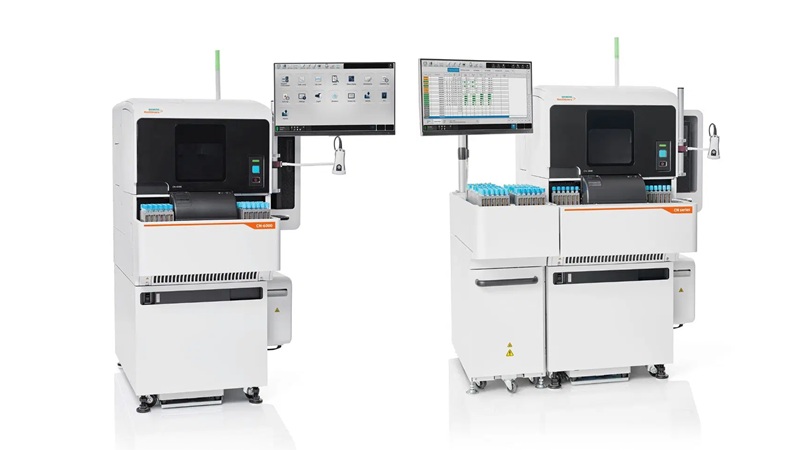
New Automated Hemostasis Systems Become Available Across US Laboratories
Hemostasis testing supports critical decisions in surgery, anticoagulation management, and the evaluation of bleeding and thrombotic disorders, but laboratories continue to face rising volumes and complex... Read more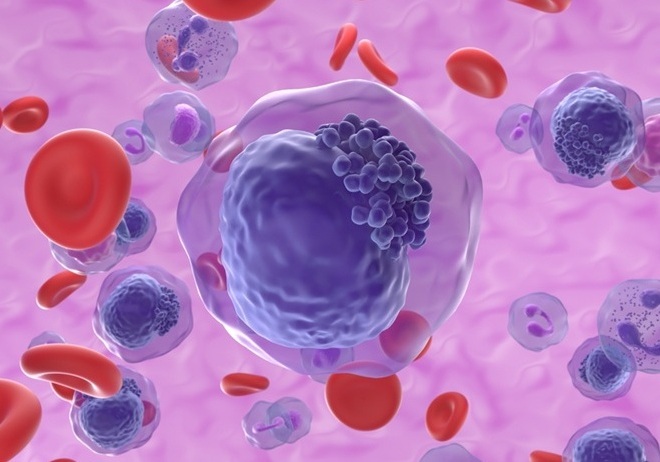
Immunology
view channel
Blood EBV Activity Biomarkers May Predict Multiple Sclerosis Relapse Months Ahead
Predicting relapse in multiple sclerosis (MS) remains difficult, limiting opportunities for timely intervention and monitoring. Although many people harbor latent Epstein-Barr virus (EBV), growing evidence... Read more
New Cellular Map May Help Predict Crohn’s Disease Course in Children
Crohn’s disease in children is a common and debilitating form of inflammatory bowel disease, marked by chronic intestinal inflammation and limited pediatric-specific treatments. Clinicians must decide... Read more
Temporal Immune Profiling Reveals How Sepsis States Change Over Time
Sepsis is a life-threatening condition in which the immune response to infection becomes dysregulated, leading to rapid organ failure and death. Although antimicrobials and organ support remain standard... Read more
Study Identifies Immune Cells That Drive Harmful Autoantibody Responses in COVID-19
Autoantibodies that mistakenly attack the body’s own tissues have been linked to severe COVID-19, Long COVID, and increased risk of autoimmune disease. However, the origins of these autoantibodies during... Read moreMicrobiology
view channel
Early-Life Gut Microbiome Changes May Help Assess Type 1 Diabetes Risk
Type 1 diabetes (T1D) affects more than 9 million people worldwide, including 1.8 million children and adolescents, and often begins years before symptoms appear. Early identification of children who are... Read more
Expanded Newborn Screening Program Increases Detection of Congenital Cytomegalovirus
Congenital cytomegalovirus is the most common maternal–fetal infection and often goes undetected at birth, despite its potential to cause progressive hearing loss and developmental delays.... Read more
FDA Breakthrough-Designated Urine Panel Aims to Shorten Pathogen and Susceptibility Testing
Urinary tract infections are among the most common bacterial infections and a major driver of antibiotic prescribing, yet culture-based workflows can take days to produce results. Treatment often begins... Read more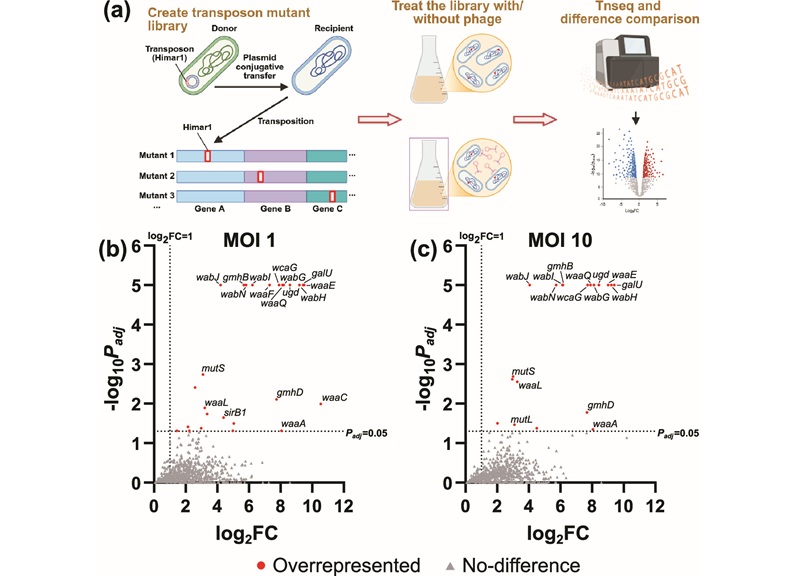
Pathology
view channel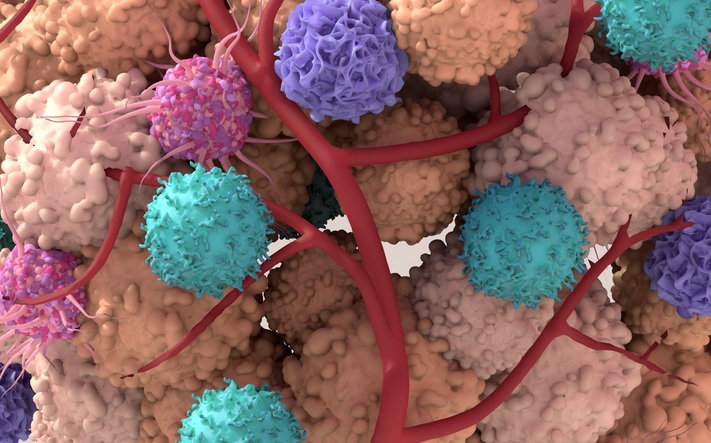
Tumor Blood Vessel Features May Help Predict Colorectal Cancer Survival
Colorectal cancer outcomes vary widely, and tumor biology remains a key determinant of prognosis. Because neoplasms depend on a vascular supply, differences in intratumoral vessels may influence survival.... Read more
Multimodal AI Improves Breast Cancer Recurrence Risk Prediction Beyond Standard Genomic Testing
Predicting which patients with early-stage breast cancer will develop distant recurrence remains difficult, complicating decisions about long-term therapy and surveillance. Widely used genomic assays are... Read more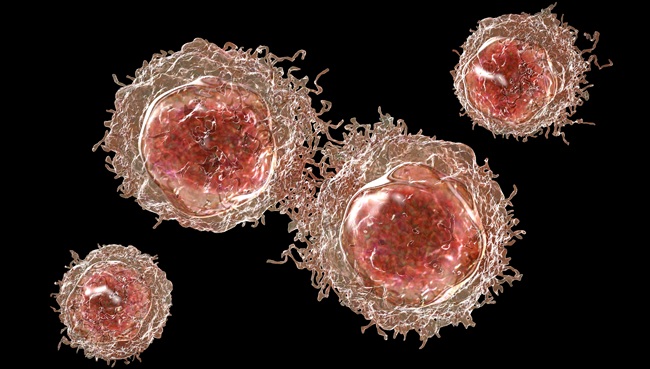
Machine Learning Cytology Tool Improves Cancer Cell Identification
Cytological screening remains central to early cancer detection, but its accuracy depends heavily on expert interpretation of stained cells. Under conventional microscopy, malignant and reactive cells... Read more
Tumor Budding Grading May Predict Chemotherapy Benefit in Resected Lung Squamous Cancer
Outcomes after resection for lung squamous cell carcinoma (SqCC) vary substantially, and the uneven benefit of adjuvant chemotherapy complicates postsurgical treatment decisions. Pathologic markers that... Read moreTechnology
view channel
ADLM Calls for CLIA Updates to Support Safe AI Use in Laboratory Medicine
Clinical laboratories increasingly use artificial intelligence to verify, interpret, and report results, but safeguards under the Clinical Laboratory Improvement Amendments (CLIA) were designed in 1992.... Read more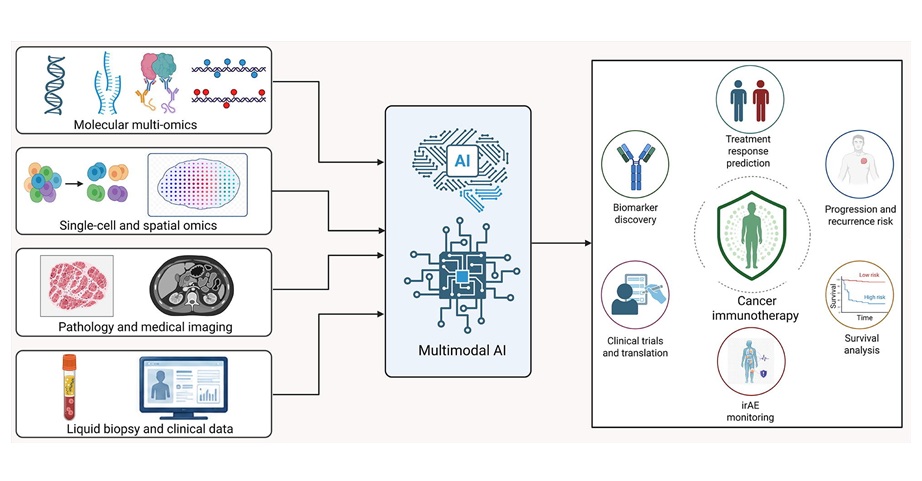
Multimodal AI Framework Aims to Guide Cancer Immunotherapy Decisions
Cancer immunotherapy has reshaped oncology, but heterogeneous responses and immune-related toxicities continue to complicate routine decision-making. Standard biomarkers, including programmed death-ligand... Read more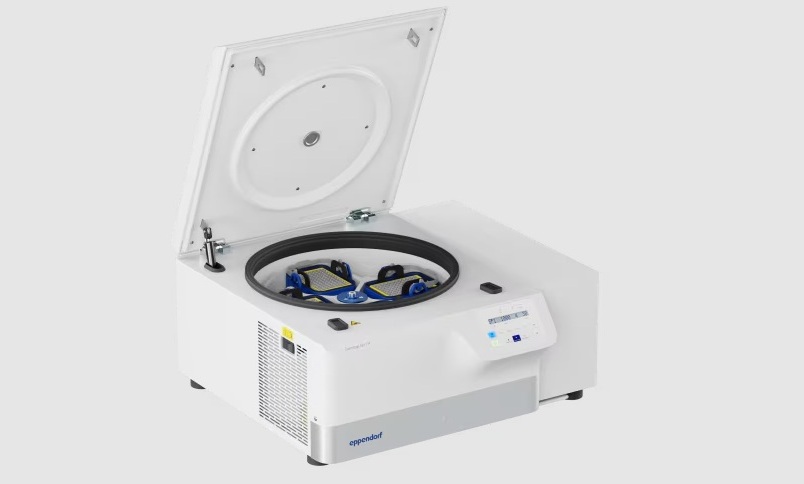
New Multipurpose Centrifuge Combines High Capacity with Sustainable Cooling
Laboratories often need centrifugation that accommodates multiple vessel formats while maintaining controlled temperatures to protect sensitive samples. Intuitive controls and repeatable operation can... Read more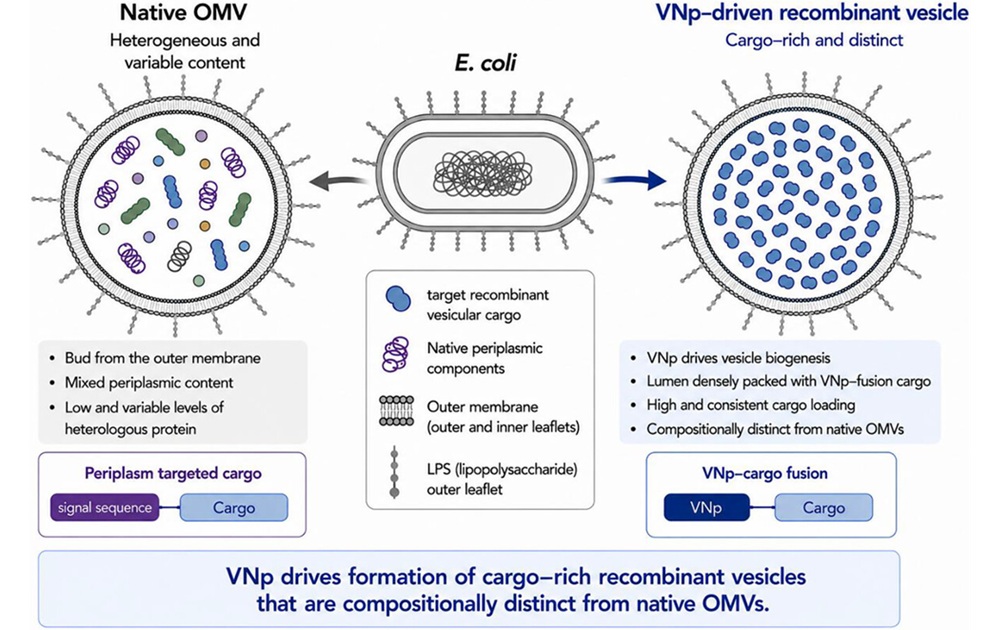
Bacterial Vesicle Expression System Streamlines Production of Cancer Diagnostic Proteins
Recombinant proteins are central to many cancer diagnostics and therapies, but numerous targets remain difficult and costly to produce because they are unstable, toxic to microbial hosts, or require precise folding.... Read moreIndustry
view channel
Siemens Healthineers and Novo Collaborate to Expand Access to Noninvasive Liver Testing
Metabolic dysfunction‑associated steatotic liver disease (MASLD) and its progressive form, metabolic dysfunction‑associated steatohepatitis (MASH), affect millions and are linked to obesity, type 2 diabetes,... Read more
Mayo Clinic and Thermo Fisher Launch Multi-Omics Venture to Identify Early Disease Signals
Many diseases begin developing years before symptoms emerge, making early detection difficult for healthcare systems and clinical laboratories. Linking molecular changes with longitudinal health data could... Read more
Sputum-Based Lung Cancer Test Technology Granted Hong Kong Patent
Asia accounts for nearly two-thirds of lung cancer cases worldwide, with an estimated 1.6 million new diagnoses across the region each year. Against this substantial disease burden, a newly granted patent... Read more