New Marker Helps Detect Aggressive Multiple Myeloma Earlier
Posted on 22 Jul 2026
Multiple myeloma is an incurable malignancy of plasma cells and the second most common blood cancer worldwide, with more than 188,000 new cases each year. Although therapies have advanced, most patients eventually relapse, and outcomes remain particularly poor in aggressive disease. Rapid recognition of high-risk cases at diagnosis remains difficult, which can delay timely clinical decision-making. A new study shows that elevated levels of a cell-adhesion protein are strongly associated with shorter survival in newly diagnosed multiple myeloma.
University of Adelaide and SA Pathology researchers identified the protein Desmoglein-2 (DSG2) as a prognostic biomarker after analyzing clinical and genomic data from 678 newly diagnosed patients. Published in the British Journal of Haematology on May 18, 2026, the findings indicate that patients with the highest DSG2 expression had substantially worse outcomes than those with low expression. The investigators report that the protein’s prognostic value persisted after adjustment for age, disease stage, treatment type, and stem cell transplantation.
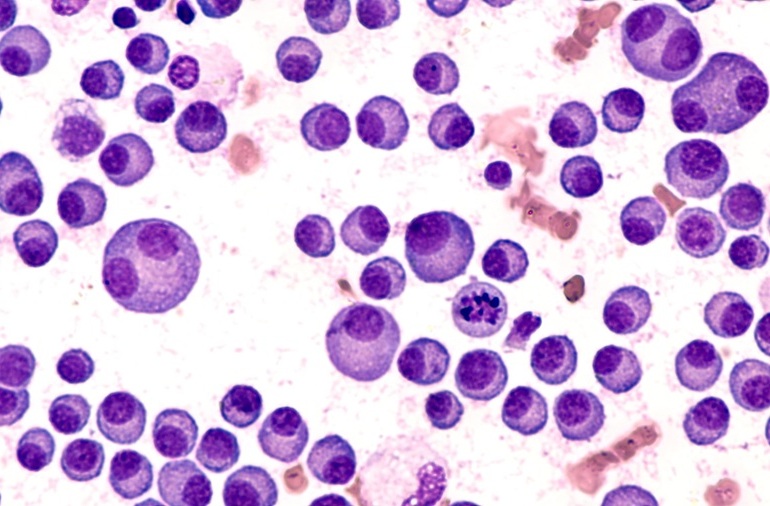
The analysis further showed that high DSG2 expression correlated with significantly greater risks of both disease progression and death. According to the authors, the marker remained a strong predictor across genomic subtypes and may help uncover aggressive disease that current classifications miss. The team notes that these observations suggest a role for assessing DSG2 expression alongside established genomic risk‑stratification approaches at diagnosis.
Researchers also emphasize the need for additional validation studies and exploration of whether DSG2 itself might be a therapeutic target. They add that identifying patients with particularly aggressive myeloma early in the care pathway could influence initial treatment planning. The work was conducted by investigators from the University of Adelaide in collaboration with SA Pathology’s Center for Cancer Biology.
“While genomic testing has improved our ability to identify high-risk disease, some patients who appear to have standard-risk myeloma still experience rapid progression and poor survival. Our findings show that high DSG2 levels can identify patients with a particularly aggressive type of multiple myeloma that may not be captured by existing risk-stratification approaches,” said Claudine Bonder, Professor at the University of Adelaide’s Center for Cancer Biology.
“Rapidly identifying patients who are likely to have more aggressive forms of the disease is critical because it can influence treatment decisions from the very beginning. DSG2 has the potential to become an additional tool that helps clinicians better predict how a patient’s disease will behave and tailor treatment accordingly,” said Dr. Barbara McClure, from the University of Adelaide’s Center for Cancer Biology.
Related Links
Center for Cancer Biology