Expanded Diagnostics and Therapies Target Rising Gonorrhea Resistance
Posted on 24 Jul 2026
Drug-resistant Neisseria gonorrhoeae is straining current treatment protocols and elevating the risk of complications across sexual health services. More than 500,000 cases are reported each year in the United States and an estimated 82 million occur worldwide, raising concern about rising treatment failures. Clinicians increasingly need tools that rapidly align therapy with local resistance patterns and laboratory results. A new peer‑reviewed journal supplement highlights advances in diagnostics, rapid resistance testing, surveillance, and additional therapies to address this challenge.
University of California, Los Angeles (UCLA) investigators describe a treatment‑diversification approach that pairs rapid diagnostic testing with genotypic prediction of antimicrobial susceptibility, ongoing resistance surveillance, and newly authorized antibiotic options. The framework aims to match each patient with the therapy most likely to succeed while broadening the number of effective agents in routine use. By diversifying treatment and strengthening feedback between laboratories and clinicians, the strategy is intended to slow resistance evolution and improve outcomes.
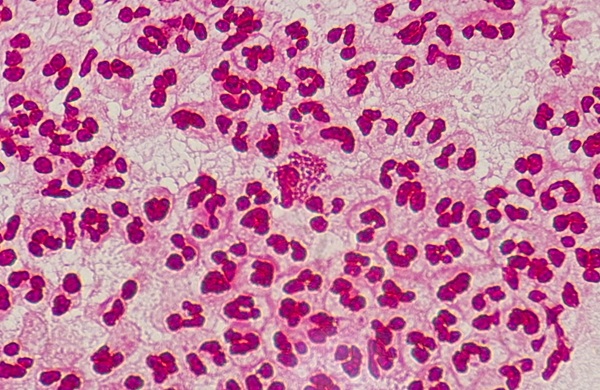
New molecular assays are highlighted for their ability to identify genetic markers linked to antibiotic resistance. These tests could enable clinicians to select an active regimen before prescribing, which the authors note could improve cure rates, reduce treatment failures, and help preserve the effectiveness of existing antibiotics. When interpreted alongside local epidemiology and resistance surveillance, such results may support more personalized decision‑making at the point of care.
The synthesis is presented in a 2026 Clinical Infectious Diseases supplement titled “Treatment Diversification to Address the Continued Rise of Antimicrobial Resistance in Neisseria gonorrhoeae.” The publication consolidates current evidence on diagnostics and therapeutics and outlines system‑level priorities, including expanding access to resistance testing for frontline clinicians and strengthening public health surveillance. Equitable access to both diagnostics and treatments is emphasized as essential for broad patient benefit.
Therapeutic options are also expanding, with two new therapies recently approved by the U.S. Food and Drug Administration (FDA) for gonorrhea. Determining how to deploy these agents to ensure access while delaying resistance is identified as a key next step. Immediate priorities include integrating rapid resistance testing into routine care, evaluating newer treatments in real‑world settings, and scaling surveillance worldwide, with the overarching goal of a flexible, patient‑specific care model that adapts to changing resistance patterns.
Related Links
UCLA Health