






Pathology

ctDNA Provides Prognostic Clues in Advanced BRAF-Mutated Melanoma Cases
A BRAF mutation is a change in a BRAF gene. That change in the gene can lead to an alteration in a protein that regulates cell growth that could allow the melanoma to grow more aggressively. Approximately half of melanomas carry this mutation and are referred to as mutated, or BRAF positive. More...02 Mar 2021
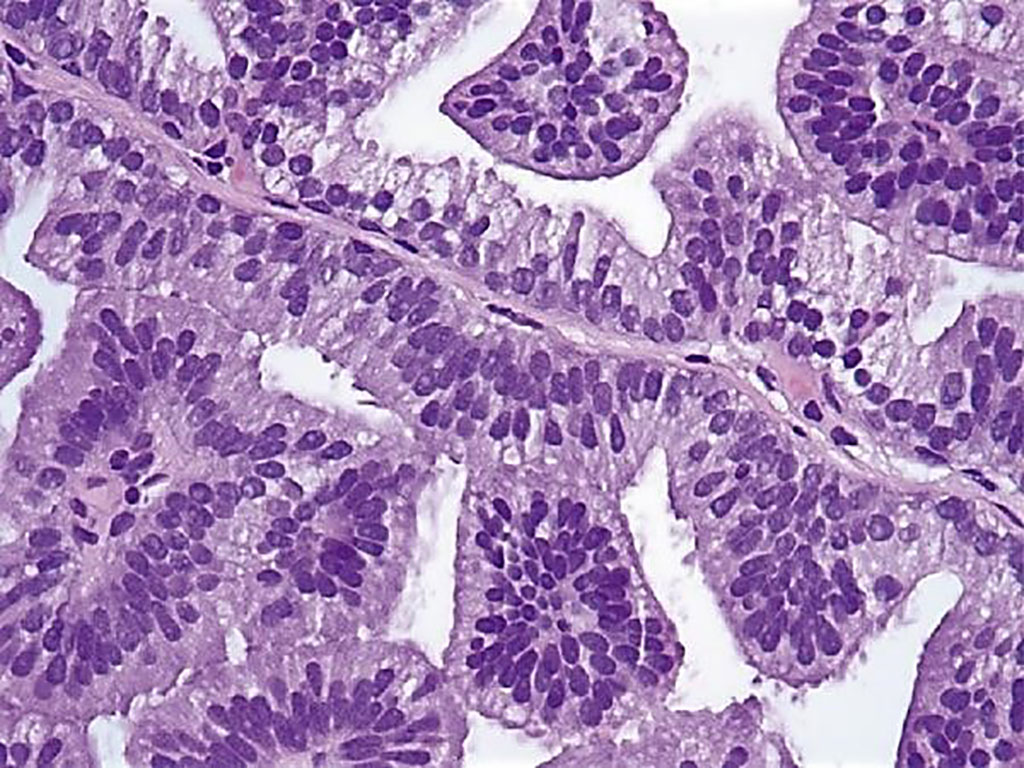
22-Gene Genomic Classifier Validated in Recurrent Prostate Cancer Patients
When prostate cancer has been detected or has returned following initial treatment with surgery, radiation therapy and/or hormone therapy, it is said to be recurrent or relapsed. Treatment of recurrent prostate cancer depends on what treatment a patient has previously received and the extent of the cancer. More...25 Feb 2021

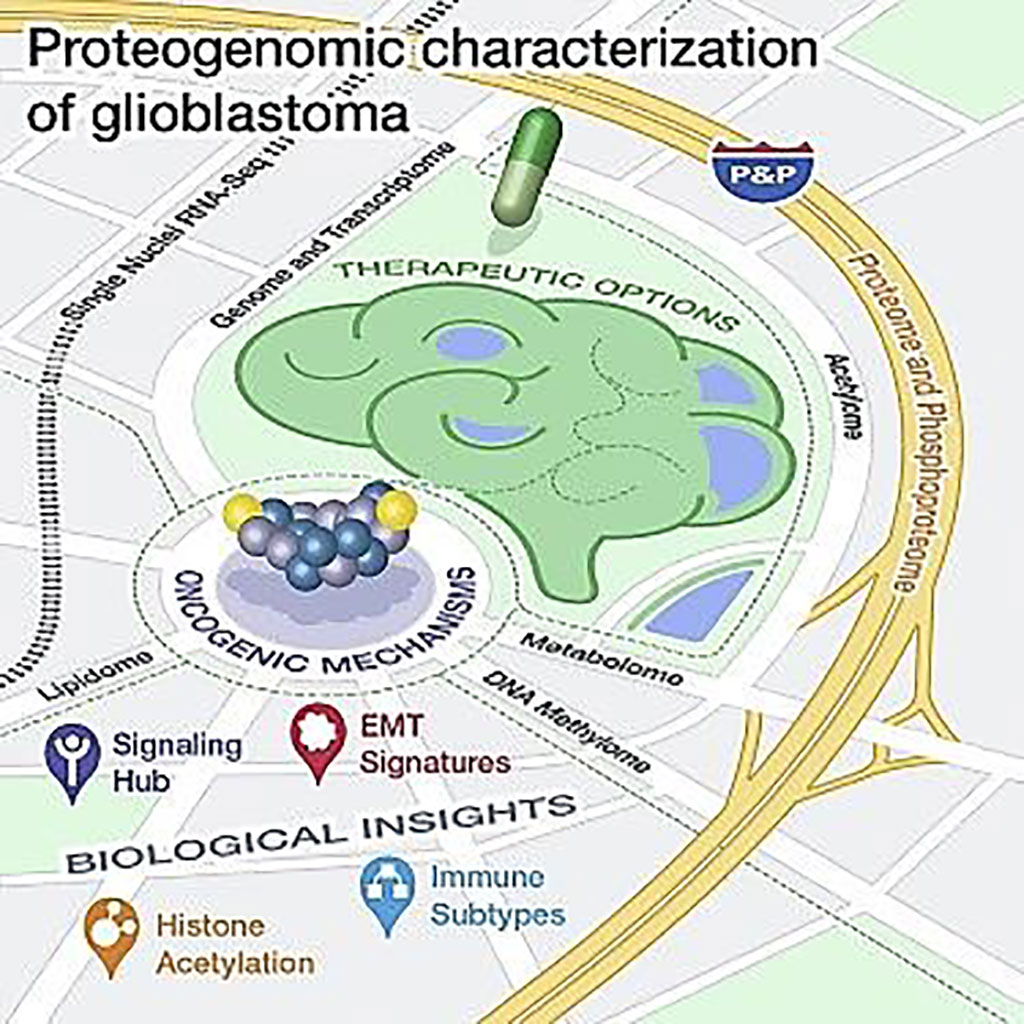
Proteogenomic And Metabolomic Studies Characterize Human Glioblastoma
Glioblastoma (GBM) is an aggressive type of cancer that can occur in the brain or spinal cord. Glioblastoma forms from cells called astrocytes that support nerve cells. Glioblastoma can occur at any age, but tends to occur more often in older adults. It can cause worsening headaches, nausea, vomiting and seizures. More...23 Feb 2021
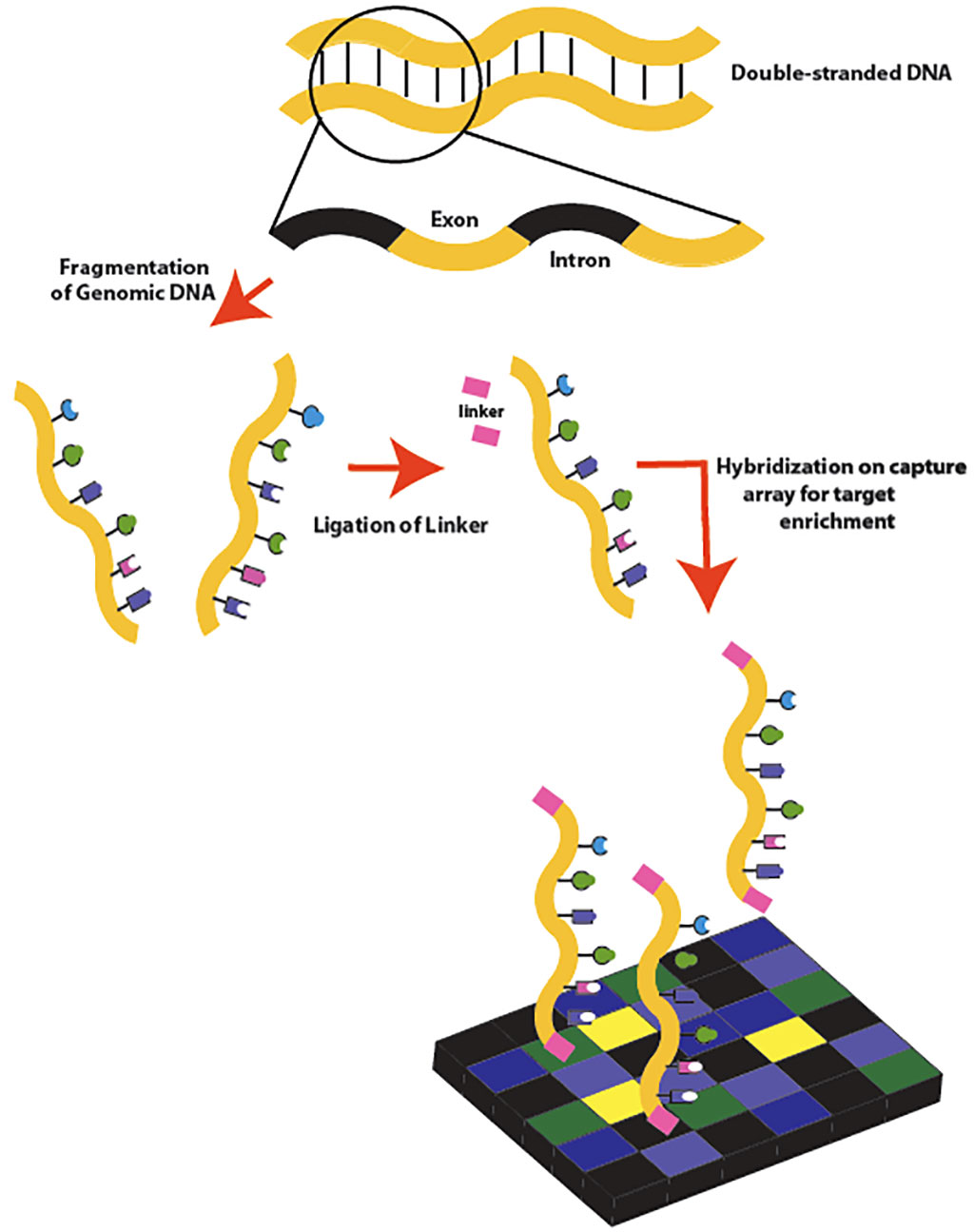
Exome Sequencing Identified Pathogenic Variants in Cerebral Palsy Patients
Cerebral palsy (CP) is a group of permanent movement disorders that appear in early childhood. Signs and symptoms vary among people and over time. Often, symptoms include poor coordination, stiff muscles, weak muscles, and tremors. More...18 Feb 2021
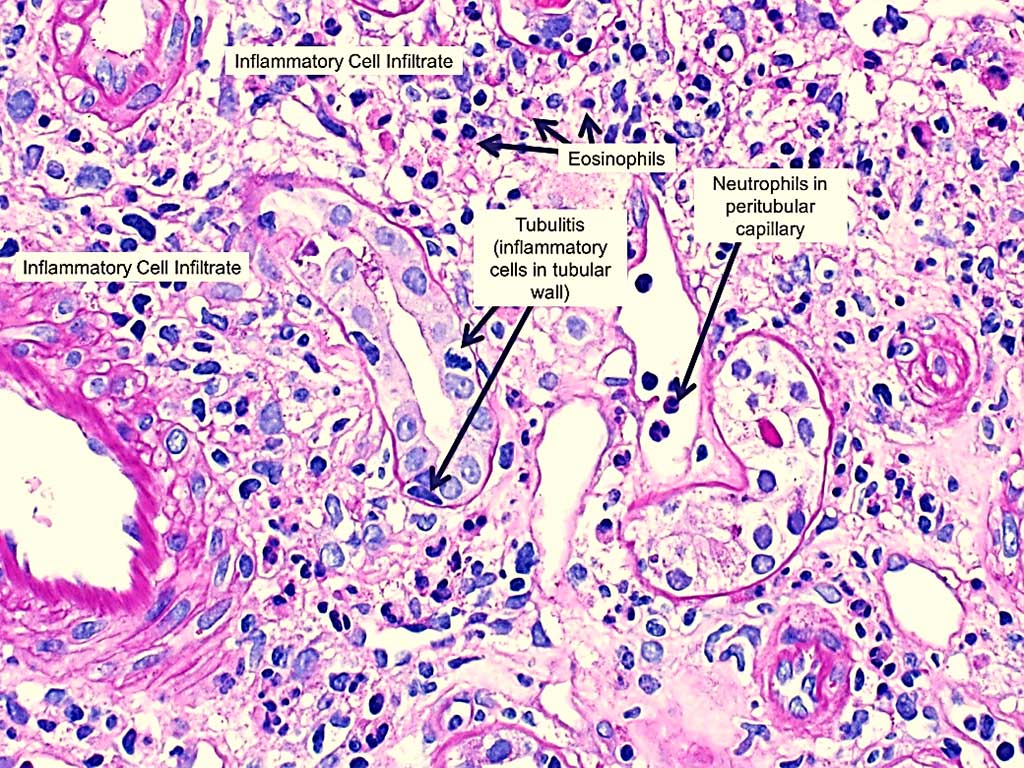
Biomarkers Evaluate Kidney Injury in Cancer Patients
Immune checkpoint inhibitors (ICI) are monoclonal antibodies that can unleash the immune system by blocking surface molecules that serve as important breaks (or checkpoints) that mediate negative regulation of T cells. ICI have substantially improved the prognosis for patients with a wide range of malignancies. More...17 Feb 2021

Biomarker Predicts Pancreatic Cancer Patients’ Response to CD40 Immunotherapy
Pancreatic ductal adenocarcinoma (PDAC) is the most common type of pancreatic cancer and currently the third leading cause of cancer deaths in the USA. Despite the fact that it only accounts for about 3% of new cancer cases, it is responsible for more than 7% of all cancer deaths, and only10% of patients survive five years with the disease. More...17 Feb 2021


Platinum Member

Automated Coagulation Analyzer
Hemolumi H6

Gold Member

Aspiration System
VACUSAFE

New

Drug Testing Assays
Atellica DT 250 Analyzer


LAIR2 Antibody Pair Set
LAIR2 Antibody Pair [Biotin]
In Other News
TAP1 Gene Polymorphisms Associated with Recurrent Respiratory Papillomatosis
Blood Test Detects Early Colorectal Adenomas
Liquid Biopsy Predicts Colon Cancer Relapse Months Earlier
Cell-Free DNA Detects Heart Allograft Acute Rejection
Proinflammatory T Cell Polarization Investigated in Early Knee Osteoarthritis
Alzheimer's Progression Tracked with Blood Biomarkers
Mismatch Repair/Microsatellite Instability Evaluated Using Cytology Effusion Specimens
Metastatic Gastric Cancer Outcomes Informed by Single-Cell Transcriptome Profiles
Alzheimer's Disease Subtypes Proposed from Brain Gene Expression Profiles
Common Brain Malformation Traced to Its Genetic Roots
Combination Urinary Biomarker Panel Detects Pancreatic Cancer Earlier
Multiplex Bead-Based Immunoassay Validated for Non-Invasive Bladder Cancer Detection
Single-Cell Transcriptome Links Gut Development, Pediatric Crohn's Disease
Rare Genetic Variants Can Contribute to Ischemic Heart Failure
Distinct Mutation Patterns Identified in Appendiceal Cancer
Circulating Tumor Cell Dynamics Predicts Cancer Prognosis
Flow Cytometry Employed in Diagnosing Male Urethritis
Gene Expression Signature Traces Nonalcoholic Fatty Liver Disease Progression
Triple FIT Surpasses Single Sigmoidoscopy in CRC Screening
HDL-Cholesterol Predicts Survival in Cirrhotic Patients with Gastrointestinal Bleeding
Specific Gut Bacterium Linked to Irritable Bowel Syndrome
Incretin Hormone Levels Linked to Arteriosclerosis
Mitoses Counted with Digital Pathology in Breast Phyllodes Tumors


The Pathology channel details advances in the field of Surgical Pathology and all its subspecialties, including Cytopathology and its subspecialties.