






Microbiology
![Image: Conidiophores of Aspergillus fumigatus (Photo courtesy of the CDC - [US] Centers for Disease Control and Prevention).](https://globetechcdn.com/mobile_labmedica/images/stories/articles/article_images/2014-11-03/GMS-282.jpg "Image: Conidiophores of Aspergillus fumigatus (Photo courtesy of the CDC - [US] Centers for Disease Control and Prevention).")
Analysis of Volatile Substances in Breath of Pneumonia Patients Confirms Fungal Infection Diagnosis
Analysis of volatile substances in the breath of patients with respiratory infections has been proposed as a novel, noninvasive, pathogen-specific approach to identifying the precise microbial cause of pneumonia. More...03 Nov 2014
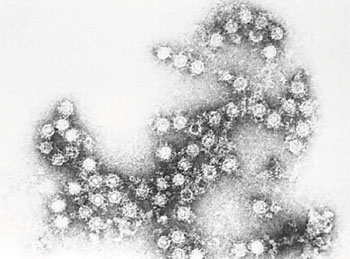

![Image: Scanning Electron Micrograph of Streptococcus pneumoniae by R. Facklam, J. Carr. Cerebrospinal fluid (CSF) β-2 transferrin detection decreases after inoculation with live or ciprofloxacin-inactived S. pneumoniae. This may be due to passive adsorption via distinctive features of the S. pneumoniae cell wall not present in the other bacterial species examined (Photo courtesy of MicrobeWiki and the CDC – [US] Centers for Disease Control and Prevention).](https://globetechcdn.com/mobile_labmedica/images/stories/articles/article_images/2014-10-21/MMS-117.jpg "Image: Scanning Electron Micrograph of Streptococcus pneumoniae by R. Facklam, J. Carr. Cerebrospinal fluid (CSF) β-2 transferrin detection decreases after inoculation with live or ciprofloxacin-inactived S. pneumoniae. This may be due to passive adsorption via distinctive features of the S. pneumoniae cell wall not present in the other bacterial species examined (Photo courtesy of MicrobeWiki and the CDC – [US] Centers for Disease Control and Prevention).")
Infection Can Lead to False Negatives for Cerebrospinal Fluid β-2 Transferrin
Researchers have found that the presence of Streptococcus pneumoniae in cerebrospinal fluid can lead to false-negative β-2 transferrin test results and misdiagnosis that may detrimentally affect healthcare decisions for patients. More...21 Oct 2014


Platinum Member

Automated Coagulation Analyzer
Hemolumi H6
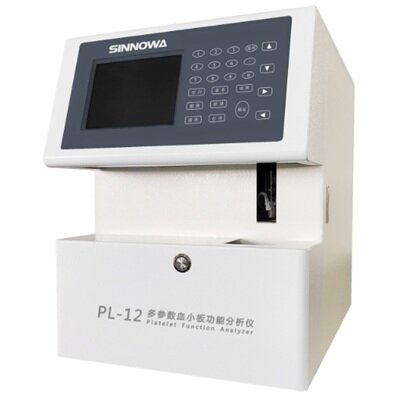
Gold Member

Platelet Function Analyzer
PL-12

CMV CLIA Diagnostic
CLIA CMV IgA Screen Group
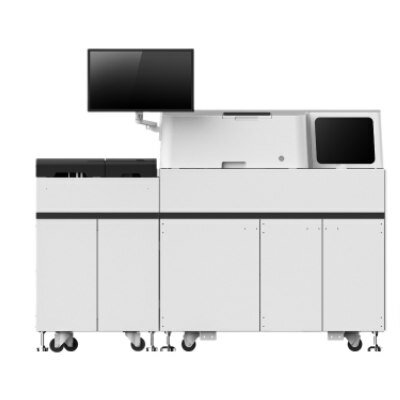

Automatic CLIA Analyzer
Shine i6000
In Other News
Respiratory Viruses Detected by Sensitive Molecular Technique
Shotgun Metagenomic Technique Detects Tuberculosis Bacteria in Patient Samples Without Culture or Enrichment
Rapid Agglutination Latex Test Developed for Diarrheagenic Pathogens
Biomarker Correlates With Survival for Pediatric Ebola Patients
Next-Generation DNA Sequencing Refines Pneumonia Diagnosis
High Rates of Hepatitis B Infection Found in Aboriginals
PCR-Based Gastroenteritis Diagnostic Assay Receives European Marketing Approval
Pneumonia Bacteria Can Compromise Heart Health
Rapid Diagnostic Test Evaluated for Yaws Infection
Rapid Urine Test Detects Bacteria Causing Pneumonia
Clinical Results Presented for Urine-Based High-Risk HPV Assay
Simple Inexpensive Test Rapidly Identifies Resistant Infections
Molecular Test Finds Increased Chikungunya Virus Infections
Clinically Significant Yeasts Identified by MALDI-TOF MS Systems
Innovative Technology Identifies Broad Range of Pathogens
Micropump Developed for Lab-On-A-Chip Disease Diagnosis
Clostridium Strains Emit Volatile Organic Compounds in Characteristic Patterns
Highly Sensitive Molecular Test Developed for Tuberculosis
Flow Cytometry Assay Speeds Diagnosis of Pediatric Tuberculosis
PCR-Based Diagnostics Move Out of the Lab and into the Field
Newly CE-Marked Automated Respiratory Disease Assay Now Available
PCR-RFLP Distinguishes Between Co-Endemic New World Leishmania Species
Discarded Blood Tests May Offer Life-Saving Information


The LabMedica Microbiology channel provides the latest news in the fields of epidemiology, bacteriology, virology, and parasitology, all viewed from the unique perspective of Laboratory Medicine.