






Immunology
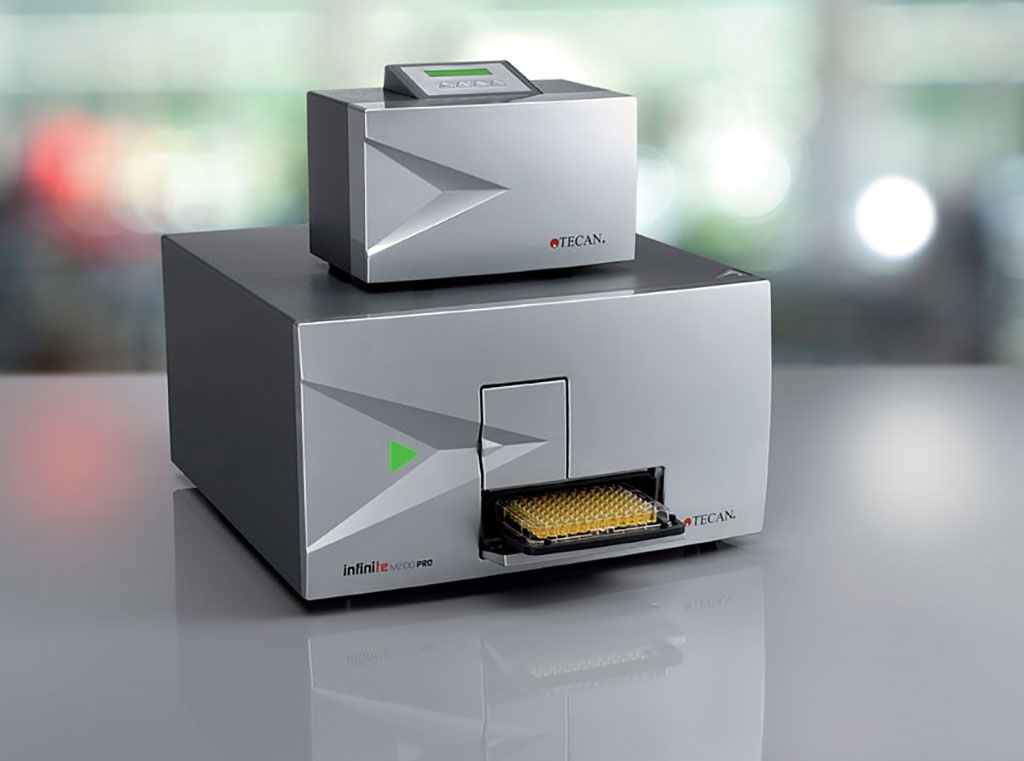
CCN1 Analyzed as a Biomarker for Breast Cancer Detection
Breast cancer is the most frequent malignancy in women with 1.7 million new cases and over 500,000 deaths worldwide in 2016. Early detection of cancer is believed to be crucial in reducing cancer death. Despite recent progress in liquid biopsy technologies, early blood-based detection of breast cancer is still a challenge. More...14 Sep 2021
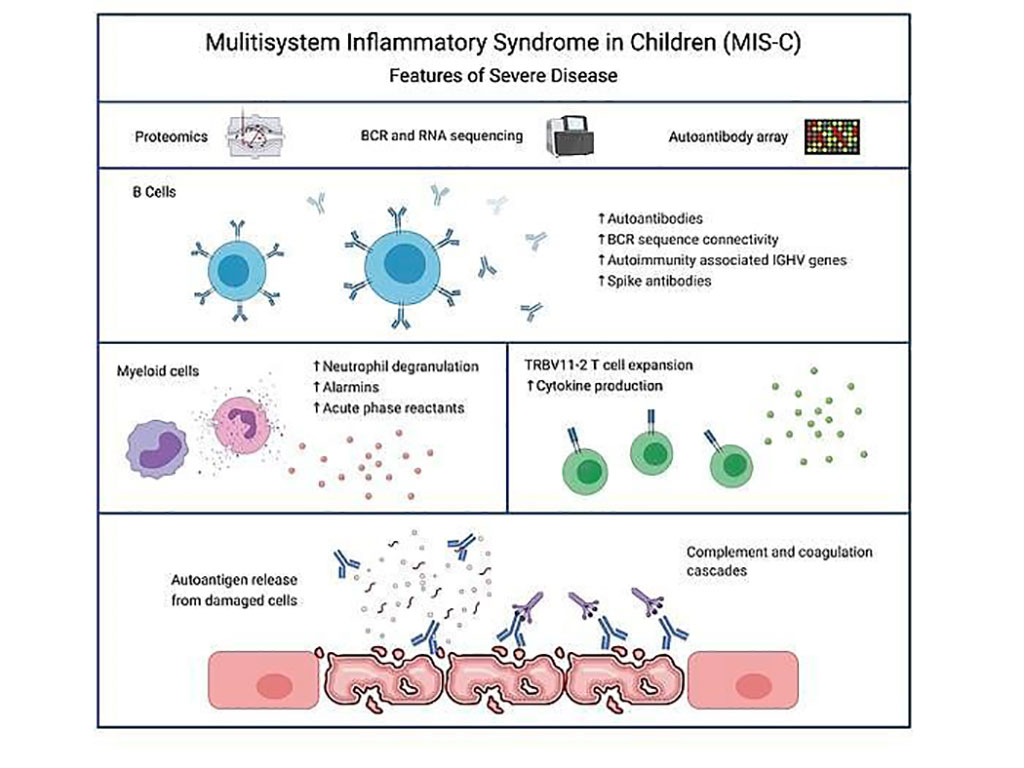
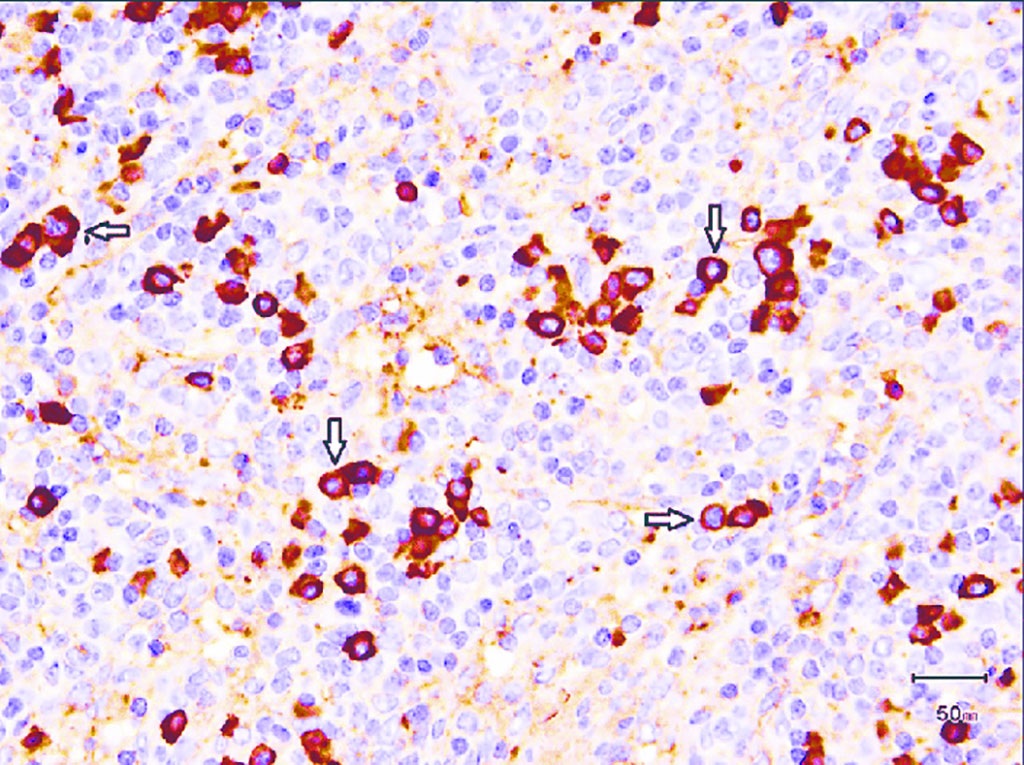
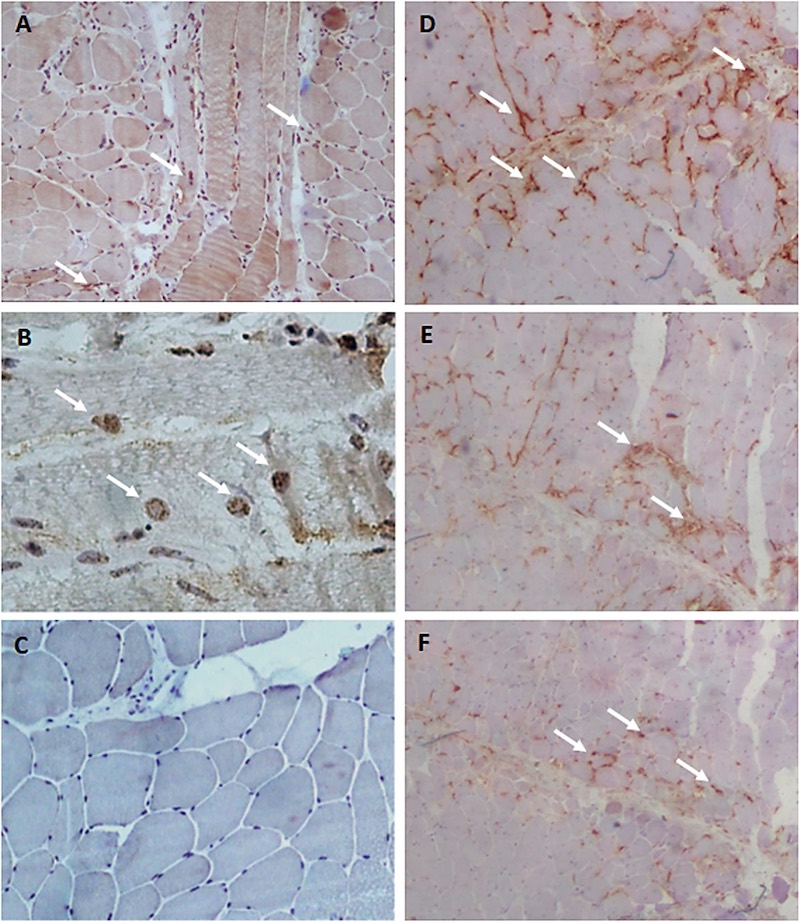
Protein-Expression Changes Specific to Immunoglobulin G4-Related Disease Analyzed
Immunoglobulin 4 (IgG4)-related disease (IgG4-RD) is a lymphoproliferative disorder characterized by elevated serum IgG4 levels and infiltration of IgG4-positive plasma cells into the affected tissues. More...09 Sep 2021
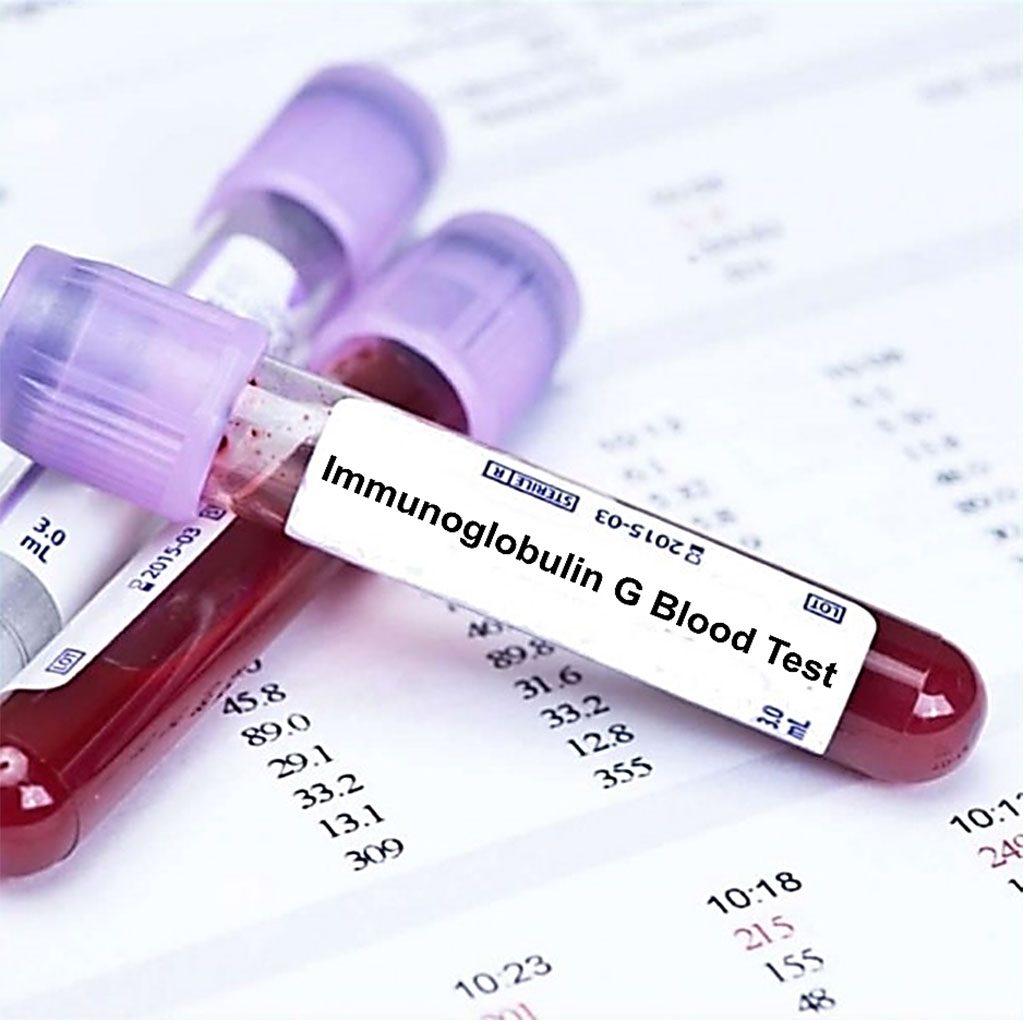
Immunoglobulin Levels Investigated in Adults with IgG Subclass Deficiency
Immunoglobulin G (IgG) subclass deficiency (IgGSD) is characterized by frequent or severe upper or lower respiratory tract infection, one or more subnormal IgG subclass level(s) unexplained by other causes, and decreased IgG response to pneumococcal polysaccharide vaccination (PPSV). More...30 Aug 2021
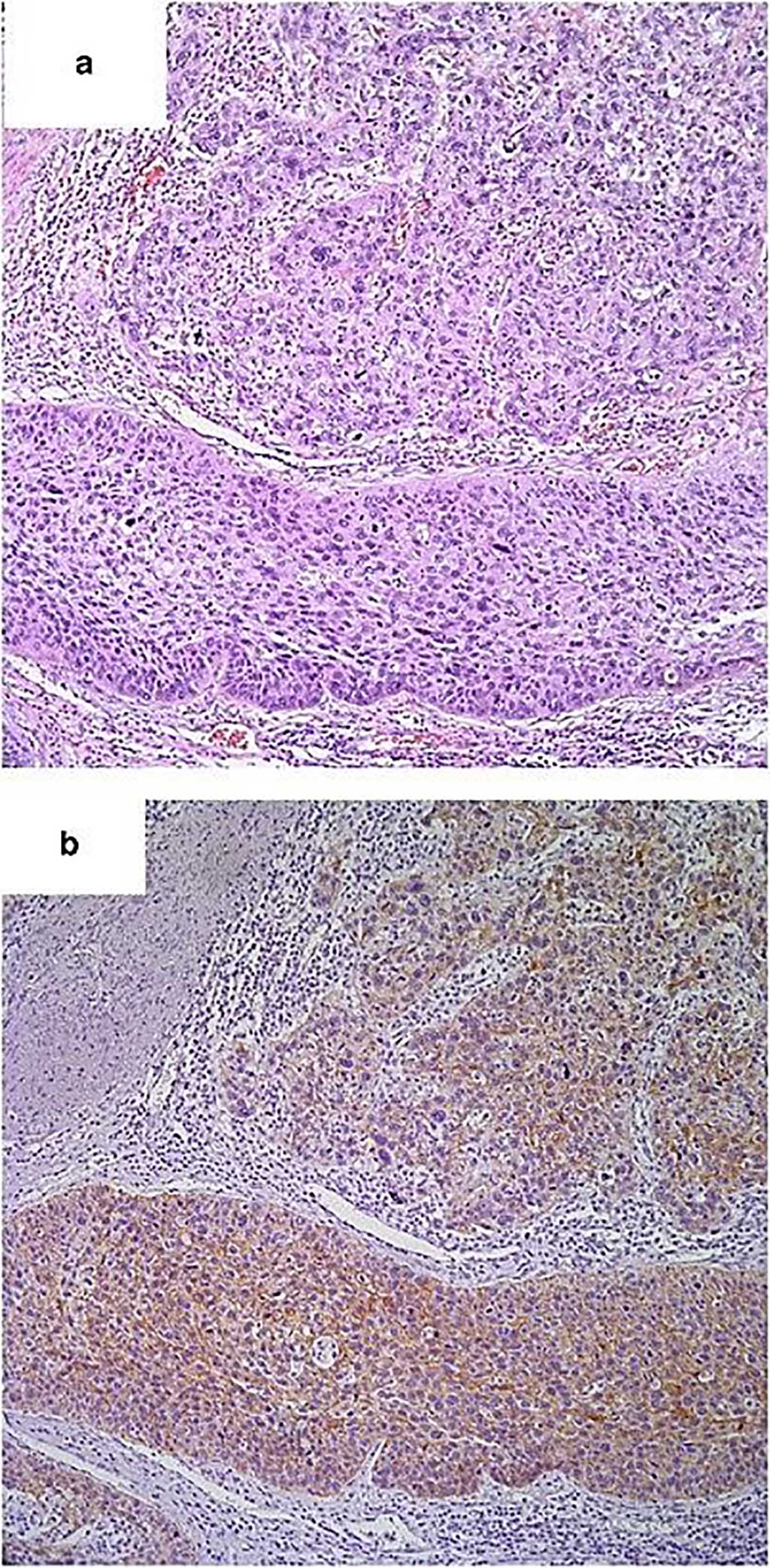
Biomarker p-120 Catenin Distinguishes Conventional Urothelial Carcinoma from Variants
Plasmacytoid urothelial carcinoma (PC-UC) is an infrequent and clinically aggressive variant of urothelial carcinoma (UC). Initially, PC-UC was identified based on morphology as a potential mimicker of malignant plasma cell and lymphoid neoplasms and is characterized by loss of E-cadherin (E-Cad)–mediated intercellular adhesion. More...24 Aug 2021

Automated Assays Evaluated For High-Sensitivity Thyroglobulin Measurement
Thyroglobulin (Tg) is a tumor marker for differentiated thyroid carcinoma (DTC) originating from thyroid follicular cell and is an important tumor marker for therapy control. Over the past decade, assays for highly sensitive Tg measurement have become increasingly established. More...12 Aug 2021


Platinum Member

Automated Coagulation Analyzer
Hemolumi H6
Gold Member

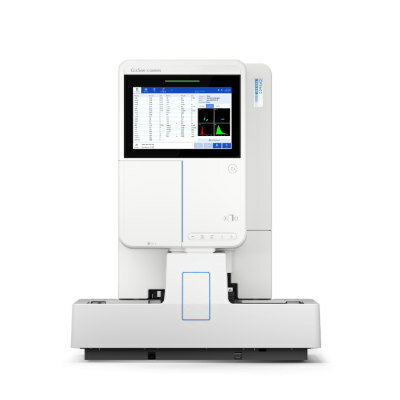
Automatic Hematology Analyzer
CF9600
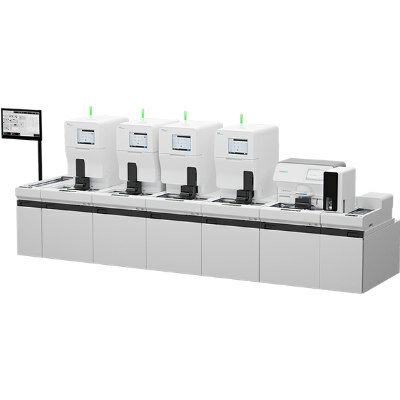

Automated Urinalysis Solution
UN-9000
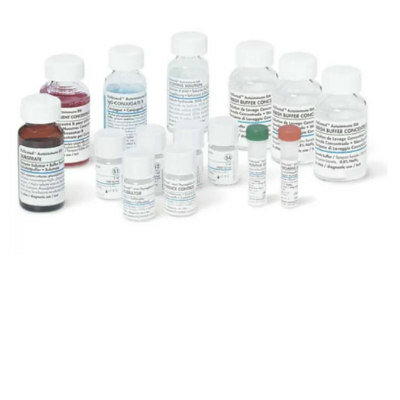

Thyroid Test
Anti-Thyroid EIA Test
In Other News
Multitarget Fecal Immunochemical Test Validated for Colorectal Cancer
Urinary Epidermal Growth Factor Investigated for Diabetes Nephropathy
Microbiome and Metabolic Features Tied to IBD Treatment Response
ALDOA and FH4 Antibodies Associated with Cerebrovascular Disease
Differential Biochemical Markers Identified in Inflammatory Processed Synovial Fluid
Diagnostic Biomarker MMP-13 Explored for Cutaneous Squamous Cell Carcinoma
T-Cell CD27 Expression Assessed for Smear-Negative Tuberculosis
Immunoassays Compared for Serum HE4 Estimation for Ovarian Cancer
Rotavirus Co-Infection with Diarrheagenic Pathogens Detected by Different Methods
Automated Immunoassays Evaluated for Immune Response to SARS-CoV-2
Two Inflammatory Proteins Linked with Slower Cognitive Decline
FABP4 Concentrations Quantified in Proliferative Diabetic Retinopathy
Two Immunoassays Compared for Determination of Serum Vitamin D
Biological Markers Associated with Severe Dengue Identified
Anti-Ganglioside Antibodies Analyzed in Celiac Disease
Biomarker Predicts Crohn's Disease Relapse in Children
Serum Leptin Concentration Predict Cardiovascular Outcomes in Hemodialysis Patients
Novel Dengue Virus IgG Rapid Diagnostic Test Evaluated
Rapid Diagnostic Tests Evaluated for Chronic Chagas Disease Patients
Gestational Diabetes May Predict Autoimmune Diabetes Risk
Serum Biomarkers Differentiates COVID-19 From Classic Cytokine Storm Syndromes
PF4 Immunoassays Investigated in Vaccine-Induced Thrombotic Thrombocytopenia
Cryptococcal Antigen Screening Evaluated Among People Living with HIV


The Immunology channel of LabMedica deals with diagnostic techniques and immuonassays such as ELISA, pregnancy tests, immunoblotting, immunohistochemical staining, serology, and associated hardware.