






Molecular Diagnostics

Sequencing Study Links DNA Alterations to Type 2 Diabetes
According to statistics from the World Health Organization, over 400 million people worldwide have diabetes. The vast majority of these cases are type 2 and diabetes is estimated to be the seventh leading cause of death globally. More...06 Jun 2019

FDA Clears CT/NG Assays for Extragenital Testing
Chlamydia trachomatis commonly known as chlamydia is a bacterium that can replicate only in human cells. It can manifest in various ways, including: trachoma, lymphogranuloma venereum, non-gonococcal urethritis, cervicitis, salpingitis, pelvic inflammatory disease. More...05 Jun 2019
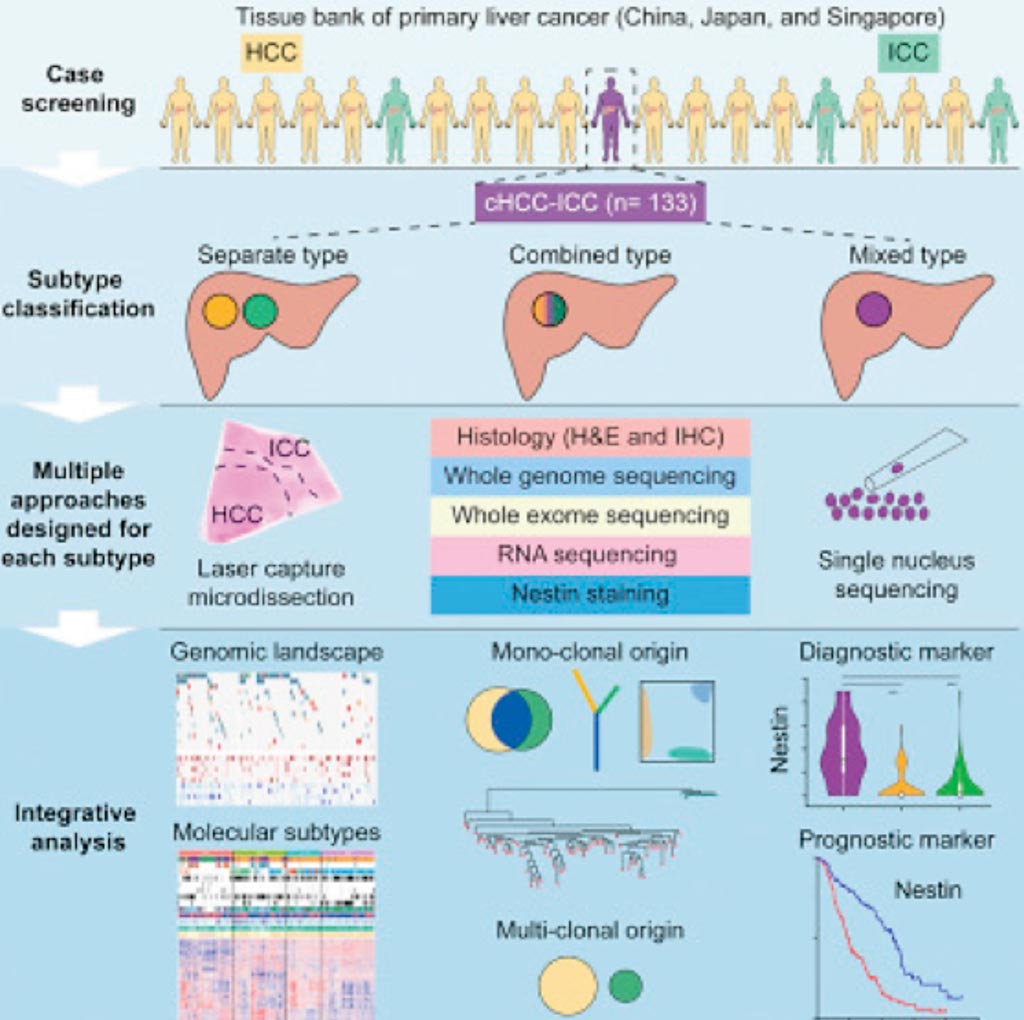
Genomic Analysis Uncovers Differences in Liver Cancer Subtypes
Intrahepatic cholangiocarcinoma (ICC) is the second most common malignancy arising from the liver. ICC makes up about 10% of all cholangiocarcinomas. It arises from the peripheral bile ducts within the liver parenchyma, proximal to the secondary biliary radicals. More...05 Jun 2019

Oral Bacteria Found in Cerebral Emboli of Stroke Patients
In addition to traditional causative factors, such as hypertension, hypercholesterolemia, diabetes mellitus, smoking, and obesity, bacterial inflammation has been suggested to contribute directly or indirectly to the development of the atherosclerosis and atherothrombotic events. More...05 Jun 2019
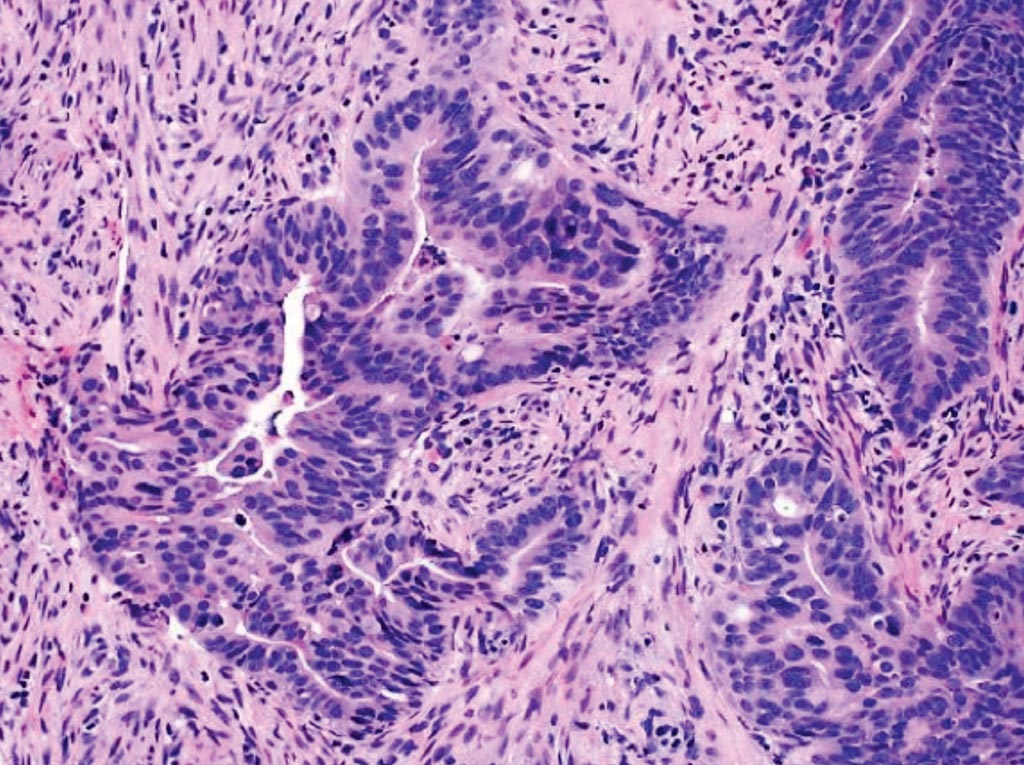
CtDNA Forecasts Non-Metastatic Colorectal Cancer Recurrence
Colorectal cancer (CRC), also known as bowel cancer and colon cancer, is the development of cancer from the colon or rectum (parts of the large intestine). Most colorectal cancers are due to old age and lifestyle factors, with only a small number of cases due to underlying genetic disorders. More...29 May 2019
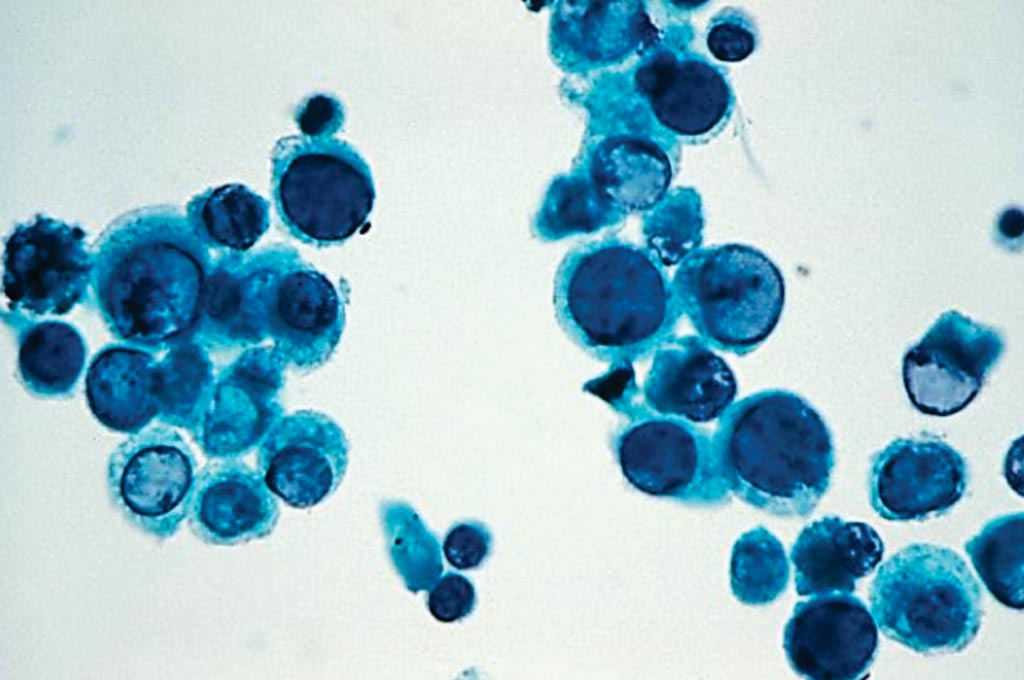
Stem Cell Transplantation Increases Risk of Infection-Related Mortality
Allogeneic hematopoietic stem cell transplantation (HSCT) is a potentially curative therapeutic modality for various malignant and nonmalignant hematological conditions. The best results of allogeneic HSCT were obtained when the stem cells from a human leukocyte antigen (HLA)-matched sibling were used, such a donor can only be found for approximately 30% of patients. More...29 May 2019
Stem Cell Transplantation Increases Risk of Infection-Related Mortality
Allogeneic hematopoietic stem cell transplantation (HSCT) is a potentially curative therapeutic modality for various malignant and nonmalignant hematological conditions. The best results of allogeneic HSCT were obtained when the stem cells from a human leukocyte antigen (HLA)-matched sibling were used, such a donor can only be found for approximately 30% of patients. More...29 May 2019


Platinum Member

Automated Coagulation Analyzer
Hemolumi H6

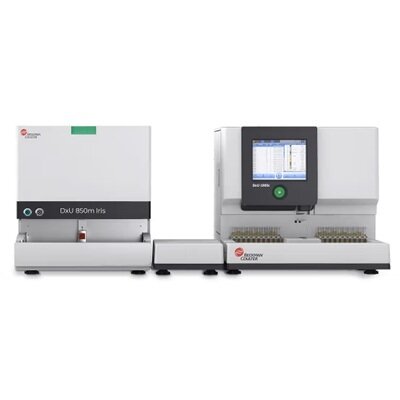

Fully Automated Urinalysis System
DxU 1800 Fully Automated Urinalysis System

Gold Member

Flocked Fiber Swabs
Puritan® Patented HydraFlock®
In Other News
Liquid Biopsy Identifies Mutations Predicting Ovarian Cancer Treatment Response
Blood Test Measures Effectiveness of Aggressive Cancer Treatments
Rapid Assay Detects Pyrazinamide-Resistant Tuberculosis
Genomic Data Affects Prognosis of Advanced Prostate Cancer
Assay Stratifies Esophageal Cancer Patients for Treatment
Protein Panel Accurately Differentiates Forms of Ovarian Tumors
Clinical Trial Highlights Poor Prognosis for Bladder Cancer Patients
Prostate Cancer Severity Indicated by Location and Concentration of Syntaphilin
Clinical Validation Bolsters Liquid Biopsy Evidence Base
Serum HBV RNA Quantification Monitors Chronic Hepatitis B Infection
Breast Cancer Test Determines Most Effective Treatment
Urine Test Could Prevent Cervical Cancer
Biomarker Predicts Appropriate Immunotherapy for Cancer Patients
Oral HPV-DNA Persists after Oropharyngeal Cancer Treatment
Liquid Biopsy Utility Reinforced in Early Cancer Trials Results
Machine-Learning System Used to Diagnose Genetic Diseases
New Genetic Test Detects Mutations in High-Risk Groups
Sequencing Shows Promise for Diagnosing Prosthetic Joint Infections
Neurofilament Light Considered as NIV Biomarker for Alzheimer's Disease
Diagnostic Methods Compared for Human Granulocytic Anaplasmosis
Personalized Detection of ctDNA Antedates Breast Cancer
Novel Genes and Pathways Discovered in Celiac Disease
Protein Atlas Accelerates Personalized Medicine in Leukemia Patients


Genetic Testing channel of LabMedica brings the latest in molecular genetics, cytogenetics, and epigenetics, and methods from PCR to FISH, and more.