






Molecular Diagnostics
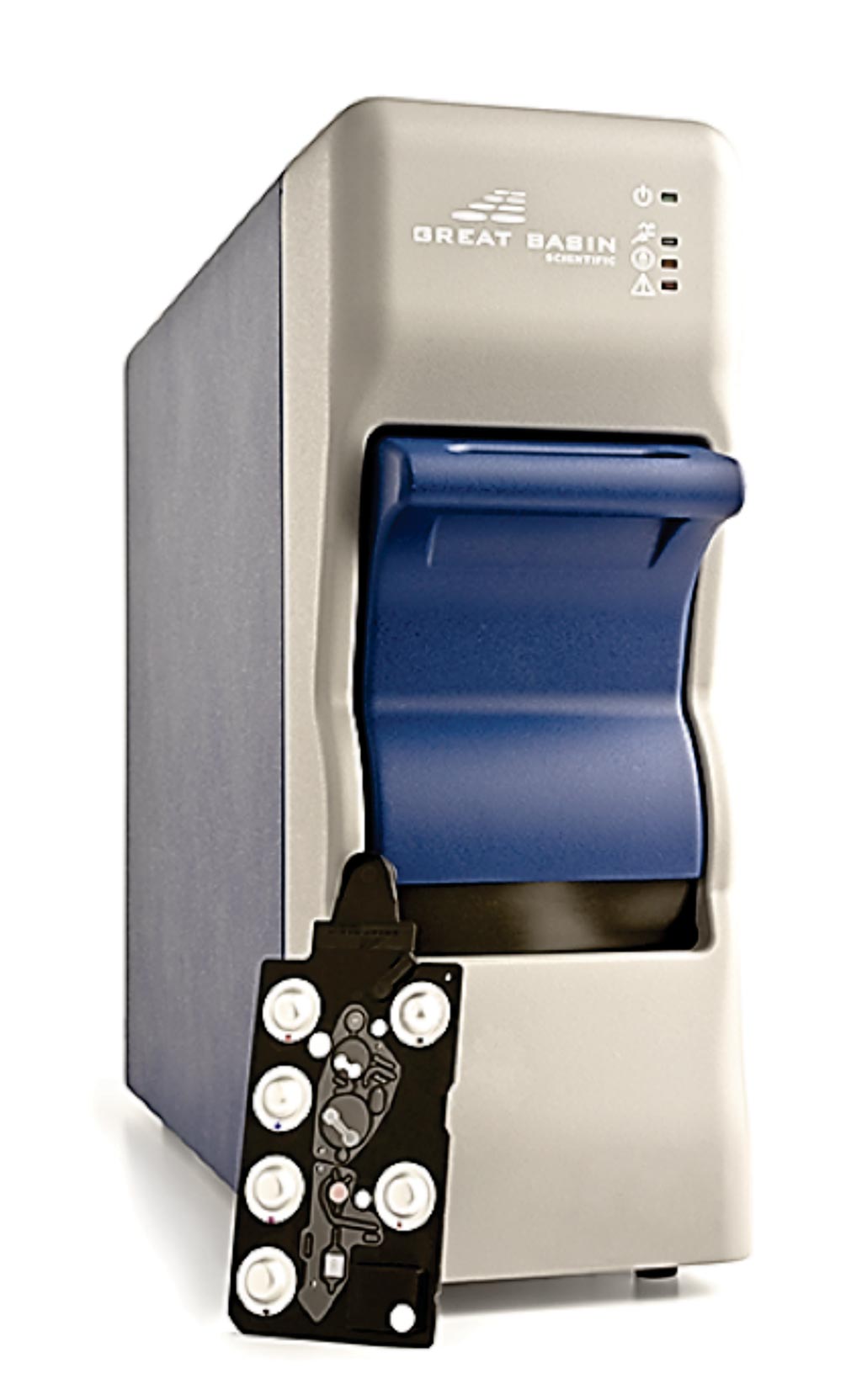
Bordetella Direct Test Receives FDA Clearance
It is estimated that there are approximately 16 million cases of pertussis per year globally, with the disease being responsible for 195,000 deaths annually and reported cases of pertussis, known vernacularly as whooping cough, in the USA have spiked since 1955. More...04 May 2017

Bacterial Pathogens Panel Receives CE Marking
A Stool Bacterial Pathogens Panel is designed to simultaneously detect Salmonella species, Shigella species, Shiga Toxin-producing E. coli (stx1, stx 2, O157 serotype-specific genes), and Campylobacter species (C. jejuni and C. coli), all significant bacterial pathogens. More...04 May 2017
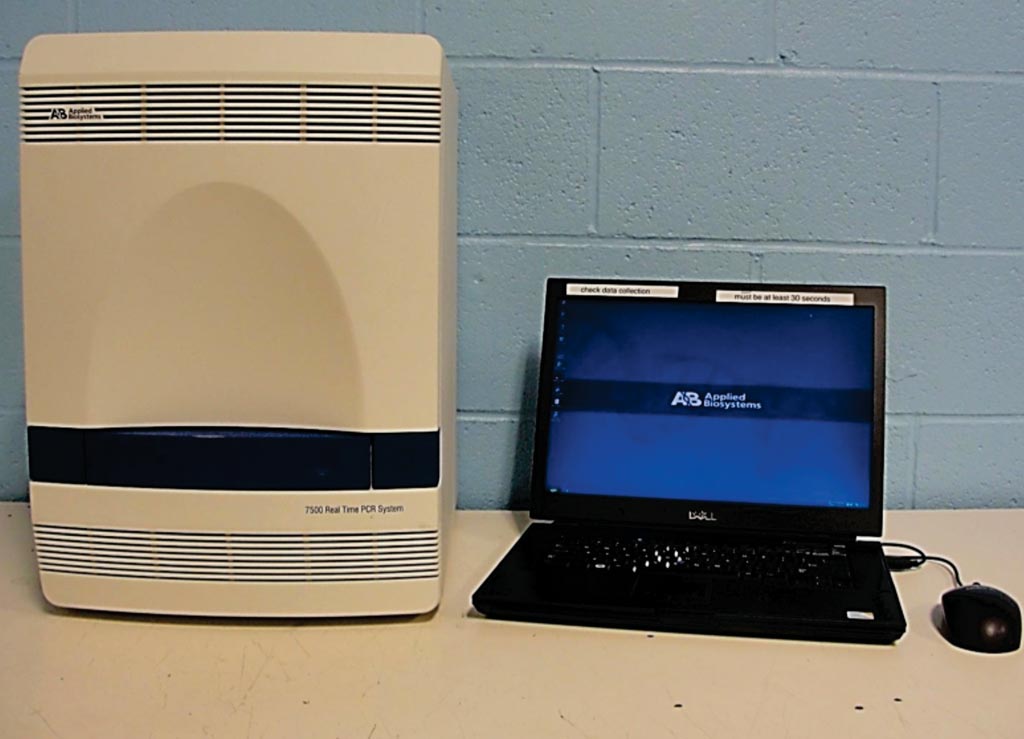
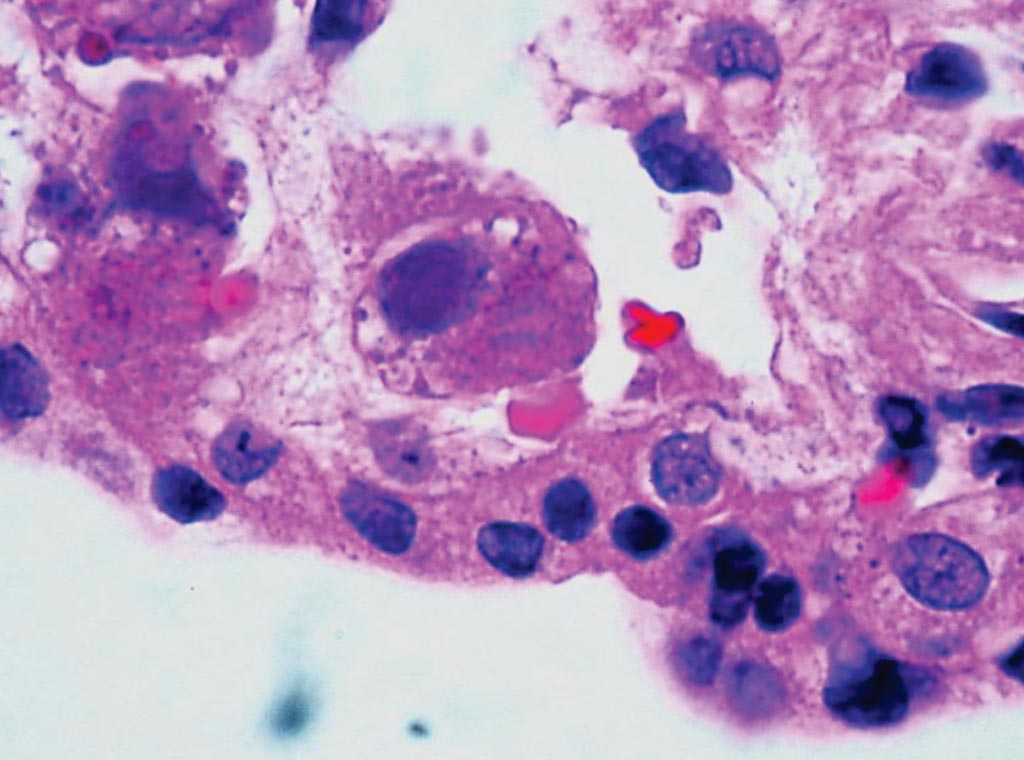
Newborn Screening for CMV Remains Controversial
Cytomegalovirus (CMV) is the most common infectious cause of congenital sensorineural hearing loss, which leads to speech and language delay and the virus also causes microcephaly, developmental disability, and vision abnormalities. More...03 May 2017


Panel of Gut Bacteria Diagnostic for Colorectal Cancer
Reanalysis and standardization of data from several published studies has enabled a team of molecular microbiologists to identify a panel of gut microflora that is more prevalent in the stools of patients with colorectal cancer than it is in the stools of normal individuals. More...01 May 2017


Platinum Member

Automated Coagulation Analyzer
Hemolumi H6
New
Gold Member

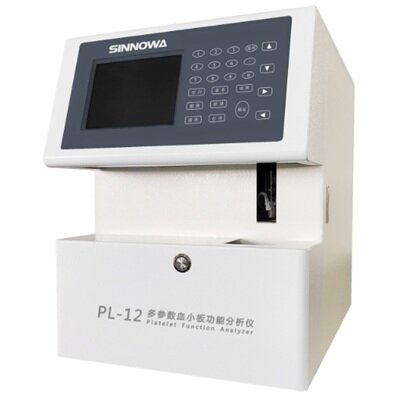
Platelet Function Analyzer
PL-12
New

Neurofilament Light Chain Assay
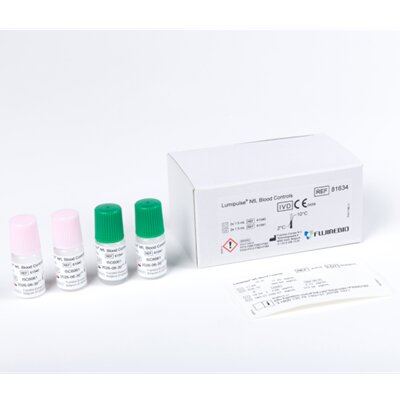
Lumipulse G NfL Blood

New
Gold Member

Serum Indices Control
Acusera Serum Indices Control
In Other News
Rapid Assay Identifies Genetic Mutations Associated with NSCLC
Biomarker Identified for Aggressive Early Stage Cancer
Blood Test Could Detect Abusive Head Trauma in Infants
Sensitive NA Detection Aids Pathogen Diagnoses
Detecting Cancer as DNA Changes Could Enhance Diagnosis
Cytology Test for Pre-Cancer Diagnosis Receives FDA Approval
Bacterial Panel Detects Stool Pathogens from Swabs
New sPCR Technology Runs on Standard Devices
Serum Levels Predict Renal Disease Risk in Diabetes Patients
Gene-Based Blood Tests Identify More Skin Cancers
Routine Donor Screening Revealed Acute Usutu Virus
Novel Flu Test Developed to Speed Up Treatment
Urine Biomarkers May Identify Down Syndrome Patients with OSA
Novel Assay Discriminates Several Aspergillus Species
CE Mark Granted to Urine Test for Bladder Cancer
New Genetic Risk Factor Identified for Anxiety Disorders
Targeted Microbubbles Enhance Ultrasound Detection of Malignant Tumors
Mutations Linked to Improved Survival of Patients with HPV+ Carcinoma
Test Discovered for Earlier Detection of Transplant Rejection
Cancer Study Reveals Insights to Causes and Inherited Risk
Gene Discovered Associated with Aging Brain Pathologies
Lab-on-a-Chip Platform Designed for Detection of Pathogens
Blood Test Analysis Identifies Early-Stage Tumors


Genetic Testing channel of LabMedica brings the latest in molecular genetics, cytogenetics, and epigenetics, and methods from PCR to FISH, and more.