Novel Biomarkers Identified for Incident Coronary Heart Disease
By LabMedica International staff writers
Posted on 25 Dec 2014
Metabolic profiling has identified circulating, novel lipid-derived molecules that are associated with future coronary heart disease events, which will enable early diagnosis of cardiovascular disease. Posted on 25 Dec 2014
The use of used novel biochemical and bioinformatics to identify such biomarkers are not only important for risk stratification and treatment decisions, but can also improve understanding of cardiovascular disease pathophysiology to identify new drug targets.
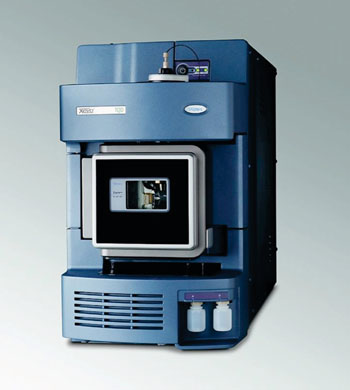
Image: The Xevo G2 quadrupole time-of-flight mass spectrometer (Q-TOFMS) (Photo courtesy of Waters Corporation).
A team of scientists from Karolinska Institutet (Stockholm, Sweden) and their colleagues at Uppsala University (Sweden) performed a mass spectrometry-based non-targeted metabolomics study for association with incident coronary heart disease (CHD) events in 1,028 individuals with 131 events; and a 10 year median follow-up with validation in 1,670 individuals with 282 events and a 3.9 year median follow-up.
Metabolomic profiling was performed on the Acquity ultra-performance liquid chromatography (UPLC) apparatus coupled to a Xevo G2 quadrupole time-of-flight mass spectrometer (Q-TOFMS) (Waters Corporation; Milford, USA) with an atmospheric electrospray interface operating in positive ion mode. Non-consecutive duplicate sample aliquots of 1 µL were injected onto an Acquity UPLC BEH C8 analytical column and mass analysis was performed in the full scan mode. Genotyping arrays used in each study were performed with Illumina Bead chip kits (Illumina; San Diego, CA, USA).
The metabolomic profiling identified two lipid metabolites, lysophosphatidylcholine and sphingomyelin that reduced the risk of developing coronary heart disease in three Swedish population studies. Another lipid metabolite, monoglyceride, was instead associated with increased risk of coronary heart disease. Lysophosphatidylcholines were negatively associated with body mass index, C-reactive protein and with less evidence of subclinical cardiovascular disease in an additional 970 participants.
The authors concluded that one of the strengths of this study was that all participants were profiled for both metabolites and genetic variants. Some of the metabolites showed strong association with genetic variants previously associated with coronary heart disease supporting a common underlying molecular mechanism. The results were replicated in studies with different follow-up time, blood partition, age and sex distribution, increasing the generalizability of the findings adding to the studies depth. The study was published on December 11, 2014, in the journal Public Library of Science Genetics.
Related Links:
Karolinska Institutet
Uppsala University
Waters Corporation




Platinum Member

Automated Coagulation Analyzer
Hemolumi H6
.jpg)
Gold Member

Clinical Chemistry Assay
Sorbitol Dehydrogenase (SDH)

POC Immunoassay Analyzer
Procise DX
New

Fully Automated Urinalysis System
DxU 1800 Fully Automated Urinalysis System