






Clinical Chemistry
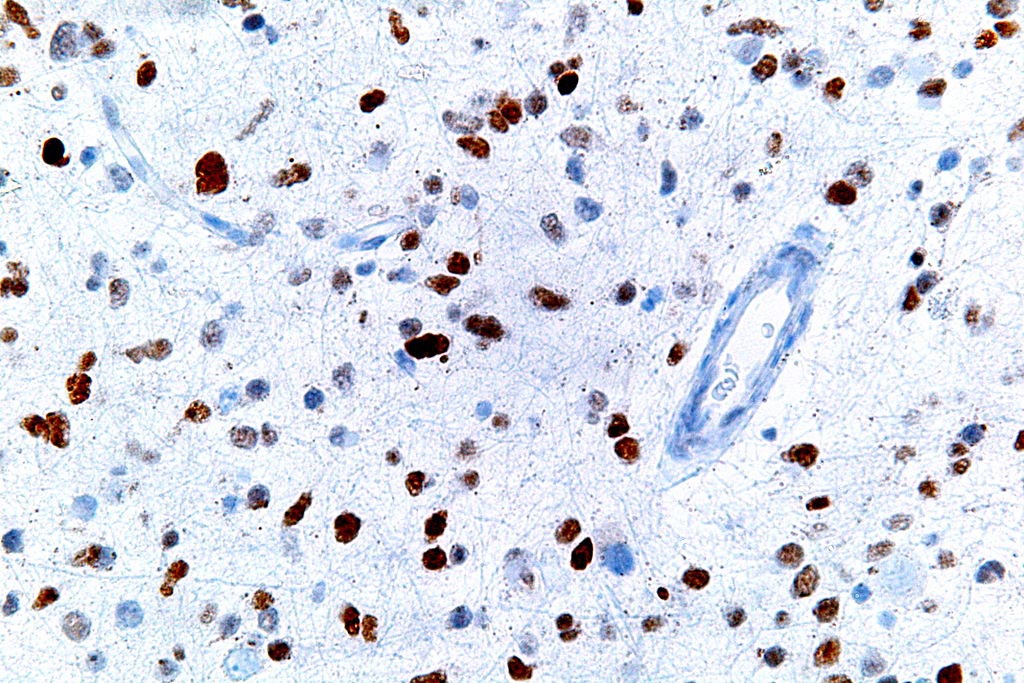
Novel Biosensor Selectively Measures Cancer Patient p53 Autoantibodies
A team of Spanish cancer researchers has developed a disposable electrochemical biosensor for the specific and sensitive determination of p53-specific autoantibodies, which are biomarkers for certain types of cancers with p53 gene mutations. More...24 Jan 2017
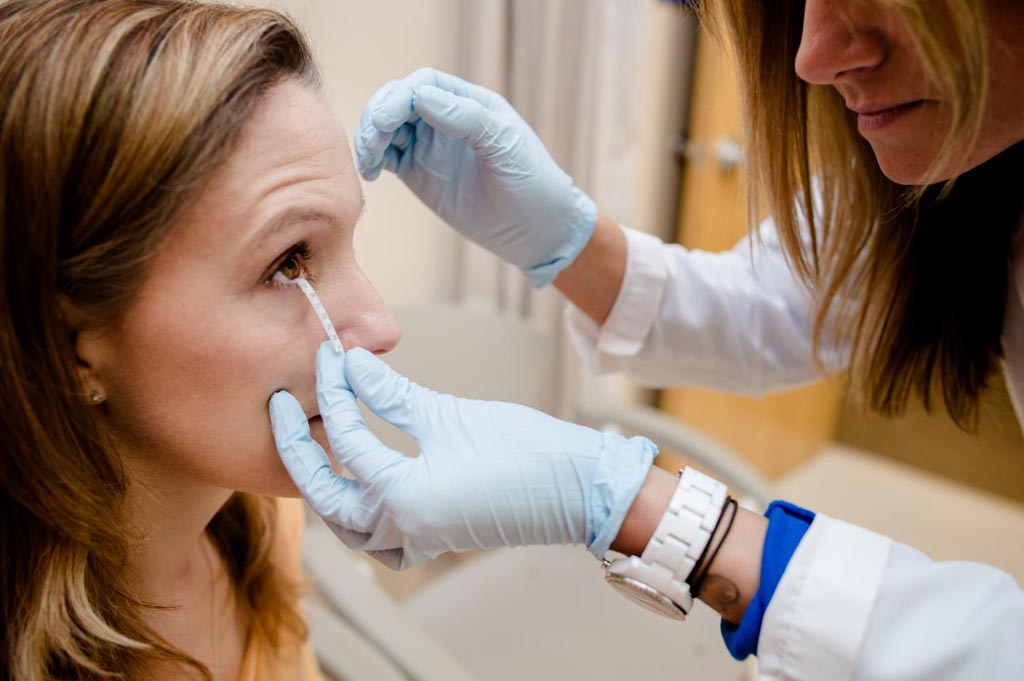
Comparison of Vitamin Concentrations in Tears and Serum
Results obtained during a recent study suggest that tears could be used as specimens to monitor nutritional health, since they are easily obtained, sufficiently mirror blood serum data, and enhance the speed of deficiency diagnoses. More...24 Jan 2017
Blood Test Predicts Silent Heart Disease Risk
Coronary heart disease is the UK's single biggest killer, accounting for nearly 70,000 deaths in the UK each year. When heart muscle is damaged it leaks a protein called troponin in to the blood stream. Patients suspected of suffering a heart attack will often be given a troponin test to aide diagnosis, but until now the test has not been used to assess future heart attack risk. More...19 Jan 2017

Early Biomarker Found for Sepsis-Induced Kidney Injury
Sepsis is a worldwide health care problem and a leading cause of death of patients in intensive care unit. On the other hand, acute kidney injury (AKI) is a clinical syndrome of an abrupt renal dysfunction leading to uremic toxins accumulation and several organs dysfunction. More...19 Jan 2017
Dysbiosis of Urinary Microbiota Positively Correlated with Diabetes
Type 2 diabetes mellitus (T2DM) accounts for 90% of diabetes, and T2DM is not due to insufficient use of insulin but due to insufficient insulin secretion and insufficient insulin action. Hospitalization rate for urinary tract infection (UTI) caused by diabetes is over twice as much as those caused by other factors. More...19 Jan 2017
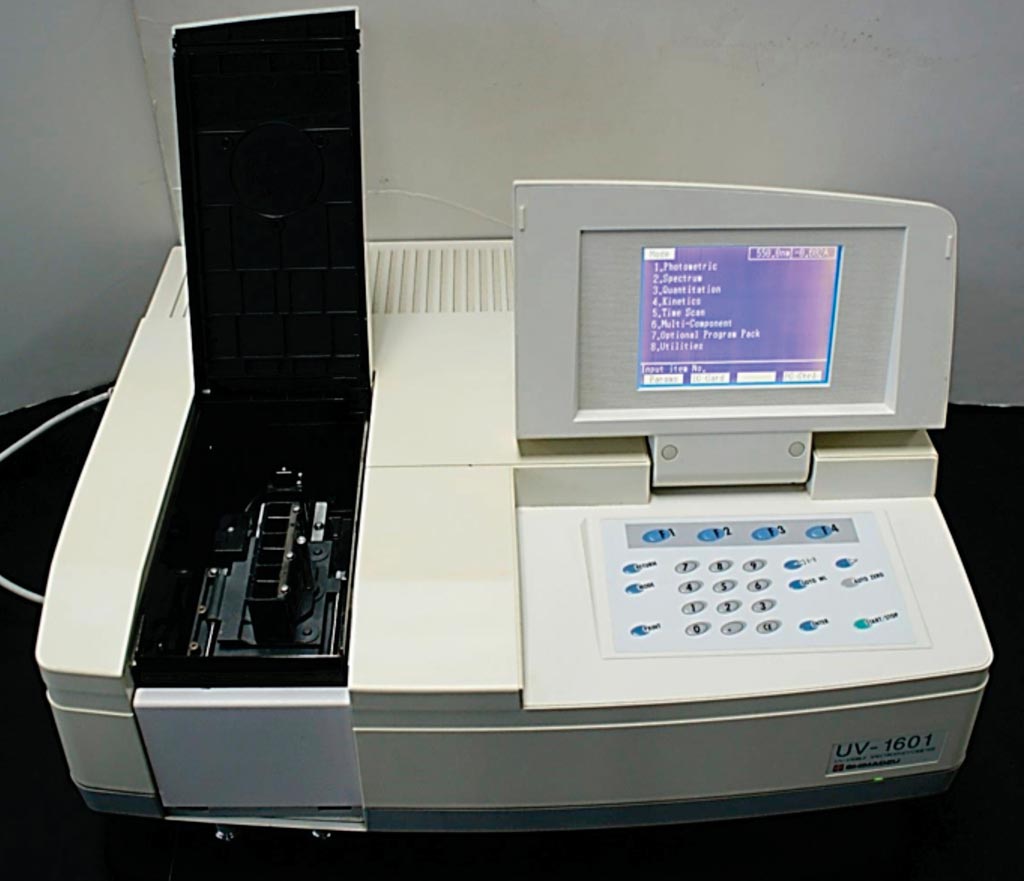
Combined Urinary Procedure Used to Diagnosis Mucopolysaccharidoses
Mucopolysaccharidoses (MPS) are a group of rare genetic disorders of glycosaminoglycan (GAG) metabolism caused by the deficiency of one of the lysosomal enzymes required for GAG degradation. The diseases are characterized by the accumulation of undegraded glycosaminoglycans in lysosomes in multiple organs and by their excretion in high amounts in urine. More...18 Jan 2017
New Diagnostic Tests Improve Care for Heart Failure Patients
For the first time, researchers have developed tests that could improve treatment for heart failure patients by diagnosing the condition with greater accuracy, as well as by detecting the onset of congestive heart failure earlier. More...17 Jan 2017


Platinum Member

Automated Coagulation Analyzer
Hemolumi H6
New
Gold Member

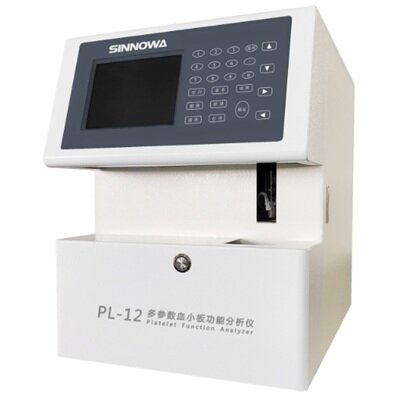
Platelet Function Analyzer
PL-12
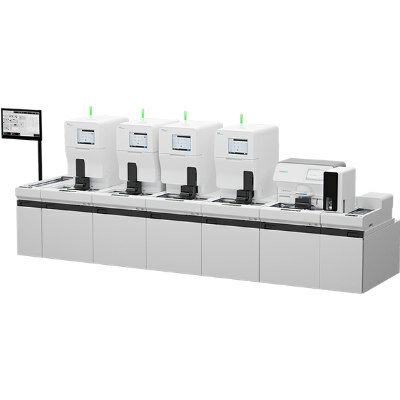

Automated Urinalysis Solution
UN-9000
New

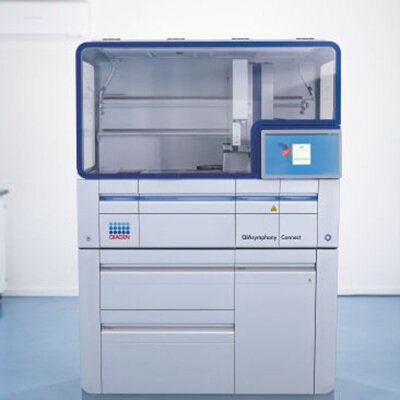
Nucleic Acid Purification Instrument
QIAsymphony Connect
In Other News
Biomarker Signatures Predict Aging Health Quality
Nanoarray Senses and Distinguishes Multiple Diseases
New Automated Periostin Immunoassay Developed
Iron Deficiency Anemia Associated with Hearing Loss
Multiple Sclerosis Associated with Leaked Hemoglobin in Brain
Blood Test Predicts How Long Cancer Patients Will Survive
Kidney Biomarkers Investigated to Track Lupus
Early Signs of Alzheimer's Detected in Cerebrospinal Fluid
Inflammatory Markers Predict Risk of Morbidity and Mortality
Change in Serum Bilirubin Level Predicts Incident Metabolic Syndrome
Performance of Second Generation Cortisol Assay Evaluated
Lower Cut-Off Point of Blood Glucose May Define Prediabetes
Hand-Held Blood Analyzer Receives CE Mark
Neonatal Vitamin D Level Predict Multiple Sclerosis Risk
Combination of Tests Enhances Urinary Tract Infection Localization
Point-of-Care System Evaluated for Measuring Cardiac Troponin I
Plasma NT-ProBNP Levels Predict Severity of Enterovirus-71 Infection
Routine Lab Tests May Help Diagnose Cachexia in Cancer Patients
Peptide Serum Markers Predict Type 1 Diabetes
Hypoglycemia in Hospitalized Patients Linked to Increased Mortality Risk
Simple Saliva Test May Help Diagnose Kidney Disease
Portable Breath Device Could Help Diagnose Diabetes
Blood Test Developed to Diagnose Concussion


The Clinical Chemistry channel updates the reader on tests, techniques, and research in the field - from routine assays to specialized tests on blood, urine, enzymes, lipids, hormones and more.