BioVendor Group Unveils Latest Innovations in Immunodiagnostics and Molecular Diagnostics
|
By LabMedica International staff writers Posted on 08 Feb 2024 |


|

BioVendor Group (Brno, Czech Republic) is participating in Medlab Middle East 2024 where it is unveiling the latest innovations in immunodiagnostics and molecular diagnostics. Visitors to the BioVendor booth at the show can explore its portfolio and meet experts from BioVendor LM, BioVendor MDx, TestLine, DiaSource, and ViennaLab to discuss how its advancements can benefit their work in the field of laboratory medicine.
BioVendor Group CLIA solution brings a fully automated walk-away platform, which significantly increases the efficiency of the laboratory workflow. It redefines the standards of fluency of diagnostic laboratories and provides reliable results. The KleeYa analyzer is also part of the booth and is being demonstrated to visitors by an application specialist. The KleeYa analyzer is an open platform system that handles tests from various providers and can combine a wide variety of assay designs. KleeYa provides a unique approach to the use of different bead-based chemiluminescence technologies, offering superior assay performance and providing ease of use with cost containment.
At the BioVendor booth, TestLine is presenting its latest innovations in laboratory diagnostics that are shaping the future of diagnostics. Visitors can explore the versatility of its Microblot-Array technology and its impact on the development of laboratory diagnostics worldwide. Microblot–Array is a new generation of unique, immunoblot arrays in a microtiter plate format. It is designed for efficient multiplex diagnostics, enabling the simultaneous detection of multiple markers which can save time and lower costs. The technology eliminates the limited capacity of traditional BLOT strips and opens the opportunity for high throughput testing. Processing can be performed automatically using open ELISA analyzers. The evaluation is performed by the Microblot–Array Reader and software (SW). Results can be exported in various formats and the system can be connected to LIS.
DiaSource ImmunoAssays is also sharing the same booth as BioVendor Group where it is presenting its latest diagnostic devices, recent innovations, and equipment in the fields of immunodiagnostics and molecular diagnostics. On display are the company’s RIA instruments, IMMUNOBLOT instruments, ELISA instruments, and CLIA instruments. Experts from BioVendor MDx are presenting its expanded fastGEN portfolio with user-friendly kits for the analysis of various genes. The latest addition is the fastGEN TP53 Cancer kit which is intended for the detection of mutations in exons 2-11 as well as in the two non-canonical exons between exons 9 and 10. Visitors to the booth can also learn more about the all-in-one solution fastGEN including bioinformatic analysis software GENOVESA.








Latest Medlab 2024 News
- Anbio Biotechnology Presents Point-Of-Care IVD Solutions
- 77 Elektronika Showcases Latest Developments in Urinalysis
- Sansure Presents Future of Pathogen Identification and Disease Diagnosis
- Spinreact Presents Latest Developments in IVD
- Alifax Demonstrates Automated Solutions to Improve Performance in Laboratory Settings
- YHLO Unveils New iBC 900 Automated Chemistry Analyzer
- Lifotronic Demonstrates Latest Medical Innovations in Disease Diagnostics
- Dymind Introduces New High-End Hematology Analyzer with Innovative Functions
- DIRUI Exhibits Latest Lab Automation Technologies and Devices
- Beckman Coulter Unveils DxC 500 AU Chemistry Analyzer
- Boule Presents Next Generation Hematology and Clinical Chemistry Systems
- bioMérieux Showcases Advanced Generation of VIDAS Immunoassay Solution
- BioPerfectus Highlights Diagnostic Solutions for HPV & Cervical Cancer Screening, STIs and Vector-Borne Diseases
- Mindray Showcases Range of Advanced Total IVD Solutions
- Medlab Middle East 2024 Provides a Peek into the Laboratory of the Future
Channels
Clinical Chemistry
view channel
Algorithm Uses Blood Biomarkers to Improve Alzheimer’s Trial Screening
Alzheimer’s disease is a progressive neurodegenerative disorder that causes memory loss and functional decline. Screening cognitively healthy adults for prevention trials is slow and costly because many... Read more
Electrical Fingerprint of Extracellular Vesicles Could Detect Pancreatic Cancer
Pancreatic cancer is often diagnosed only after it has spread, contributing to a five-year survival rate of 13%. Standard blood-based analyses can struggle to distinguish tumor signals from the background... Read more
Blood Biomarker May Track Bone Metastases in Medullary Thyroid Cancer
Medullary thyroid cancer (MTC) is a rare malignancy that often progresses silently, frequently going undetected until it reaches advanced stages. By the time it spreads to bone, it can produce unusual... Read more
Blood Biomarkers Help Assess Growth Risks During Steroid Treatment in Duchenne Muscular Dystrophy
Children with Duchenne muscular dystrophy (DMD) commonly receive long-term corticosteroids to slow disease progression, but these drugs can impair linear growth and weaken bone. Understanding how specific... Read moreMolecular Diagnostics
view channel
40-Gene Test Validated for High-Risk Squamous Cell Carcinoma
High-risk cutaneous squamous cell carcinoma (SCC) requires accurate stratification to align surveillance and adjuvant therapy with each patient’s risk. Clinicopathologic staging alone may not precisely... Read more
Common Genetic Marker Predicts Faster Motor Decline in Parkinson’s Disease
Parkinson’s disease is a progressive neurodegenerative disorder, but rates of motor decline vary widely among patients, complicating prognosis and clinical trial design. Clinicians have few scalable tools... Read more
Blood Test Helps Clarify Prostate Cancer Risk After Elevated PSA
Prostate cancer screening often begins with prostate-specific antigen (PSA) testing, but elevated results can also occur in benign conditions, creating uncertainty and sometimes leading to invasive procedures.... Read more
Secure Cloud-Connected qPCR System Enables Remote Infectious Disease Surveillance
Rapid infectious disease detection and monitoring require secure, timely access to molecular test data across distributed sites. As point-of-care quantitative PCR (qPCR) expands, remote control, biosurveillance... Read moreHematology
view channel
Borderline Anemia May Carry Higher Risk Than Current Thresholds Suggest
Hemoglobin concentration is among the most frequently ordered blood tests in primary and hospital care. In older adults, both high and low values have been linked to adverse outcomes, including cognitive... Read more
Biomarker-Guided Framework Aims to Guide Mantle Cell Lymphoma Therapy
Mantle cell lymphoma can follow widely variable courses, from indolent disease to rapidly progressive cancer, complicating initial treatment selection. Many therapeutic decisions still rely on patient... Read more
Immunology
view channel
New Cellular Map May Help Predict Crohn’s Disease Course in Children
Crohn’s disease in children is a common and debilitating form of inflammatory bowel disease, marked by chronic intestinal inflammation and limited pediatric-specific treatments. Clinicians must decide... Read more
Temporal Immune Profiling Reveals How Sepsis States Change Over Time
Sepsis is a life-threatening condition in which the immune response to infection becomes dysregulated, leading to rapid organ failure and death. Although antimicrobials and organ support remain standard... Read more
Study Identifies Immune Cells That Drive Harmful Autoantibody Responses in COVID-19
Autoantibodies that mistakenly attack the body’s own tissues have been linked to severe COVID-19, Long COVID, and increased risk of autoimmune disease. However, the origins of these autoantibodies during... Read more
Microbiology
view channel
Research Strengthens Bundibugyo Virus Outbreak Readiness with Faster Diagnostics
Bundibugyo virus (BDBV), a species of ebolavirus, causes severe hemorrhagic disease and can be difficult to diagnose rapidly during outbreaks. Recent regulatory changes have further complicated swift deployment... Read more
Gut Microbiome Classifier Improves Colorectal Cancer Risk Stratification
Colorectal cancer remains a leading cause of cancer mortality, and current noninvasive screening methods still miss many precancerous lesions. Clinicians therefore need tools that improve risk stratification... Read more

Pathology
view channel
AI Spatial Analysis of Routine Slides Helps Predict Pancreatic Cancer Recurrence
Predicting which patients with pancreatic cancer will recur after treatment and surgery remains challenging. Pathology evaluation typically measures residual tumor burden, but recent work found that tumor... Read more
Hybrid Computational Imaging Method Improves Digital Pathology Resolution
Digital pathology depends on high-resolution whole-slide imaging to capture diagnostically relevant cellular and tissue features, yet conventional methods often force trade-offs between speed, cost, and detail.... Read more
Technology
view channel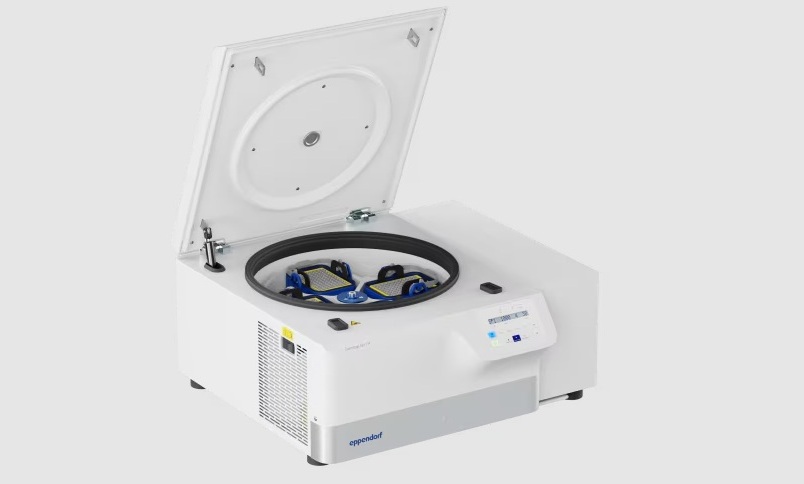
New Multipurpose Centrifuge Combines High Capacity with Sustainable Cooling
Laboratories often need centrifugation that accommodates multiple vessel formats while maintaining controlled temperatures to protect sensitive samples. Intuitive controls and repeatable operation can... Read more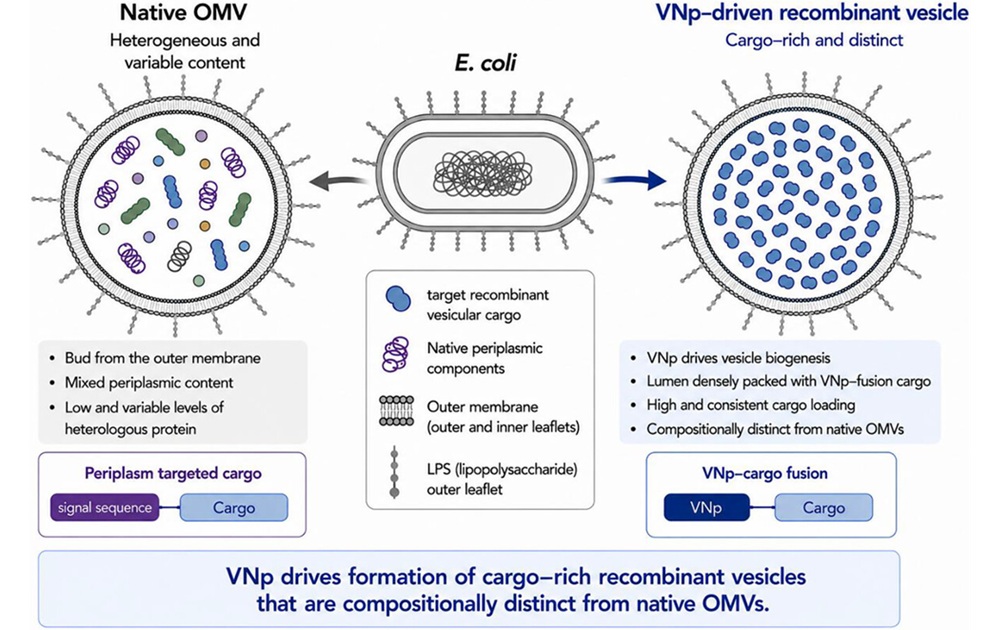
Bacterial Vesicle Expression System Streamlines Production of Cancer Diagnostic Proteins
Recombinant proteins are central to many cancer diagnostics and therapies, but numerous targets remain difficult and costly to produce because they are unstable, toxic to microbial hosts, or require precise folding.... Read more
Industry
view channel
Sysmex and Cytek Collaboration Expands Access to Advanced Clinical Flow Cytometry
Sysmex Europe SE (Hamburg, Germany) and Cytek Biosciences (Fremont, CA, USA) are partnering across more than a dozen European countries to expand access to advanced clinical flow cytometry.... Read more