EUROMEDLAB 2022 Showcases Breakthrough Technologies and Cutting Edge Scientific Advances in Clinical Lab Diagnostics
|
By Carolyn Moody, RN - News Editor Posted on 11 Apr 2022 |


|

The 24th European Congress of Clinical Chemistry and Laboratory Medicine (EUROMEDLAB 2022) saw exhibitors displaying innovations in clinical laboratory diagnostic technologies and offering attendees a hands-on experience with the latest instruments, machines and equipment. The five-day event held from 10th-14th April 2022 in Munich, Germany brought together scientists, laboratory specialists, clinicians, and industry participants in the field of clinical chemistry and laboratory medicine. The show attracted more than 3,000 active participants from across the world, and a number of international speakers and key opinion leaders were invited to address front-edge topics in diagnostic technologies, health care and scientific advances. Among the attendees were private and hospital laboratories, biologists, technicians, biomedical engineers and students.
Following its biannual pattern, EUROMEDLAB had originally been scheduled to take place in late November 2021. However, due to the critical pandemic situation at the venue – Munich in Bavaria, Germany – at that time, the congress was postponed to 10th-14th April 2022, prioritizing the health and safety of all visitors and exhibitors over other aspects. The congress was a hybrid event, with selected symposia and the opening and closing ceremony also held virtually. All COVID-19 restrictions to enter the Congress Centre had been cancelled, allowing all participants and visitors to freely access the Congress Centre and visit EUROMEDLAB. The importance of the live experience was reflected in the impressive reservation numbers. The floorspace of the 10,000-m2 Hall C1 and the ICM foyer was completely sold out and the number of research projects increased as compared to EUROMEDLAB 2020 with a total of 900 scientists submitting their abstracts as compared to 720 for the previous event. As such, the congress continued to grow in importance as a European hotspot for the science industry.
During the congress, attendees were able to experience the outstanding scientific program, which featured innovative and diverse educational opportunities that incorporated the best of clinical laboratory medicine and in vitro diagnostics, including lectures, symposia, recent advancements in clinical practice and science, poster presentations, and much more. A broad range of international speakers, key opinion leaders and stakeholders brought front-edge topics in health care, diagnostic technologies, scientific advances and professional matters to life. Special emphasis was placed on technological advancements, as the meeting aimed to connect the latest technological breakthroughs in diagnostic laboratory technology with the best minds in laboratory medicine to help attendees learn and implement the latest and greatest in clinical laboratory science, technology, and medicine. Attendees were also able to access a lively industry exhibition floor featuring the latest products and developments in diagnostic technologies brought by leading manufacturers. For those who were unable to able to attend the event in person, the show offered a brand-new format of interacting virtually with companies during the conference through the “Exhibition Floor Walks.”






Latest EUROMEDLAB 2022 News
- Sebia Displays Automated, High Throughput Capillary Electrophoresis (CE) Instruments at EUROMEDLAB 2022
- Snibe Showcases Maglumi X3 Fully Automatic CLIA System at EUROMEDLAB 2022
- Thermo Fisher Presents Cascadion SM Clinical Analyzer and LC-MS IVD Medical Devices at EUROMEDLAB 2022
- Binding Site Exhibits Special Protein Analyzer Optilite at EUROMEDLAB 2022
- DIRUI Presents High-End Diagnostic Systems for Hospitals and High-Volume Labs at EUROMEDLAB 2022
- DIESSE Diagnostica Demonstrates Advanced Immunoassay and ESR Analyzers at EUROMEDLAB 2022
- Gentian Diagnostics Exhibits Assays for Wide Range of Clinical Chemistry Platforms at EUROMEDLAB
- Ortho Presents Broad Menu of High-Performing Assays at EUROMEDLAB 2022
- Technopath Highlights Laboratory Solutions to Enhance QC Efficiencies at EUROMEDLAB 2022
- Mindray Demonstrates Latest IVD Innovations at EUROMEDLAB 2022
- LumiraDx Presents LumiraDx Point of Care Instrument at IFCC EUROMEDLAB
- Beckman Coulter Presents Virtual Showcase of Laboratory Solutions at EUROMEDLAB 2022
- Horiba Showcases Latest Hematology and Hemostasis Solutions at EUROMEDLAB 2022
- Sysmex Europe Exhibits New Products and Innovative Concepts in Infection Diagnostics at EUROMEDLAB 2022
- Roche Showcases the Future of Diagnostic Solutions at EUROMEDLAB 2022
- Siemens Showcases Broad Portfolio of Integrated IVD Solutions at EUROMEDLAB Munich
Channels
Clinical Chemistry
view channel
Two-Step Blood Testing Approach Reduces Uncertainty in Amyloid Assessment
Blood-based biomarkers offer a more accessible, less expensive way to detect Alzheimer’s-related brain changes than traditional methods such as amyloid-beta positron emission tomography (Aβ-PET).... Read more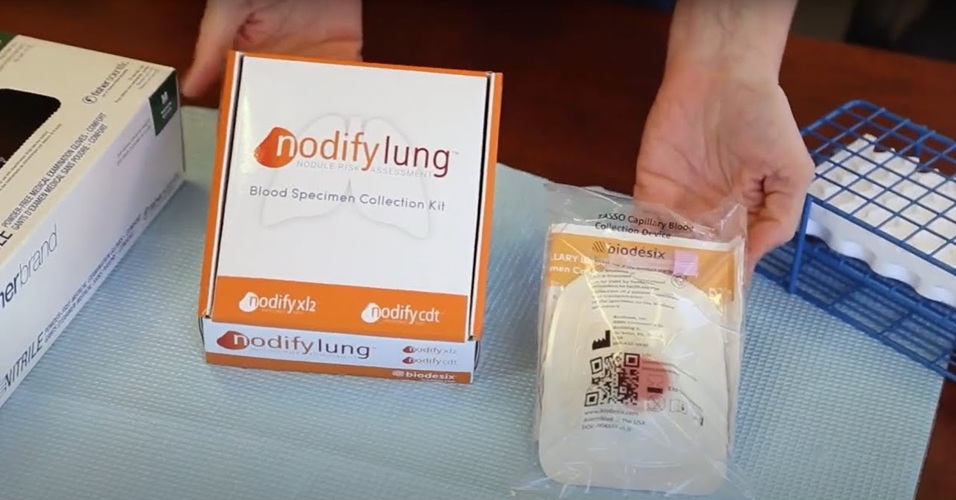
Multimodal Platform to Combine Blood and Imaging Biomarkers for Lung Nodule Assessment
Lung nodules are commonly detected during chest imaging and require careful risk assessment to determine whether follow-up imaging, additional testing, or biopsy is needed. With millions of patients evaluated... Read more

Molecular Diagnostics
view channel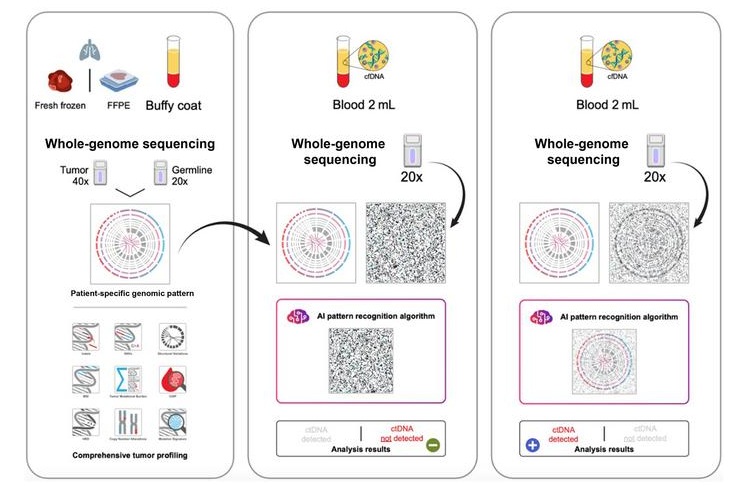
Liquid Biopsy Detects Lung Cancer Recurrence Signals Months Before Imaging
Non-small cell lung cancer (NSCLC) is the most common type of lung cancer and remains a major cause of cancer-related death. Early-stage tumors are often treated surgically, but recurrence can still occur... Read more
GeneDx Presents Evidence for Wider Clinical Use of Genomic Sequencing at ASHG 2026
GeneDx (Gaithersburg, MD, USA) is presenting 27 scientific abstracts at the American Society of Human Genetics (ASHG) 2026 Annual Meeting, taking place October 20–24 in Montreal, Canada.... Read more
Hematology
view channel
New Myelofibrosis Guidelines Recommend Expanded Genetic Testing at Diagnosis
Myelofibrosis is a rare, life-threatening blood cancer affecting up to six per 100,000 people. The disease causes scarring in the bone marrow, limiting the production of healthy blood cells and potentially... Read more
Handheld Point-of-Care Test Aims to Enable Rapid Coagulation Assessment in Trauma
Severe blood loss and inadequate tissue oxygenation are leading causes of preventable death after traumatic injury. Blood products are essential in trauma care, but cold-chain storage, short shelf life,... Read more
Immunology
view channel
Antibody Profiling Predicts Inflammatory Bowel Disease Years Before Diagnosis
Inflammatory bowel disease (IBD), which includes Crohn’s disease and ulcerative colitis, involves abnormal immune responses that cause persistent inflammation and damage in the digestive system.... Read more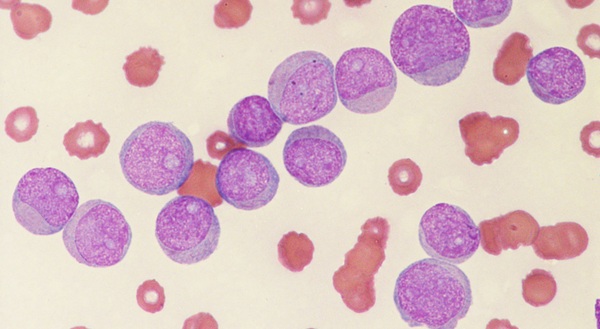
Immune Profiling Initiative Aims to Improve Bone Marrow Analysis in Leukemia
Acute myeloid leukemia (AML) is an aggressive blood cancer in which assessing disease burden after therapy can help guide clinical evaluation. Patients with measurable residual disease (MRD) after treatment... Read more
Immune Profiling Identifies Early Maternal Autoantibodies Linked to Preterm Birth Risk
A typical pregnancy lasts about 40 weeks, but labor begins prematurely in roughly one in 10 pregnancies. Preterm birth is the leading cause of newborn death worldwide, yet its underlying causes and which... Read more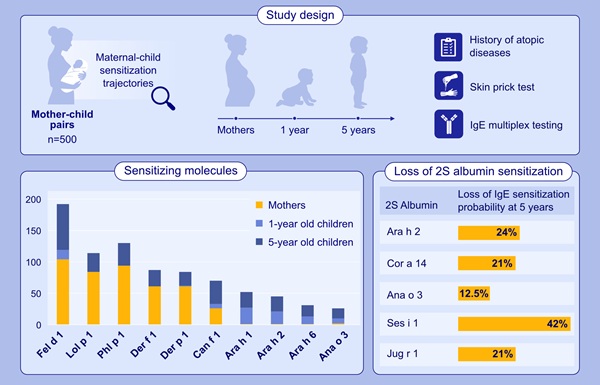
Longitudinal Blood Testing Reveals Changes in Allergen Sensitization During Childhood
Food allergy is a major childhood health concern, and distinguishing persistent risk from transient sensitization can guide clinical decisions. Specific IgE antibodies may be detectable even when a child... Read moreMicrobiology
view channel
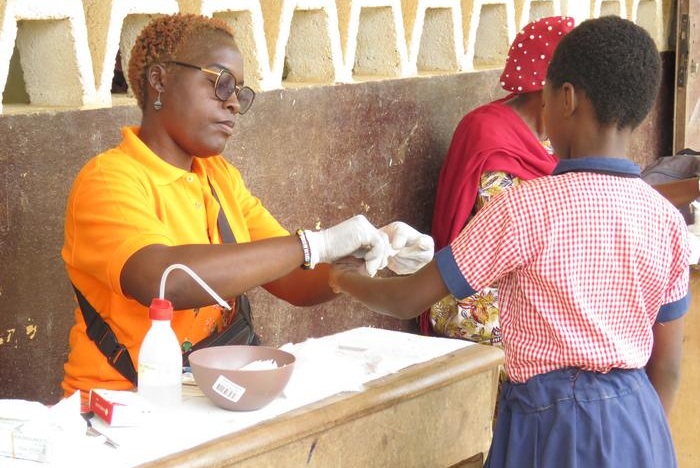
Molecular Panel Gains WHO Emergency Use Listing to Support Ebola Outbreak Response
The ongoing Ebola Bundibugyo outbreak in the Democratic Republic of the Congo and neighboring countries has become one of the largest outbreaks of this Ebola virus species recorded to date.... Read more
Rapid Host-Response Test Aims to Predict Corticosteroid Benefit in Sepsis
Sepsis and severe infections are difficult to treat because patients with similar clinical presentations may have very different underlying immune responses. Corticosteroids are commonly used in severe... Read more
Pathology
view channel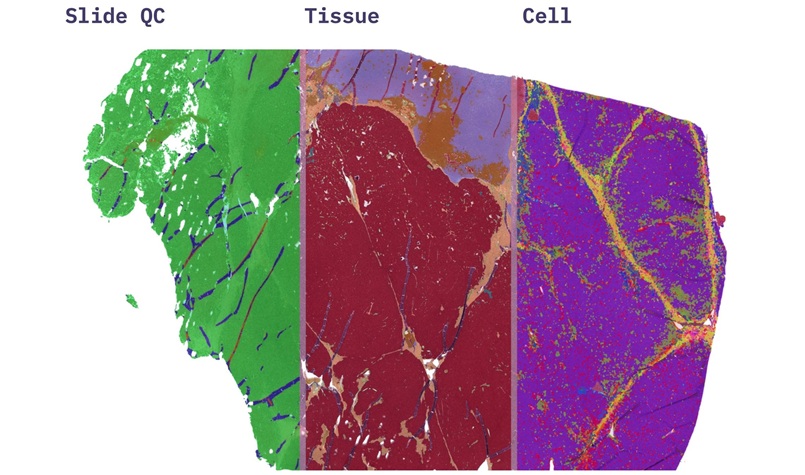
AI Pathology Platform Targets Workflow Delays and Molecular Test Failures
Pathology laboratories often rely on visual review of tissue slides to assess quality, identify tumors, count mitoses, and estimate tumor content. These tasks can be time-consuming and vary between readers,... Read more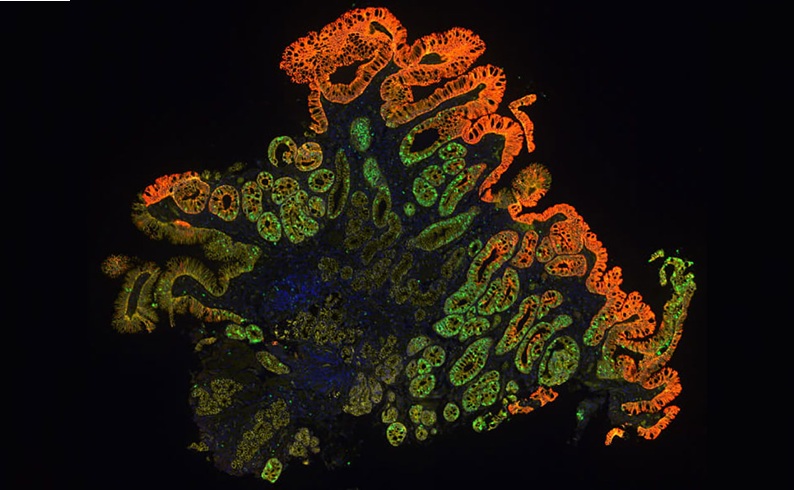
Molecular Testing Refines Barrett’s Esophagus Progression Risk Beyond Biopsy Findings
Barrett’s esophagus is a precancerous condition associated with increased risk of esophageal adenocarcinoma. Routine endoscopic biopsy findings guide surveillance and therapy, but histopathology may not... Read more
Technology
view channel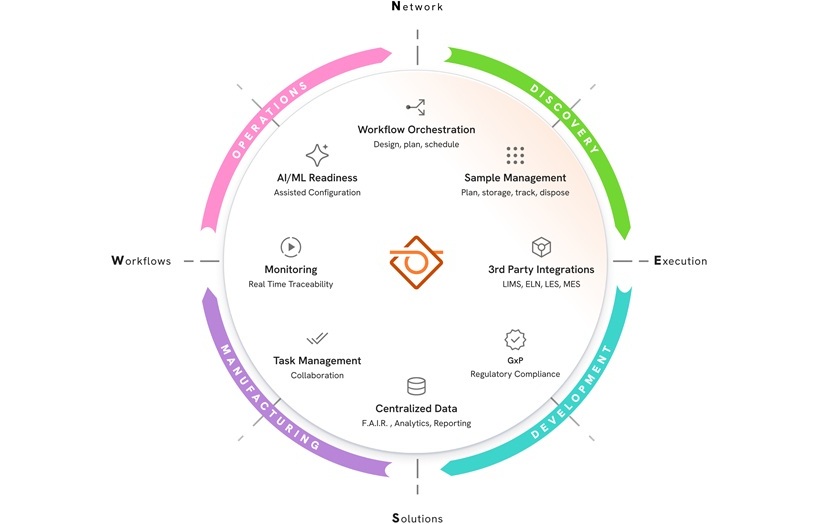
New AI-Powered System Aims to Streamline Laboratory and Manufacturing Workflows
Scientific laboratories supporting drug development, biotechnology, and materials research increasingly rely on coordinated digital workflows to move data, samples, and activities across teams.... Read more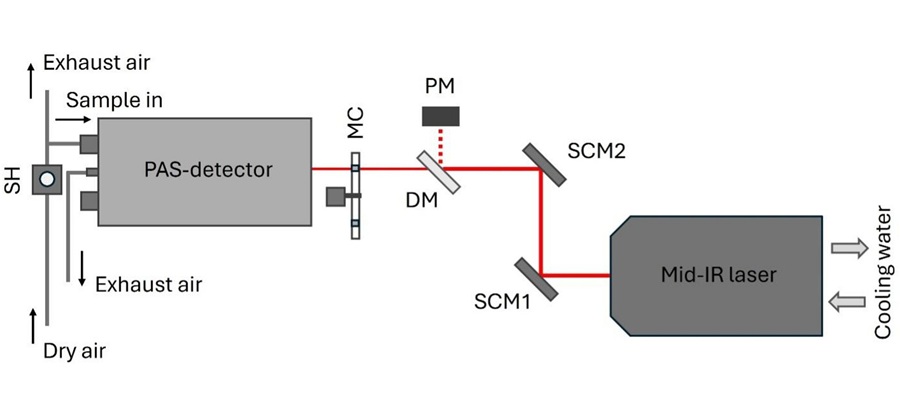
Laser-Based Swab Analysis Shows Promise for Detecting Disease-Linked Odor Patterns
Disease-related changes in volatile organic compounds can alter body odor, producing measurable patterns in exhaled breath and bodily fluids. Current analytical methods can be complex, time-consuming,... Read more
Industry
view channel
Hologic to Broaden Breast Cancer Testing Portfolio Through Reveal Genomics Acquisition
Hologic (Marlborough, MA, USA) has signed a definitive agreement to acquire Reveal Genomics (Barcelona, Spain), a precision oncology company developing genomic diagnostic tests to help personalize cancer treatment.... Read more