Molgen Presents Diagnostics Chemistry, Flows and Systems at MEDICA 2021
|
By LabMedica International staff writers Posted on 15 Nov 2021 |


|
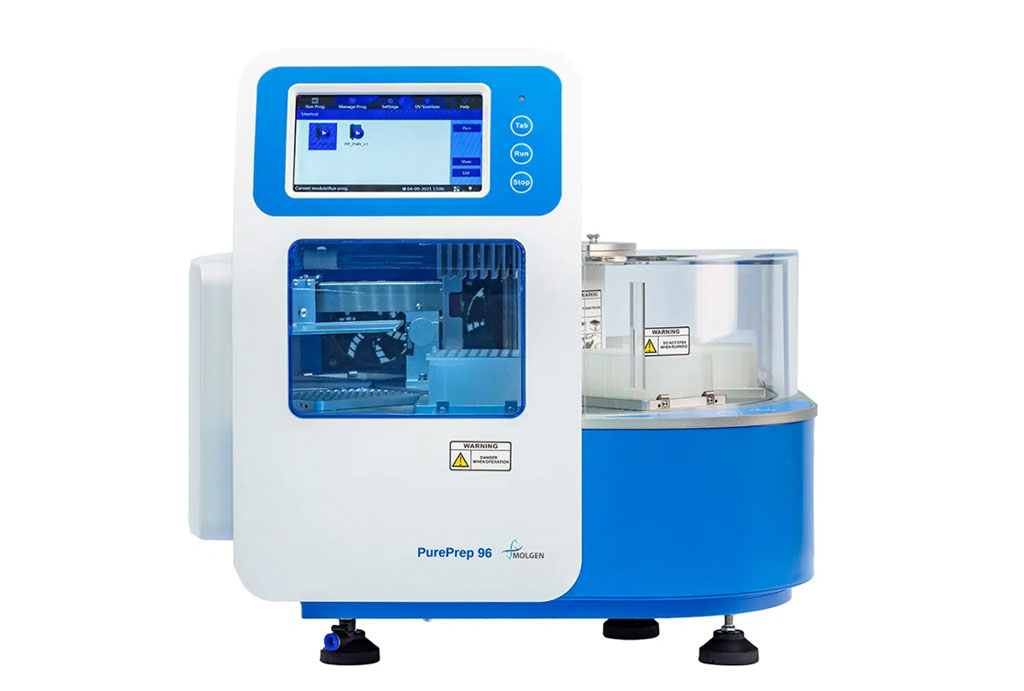
MolGen B.V. (Veenendaal, Netherlands) presented its diagnostics chemistry, flows and systems at MEDICA 2021, the largest medical trade fair in the world that has been taking place for more than four decades. Over the years, the event has attracted several thousand exhibitors from more than 50 countries. Leading individuals from the fields of business, research, and politics attended MEDICA 2021, alongside tens of thousands of national and international experts and decision-makers from the sector. MolGen took advantage of the opportunity to connect with the global leaders in clinical chemistry, molecular diagnostics, translational medicine, lab management, and other areas of breaking science in laboratory medicine.
At MEDICA 2021, MolGen showcased and demonstrated its latest products and services, including technology, systems, reagents and consumables for human diagnostics and pharmaceutical sciences. MolGen demonstrated its PurePrep 96 automated DNA and RNA purification system which is suitable for high throughput workflows with up to 96 samples per run and process samples up to 1ml. The device uses magnetic separation technology for different matrices like blood, cultured cells, bacteria, tissues, cell-free body fluids, and plant samples. The small-footprint system enables high-speed, high-quality processing with magnetic rods used to transfer magnetic beads through the various purification phases of mixing, binding, washing and elution resulting in purified DNA and RNA.
MolGen also showcased its PurePrep TTR high throughput automated liquid handling device that transfers liquid fast, accurately, and consistently from tubes to Deep Well microtiter plates. Both the tubes and plates are equipped with barcodes read by scanners to track and trace samples throughout the complete workflow. This system is developed to decrease the hands-on time, increase the lab’s accuracy, reduce contamination risks by decapping and capping tubes, and transfer samples from the tubes to plates. It is optimized for processing PurePrep TL+ samples.
Additionally, MolGen highlighted its PurePrep FR automated liquid handler for filling plates with high precision and decreasing hands-on time. It is ideal for downstream processing setups, like the PCR and LAMP setup. This system is easy to adjust to different procedures and provides insight into the results. Also on display was the MolGen Sealer, a semi-automatic thermal sealer which is ideal for low to medium throughput laboratories that requires uniform and consistent sealing of micro-plates. Unlike manual plate sealing, the MolGen Sealer produces consistent plate seals. With flexible temperature, time and pressure settings, the sealing conditions are easily optimized to guarantee consistent results, produce 100% tight seals, and eliminate sample loss or evaporation. Offering complete versatility, the MolGen Sealer is compatible with a full range of plates for PCR, assay or storage applications, and can be used with plates ranging from standard height to deep well.
Related Links:
MolGen B.V.







Latest Clinical Chem. News
- Study Links Saliva-Based Epigenetic Signals to OCD Treatment Outcomes
- New One-Step Syphilis Test Could Enable Earlier Detection and Faster Treatment
- Multimodal Clinical Data Models Predict Cachexia Risk Across Cancers
- Study Evaluates Alzheimer’s Blood Biomarker Across Racial and Ethnic Groups
- Blood Protein May Help Identify Treatment-Resistant Psychosis
- Electrochemical Biosensor Rapidly Detects Cerebrospinal Fluid Leaks
- Blood Protein Panel Supports Monitoring of Treated Celiac Disease
- Hemoglobin Levels May Help Signal Long-Term Dementia Risk
- Liquid Biopsy Platform Shows Promise for Early Gynecologic Cancer Detection
- Global Survey Finds Pediatric Troponin Testing Lacks Consistent Reference Intervals
- Multi-Omics Study Identifies Blood Marker for MASLD Progression
- Blood Biomarker Detects Alzheimer’s Changes Decades Before Symptoms in Down Syndrome
- Elevated Lipoprotein(a) Linked to Long-Term Progression of Carotid Atherosclerosis
- Study Questions Broad Fasting Requirements Before Routine Blood Tests
- Lollipop-Inspired Device Measures Acetaminophen Levels in Saliva
- New Insights Into Fetal DNA Could Improve Non-Invasive Prenatal Testing
Channels
Clinical Chemistry
view channel
Study Links Saliva-Based Epigenetic Signals to OCD Treatment Outcomes
Obsessive-compulsive disorder (OCD) causes unwanted, recurring thoughts and repetitive behaviors that can severely disrupt daily life. Exposure-based psychotherapy is among the most effective treatments,... Read more
New One-Step Syphilis Test Could Enable Earlier Detection and Faster Treatment
Syphilis can be difficult to diagnose because its symptoms may resemble other diseases and appear and disappear without treatment. Undetected infection can continue causing harm, spread to partners and... Read more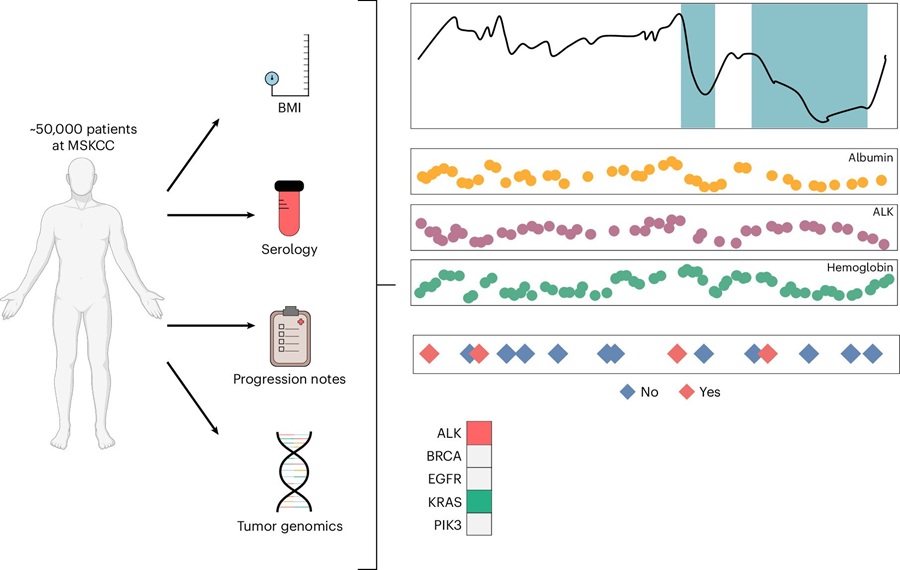

Molecular Diagnostics
view channel
Streamlined Genetic Testing Speeds Pediatric Immune Disorder Diagnosis
Children with genetic immune conditions can develop life-threatening illness, unusual infections, or autoimmune problems before the underlying cause is identified. More than 500 of these rare disorders... Read more
Clinical Trial Evaluates Liquid Biopsy for Early-Stage Breast Cancer Detection
Breast cancer screening relies primarily on mammography, but abnormal findings can lead to additional imaging, biopsy, or repeat imaging after six months, creating anxiety and potentially delaying treatment... Read more
RNA-Based Test Predicts Immunotherapy Response in Non-Small Cell Lung Cancer
Non-small cell lung cancer (NSCLC) represents the largest U.S. patient population eligible for immune checkpoint inhibitor therapy. Treatment selection often relies on PD-L1 expression, but a single protein... Read more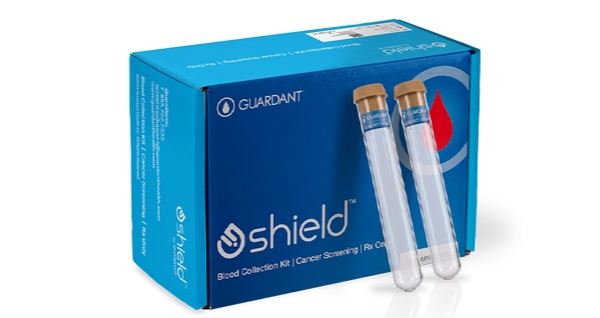
Modeling Study Shows Blood-Based CRC Screening Could Prevent More Deaths Than Stool Tests
Colorectal cancer (CRC) screening depends on patient participation and completion of follow-up colonoscopy after an abnormal noninvasive result. Access barriers can make both steps difficult, particularly... Read moreHematology
view channel
New Myelofibrosis Guidelines Recommend Expanded Genetic Testing at Diagnosis
Myelofibrosis is a rare, life-threatening blood cancer affecting up to six per 100,000 people. The disease causes scarring in the bone marrow, limiting the production of healthy blood cells and potentially... Read more
Handheld Point-of-Care Test Aims to Enable Rapid Coagulation Assessment in Trauma
Severe blood loss and inadequate tissue oxygenation are leading causes of preventable death after traumatic injury. Blood products are essential in trauma care, but cold-chain storage, short shelf life,... Read more

Immunology
view channel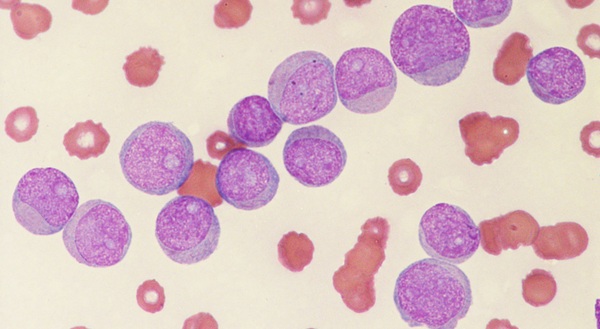
Immune Profiling Initiative Aims to Improve Bone Marrow Analysis in Leukemia
Acute myeloid leukemia (AML) is an aggressive blood cancer in which assessing disease burden after therapy can help guide clinical evaluation. Patients with measurable residual disease (MRD) after treatment... Read more
Immune Profiling Identifies Early Maternal Autoantibodies Linked to Preterm Birth Risk
A typical pregnancy lasts about 40 weeks, but labor begins prematurely in roughly one in 10 pregnancies. Preterm birth is the leading cause of newborn death worldwide, yet its underlying causes and which... Read more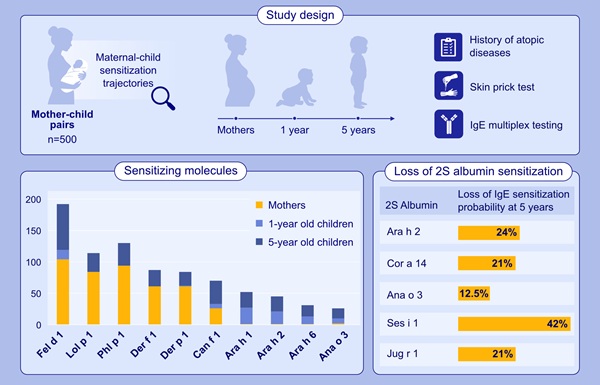
Longitudinal Blood Testing Reveals Changes in Allergen Sensitization During Childhood
Food allergy is a major childhood health concern, and distinguishing persistent risk from transient sensitization can guide clinical decisions. Specific IgE antibodies may be detectable even when a child... Read more
Microbiology
view channel
Molecular Panel Gains WHO Emergency Use Listing to Support Ebola Outbreak Response
The ongoing Ebola Bundibugyo outbreak in the Democratic Republic of the Congo and neighboring countries has become one of the largest outbreaks of this Ebola virus species recorded to date.... Read more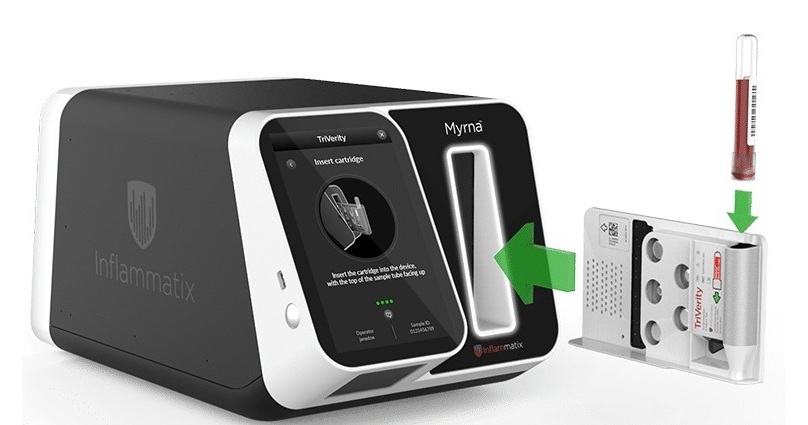
Rapid Host-Response Test Aims to Predict Corticosteroid Benefit in Sepsis
Sepsis and severe infections are difficult to treat because patients with similar clinical presentations may have very different underlying immune responses. Corticosteroids are commonly used in severe... Read more

Pathology
view channel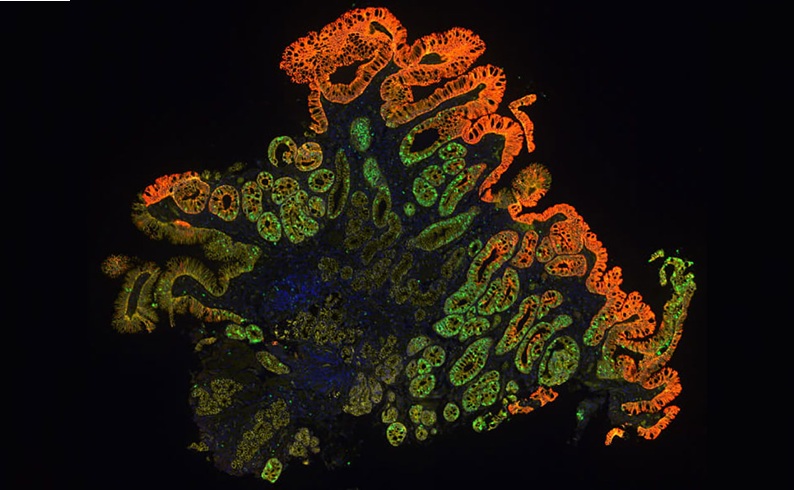
Molecular Testing Refines Barrett’s Esophagus Progression Risk Beyond Biopsy Findings
Barrett’s esophagus is a precancerous condition associated with increased risk of esophageal adenocarcinoma. Routine endoscopic biopsy findings guide surveillance and therapy, but histopathology may not... Read more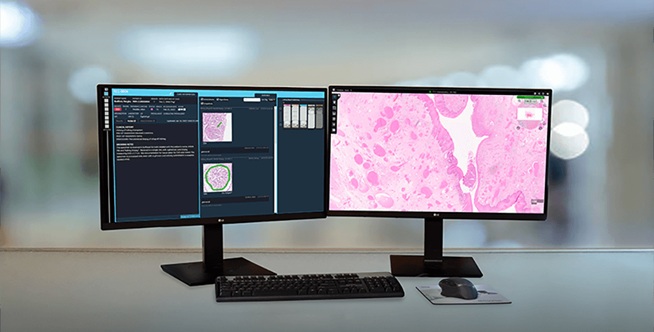
Updated Digital Pathology Platform Expands AI Integration for Cancer Diagnosis
Digital pathology is reshaping how laboratories manage case review, image analysis, and collaboration. As diagnostic workflows become more complex, pathology teams need platforms that can support digital... Read more
Technology
view channel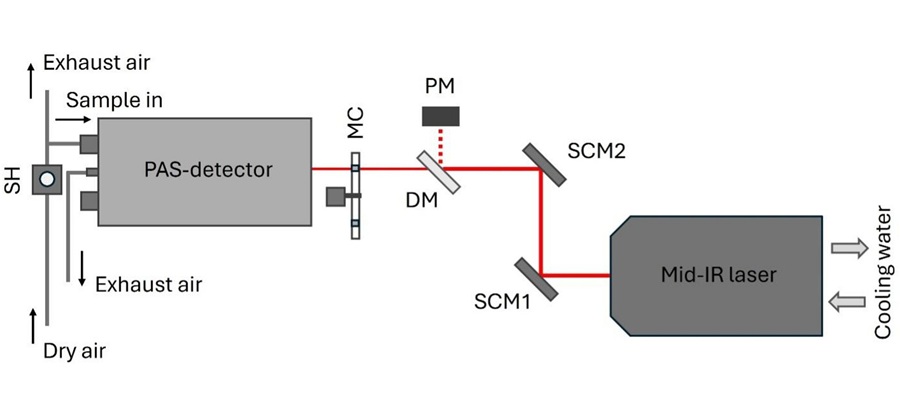
Laser-Based Swab Analysis Shows Promise for Detecting Disease-Linked Odor Patterns
Disease-related changes in volatile organic compounds can alter body odor, producing measurable patterns in exhaled breath and bodily fluids. Current analytical methods can be complex, time-consuming,... Read more
Laser-Enhanced Assay Boosts Sensitivity for Colorectal Cancer Biomarker Detection
Colorectal cancer is the third most commonly diagnosed cancer and the second leading cause of cancer-related death worldwide. Early detection remains critical, but cancer biomarkers can produce only faint... Read more

Industry
view channel
Hologic to Broaden Breast Cancer Testing Portfolio Through Reveal Genomics Acquisition
Hologic (Marlborough, MA, USA) has signed a definitive agreement to acquire Reveal Genomics (Barcelona, Spain), a precision oncology company developing genomic diagnostic tests to help personalize cancer treatment.... Read more