Technopath Showcases Third Party Quality Controls and Quality Control Software Solutions at AACC 2021
|
By LabMedica International staff writers Posted on 28 Sep 2021 |


|
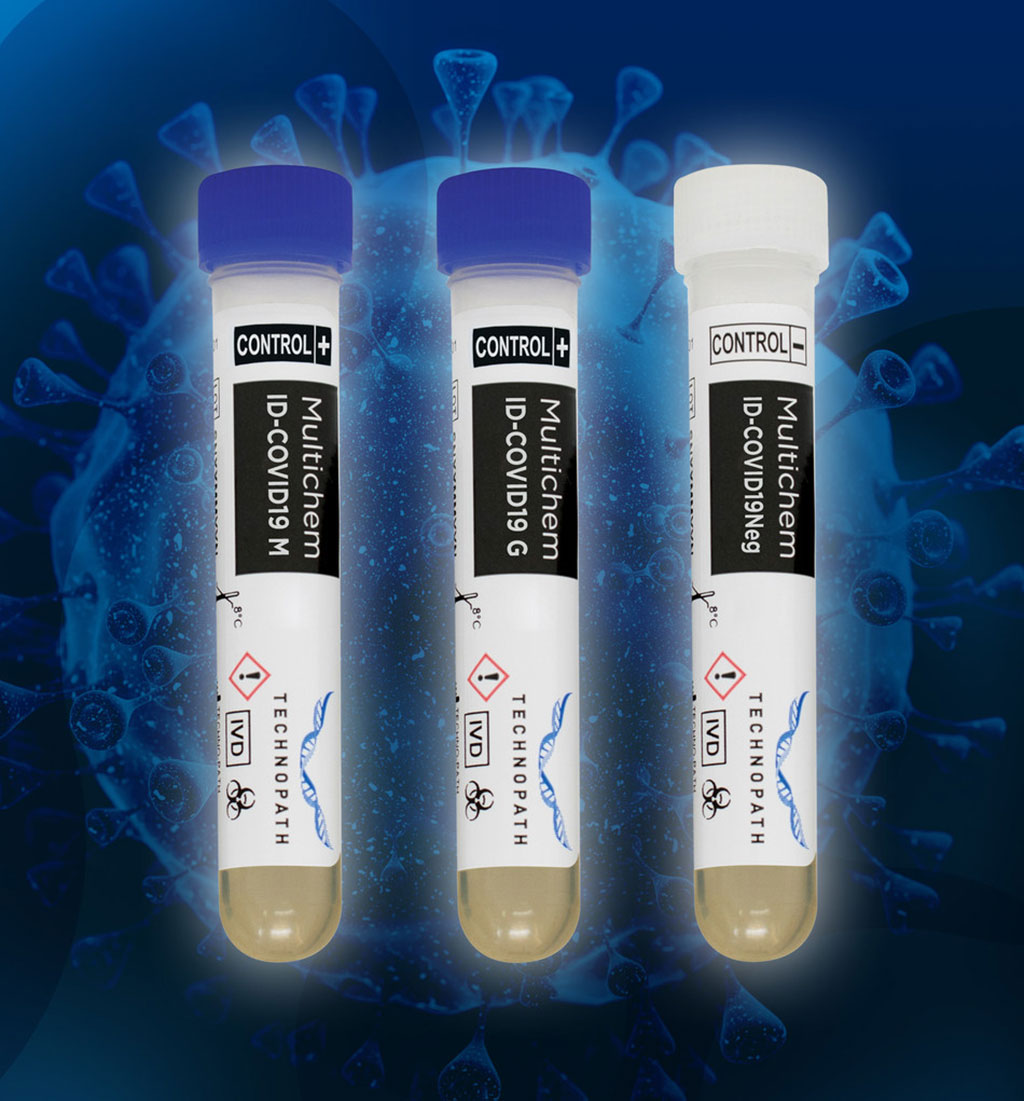
Technopath Clinical Diagnostics (Tipperary, Ireland) showcased its third party quality controls and quality control software solutions at the 2021 AACC Annual Scientific Meeting & Clinical Lab Expo held at the Georgia World Congress Center in Atlanta, September 26-30.
The event allowed more than 400 exhibiting companies to showcase the latest product innovations, emerging technologies, and research, and provided the opportunity to browse exhibitors in person for the solutions to lab related needs.
Technopath is one of the largest manufacturers of liquid-ready Quality Control globally in compliance with the highest quality standards. At AACC 2021, the company highlighted Multichem, its class leading third party consolidated Quality Control product range which incorporates a greater number of analytes to enable extensive test menu and control product consolidation. The Multichem IA+ control, for example, allows consolidation of the company’s competitors’ immunoassay, cardiac marker, tumor marker and specialty immunoassay controls into one control. This consolidation allows laboratories to simplify their inventory, reduce costs and improve efficiencies.
For instance, Multichem ID-COVID19 controls are the essential independent quality controls designed to test the precision of assays for antibodies IgG and IgM to SARS-CoV-2, to allow clinical laboratories to release patient results with confidence. The company also exhibited its flagship chemistry product, Multichem S Plus (S for Serum) which consolidates over 100 analytes in to a single product. Also on display was Technopath's leading diabetes product, Multichem A1c, which is a third party QC for hemoglobin A1c. Other products displayed at the event included flagship immunoassay product is Multichem IA Plus which consolidates over 90 analytes in to a single product and can replace up to four competitor products in the lab; and its leading urine chemistry control is Multichem U which provides a single product to cover the majority of standard urine chemistry assays, including Microalbumin, which some competitors provide a separate QC product for.
Alomgside its Multichem quality control product range, Technopath also demonstrated its IAMQC Software which provides laboratory managers and technologists with a range of QC software tools to analyze their QC results in real-time. IAMQC Software tools allow users to automate, centralize, standardize and improve QC processes in a laboratory setting. A combination of modules satisfies the varying levels of QC requirements in individual laboratories and are easily tailored to meet different QC management expectations.
Related Links:
Technopath Clinical Diagnostics







Latest Clinical Chem. News
- Multi-Biomarker Blood Test Shows Promise for Early Pancreatic Cancer Detection
- Machine Learning Supports Targeted Screening for Elevated Lipoprotein(a)
- Blood Antibody Linked to Lower Depression and PTSD Symptoms After Brain Injury
- Blood Biomarker May Help Monitor Early Response to Lecanemab in Alzheimer’s Disease
- New Reference Material Aims to Improve Comparability of Angiotensin II Testing
- Childhood Blood Biomarkers May Reveal Early Heart, Kidney, and Metabolic Risks
- Blood Biomarker Study Reveals Early Signals of Future Cognitive Difficulties
- International Consensus Guidance Outlines General Population Screening for Early-Stage Type 1 Diabetes
- Electrical Fingerprint of Extracellular Vesicles Could Detect Pancreatic Cancer
- Algorithm Uses Blood Biomarkers to Improve Alzheimer’s Trial Screening
- Blood Biomarker May Track Bone Metastases in Medullary Thyroid Cancer
- Blood Biomarkers Help Assess Growth Risks During Steroid Treatment in Duchenne Muscular Dystrophy
- New Blood Biomarker Predicts May Predict Preeclampsia and Fetal Growth Restriction
- Biomarker Score Helps Differentiate Takotsubo Syndrome from Myocardial Infarction
- New Biomarker Recommendations Aim to Personalize Stroke Rehabilitation
- Validated Biomarker Blood Test Detects Early Lung Cancer and Supports Risk Assessment
Channels
Clinical Chemistry
view channel
Multi-Biomarker Blood Test Shows Promise for Early Pancreatic Cancer Detection
Pancreatic cancer has the lowest survival rates of any cancer, with only 14% of patients alive five years after diagnosis. The disease is typically discovered after it has spread, and an estimated 90%... Read more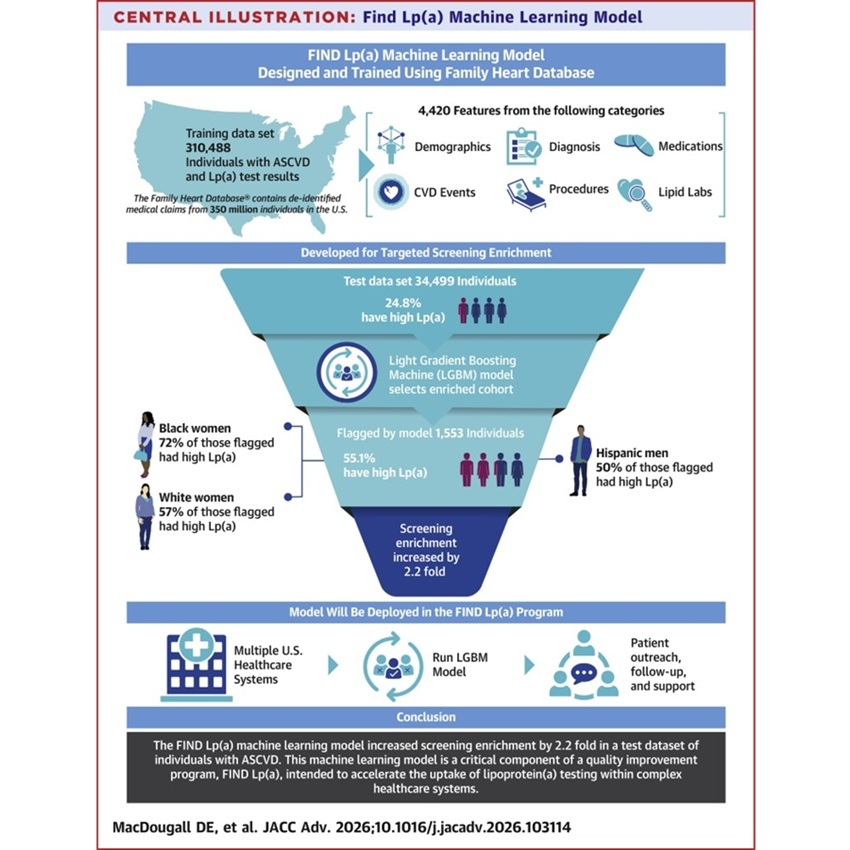
Machine Learning Supports Targeted Screening for Elevated Lipoprotein(a)
Lipoprotein(a) is an independent, genetically determined risk factor for atherosclerotic cardiovascular disease, yet routine screening remains uncommon despite guideline recommendations, leaving many high-risk... Read more
Blood Biomarker May Help Monitor Early Response to Lecanemab in Alzheimer’s Disease
Alzheimer’s disease is a progressive neurodegenerative disorder marked by amyloid-beta and tau pathology and remains a leading cause of cognitive decline in older adults. Although lecanemab, an anti-amyloid... Read more
Molecular Diagnostics
view channel
Blood-Based DNA Analysis Method Detects Early-Stage Solid Cancers
Early detection of stage I solid cancers remains a significant unmet clinical need. Liquid biopsy approaches that can distinguish tumor-derived signals from background cell-free DNA are therefore drawing... Read more
Combined Blood and Genetic Tests Estimate Timing of Alzheimer’s Symptom Onset
Predicting when Alzheimer’s disease will manifest remains a major clinical challenge, particularly before cognitive decline is evident. Blood biomarkers and genetic risk markers can flag elevated risk,... Read more

Hematology
view channel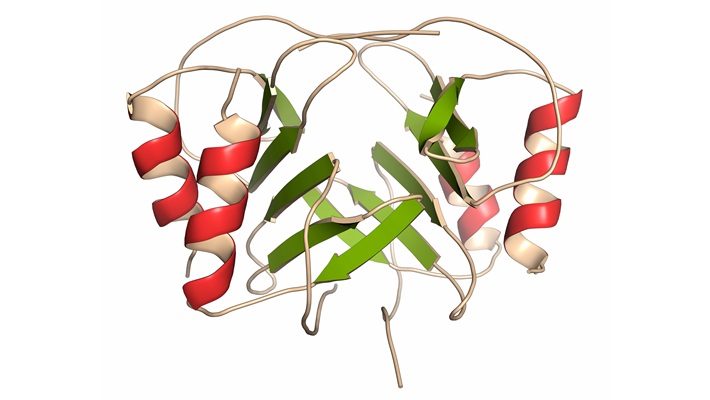
Hidden Molecular Mechanism Behind HIT Blood-Clotting Disorder Revealed
Immune-mediated thrombosis following heparin therapy can be sudden and severe, creating urgent diagnostic challenges. In heparin-induced thrombocytopenia (HIT), antibodies against platelet factor 4 (PF4)... Read more
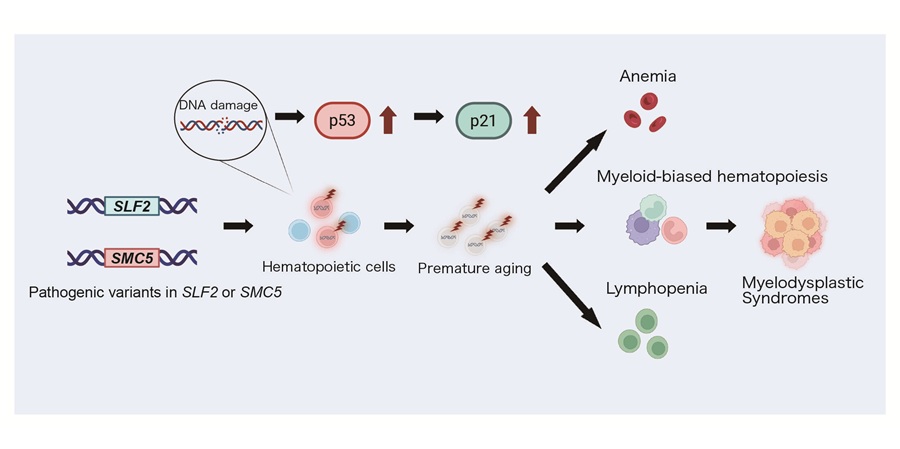
Borderline Anemia May Carry Higher Risk Than Current Thresholds Suggest
Hemoglobin concentration is among the most frequently ordered blood tests in primary and hospital care. In older adults, both high and low values have been linked to adverse outcomes, including cognitive... Read more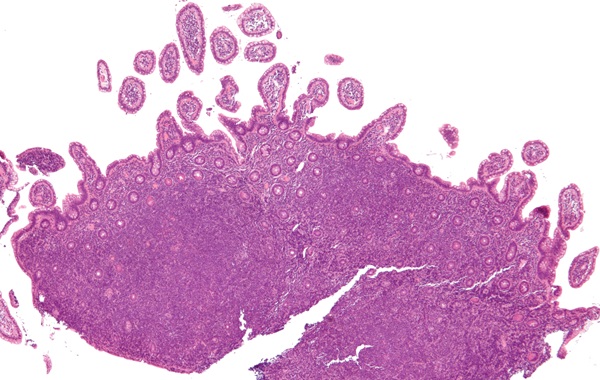
Immunology
view channel
New Cellular Map May Help Predict Crohn’s Disease Course in Children
Crohn’s disease in children is a common and debilitating form of inflammatory bowel disease, marked by chronic intestinal inflammation and limited pediatric-specific treatments. Clinicians must decide... Read more
Temporal Immune Profiling Reveals How Sepsis States Change Over Time
Sepsis is a life-threatening condition in which the immune response to infection becomes dysregulated, leading to rapid organ failure and death. Although antimicrobials and organ support remain standard... Read more
Study Identifies Immune Cells That Drive Harmful Autoantibody Responses in COVID-19
Autoantibodies that mistakenly attack the body’s own tissues have been linked to severe COVID-19, Long COVID, and increased risk of autoimmune disease. However, the origins of these autoantibodies during... Read more
Microbiology
view channel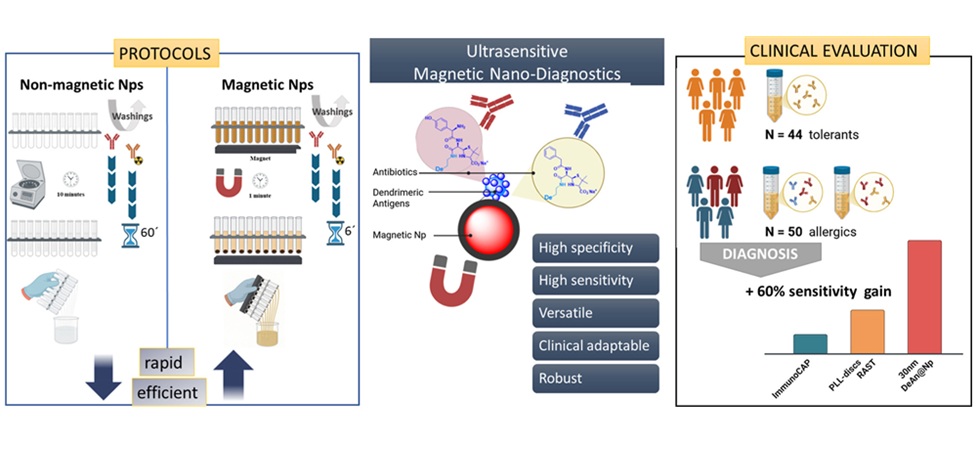
Magnetic Nanoparticles Enable More Sensitive Beta-Lactam Allergy Testing
Penicillin allergy labels are common in clinical practice, yet many are incorrect and can lead to suboptimal antibiotic choices. Although 8%–25% of people report a penicillin allergy, only 1%–10% are truly... Read more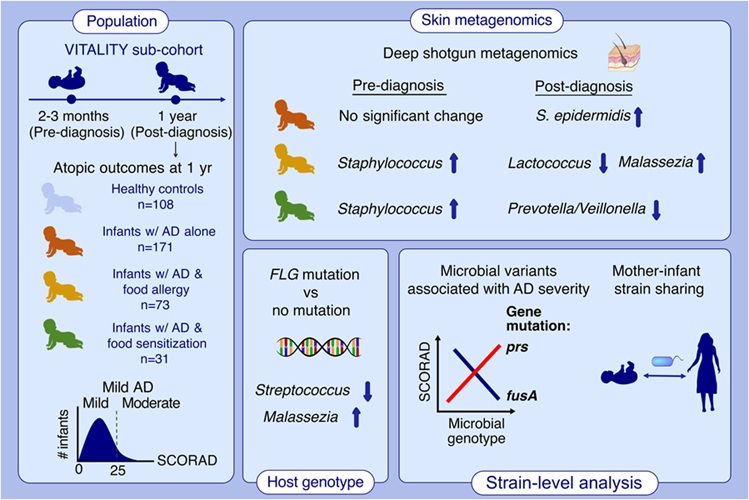
Infant Skin Microbiome Show Links to Later Eczema and Food Allergies
Eczema, or atopic dermatitis, and food allergies often begin in infancy and are among the earliest stages of the atopic march. Atopic dermatitis alone can affect up to 20% of children, yet objective indicators... Read more
Diagnostic Stewardship Guide Targets Testing Overuse and Hospital Cost Pressures
Hospitals face persistent pressure to improve diagnostic accuracy while reducing unnecessary testing and costs. Misordered or overused assays can complicate infection metrics, trigger penalties, and strain... Read more
Research Strengthens Bundibugyo Virus Outbreak Readiness with Faster Diagnostics
Bundibugyo virus (BDBV), a species of ebolavirus, causes severe hemorrhagic disease and can be difficult to diagnose rapidly during outbreaks. Recent regulatory changes have further complicated swift deployment... Read morePathology
view channel
AI Spatial Analysis of Routine Slides Helps Predict Pancreatic Cancer Recurrence
Predicting which patients with pancreatic cancer will recur after treatment and surgery remains challenging. Pathology evaluation typically measures residual tumor burden, but recent work found that tumor... Read more
Hybrid Computational Imaging Method Improves Digital Pathology Resolution
Digital pathology depends on high-resolution whole-slide imaging to capture diagnostically relevant cellular and tissue features, yet conventional methods often force trade-offs between speed, cost, and detail.... Read more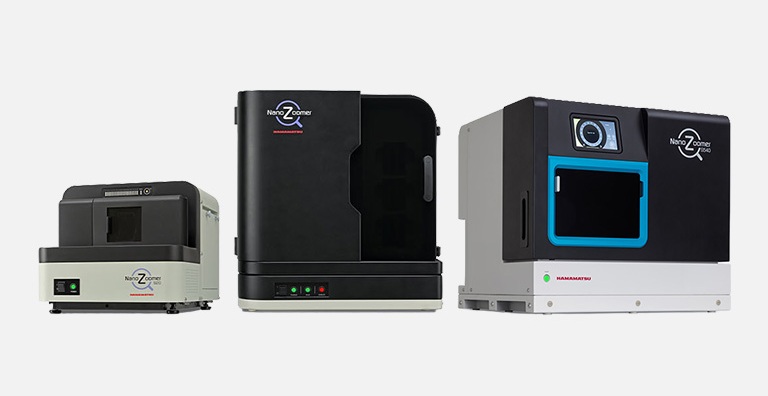
Technology
view channel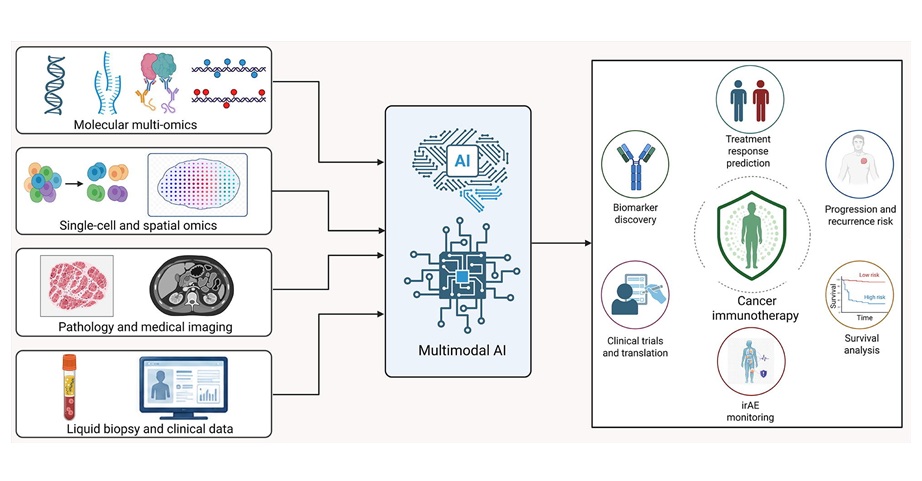
Multimodal AI Framework Aims to Guide Cancer Immunotherapy Decisions
Cancer immunotherapy has reshaped oncology, but heterogeneous responses and immune-related toxicities continue to complicate routine decision-making. Standard biomarkers, including programmed death-ligand... Read more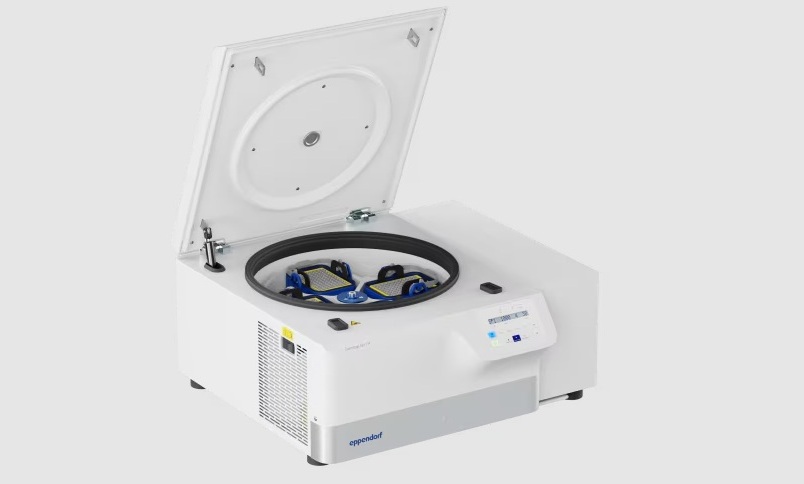
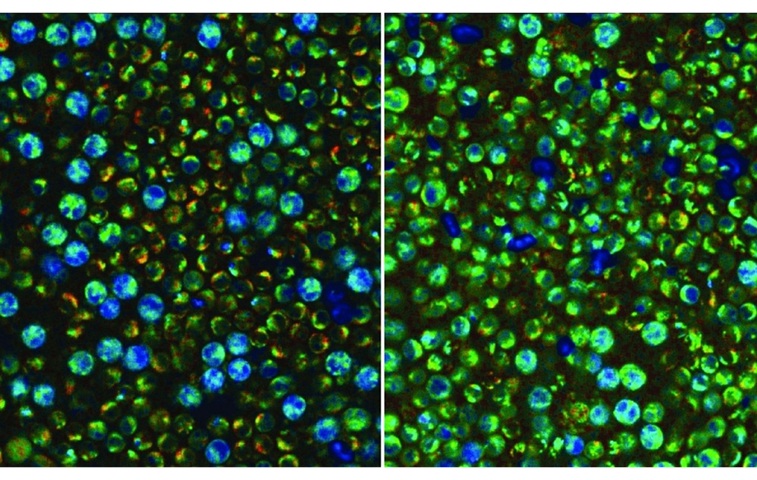
New Multipurpose Centrifuge Combines High Capacity with Sustainable Cooling
Laboratories often need centrifugation that accommodates multiple vessel formats while maintaining controlled temperatures to protect sensitive samples. Intuitive controls and repeatable operation can... Read more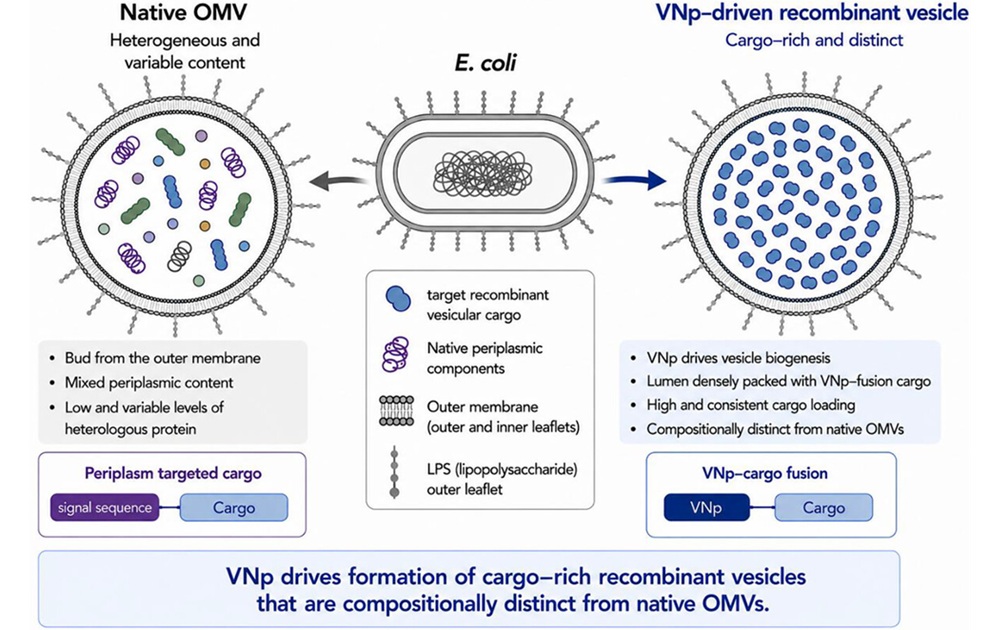
Bacterial Vesicle Expression System Streamlines Production of Cancer Diagnostic Proteins
Recombinant proteins are central to many cancer diagnostics and therapies, but numerous targets remain difficult and costly to produce because they are unstable, toxic to microbial hosts, or require precise folding.... Read more
Industry
view channel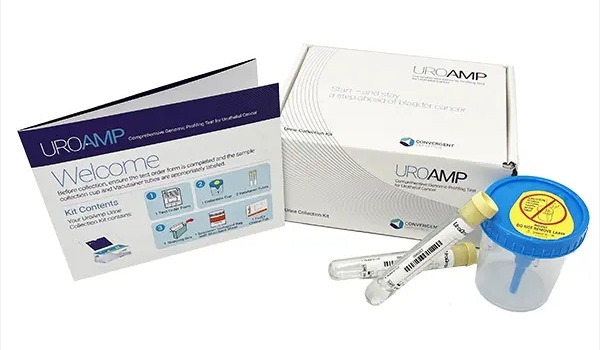
Veracyte Acquisition Expands Urine-Based Bladder Cancer Monitoring Capabilities
Veracyte, Inc. has acquired Convergent Genomics, expanding its urology diagnostics offerings with the company’s UroAmp platform and proprietary urinary tumor DNA (utDNA) technology. UroAmp has been clinically... Read more
Unilabs Expands Digital Pathology Across European Network with Proscia Platform
As precision medicine expands, digital pathology platforms must connect teams, sites, diagnostic data, and artificial intelligence to accelerate routine diagnosis. Sharing expertise across laboratory networks... Read more
MGI Launches Automated Multiplex Tissue Staining and Imaging System at ECP 2026
MGI Tech Co., Ltd. (Shenzhen, China) introduced VisiOmics (PMIF-20RS), a fully automated multiplex immunofluorescence staining and imaging system, at the 38th European Congress of Pathology (ECP 2026)... Read more