评估肺结核的快速诊断检验
|
By LabMedica International staff writers Posted on 02 May 2018 |


|
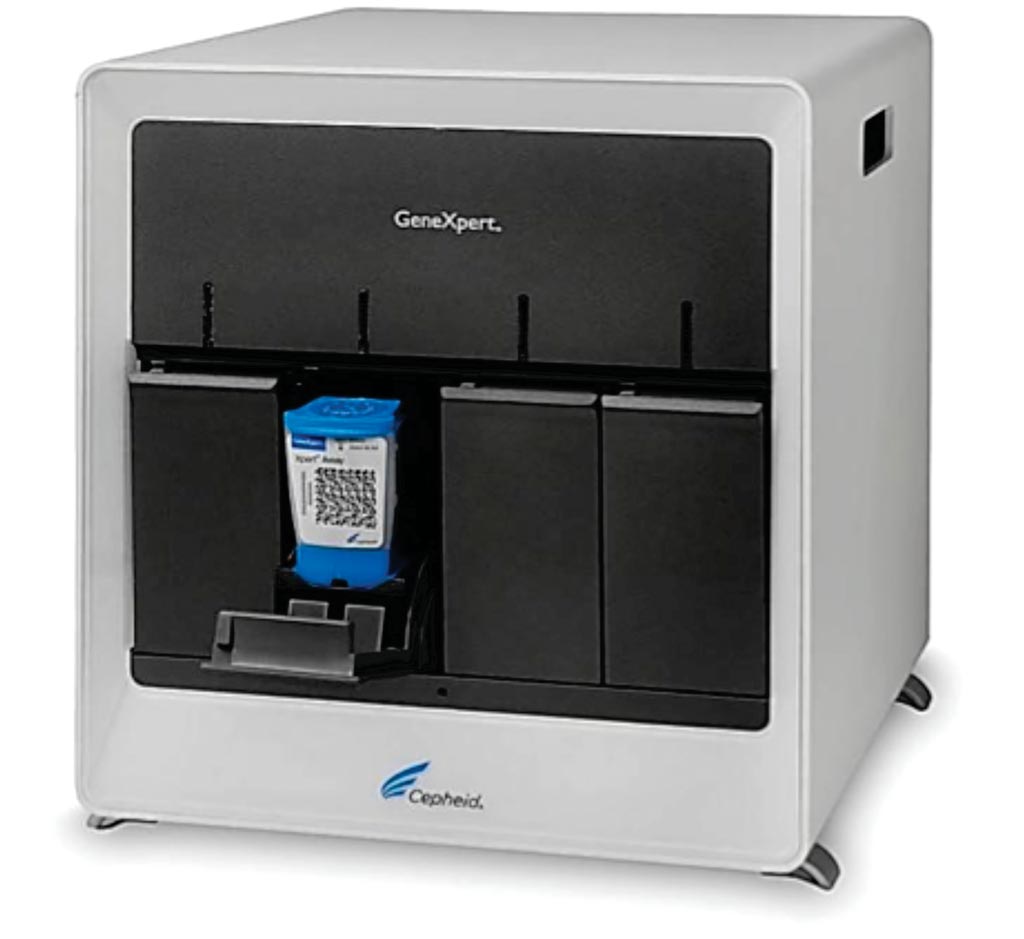
图片:Xpert MTB/RIF试剂载入GeneXpert 4模块仪器(图片蒙Cepheid公司惠赐)。
在资源有限的场合诊断涂片阴性肺结核与肺外结核(TB)仍是一项挑战。确认涂片阴性与肺外结核病例需要阳性的结核分枝杆菌培养物,需要长达八周时间制备。
研究人员评估了是否能实现用商用的快速分子诊断检验日常诊断涂片阴性或肺外的结核,评估了其诊断准确度,还评估了现实场合HIV的患病率。
一组来自多国的科学家与瑞士日内瓦大学医院(www.hug-ge.ch)的科学家合作,在两年期间开展了一项前瞻性队列研究,相继纳入了疑似涂片阴性肺结核/肺外结核的所有病例。将病例分为四类:确实、很可能、可能有结核或有其它诊断结果。在马达加斯加的一家当地医院对疑似肺结核患者的痰液样本进行齐尔-尼尔森染色后直接做显微镜检。
来自肺结核患者和肺外结核患者的所有的抗酸杆菌(AFB)阴性涂片都被送到结核分枝杆菌实验室做二次涂片检查、培养,并用美国加利福尼亚州森尼韦尔市Cepheid股份有限公司(www.cepheid.com)的Xpert MTB/RIF进行筛查。生物液(脑脊液、腹膜液、胸腔积液)的标准分析(细胞学分析与生化分析),还对组织样本(淋巴结、皮肤活检样本、胸腔活检样本和滑膜活检样本)做了病理检查。对所有患者进行HIV血清检验。通过三种不同的构象快速检验证实了HIV的状态。
科学家发现,纳入研究的363名患者中,183人(50.4%)有疑似的涂片阴性肺结核,180人(49.6%)有疑似的肺外结核。用Xpert MTB/RIF检测经过证实的病例,灵敏度、特异性、阳性预测值、阴性预测值分别为82.4%、98.8%、98.3%和86.6%;如果把经过证实的病例和可能性大的病例一起算,这些值分别为65%、98.8%、98.5%和64%。肺外结核的诊断准确度略低于涂片阴性的肺结核。HIV感染的患病率为12.1%,但是几乎半数病例没有结核(其它诊断结果组)。
该研究的论文发表于2018年4月号的《国际传染病杂志》(International Journal of Infectious Diseases)。作者总结说,在资源贫乏场合实施结核的快速诊断是可行的。Xpert-MTB/RIF检测难诊人群的性能十分突出。这项研究得出的HIV患病率远高于所报的马达加斯加大众的患病率、结核患者的患病率以及结核以外病症患者的患病率。
日内瓦大学医院>>> www.hug-ge.ch
Cepheid >>> www.cepheid.com


Platinum Member

Automated Coagulation Analyzer
Hemolumi H6


Gold Member

Platelet Function Analyzer
PL-12
Gold Member

Fully-auto Specific Protein (Nephelometry) Analyzer
PA240
Latest 实验室技术 News
Channels
Clinical Chemistry
view channel
Common Kidney Function Tests May Miss CKD in Cancer Patients
Chronic kidney disease (CKD) can complicate cancer care, as reduced kidney filtration may affect treatment eligibility and dosing. In oncology, kidney function assessment often relies on estimated glomerular... Read more
Point-of-Care Blood Biomarker Test Detects Brain Injury Missed by CT
Traumatic brain injury remains difficult to assess in emergency settings because some patients continue to have symptoms despite normal computed tomography findings. Approximately 2.8 million people in the U.... Read more

Molecular Diagnostics
view channel
Updated Framework Guides Assessment of Actionable Cancer Biomarkers
Cancer care increasingly relies on molecular testing to guide targeted treatment selection. Broader use of tumor sequencing has expanded the volume and diversity of biomarker data available to oncologists,... Read more
Genomic Tissue Test Predicts Metastasis and Abiraterone Benefit in High-Risk Prostate Cancer
Prostate cancer is the most common cancer in men, affecting more than 1 million men worldwide in 2013. Its clinical course varies substantially between patients, complicating efforts to identify those... Read more

Hematology
view channel
New Risk-Stratification Tool Predicts Relapse After Blinatumomab in Childhood ALL
Acute lymphoblastic leukemia in children and young people requires careful assessment of relapse risk, particularly as treatment approaches move beyond standard chemotherapy. Traditional relapse predictors... Read more
New Myelofibrosis Guidelines Recommend Expanded Genetic Testing at Diagnosis
Myelofibrosis is a rare, life-threatening blood cancer affecting up to six per 100,000 people. The disease causes scarring in the bone marrow, limiting the production of healthy blood cells and potentially... Read more

Immunology
view channel
Antibody Profiling Predicts Inflammatory Bowel Disease Years Before Diagnosis
Inflammatory bowel disease (IBD), which includes Crohn’s disease and ulcerative colitis, involves abnormal immune responses that cause persistent inflammation and damage in the digestive system.... Read more
Immune Profiling Initiative Aims to Improve Bone Marrow Analysis in Leukemia
Acute myeloid leukemia (AML) is an aggressive blood cancer in which assessing disease burden after therapy can help guide clinical evaluation. Patients with measurable residual disease (MRD) after treatment... Read more
Immune Profiling Identifies Early Maternal Autoantibodies Linked to Preterm Birth Risk
A typical pregnancy lasts about 40 weeks, but labor begins prematurely in roughly one in 10 pregnancies. Preterm birth is the leading cause of newborn death worldwide, yet its underlying causes and which... Read more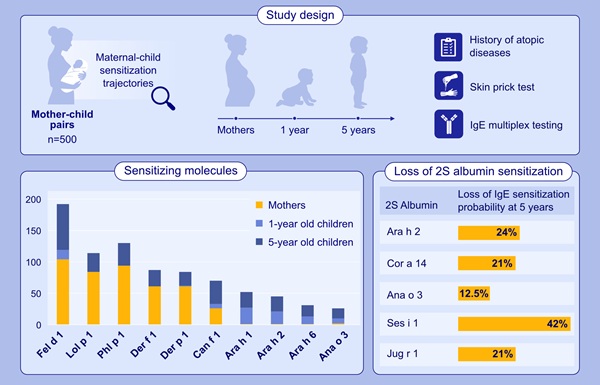
Longitudinal Blood Testing Reveals Changes in Allergen Sensitization During Childhood
Food allergy is a major childhood health concern, and distinguishing persistent risk from transient sensitization can guide clinical decisions. Specific IgE antibodies may be detectable even when a child... Read moreMicrobiology
view channel
Decentralized Laboratory Network Improves Detection of Viral Hemorrhagic Fevers in Guinea
Viral hemorrhagic fevers remain a major diagnostic challenge in West Africa because their early symptoms can resemble those of other febrile illnesses. The 2014–2016 Ebola epidemic underscored the need... Read more
Molecular Panel Gains WHO Emergency Use Listing to Support Ebola Outbreak Response
The ongoing Ebola Bundibugyo outbreak in the Democratic Republic of the Congo and neighboring countries has become one of the largest outbreaks of this Ebola virus species recorded to date.... Read more

Pathology
view channel
Digital Pathology Test Stratifies Recurrence Risk in Early Breast Cancer
In hormone receptor-positive, human epidermal growth factor receptor 2 (HER2)-negative early breast cancer, accurate recurrence-risk assessment helps guide treatment decisions. However, individual risks... Read more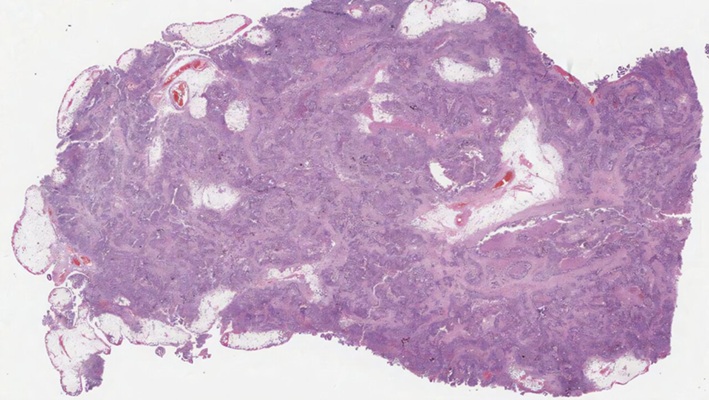
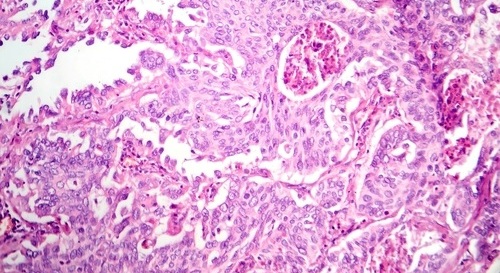
AI Pathology Tool Predicts DNA Repair Deficiency in High-Grade Serous Ovarian Cancer
High-grade serous tubo-ovarian carcinoma is an aggressive cancer arising in the ovaries or fallopian tubes. Some tumors exhibit homologous recombination deficiency (HRD), a feature reflecting impaired DNA repair.... Read more
Technology
view channel
Compact PCR Thermal Cycler Launches for Routine Molecular Laboratory Workflows
Molecular laboratories rely on nucleic acid analysis to detect molecular information accurately and reproducibly across a wide range of applications. Supporting these routine workflows, a newly launched... Read more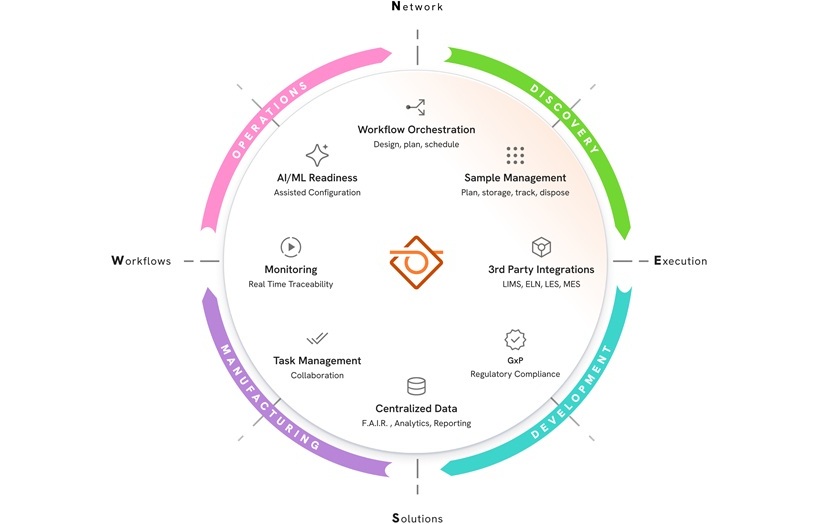
New AI-Powered System Aims to Streamline Laboratory and Manufacturing Workflows
Scientific laboratories supporting drug development, biotechnology, and materials research increasingly rely on coordinated digital workflows to move data, samples, and activities across teams.... Read more
Industry
view channel
Collaboration Brings Tumor-Informed MRD Monitoring to Breast Cancer Care in Abu Dhabi
For many patients, cancer treatment does not eliminate the risk of recurrence, which may occur months or years later and become harder to treat after spreading. Recurrence is often detected only after... Read more