Das SRL Exhibits New Lab Solutions at MEDLAB 2017
|
By LabMedica International staff writers Posted on 09 Feb 2017 |


|
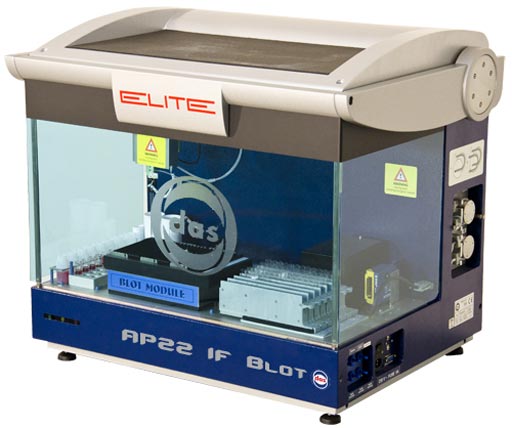
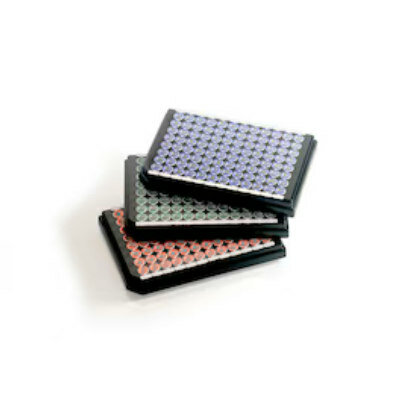
Image: The AP22 IF BLOT ELITE system (Photo courtesy of Das SRL).
Das SRL, which designs, manufactures, and markets analyzers and automated equipment for application in immuno-enzimatic, immuno-fluorescence, and clinical chemistry, exhibited its AP22 IF BLOT ELITE system and NEO BIL Plus bilirubinometer at MEDLAB 2017.
Italy-based Das SRL offers systems for automated ELISA process on micro-plates and immunofluorescence on slides; readers and washers for laboratories using micro-titre plates or micro-strips; programmable semi-automated photometers for clinical chemistry analysis; and neonatal bilirubinometers for bilirubin monitoring using centrifuged whole blood samples.
The company’s AP22 IF BLOT ELITE is a fully automated system for ELISA and IFA and BLOT methods. The instrument is capable of running 2 ELISA micro-plates with 8 tests on line, 16 IFA slides or 24 BLOT strips. It can perform full automation for the Dot/Western Blot, from sample dilution and dispensing, reagent dispensing, incubation, and strip washing to dot imaging processing and assessment for each strip.
Also on display at the 4-day exhibition held from February 6-9, 2017, in Dubai, UAE was Das SRL’s NEO BIL Plus, an advanced version of traditional bilirubinometers, designed to analyze the 'total bilirubin' through a microcapillary tube. NEO BIL Plus features a special reading system, which can carry out a precise sample measurement of both bilirubin and interferentials at the same point of the capillary using a small quantity of serum and without any reagents.
.jpg)




Italy-based Das SRL offers systems for automated ELISA process on micro-plates and immunofluorescence on slides; readers and washers for laboratories using micro-titre plates or micro-strips; programmable semi-automated photometers for clinical chemistry analysis; and neonatal bilirubinometers for bilirubin monitoring using centrifuged whole blood samples.
The company’s AP22 IF BLOT ELITE is a fully automated system for ELISA and IFA and BLOT methods. The instrument is capable of running 2 ELISA micro-plates with 8 tests on line, 16 IFA slides or 24 BLOT strips. It can perform full automation for the Dot/Western Blot, from sample dilution and dispensing, reagent dispensing, incubation, and strip washing to dot imaging processing and assessment for each strip.
Also on display at the 4-day exhibition held from February 6-9, 2017, in Dubai, UAE was Das SRL’s NEO BIL Plus, an advanced version of traditional bilirubinometers, designed to analyze the 'total bilirubin' through a microcapillary tube. NEO BIL Plus features a special reading system, which can carry out a precise sample measurement of both bilirubin and interferentials at the same point of the capillary using a small quantity of serum and without any reagents.

Gold Member
Clinical Chemistry Assay
Sorbitol Dehydrogenase (SDH)
Electrolyte Analyzer
CBS-4000 (CBS-400)
HPV Molecular Test
BD Onclarity HPV Assay
Latest MEDLAB 2017 News
- AXA Diagnostics Showcases SkyLAB752 ELISA Analyzer
- Norma Diagnostika Showcases Icon Hematology Analyzers at MEDLAB
- AITbiotech Exhibits abTES Molecular Diagnostics Assays at MEDLAB 2017
- Binding Site Unveils Optilite Protein System
- Priorclave Showcases Energy-Efficient Lab Autoclaves in Dubai
- Diatron Exhibits Abacus 5 and Aquila Hematology Analyzers
- DRG Group Presents New Analyzer and ELISAs at Dubai Lab Exhibition
- Beckman Coulter Exhibits New Lab Solutions in Dubai
- Siemens Healthineers Showcases Latest Diagnostic Innovations
Channels
Clinical Chemistry
view channel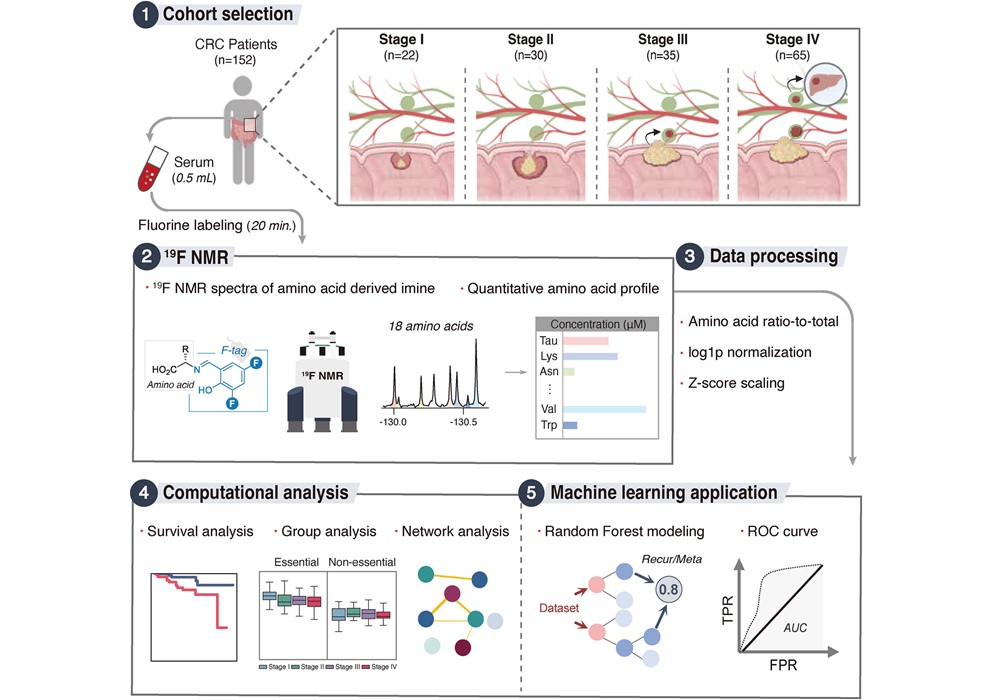
Preoperative Blood Test Predicts Colorectal Cancer Recurrence and Metastasis
Cancer cells require large amounts of nutrients to grow and proliferate, and amino acids support key processes including protein formation, energy production, and DNA synthesis. Colorectal cancer is marked... Read more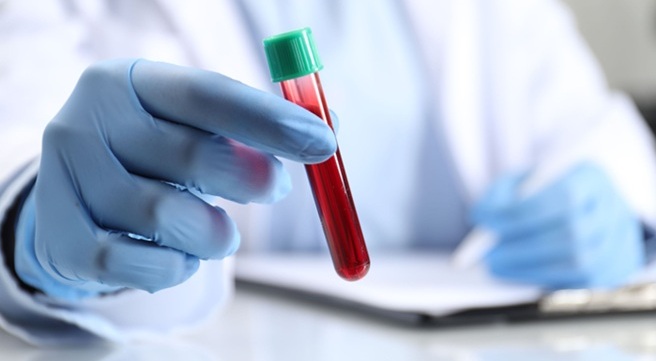
New Machine-Learning Equation Improves LDL Cholesterol Assessment
Accurate assessment of low-density lipoprotein (LDL) cholesterol is central to cardiovascular risk management, yet calculation methods can underestimate values in some patients. Laboratories widely use... Read more
Molecular Diagnostics
view channel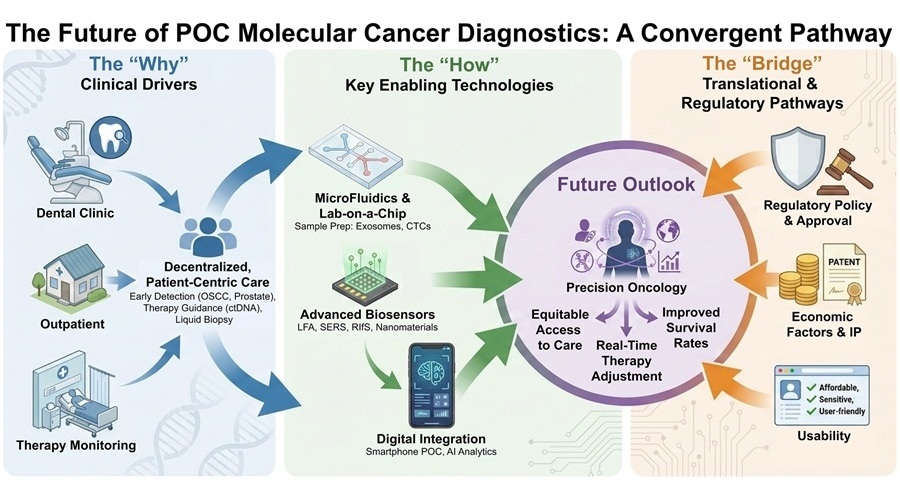
Point-of-Care Molecular Technology Promises Transformative Shift in Oncology
Delays in obtaining molecular test results can hinder timely oncology decisions and widen disparities for patients far from centralized laboratories. Prolonged waits may also heighten anxiety and increase... Read more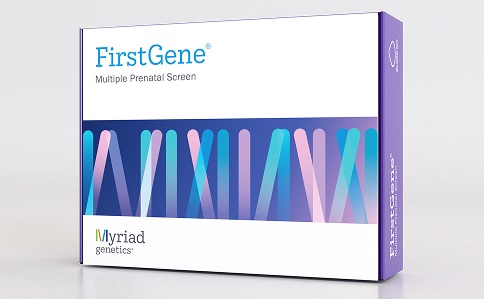
New Test Delivers Four Prenatal Genetic Screens from One Blood Sample
Prenatal genetic screening often requires multiple tests, blood draws, and follow-up appointments, delaying access to clinically relevant information. Early, consolidated insights may help clinicians coordinate... Read more
Multiplex PCR Test Differentiates Four Causes of Ulcerative Skin Lesions
Vesicular and pustular skin lesions can stem from multiple viral pathogens, complicating timely diagnosis and management. Sequential single-pathogen testing can miss infections when the causative agent... Read more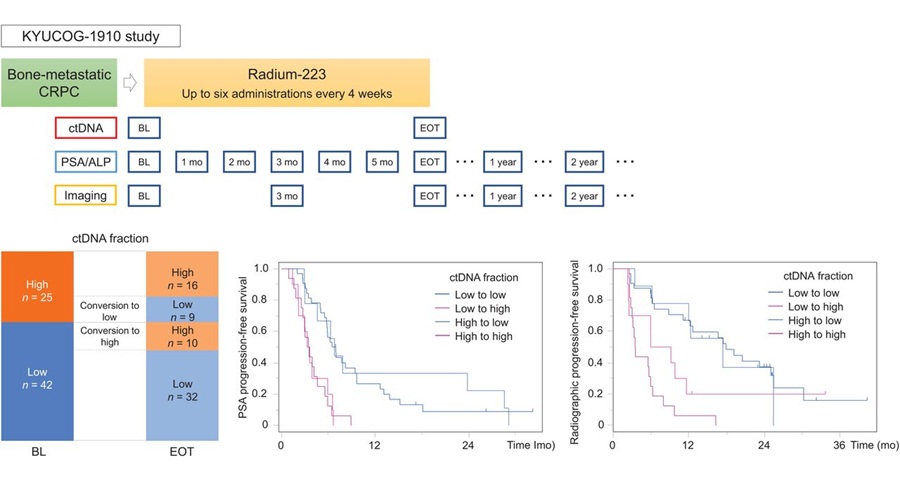
Blood Test Guides Patient Selection for Radiopharmaceutical Therapy in Prostate Cancer
Radium-223 dichloride is a bone-targeted radiopharmaceutical therapy that improves overall survival and quality of life for many patients with metastatic castration-resistant prostate cancer (mCRPC), but... Read moreHematology
view channel
New Marker Helps Detect Aggressive Multiple Myeloma Earlier
Multiple myeloma is an incurable malignancy of plasma cells and the second most common blood cancer worldwide, with more than 188,000 new cases each year. Although therapies have advanced, most patients... Read more
New Biomarkers Predict Resistance to Targeted Therapy in Rare Blood Cancer
Blastic plasmacytoid dendritic cell neoplasm (BPDCN) is a rare and aggressive leukemia with limited treatment options and a poor prognosis. Although tagraxofusp is the first approved targeted therapy for... Read more
Immunology
view channel
Ultrasensitive Blood Test Detects Sjögren’s Signature Years Before Diagnosis
Sjögren’s disease is a common autoimmune condition that can be difficult to recognize early, leading to delayed diagnosis and persistent symptom burden. It affects around half a million people in the UK... Read more
New Assays Expand Cytokine Testing for Transplant and Immunocompromised Patients
Eurofins Viracor has introduced three plasma-based assays—CXCL9 (Test Code 33607), CXCL10 (Test Code 33609), and interleukin-18 (IL-18) (Test Code 33611)—expanding its immunology testing menu for transplant... Read more

Microbiology
view channel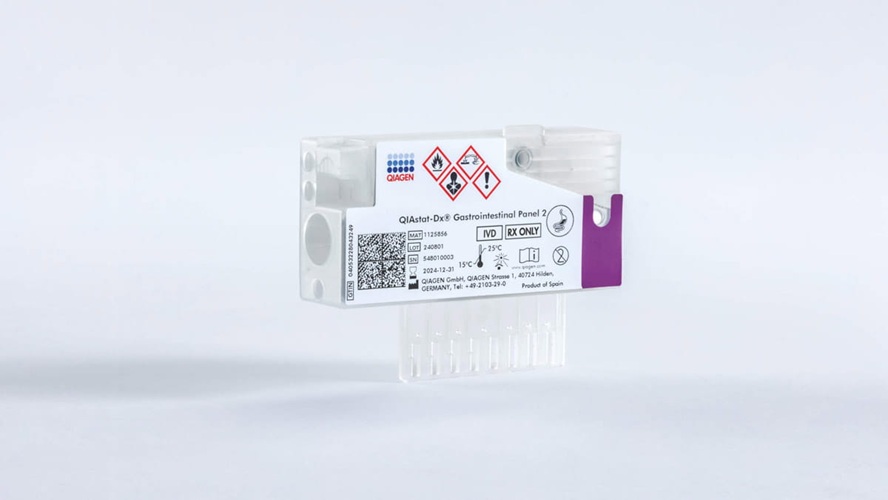
Syndromic GI Panel Detects Cyclospora for Rapid Case Confirmation
U.S. health authorities have reported a rapid increase in cyclosporiasis since May 2026, with more than 1,600 confirmed infections and thousands of additional suspected cases under investigation.... Read more
Rapid Panel Identifies Gram-Negative Pathogens and Resistance Markers in Bloodstream Infections
Bloodstream infections require rapid identification of causative pathogens and resistance mechanisms to guide effective therapy. Delays in profiling gram-negative organisms, which are frequently associated... Read more

Pathology
view channel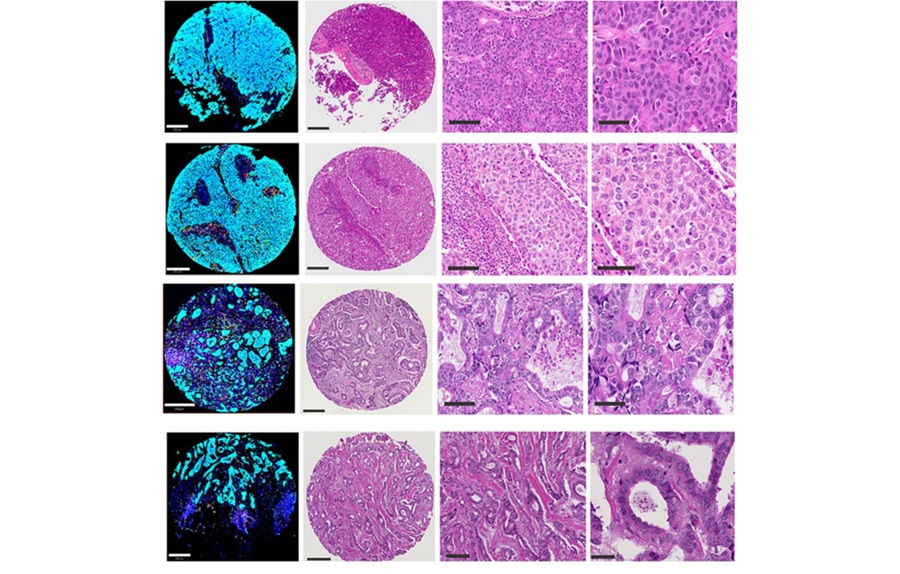
Digital Pathology Tool Predicts Breast Cancer Outcomes and Therapy Response
Breast cancer prognosis often depends on microscopic assessment of tumor architecture, a process that can be subjective and lead to variable predictions across patient groups. Quantitative measures that... Read more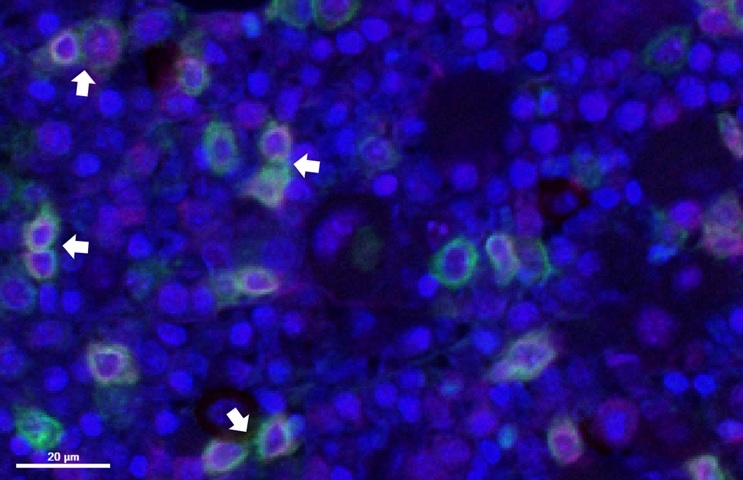
AI Bone Marrow Mapping Provides New Tool to Track Blood Cancer Severity
Myelodysplastic neoplasms, a group of blood cancers that primarily affect older adults, are challenging to stage and monitor, often requiring repeated bone marrow biopsies that can yield uncertain interpretations.... Read more

Technology
view channel
Training Device Improves Accuracy of Pooled Molecular Diagnostics
High-throughput molecular diagnostics have transformed infectious disease detection, but many workflows remain difficult to execute accurately without extensive training. Sample pooling can cut per‑test... Read more
New CE-Certified Software Advances Whole-Genome Cancer Testing
European hospitals are increasingly using comprehensive tumor genomics to guide therapy, but routine whole genome sequencing (WGS) requires validated, regulation-compliant workflows. A newly CE-certified... Read more
National Rare Disease Registry Standardizes Genetic and Clinical Data for Coordinated Care
Rare diseases collectively impose a significant clinical burden despite their individual rarity, often involving multisystem presentations and prolonged diagnostic journeys. Limited specialist expertise... Read more
Industry
view channel
Tempus to Acquire Personalis in $1.5 Billion Precision Oncology Deal
Tempus AI, Inc. (Chicago, IL, USA) has entered into a definitive agreement to acquire Personalis, Inc. (Fremont, CA, USA), expanding its capabilities in molecular residual disease (MRD) testing and cancer... Read more