DRG Group Presents New Analyzer and ELISAs at Dubai Lab Exhibition
|
By LabMedica International staff writers Posted on 08 Feb 2017 |


|
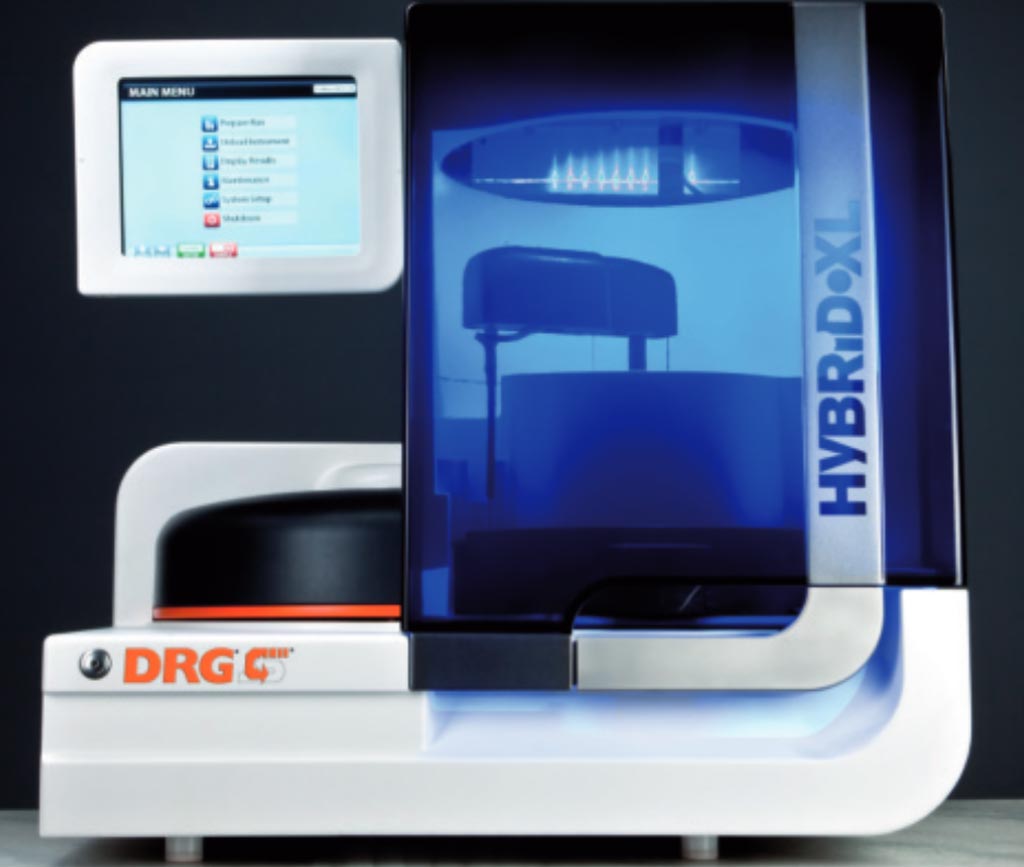
Image: The DRG:HYBRiD-XL random access analyzer (Photo courtesy of DRG).
The DRG Group, a leading medical diagnostic and laboratory equipment supplier, demonstrated its fully automated random access analyzer, DRG:HYBRiD-XL, along with its newest ELISAs, at MEDLAB 2017, the world’s largest laboratory exhibition and congress in the Middle East.
The DRG:HYBRiD-XL is a fully automated, continuous access analyzer that allows the simultaneous measurement of immunoassays and clinical chemistry parameters, including turbidimetric tests in one sample. It allows medical practitioners to carry out up to 40 tests of different types or 40 times of the same test, or up to 20-patient samples over a wide range of pre-packaged tests to serve different specialties.
DRG also highlighted its newest ELISAs such as Salivary Progesterone HS (High Sensitivity) ELISA, DHT-optimized and Hepcidin 25 (bioactive) HS ELISA kit at MEDLAB 2017. The company’s saliva diagnostics products offer several benefits such as non-invasive sampling, measurement of the free (unbounded) fraction of steroids, and much higher diagnostic relevance with reproducible and reliable results, compared to serum analytics. DRG’s new Salivary Progesterone HS ELISA is calibrated against mass spectrometry, which is considered as gold standard in saliva diagnostics.





The DRG:HYBRiD-XL is a fully automated, continuous access analyzer that allows the simultaneous measurement of immunoassays and clinical chemistry parameters, including turbidimetric tests in one sample. It allows medical practitioners to carry out up to 40 tests of different types or 40 times of the same test, or up to 20-patient samples over a wide range of pre-packaged tests to serve different specialties.
DRG also highlighted its newest ELISAs such as Salivary Progesterone HS (High Sensitivity) ELISA, DHT-optimized and Hepcidin 25 (bioactive) HS ELISA kit at MEDLAB 2017. The company’s saliva diagnostics products offer several benefits such as non-invasive sampling, measurement of the free (unbounded) fraction of steroids, and much higher diagnostic relevance with reproducible and reliable results, compared to serum analytics. DRG’s new Salivary Progesterone HS ELISA is calibrated against mass spectrometry, which is considered as gold standard in saliva diagnostics.

Platinum Member
Automated Coagulation Analyzer
Hemolumi H6
Gold Member
Automatic Hematology Analyzer
CF9600
Thyroid Test
Anti-Thyroid EIA Test
Urine Analyzer
respons® UDS100
Latest MEDLAB 2017 News
- AXA Diagnostics Showcases SkyLAB752 ELISA Analyzer
- Norma Diagnostika Showcases Icon Hematology Analyzers at MEDLAB
- AITbiotech Exhibits abTES Molecular Diagnostics Assays at MEDLAB 2017
- Binding Site Unveils Optilite Protein System
- Das SRL Exhibits New Lab Solutions at MEDLAB 2017
- Priorclave Showcases Energy-Efficient Lab Autoclaves in Dubai
- Diatron Exhibits Abacus 5 and Aquila Hematology Analyzers
- Beckman Coulter Exhibits New Lab Solutions in Dubai
- Siemens Healthineers Showcases Latest Diagnostic Innovations
Channels
Clinical Chemistry
view channel
Noninvasive Earwax Test Aims to Detect Meniere’s Disease
Meniere’s disease is a chronic inner ear disorder that can cause vertigo, hearing loss, tinnitus, and a feeling of fullness in the ear. Diagnosis can be difficult because symptoms overlap with other vestibular... Read more
Point-of-Care Blood Test Could Speed Treatment Decisions in Acute Stroke
Minutes can shape treatment decisions in emergency stroke care, particularly when physicians need to know whether a patient is taking anticoagulants before administering clot-dissolving therapy.... Read more
Breath Analysis Shows Promise for Distinguishing Cancerous from Benign Lung Nodules
Lung nodules are frequently detected during imaging, but distinguishing malignant from benign findings can require invasive procedures. Some patients undergo biopsies, bronchoscopy, or surgery before learning... Read more
Molecular Diagnostics
view channel
Genetic Testing Identifies Inherited Predisposition in Children With Acute Leukemia
Childhood acute leukemia can involve inherited cancer predisposition that is not always apparent at diagnosis. Previous studies estimate that 4% to 10% of children with hematological malignancies carry... Read more
Single Assay Enables Simultaneous Newborn Screening for Three Severe Genetic Disorders
Newborn screening aims to identify serious genetic disorders within the first days of life, when swift intervention can help prevent irreversible harm. Spinal muscular atrophy, severe combined immunodeficiency,... Read more
Hematology
view channel
New Donor Genetic Marker May Help Predict Stem Cell Transplant Success
Donor selection for hematopoietic stem cell transplantation plays a major role in relapse risk and survival for patients with blood cancers and other blood disorders. Despite advances in genotyping, uncertainty... Read more
Updated Ferritin Thresholds Improve Detection of Iron Deficiency
Iron deficiency is one of the most common health conditions worldwide, yet its nonspecific symptoms can delay diagnosis for months. Variation in testing practices and ferritin thresholds may contribute... Read more

Immunology
view channel
Blood Test Differentiates Bacterial and Viral Infections in Febrile Infants
Fever in infants younger than 3 months is treated as a medical emergency because infections can become life-threatening while the immune system is still developing. Emergency department teams must quickly... Read more
New Autoantibody Test Targets Pre-Symptomatic Type 1 Diabetes Screening
Type 1 diabetes is often first recognized only after substantial beta-cell destruction, sometimes presenting as diabetic ketoacidosis. Population-scale screening could identify children at elevated risk... Read more
Microbiology
view channel
FDA-Cleared Multiplex PCR Test Detects 13 Respiratory Pathogens in a Single Sample
Respiratory tract infections can be difficult to distinguish at presentation because many cause overlapping, nonspecific symptoms and are initially grouped as influenza-like illnesses. Causes span a range... Read more
One-Hour Molecular Panel Expands Bloodstream Infection Testing for Gram-Negative Pathogens
Bloodstream infections can progress rapidly and lead to sepsis, organ failure, and death. In the United States, about 1.7 million adults develop sepsis each year, and at least 350,000 die during hospitalization... Read more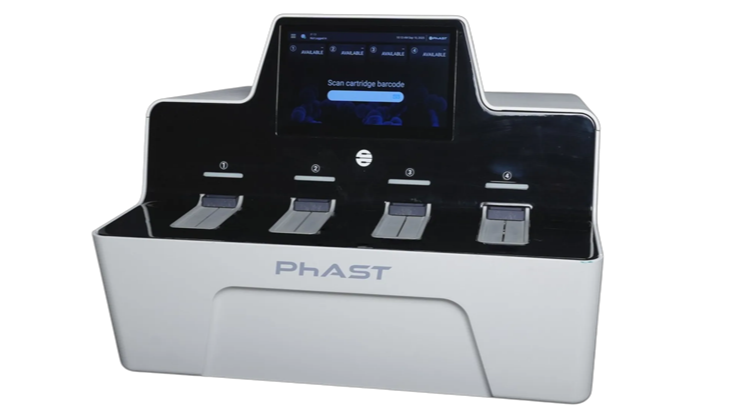
FDA Clears Rapid Phenotypic Antimicrobial Susceptibility System for Positive Blood Cultures
Bloodstream infections require prompt treatment, but antimicrobial susceptibility results often lag behind a positive blood culture. Conventional testing can take another 24 to 48 hours after a culture... Read more
New Urine Test Expands Mycotoxin Analysis to 31 Markers for Broader Exposure Assessment
Clinical evaluation of mold exposure increasingly relies on urinary mycotoxin testing, but limited marker coverage and metabolite masking can make results more difficult to interpret. Broader analysis... Read morePathology
view channel
New AI Model Maps Where Glioblastoma Could Return After Surgery
Glioblastoma is the most common malignant brain tumor in adults and the most lethal, with median survival of about 17 months after diagnosis. Even after surgeons remove all visible tumor and patients receive... Read more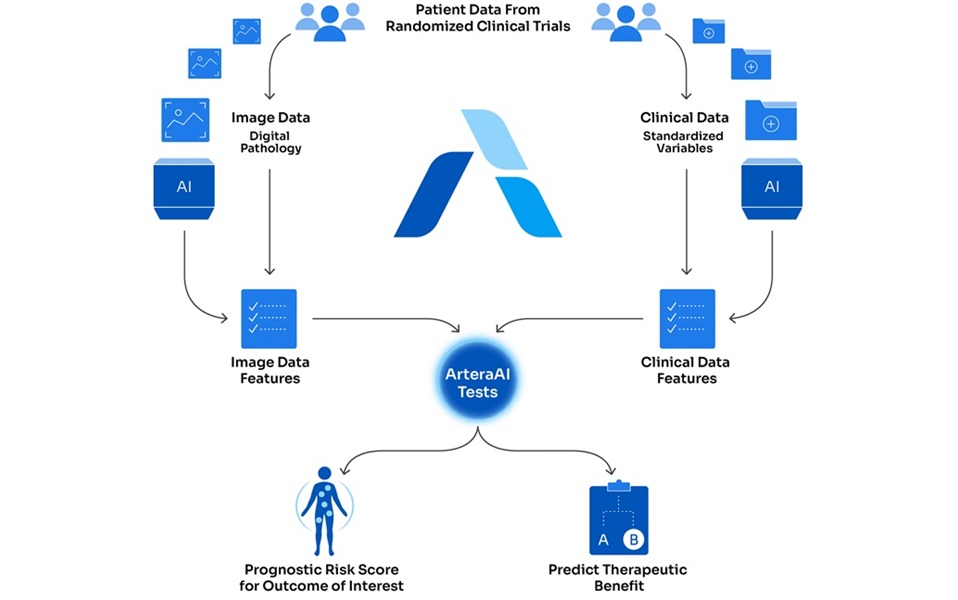
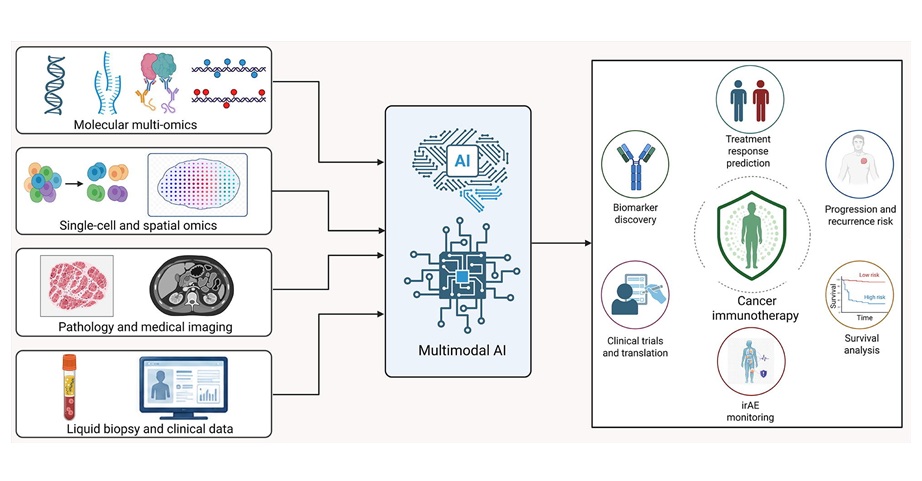
Multimodal AI Supports Prostate Cancer Risk Assessment Across Diverse Cohorts
Artera’s (Los Altos, CA, USA) multimodal artificial intelligence (MMAI) platform is being featured in five abstracts at the American Society for Radiation Oncology (ASTRO) 2026 Annual Meeting.... Read more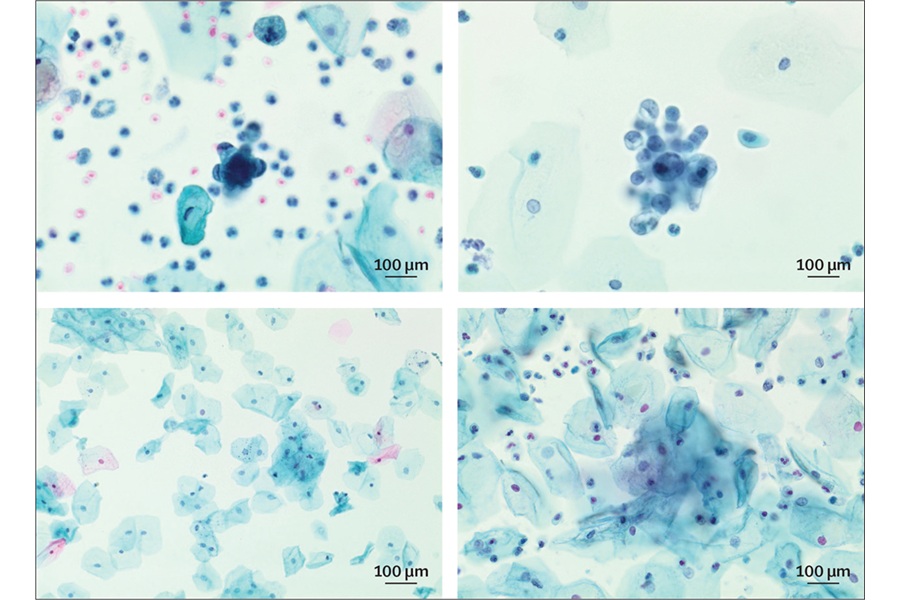

Technology
view channel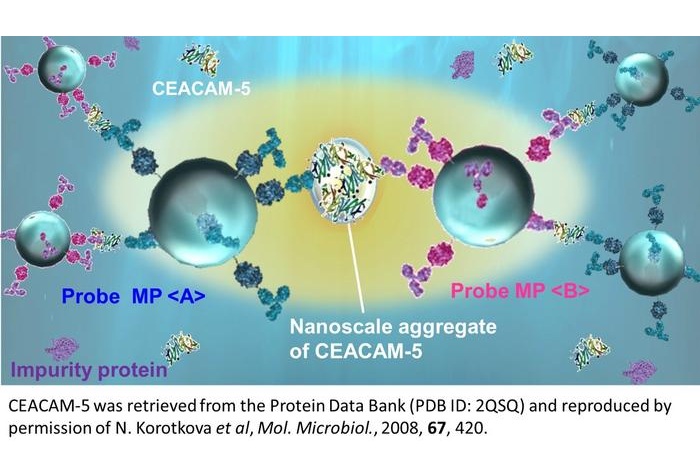
Laser-Enhanced Assay Boosts Sensitivity for Colorectal Cancer Biomarker Detection
Colorectal cancer is the third most commonly diagnosed cancer and the second leading cause of cancer-related death worldwide. Early detection remains critical, but cancer biomarkers can produce only faint... Read more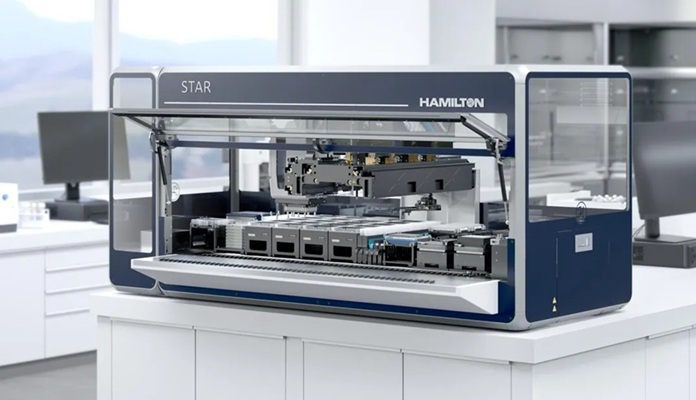
New Automation Workflow Streamlines NGS Library Preparation for High-Volume Labs
Demand for next-generation sequencing (NGS) continues to rise as laboratories process growing sample volumes, yet library preparation remains labor-intensive and a frequent source of variability.... Read more
Industry
view channel
Collaboration Combines AI Cognitive Assessment and RNA Blood Testing for Earlier Alzheimer’s Detection
Alzheimer’s disease is often identified only after substantial neurodegeneration, partly because current diagnostic pathways are fragmented and difficult to scale. As treatment shifts toward earlier intervention,... Read more
Mayo Clinic Laboratories and Pathology Asia Expand Genomic Testing Across Asia-Pacific
Mayo Clinic Laboratories and Pathology Asia Holdings (PAH), together with subsidiary LifeStrands Genomics, announced a strategic investment and collaboration focused on expanding access to advanced diagnostics... Read more