Immune Cell Blood Test May Predict Melanoma Immunotherapy Response
Posted on 13 Aug 2026
Melanoma remains one of the deadliest skin cancers, although outcomes improve markedly when the disease is detected early. Immunotherapy has extended survival for many patients with advanced melanoma, but nearly half do not respond, while others develop serious adverse effects. This variability leaves clinicians without reliable predictors of treatment benefit or toxicity. Noninvasive blood-based monitoring could therefore provide a valuable way to guide treatment decisions and ongoing surveillance. A new study shows that coordinated changes in circulating B and T lymphocytes during immunotherapy are associated with both survival outcomes and treatment-related side effects.
Researchers at King’s College London analyzed circulating B and T lymphocytes to better characterize adaptive immune responses during checkpoint inhibitor therapy. Using mass cytometry, which measures multiple characteristics of individual immune cells simultaneously, the team was able to identify distinct and rare immune cell subsets and track how they changed during treatment. This approach enabled a detailed, simultaneous assessment of B- and T-cell dynamics in the peripheral blood of melanoma patients, providing a broader view of how the adaptive immune system responds to immunotherapy.

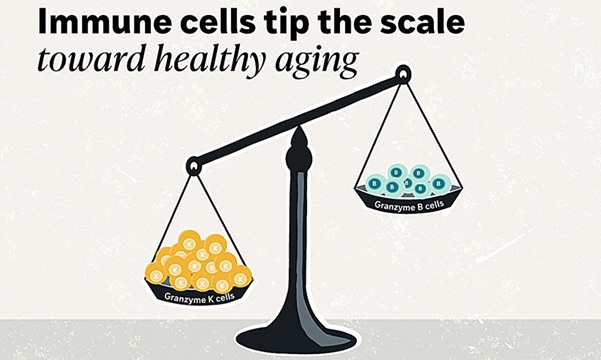
The study included blood samples from 24 patients with stage 2–4 melanoma who were treated at Guy’s and St Thomas’ NHS Foundation Trust, along with samples from 25 healthy volunteers. Blood was collected before treatment and at two additional time points during therapy, allowing the researchers to follow changes in immune cell populations over time. Early immune reinvigoration, characterized by renewed activation and expansion of both B and T cells within the first six weeks of treatment, was associated with favorable clinical outcomes, including longer survival.
In contrast, patients who developed immature or poorly functioning B-cell populations during treatment experienced poorer outcomes. A lower pretreatment capacity of both B and T cells to mount anticancer responses was also associated with reduced survival, suggesting that immune status before therapy may influence subsequent treatment benefit. Certain T-cell subsets were additionally linked to treatment-related side effects, while substantial differences in immune cell levels between individual patients may help explain why responses to immunotherapy vary so widely.
Published in the Journal for ImmunoTherapy of Cancer on August 7, 2026, the findings highlight the potential of blood-based immune profiling to provide a more comprehensive picture of how patients respond to immunotherapy. Such profiling could help identify patients who are more likely to benefit from treatment, those at greater risk of toxicity, and individuals who may require closer monitoring during therapy. The researchers now plan to examine B and T cells within tumors and to validate the approach in larger patient cohorts and in other cancers, including triple-negative breast cancer.
“B cells have emerged as critical contributors to survival and treatment outcomes in melanoma. In-depth studies of these cells may provide important insights to help address the current clinical challenges in melanoma treatment. Studying immune cells from patients' blood samples is much less invasive than biopsies,” said Lucy Booth, Ph.D. student at St. John’s Institute of Dermatology, King’s College London.
Related Links
King’s College London