New Plasma Tau Assay Improves Prediction of Alzheimer’s Progression
Posted on 20 Mar 2026
Predicting which patients with early symptomatic Alzheimer’s disease will decline more rapidly remains a key challenge in both research and patient care. Growing interest in tau biology, along with advances in blood-based biomarkers, is shaping new approaches to this problem. New findings now link baseline tau biomarker plasma levels to measures of subsequent cognitive and functional decline in a Phase 3 program.
C2N Diagnostics (St. Louis, MO, USA) highlighted the first use of its eMTBR-tau243 plasma assay within the Evoke/Evoke+ Phase 3 dataset, presented at the AD/PD 2026 Alzheimer’s & Parkinson’s Diseases Conference during the Evoke/Evoke+ Trial Symposium. The analysis incorporated eMTBR-tau243, a Research Use Only biomarker commercialized and measured by C2N, among participants enrolled in the trials. The symposium focused on Evoke and Evoke+ cerebrospinal fluid (CSF) and plasma biomarker analyses as well as exploratory subgroup analyses.
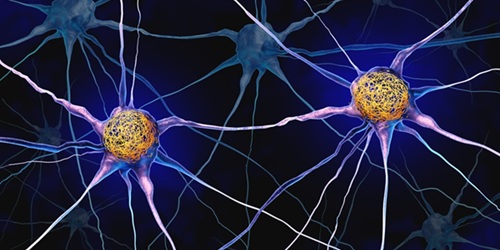
The eMTBR-tau243 assay was evaluated alongside plasma phosphorylated tau 217 (p-tau217) to understand relationships with clinical outcomes. According to the Evoke/Evoke+ Phase 3 evaluation, baseline levels of p-tau217 and eMTBR-tau243 each showed independent associations with longitudinal measures of cognitive and functional decline in patients with early symptomatic Alzheimer’s disease. When assessed together, the two biomarkers provided complementary information.
C2N continues to advance multiple tau-related research tools, including early elements of its PrecivityTauDx program development, to bring together scientific insights in both research and clinical settings in Alzheimer’s disease. The company also emphasized its focus on scientific collaborations. It aims to provide robust, analytically sound biomarker support to partners across academia, biopharma, and translational research programs.
“The inclusion of eMTBR-tau243 in Evoke/Evoke+ analyses reflects the growing interest in looking at tau biology in ways that may better predict which patients with early symptomatic Alzheimer’s disease will progress more quickly than others. This information may be instrumental for future precision medicine strategies in novel treatment development and patient care,” said Dr. Joel Braunstein, CEO and President of C2N Diagnostics.
Related Links:
C2N Diagnostics