Smart Diaper Could Provide Quick and Painless Bedside Urinalysis
Posted on 06 May 2022
The concentration of certain compounds in urine can provide information about many different conditions, including kidney disease, urinary tract infections and electrolyte deficiencies. Though many people with diabetes monitor their glucose levels with blood tests, glucose levels in their urine can also reveal spikes or dips. To analyze urine, however, physicians typically must order a urinalysis from a hospital lab, which takes time, or use paper test strips, which aren’t very sensitive. Neither system can deliver fast, bedside analyses. Now, researchers have designed a flexible sensor that fits in a diaper, measures multiple components in urine and can share those results over Bluetooth to provide real-time bedside analyses for incontinent, elderly or infant patients.
Urine can reveal a lot about a person’s health. But physicians don’t currently have a convenient or fast way of tracking the concentration of important compounds in their patients’ urine. Some researchers have explored wearable devices to monitor health markers—like electrolyte and sugar content in sweat. Researchers at the Sun Yat-Sen University (Guangzhou, China) wanted to design a similar type of wearable device that could accurately and sensitively measure the concentration of multiple health markers in urine and give real-time feedback to care providers.
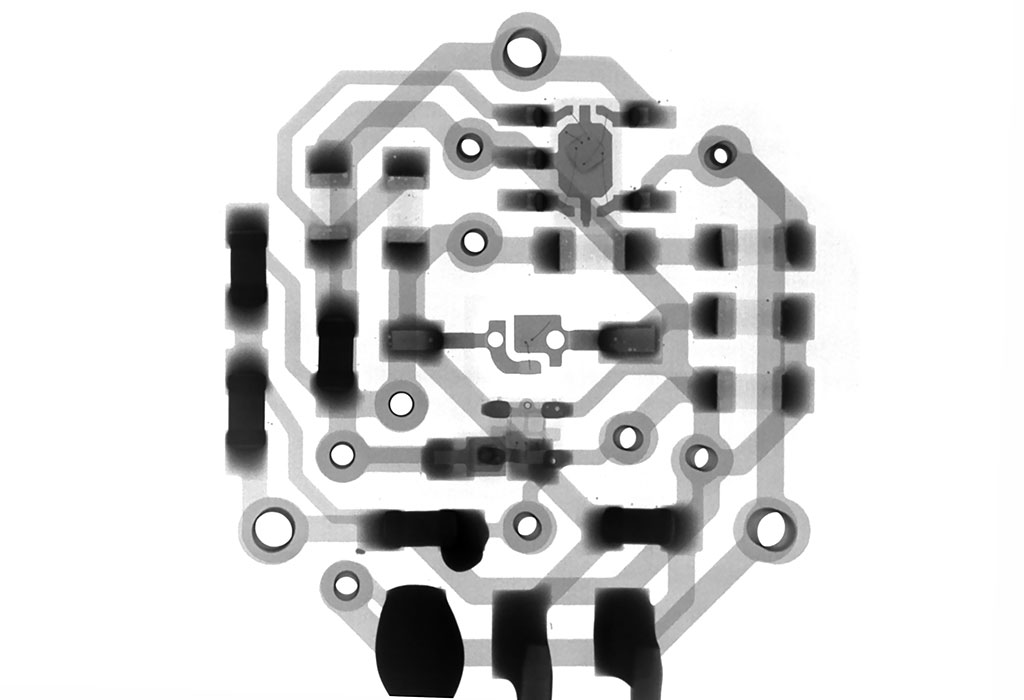
The team first fabricated a flexible electrode array about the size of a U.S. quarter. They included five different electrodes on the array that were designed to specifically detect potassium ions, sodium ions, hydrogen peroxide, uric acid or glucose, which are biomarkers for various conditions. Then they connected the array to a circuit board that had a Bluetooth module and lithium-ion battery power source. When the array was exposed to urine samples from three volunteers, it performed as well as a commercial urine test system.
Next, the researchers incorporated the array into a diaper and found that, when urine was present, they could get readable signals for the biomarkers. However, they anticipate that in a real-world setting, where dry diapers become slowly saturated with urine, the electrode array would have to take multiple measurements to get stable readings. So, with optimization, this “smart” diaper could be a way to provide quick and painless urinalysis with wearable device technology, according to the researchers.
Related Links:
Sun Yat-Sen University