






Pathology
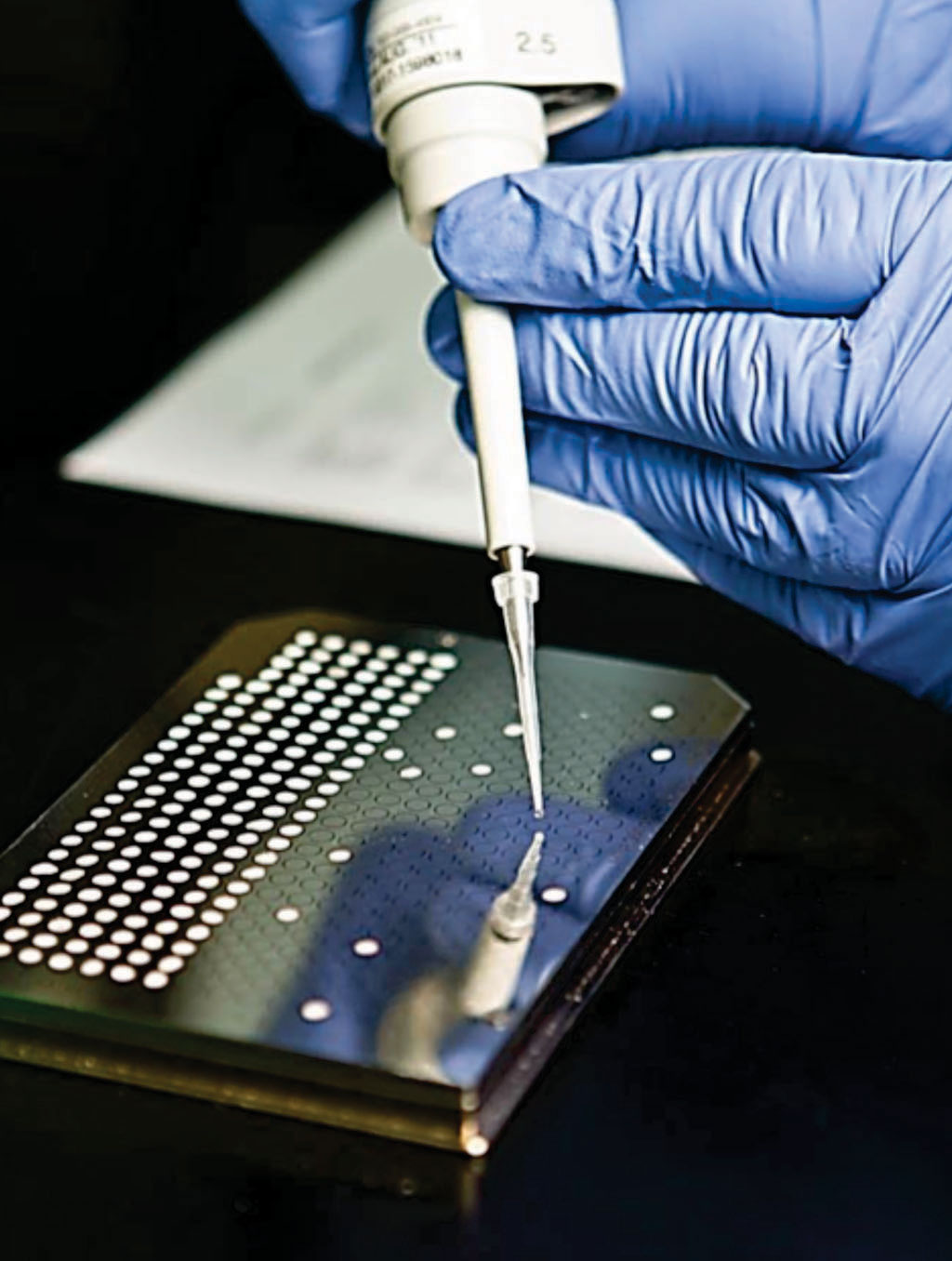
Proteomic Test Stratifies Patients for Immunotherapies
Anti PD-1 inhibitors are the treatments of choice in second line non-small cell lung cancer (NSCLC), however they only benefit a fraction of patients, while existing biomarkers such as PD-L1 expression correlate with outcomes, but are not sufficient to guide therapy. More...28 Dec 2016
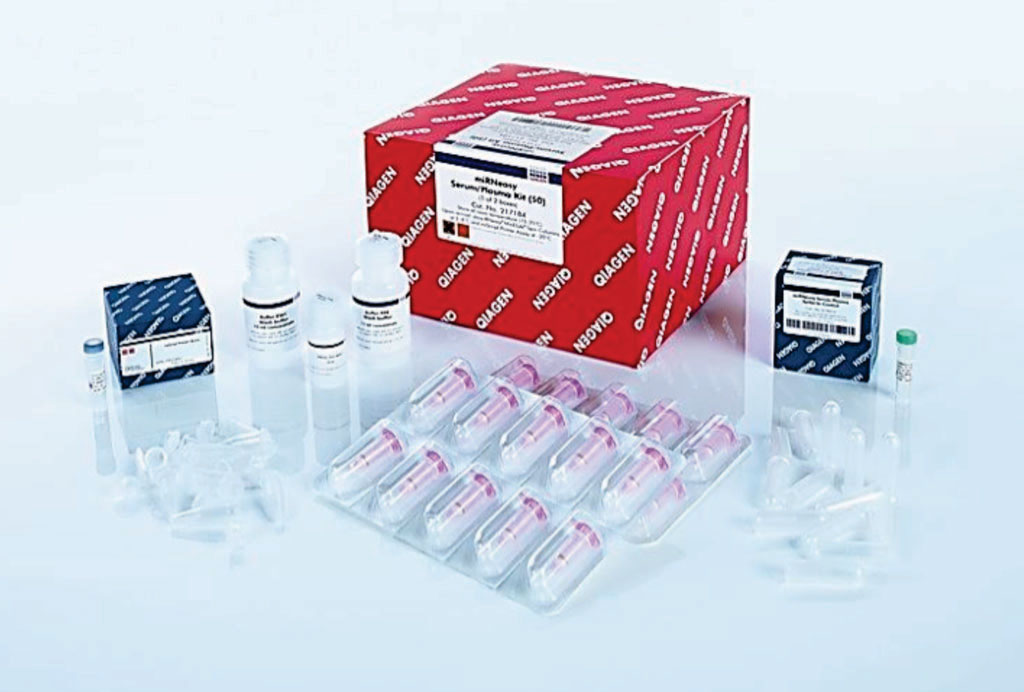
Serum MiR-122 Levels Associated with Histopathological Features of NAFLD
Non-alcoholic steatohepatitis (NASH) can only be diagnosed by the presence of histopathological components, such as steatosis, lobular inflammation, ballooning, and fibrosis and therefore there is a need for non-invasive surrogate markers of histopathological features. More...28 Dec 2016
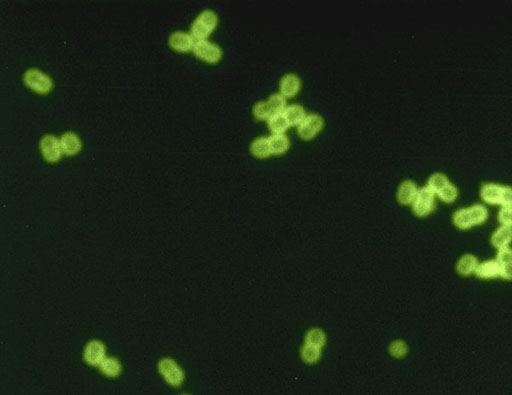
Pneumococcal Immune Status Accurately Determined in Saliva Samples
Measurement of levels of antibodies against 12 Streptococcus pneumoniae antigens in saliva was shown to provide as accurate an indication of immune status against this organism as was determination of antibody levels in blood serum. More...27 Dec 2016

Measuring Anti-HPV Protein Levels to Predict Recurrence of Oropharyngeal Cancer
Human papilloma virus (HPV)-associated cancers are caused by the expression of HPV's E6 and E7 proteins that bind to and inactivate tumor suppressor proteins p53 and retinoblastoma protein (pRB), respectively, leading to malignant transformation of HPV infected cells. The two proteins are highly immunogenic, resulting in readily detected serum antibodies. More...27 Dec 2016
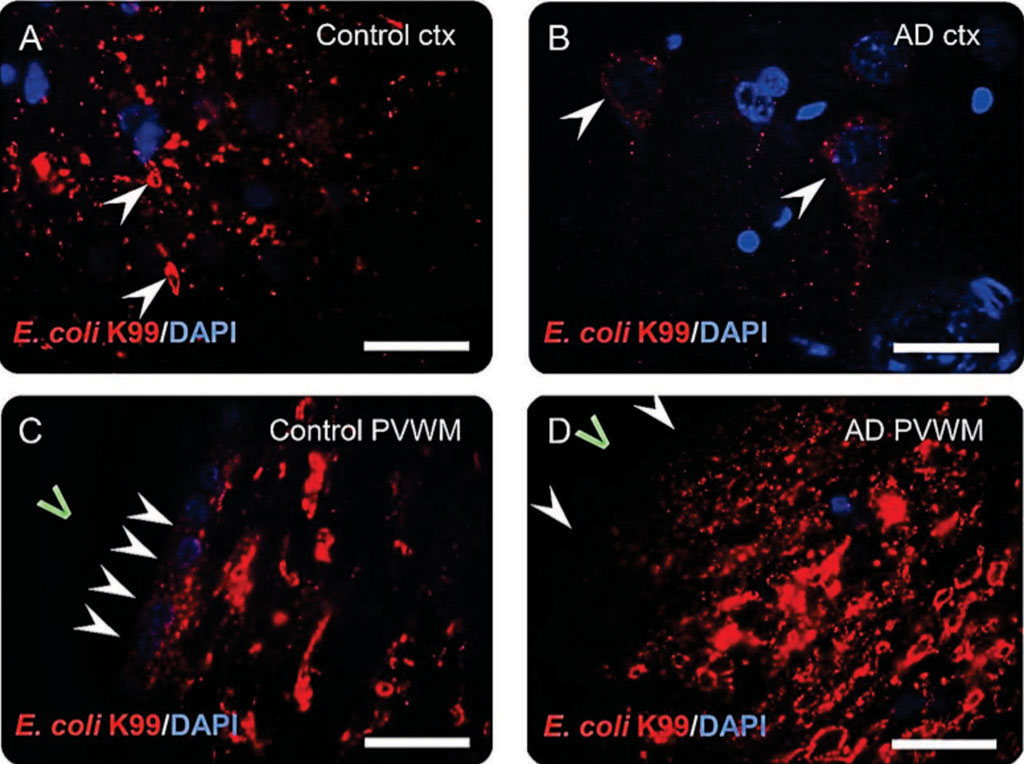
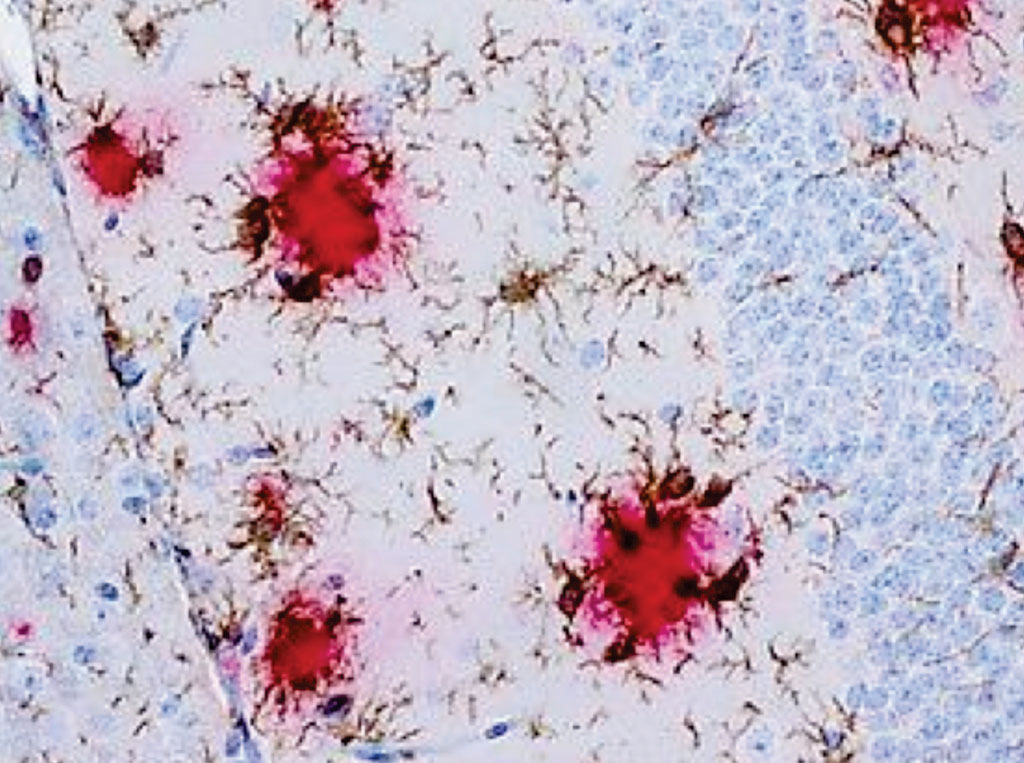
Gram-Negative Bacterial Molecules Associated with Alzheimer Disease Pathology
Scientists have known for some time that infections can increase the risk of Alzheimer's. However, now for the first time it has been found increased levels of Gram-negative bacteria antigens in Alzheimer's disease brains and bacterial molecules associated with the disease pathology. More...15 Dec 2016


Platinum Member

Automated Coagulation Analyzer
Hemolumi H6

Gold Member

Flocked Fiber Swabs
Puritan® Patented HydraFlock®
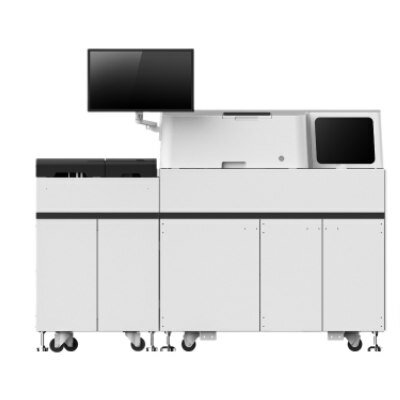

Automatic CLIA Analyzer
Shine i6000
New

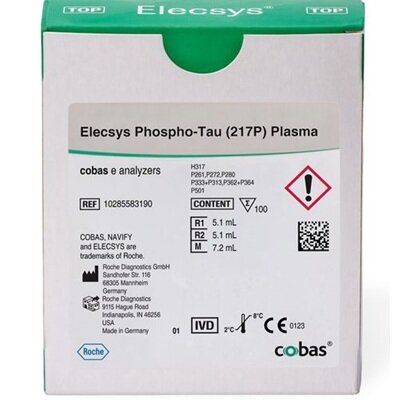
Alzheimer's Disease Biomarker Assay
Elecsys Phospho-Tau (217P) Plasma
In Other News
Antibiotics Prevent Common Hospital-Acquired Infection in Transplant Patients
Prognostic Factors Evaluated for Synchronous Multifocal Necrotizing Fasciitis
Blood Test Could Predict Best Treatment for Lung Cancer
Specific Gene Expression Differentiates Moles from Melanoma
Diagnostic Tool Designed for Familial Mediterranean Fever
Lab Tests Discriminate Bacterial from Nonbacterial COPD Exacerbations
Diagnosing IBD by Evaluating Epigenetic Markers in Blood
Epigenetic Biomarker Predicts Outcome of Childhood Brain Cancer
Multiple Biopsies Recommended for Personalized Breast Cancer Treatments
Genetic Test Significantly Reduces Risk of Cardiovascular Events
Novel Urine Test Predicts High-Risk Cervical Cancer
Human Papilloma Virus Tests Compared and Evaluated
Biomarker Identified for Aggressive Thyroid Cancer
Tumor Cells in Blood Samples Predict Prostate Cancer Spread
Mild-to-Moderate Hypertriglyceridemia Leads to Acute Pancreatitis
Molecular Signature Identified for Aggressive Brain Tumor
Cytosponge Test Could Replace Uncomfortable Endoscopies
Software Platform Provides Capabilities for Somatic Variation Analysis
Personalized Cancer Diagnostics Based on Circulating Tumor DNA Profiling
Tumor Markers Reveal Lethality of Bladder Cancers
Identification of Gene Defects Helps Prostate Cancer Treatment
Vitamin D Deficiency Predicts Poor Prognosis for IgA Nephropathy
Images Identified for Breast Cancer Cell Histopathology


The Pathology channel details advances in the field of Surgical Pathology and all its subspecialties, including Cytopathology and its subspecialties.