






Pathology
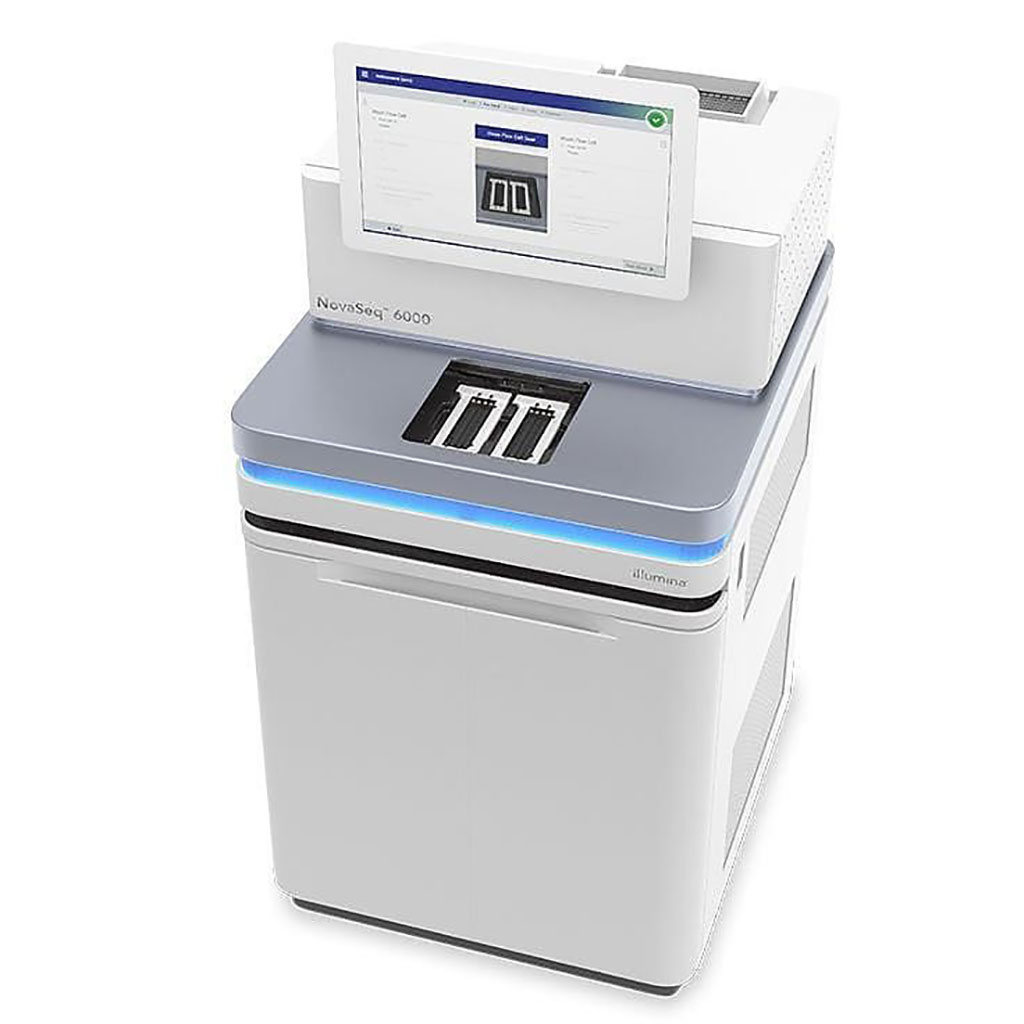
Genomic Screening Can Identify Risk for Amyloid Cardiomyopathy
Transthyretin amyloidosis (ATTR) a is a rare, progressive disease characterized by the abnormal buildup of amyloid deposits composed of misfolded transthyretin protein in the body’s organs and tissues. ATTR can be hereditary and lead to a spectrum of other diseases and conditions, including cardiomyopathy, a common precursor to heart failure. More...15 Dec 2021
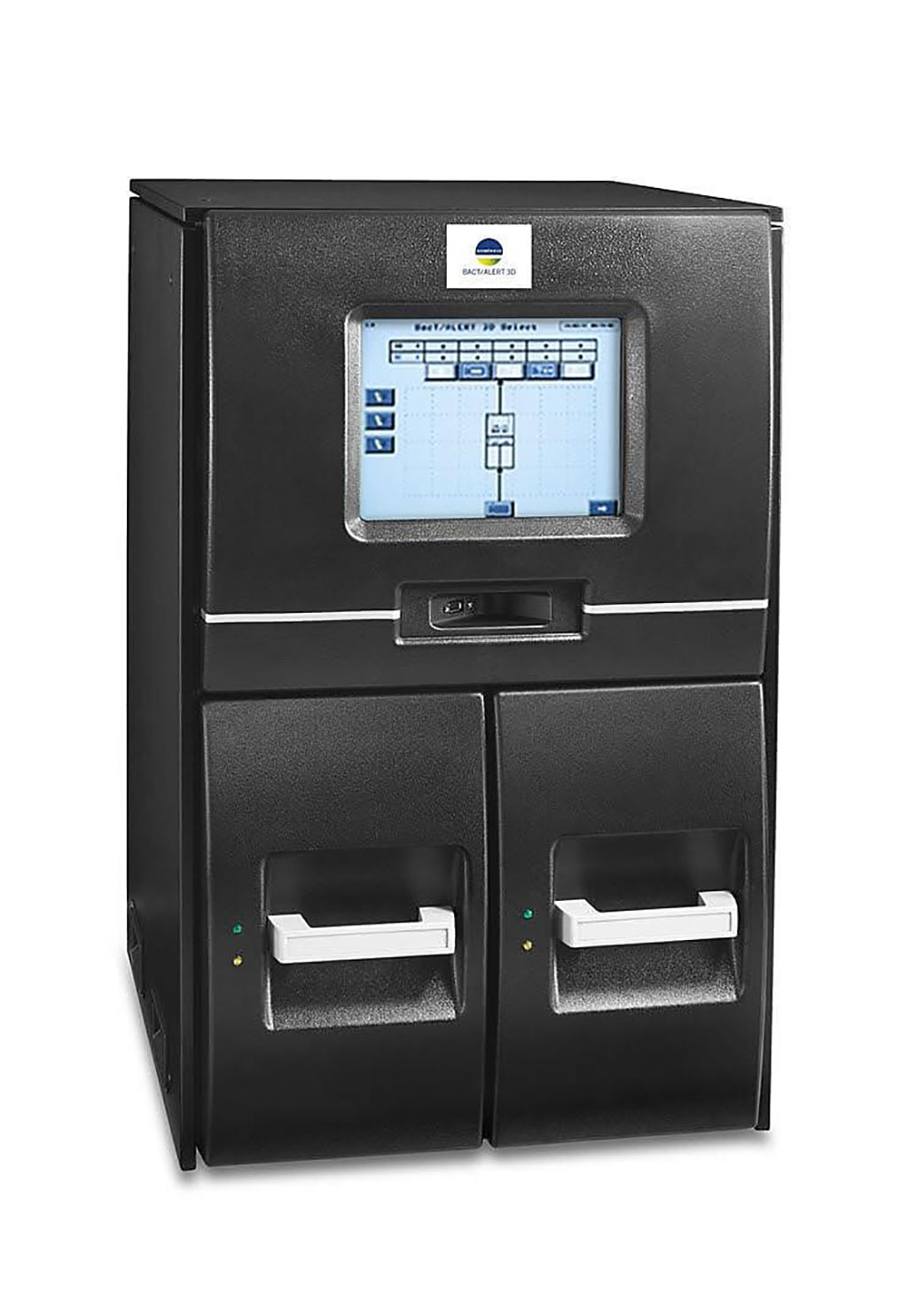
Cystic Pancreatic Lesion Bacteria Are Precursors to Pancreatic Cancer
Pancreatic cancer (PC) is one of the most aggressive and lethal types of cancer. The 5-year survival rate at the time of diagnosis is about 10%, as approximately 80%–85% of patients present either unresectable or metastatic disease. PC accounts for roughly 459,000 new cases and 432,000 deaths. More...08 Dec 2021

Roche Introduces AI-Based Digital Pathology RUO Algorithms for Evaluation of Breast Cancer Markers
Roche (Basel, Switzerland) has announced the research use only (RUO) launch of three new automated digital pathology algorithms, uPath Ki-67 (30-9), uPath ER (SP1) and uPath PR (1E2) image analysis for breast cancer, which are important biomarkers for breast cancer patients. More...08 Dec 2021
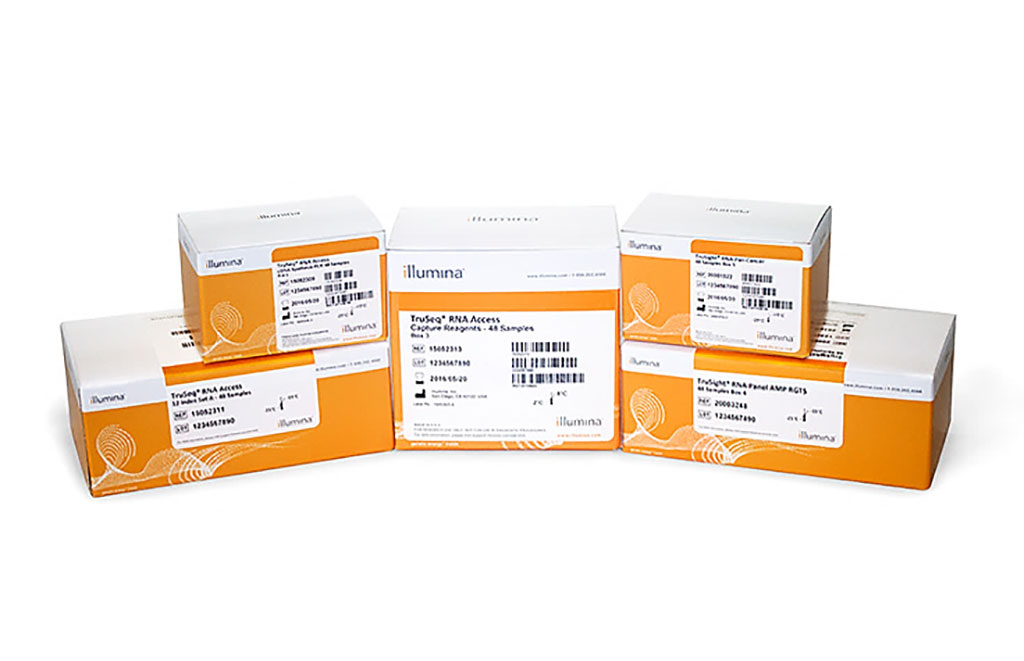
Targeted RNA-Sequencing Panel Detects Gene Fusions in Solid Tumors
Increasingly, rearrangements resulting in gene fusions have been revealed in multiple tumor types across diverse organ systems. These gene fusions can drive tumorigenesis by altering gene expression and activity. Timely and reliable detection of fusions provides useful information to the pathologist and clinical team. More...07 Dec 2021
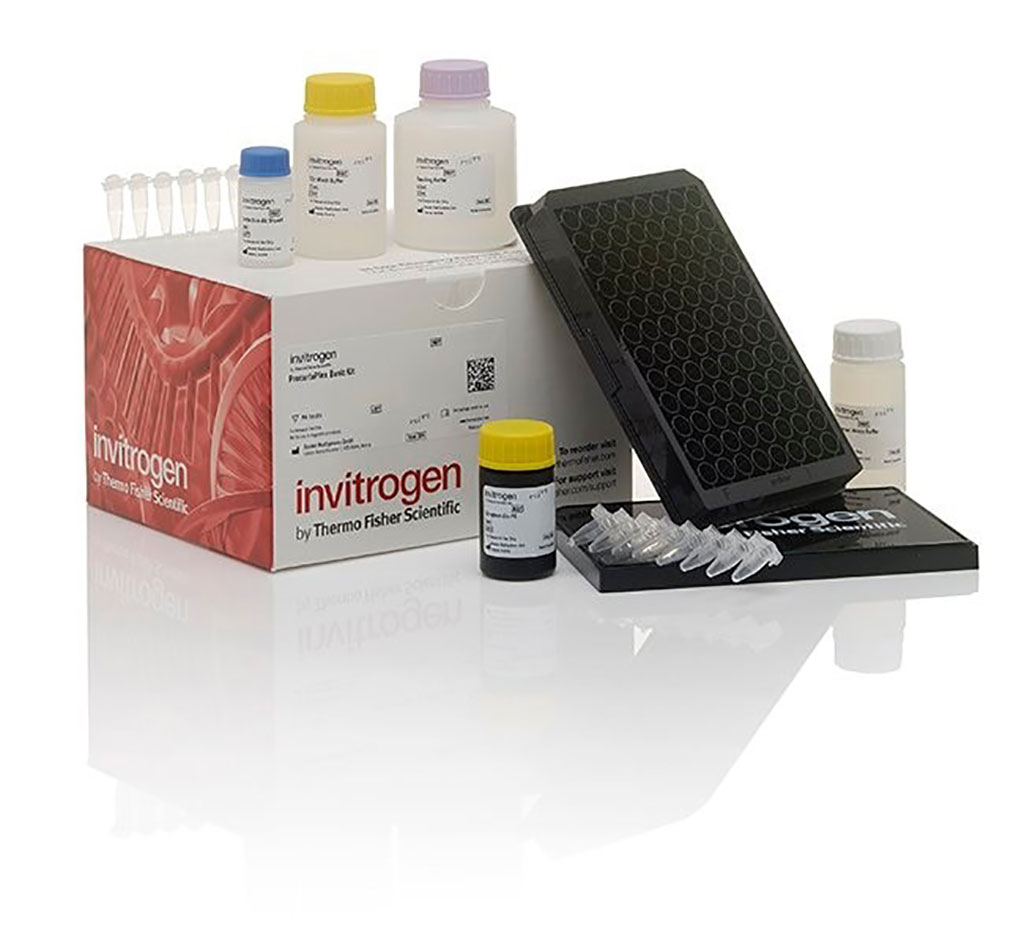
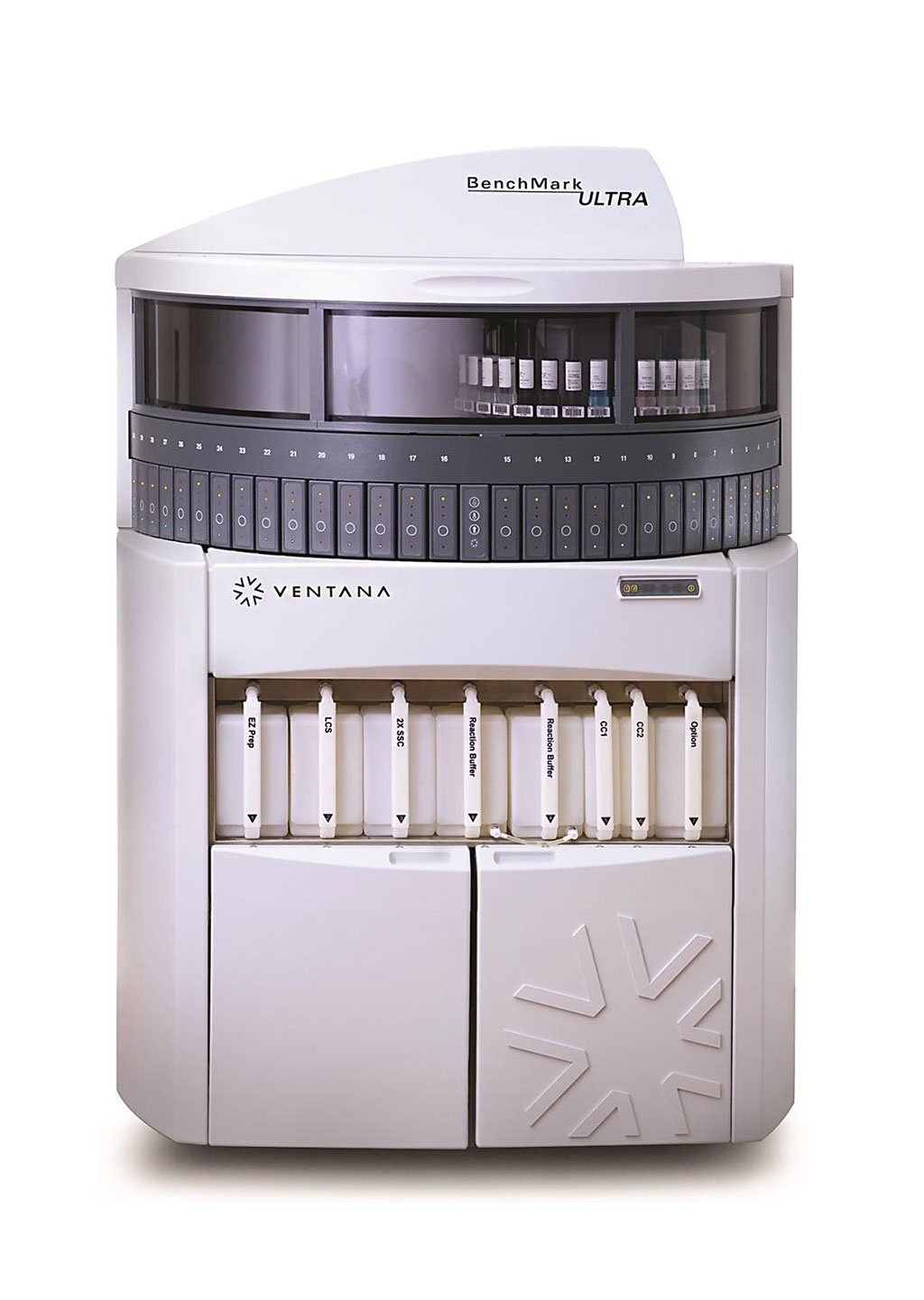
Specific Biomarker Investigated for Triple-Negative Breast Cancer Diagnosis
Triple-negative breast cancer (TNBC) is defined by the lack of estrogen receptor (ER), progesterone receptor (PR), and human epidermal growth factor receptor 2 (HER2) expression and comprises a heterogeneous group of breast cancers that exhibit distinct morphologic features and biological behavior. More...30 Nov 2021
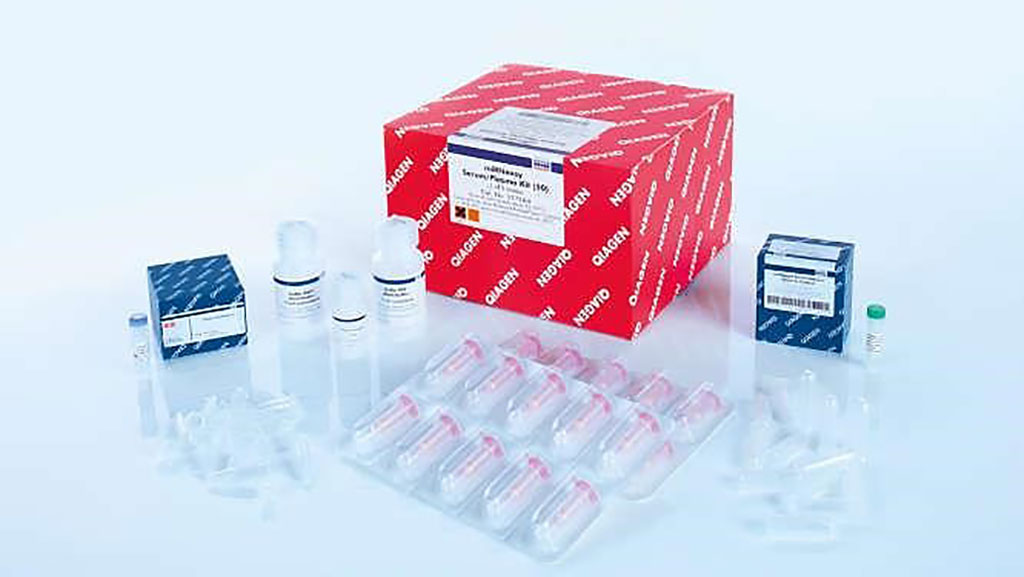
Serum MicroRNA Panel Predict P-Tau/Aβ42 in CSF in Alzheimer's Disease
Amyloid β (Aβ) and tau pathologies are classic characteristic features of Alzheimer’s disease (AD), and they are widely used as diagnostic biomarkers. AD pathology is characterized by the accumulation of amyloid-β (Aβ) plaques and tau neurofibrillary tangles in the brain. More...29 Nov 2021


Platinum Member

Automated Coagulation Analyzer
Hemolumi H6
Gold Member

Electrolyte Analyzer
CBS-4000 (CBS-400)

Automatic CLIA Analyzer
Shine i6000
Platinum Member
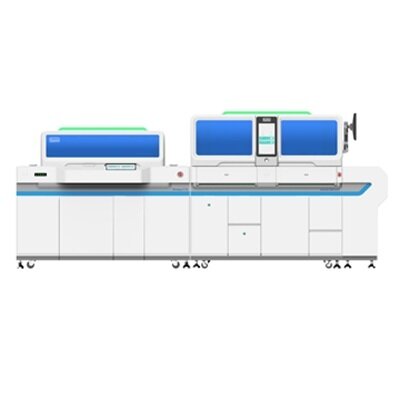
Integrated Biochemical & Immunological System
Biolumi CX Solution X10+C10
In Other News
AI-Based Pathology Diagnostic Tool for Gastric Cancer Achieves 100% Sensitivity in Trials
Simple Urine Test Detects Urothelial Cancers in Lynch Syndrome Patients
POC System that Requires Single DNA Molecule for Rapid Detection of Multidrug-Resistant Pathogens Unveiled at MEDICA 2021
Men with Certain Pathogenic Variants Had a Higher Incidence of Prostate Cancer
Endotoxemia Genetic Profile Reveals an Association with Thromboembolism and Stroke
AI Accurately Detects and Diagnoses Colorectal Cancer from Tissue Scans As Well or Better Than Pathologists
Novel Serum Biomarker Investigated for Early Gastric Cancer Diagnosis
Gene Expression Test Improves Idiopathic Pulmonary Fibrosis Diagnosis
Inflammation Associated with Heart Failure in Rheumatoid Arthritis
Biomarkers Predict Long-Term Kidney Function After Acute Kidney Injury
Sysmex Inostics Launches New Ultra-Sensitive Leukemia Blood Test for Early Detection of Cancer Cells Following Initial Therapy
Calculation of Melanoma Mitotic Rate Standardized on Whole Slide Images
Philips Introduces Next-Generation Digital Pathology Solution with Integrated AI Tools and Algorithms
First-of-Its-Kind Testing Device Allows For Rapid Detection of Bacteria That Identify Risk for Preterm Birth
Bronchoalveolar Lavage Cell Pattern Determined for Diffuse Alveolar Hemorrhage
Meridian Launches New Air-Dryable qPCR Mix Enabling Direct Detection of RNA from Whole Blood Samples
ALPK3 Truncating Variants Cause Autosomal Dominant Hypertrophic Cardiomyopathy
Liquid Biopsy Test Tracks Treatment-Based ctDNA Changes
CD8 T-Cell–Predominant Lymphocytic Esophagitis Associated with GERD
Next Generation Rapid Antibiotic Susceptibility Testing (AST) Platform Granted FDA Breakthrough Device Designation
Gut Bacteria Are Possible Indicators of Colon Cancer Risk
Heparin-Binding Protein Levels Dramatically Increase in Acute Pancreatitis
Urinary VEGFA and Renal Pathology Evaluated for IgA Nephropathy Patients


The Pathology channel details advances in the field of Surgical Pathology and all its subspecialties, including Cytopathology and its subspecialties.