






Immunology
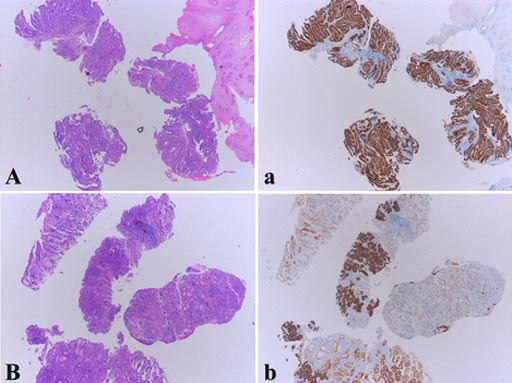
Heterogeneity Influences Cancer Immunohistochemistry Results
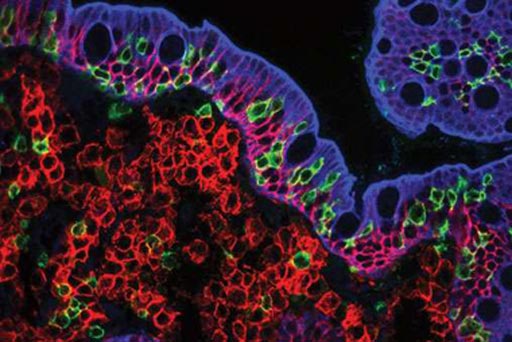
Many gastric cancer (GC) patients are with inoperable lesions and endoscopic biopsy becomes the only available approach to obtain tumor tissues for human epidermal growth factor receptor 2 (HER2) assessment. Unlike resected specimens, biopsy specimens are influenced by many factors and in turn more difficult to manipulate. More...06 Jun 2017
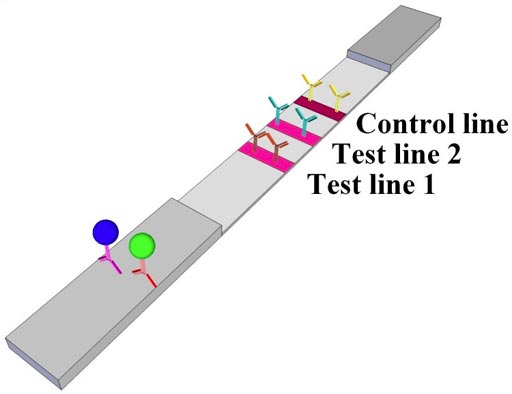
Strip Test Enables Home Monitoring of Heart Condition
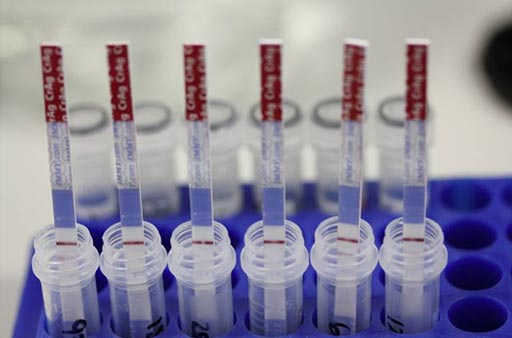
Heart failure can often be managed with medications and lifestyle changes, but its progression needs to be monitored closely to adjust treatment and prevent emergency room visits. Now scientists have developed a simple paper test strip that could potentially allow patients to monitor themselves for the first time. More...05 Jun 2017
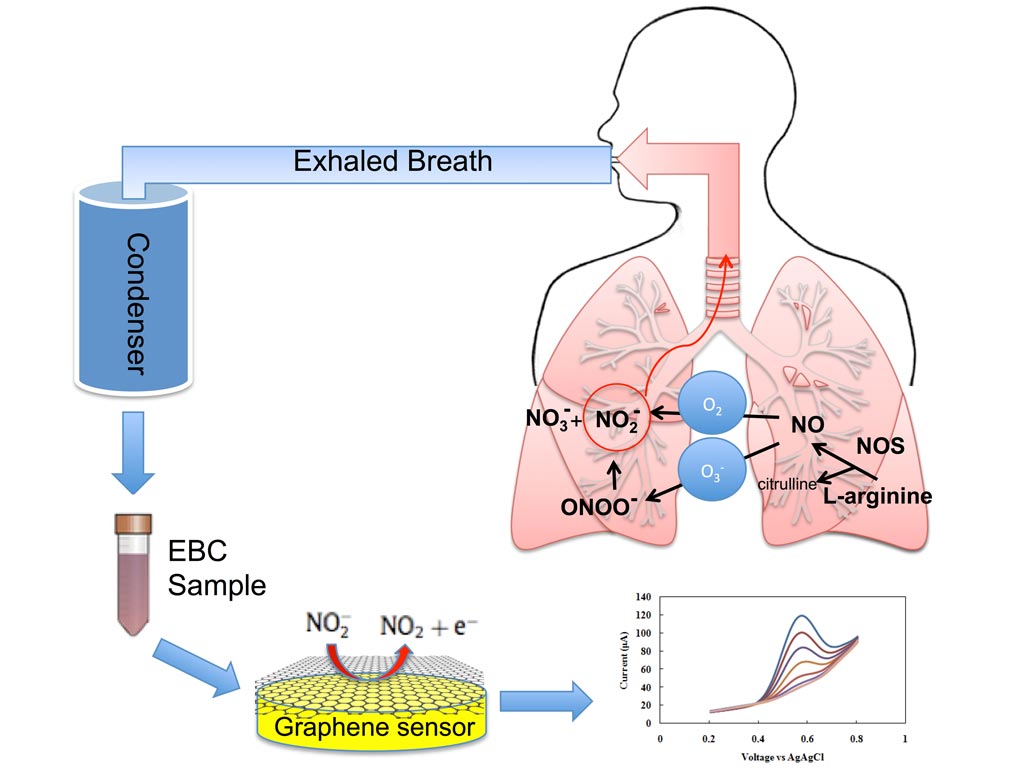
Graphene-Based Sensor Helps Predict Asthma Attacks
Researchers have developed a prototype graphene-based device that detects inflammation in lungs, which could lead to earlier detection of asthma attacks and improve the management of asthma and other respiratory diseases, preventing hospitalizations and deaths. The invention helps pave the way for developing small wearable devices that could indicate when and at what dosage to take medication. More...05 Jun 2017
Untethered Proteins Could Help Diagnose MKD
Mevalonate Kinase Deficiency (MKD), also known as HIDS (hyper IgD syndrome), is a rare genetic condition that affects approximately 200 individuals worldwide. It is a spectrum of disease, with complications that range from mild to severe. MKD is one of more than 8,000 known rare and genetic conditions, which, although individually uncommon, collectively affect up to 10% of the population. More...30 May 2017


Platinum Member

Automated Coagulation Analyzer
Hemolumi H6
Gold Member

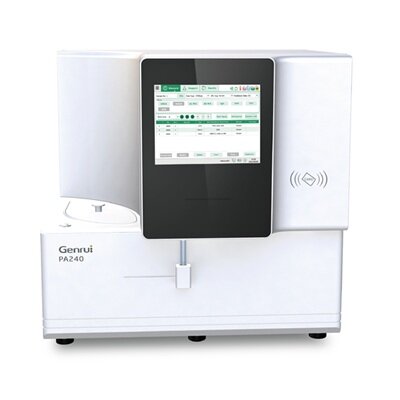
Fully-auto Specific Protein (Nephelometry) Analyzer
PA240
New

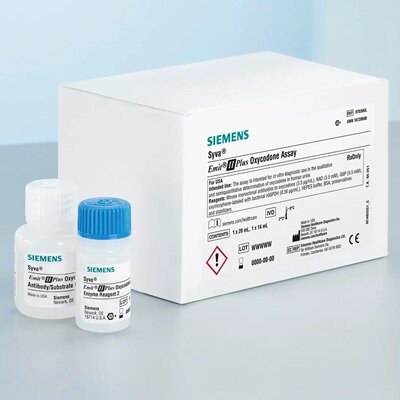
Drug Testing Assays
Atellica DT 250 Analyzer
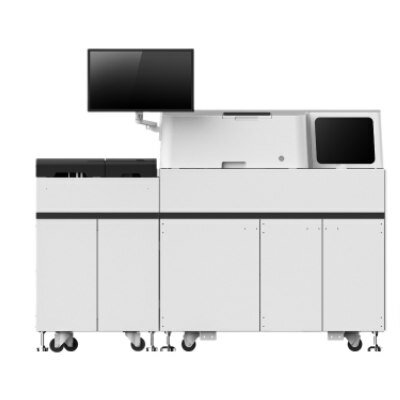

Automatic CLIA Analyzer
Shine i6000
In Other News
Lab Parameters Assessed for New Infectious Disease
Immune Response Differentiates Malaria from Other Infections
Cause of NMO Illuminated by High-Tech Microscope
Blood Test Predicts Vaccine Immunogenicity
New Test May Predict Gestational Diabetes Better
Automated Test Screens for HTLV-I/II Viruses
Ancillary Tests Developed for Salivary Gland Pathology
Ultrasensitive ELISA Enables Detection of Interferon
Novel Technique Captures Plasma Cells from Myeloma Patients
New Immunoassay Evaluated for Toxoplasmosis
Low Levels of Immune Molecules Found in ME/CFS
Rapid Tests Conclusively Diagnose Chagas Disease
Innovative Von Willebrand Factor Test Launched in US
Analyzing Antibodies Predicts Prognosis of RA
Severity Biomarker Found for Leprosy and Leishmaniasis
Antigenic Targets Compared for Melioidosis Serodiagnosis
Lymphocyte Subtyping Proves Useful in Predicting Pneumonia
POC Assay Developed for Reliable Blood Grouping
Performance of Chagas Disease Genotyping Assay Evaluated
Test Discovered for Earlier Detection of Transplant Rejection
Simple Urine Test Helps Track ALS Progression
Immunoproteomics Identifies New Biomarkers for Crohn’s Disease
Autoimmune Disease Trigger Associated with Thymoma Tumors


The Immunology channel of LabMedica deals with diagnostic techniques and immuonassays such as ELISA, pregnancy tests, immunoblotting, immunohistochemical staining, serology, and associated hardware.