






Molecular Diagnostics
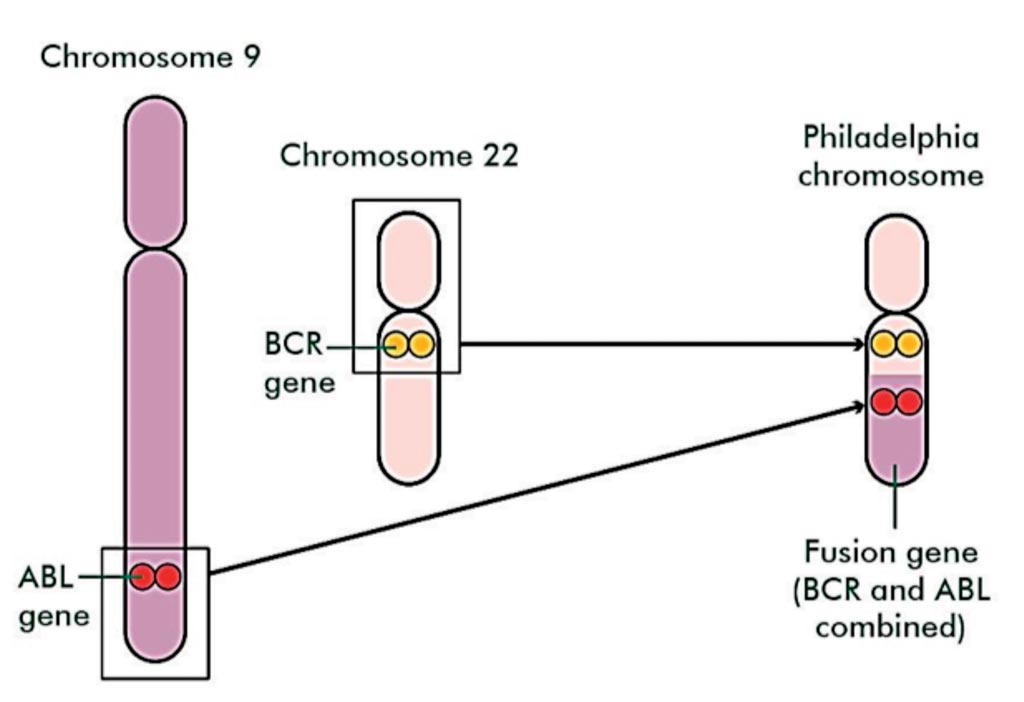
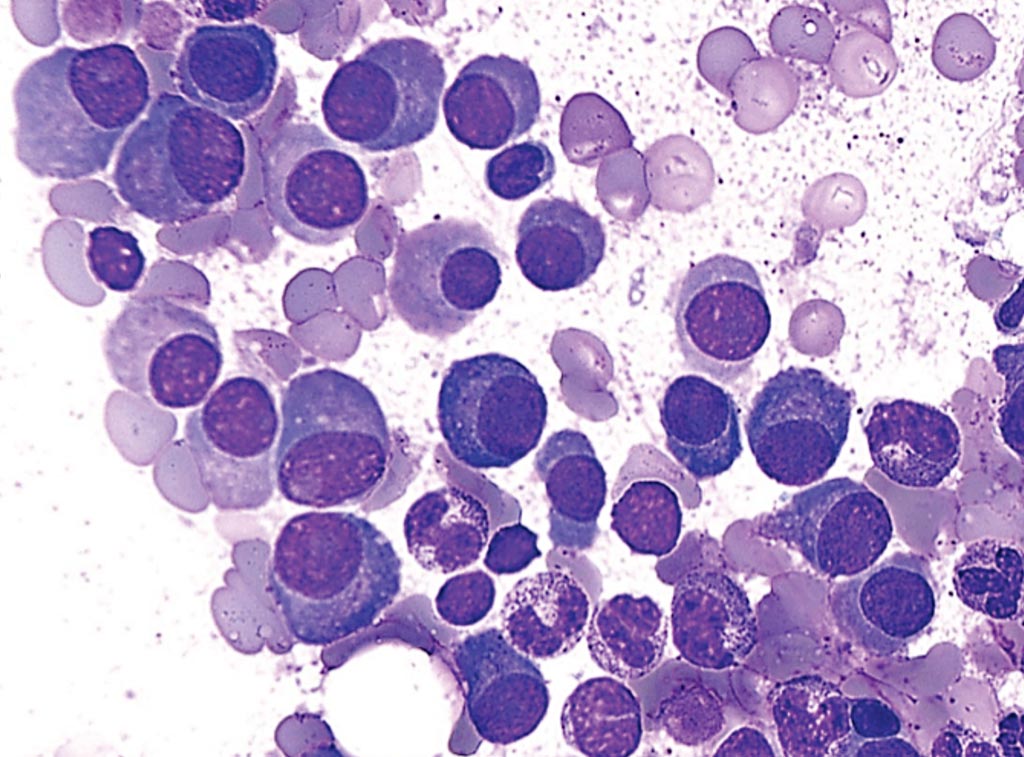
Digital PCR Test Monitors CML Therapy Response
Chronic myeloid leukemia, or CML, is characterized by the "Philadelphia chromosome," a translocation of chromosomes 9 and 22 that results in the breakpoint cluster region protein- Abelson murine leukemia viral oncogene homolog 1(BCR-ABL) gene fusion. More...28 Dec 2017
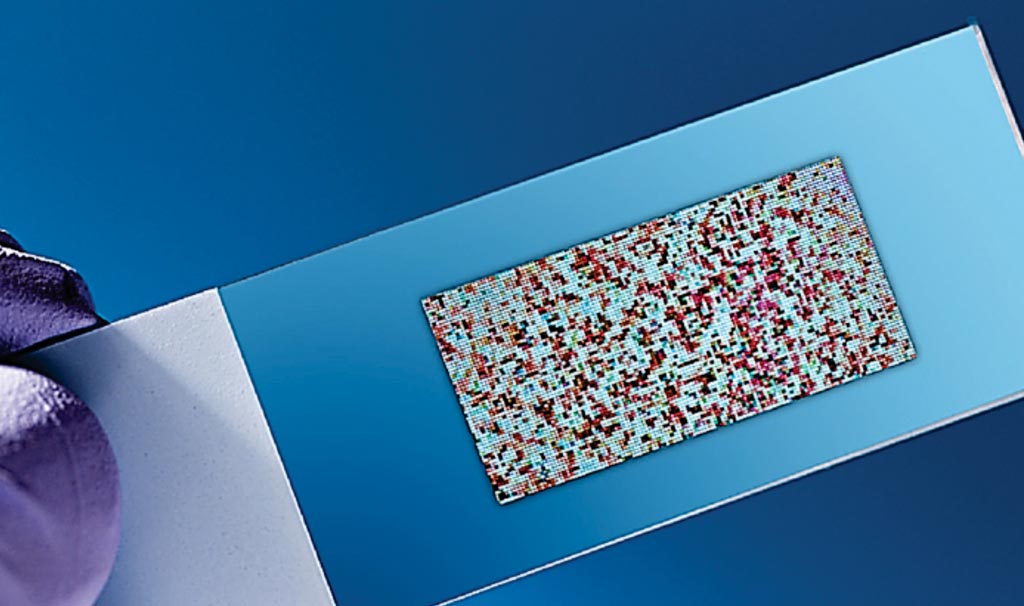
Genetic Test Recommended for Inherited Prostate Cancer
To date, there have been few recommendations to guide physicians about when to offer men genetic consultation for prostate cancer risk. A subset of prostate cancers, about 10%-15% of all prostate cancer are inherited and that at least some of the genes that confer the inherited risk are known and testable. More...26 Dec 2017
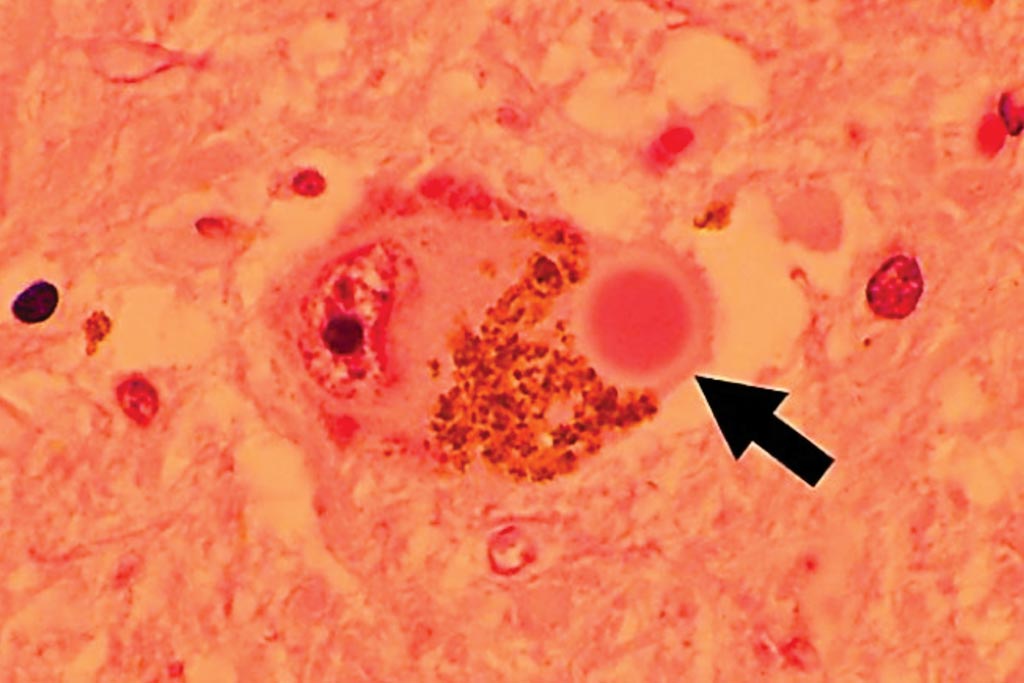
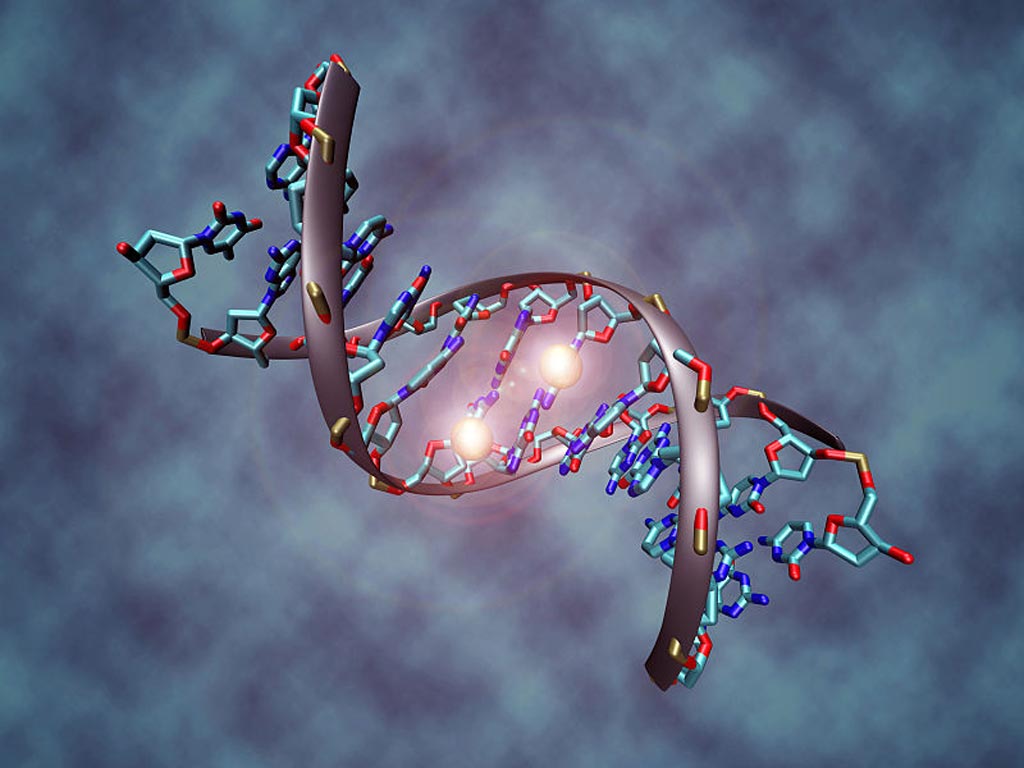

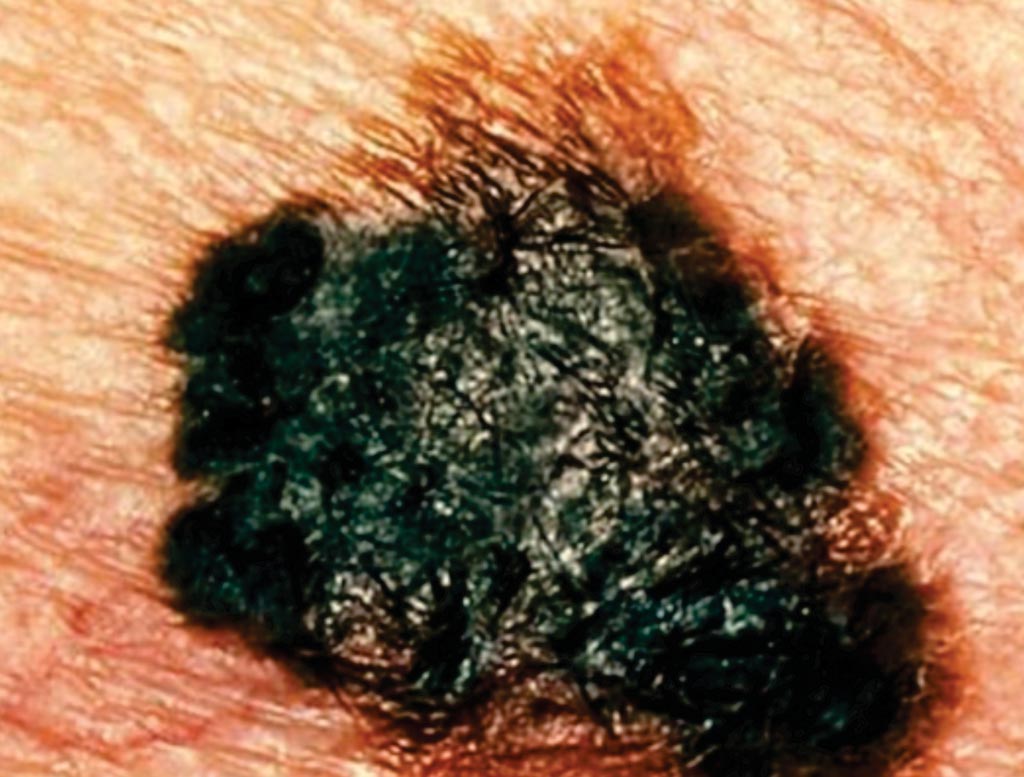
Phenocopies Found in Melanoma-Prone Families
Melanoma, but no other cancers, is more common in the non-carriers in these families compared to the normal population. The phenomenon whereby non-carriers of a specific mutation copy the phenotype (in this case melanoma) from their mutation-carrying relatives is known as phenocopy. More...19 Dec 2017


Platinum Member

Automated Coagulation Analyzer
Hemolumi H6
Gold Member

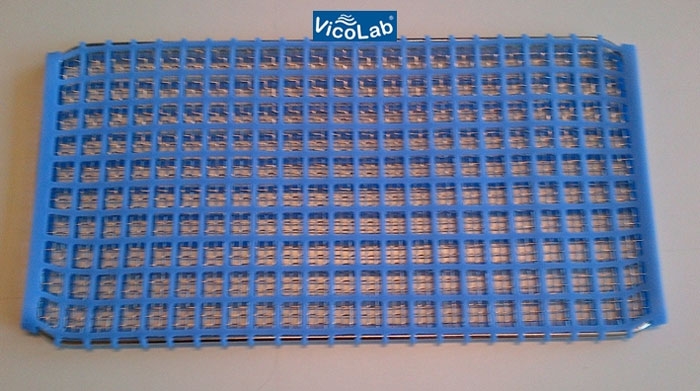
NEW PRODUCT : SILICONE WASHING MACHINE TRAY COVER WITH VICOLAB SILICONE NET VICOLAB®
REGISTRED 682.9
New

Microbiology Laboratory Automation Solution
BD Kiestra™ ReadA+BarcodA
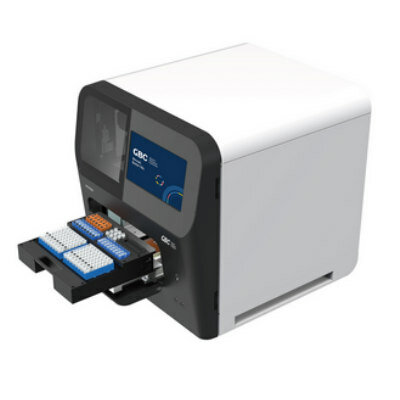

All-in-One Molecular System
AIO M160
In Other News
New Assay Predicts Cancerous Pancreatic Lesions
Rapid POC Assay Detects Micronutrient Deficiencies
Detection of Circulating DNA Predicts Poor Prognosis
Multiplexed Amplification Evaluated for Viral Hemorrhagic Fever Diagnostics
Five New Genes Identified for ALS
Single Cell Genomics Utilized for Evaluation of Prostate Cancer
Genetic Link Found Between Immune System and Lymphoma
Missing DNA Fragments Could Predict Leukemia Relapse
Genetic Testing Unravels Unusual Patterns for Fragile-X Syndrome
Whole Exome Sequencing Offers Clinical Value in Diagnosing CKD
Dipstick Technology Could Revolutionize Disease Diagnosis
Prion Protein Found in Skin of CJD Patients
Metabolites Altered in Chronic Kidney Disease
HLF-Gene Controls Generation of Immune System
Immune Tolerance Level Predicts Leukemia Outcome
Enzyme Boosts Power of Liquid Biopsies to Detect Cancers
CSF Analyzed in Lung Cancer with Brain Metastases
Automated RNA Extraction from Plasma Analytically Validated
Test Detects Overdose Patients at Risk of Liver Damage
Blood Test Reduces Interim for Evaluating Cancer Treatment
MicroRNA Panel Detects Concussion Symptoms in Children
Microfluidic Platform Devised for Determination of Autism Biomarker
Prenatal Reflex DNA Screens for Three Trisomies


Genetic Testing channel of LabMedica brings the latest in molecular genetics, cytogenetics, and epigenetics, and methods from PCR to FISH, and more.