






Clinical Chemistry
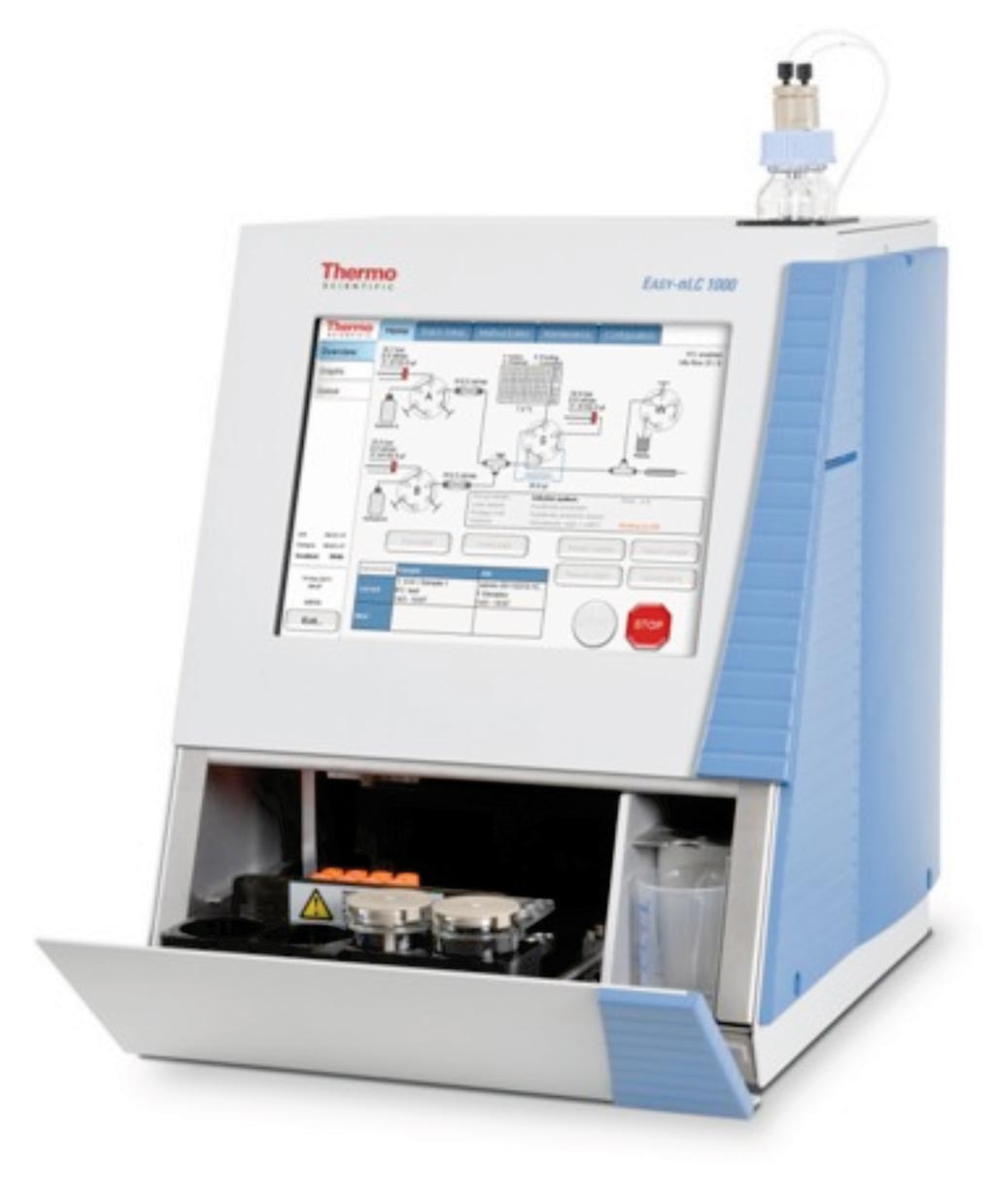
Simple Urine Test Helps Track ALS Progression
The continued failure of amyotrophic lateral sclerosis (ALS) clinical trials and the absence of therapeutic options for this fatal disease have fueled interest in the prospect that biomarkers may hold great promise for advancing therapy development efforts. More...05 Apr 2017
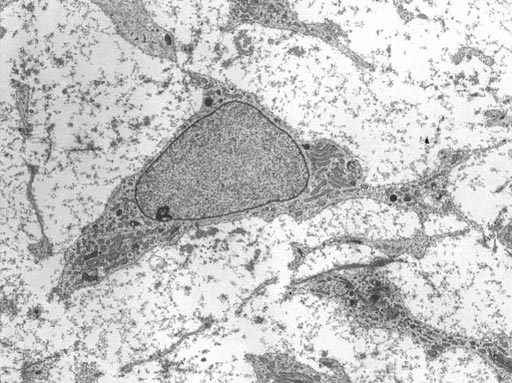
Organ Cells Derived from Stem Cells May Predict Drug Sensitivity
Testing the drug pazopanib on liver-like cells derived from patient-specific stem cells, researchers have shown first proof-of-concept for a new approach that could lead to development of personalized drug-toxicity assays for patients. More...29 Mar 2017
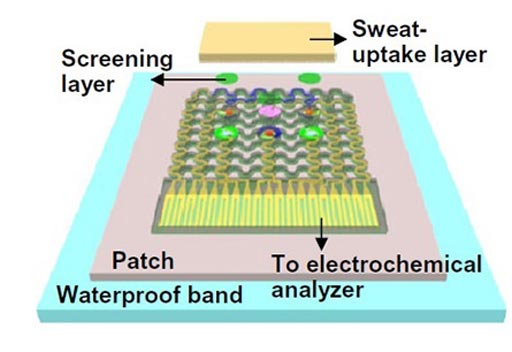
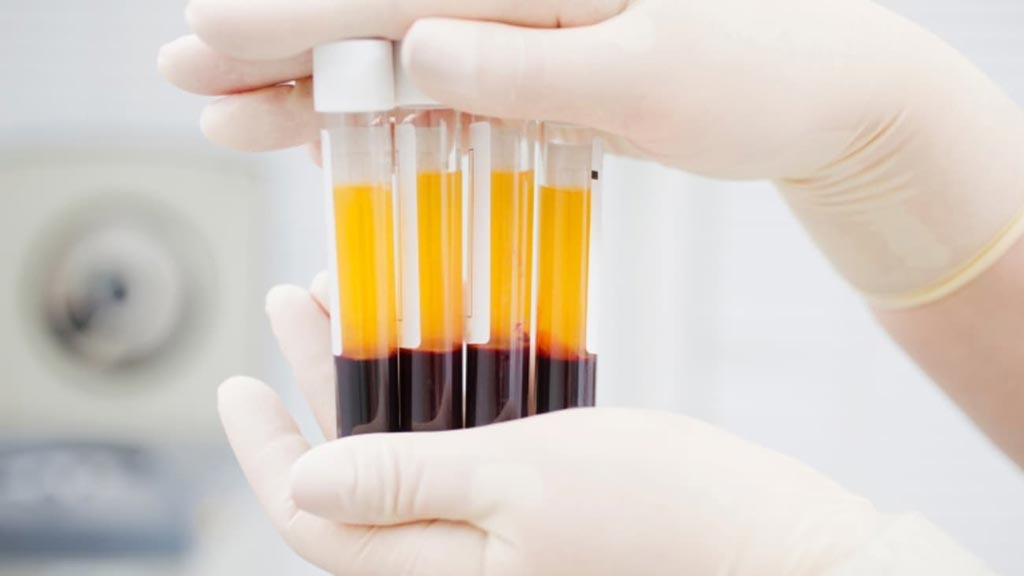
Testing for Ceramides Helps Predict Cardiovascular Events
Researchers have found that measuring blood concentrations of the ceramides class of lipids can help predict high risk of cardiac events even for people with low LDL or no evidence of heart blockages, thus helping clinicians identify individuals with suspected coronary heart disease. More...23 Mar 2017
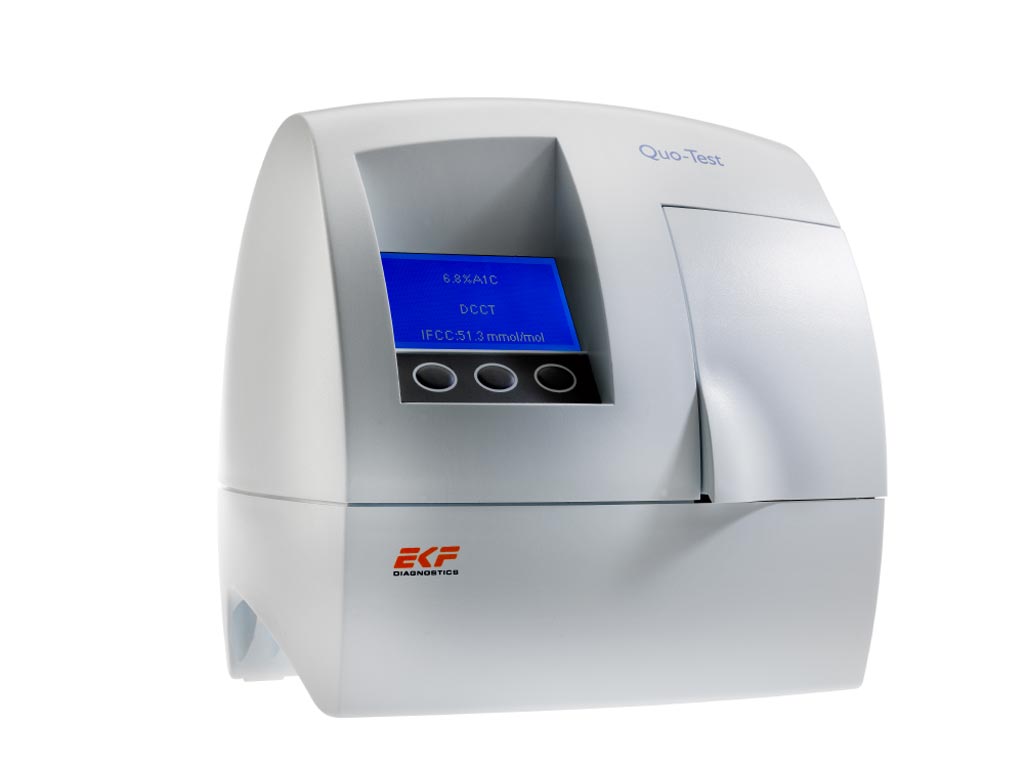
Study Reaffirms HbA1c Analyzer Meets Performance Standards
In a newly published paper, a point-of-care (POC) hemoglobin A1c (HbA1c) analyzer has again been confirmed to meet the performance criteria of the International Federation of Clinical Chemistry and Laboratory Medicine (IFCC). More...
10 Mar 2017


Platinum Member

Automated Coagulation Analyzer
Hemolumi H6
Gold Member

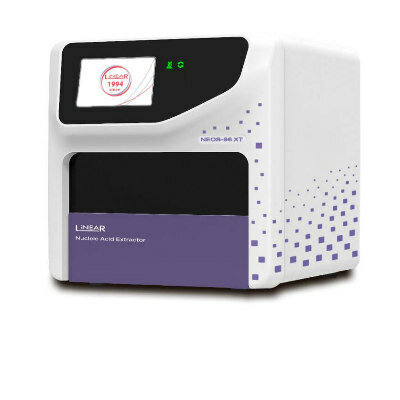
Nucleic Acid Extractor System
NEOS-96 XT
New
Gold Member

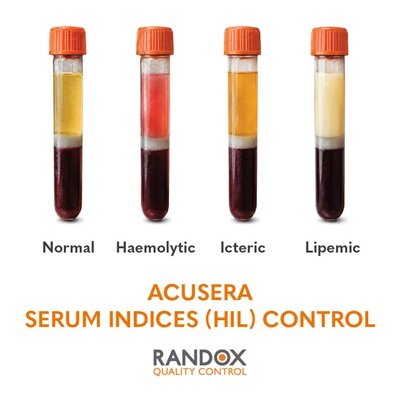
Serum Indices Control
Acusera Serum Indices Control
Gold Member

Blood-Based Protein Biomarker Solution for Alzheimer's Disease
BG-DTi2000.
In Other News
Sensor Monitoring System Improves Glucose Control for Diabetics
Cytokine Concentration Correlates with Diabetic Nephropathy
Sickle Cell Trait Confounds Blood Sugar Readings
Hair Analysis May Help Diagnose Cushing Syndrome
Blood Test Differentiates Parkinson's from Similar Diseases
Blood Test Could Diagnose Schizophrenia and Other Disorders
Study Shows Varied Results from Different Methods of Measuring Albumin
Low Levels of Klothos Linked to Kidney Function Decline
Screening System Detects Four Metabolic Disorders
Increased Triglyceride Content Associated with Plasma Lipoprotein Lipase
Novel Approach Enables Ultrasensitive Detection of Volatile Organic Compounds
Genome Study Strengthens Value of PSA Screening as Diagnostic Tool
Blood Test May Help Predict Confusion Post-Surgery
Enterovirus Infections Linked with Autoimmunity Leading to Diabetes
Blood Test for Gut Bacteria Predicts Cardiovascular Events
New Index Generated for Diagnosing Non-Alcoholic Fatty Liver Disease
Calibration Kit Introduced for IVD Testing of Testosterone
New Version of Online QC Management Program Available
Diagnostic Accuracy Compared for Biomarkers of Acute Heart Failure
Novel Point-Of-Care Test Kit for Procalcitonin Evaluated
Novel Procalcitonin Immunoassay Analytically Evaluated
Positive Fecal Occult Blood Test Associated with Diabetes
New Defined Reference Range for Testosterone Levels Established


The Clinical Chemistry channel updates the reader on tests, techniques, and research in the field - from routine assays to specialized tests on blood, urine, enzymes, lipids, hormones and more.