






Clinical Chemistry
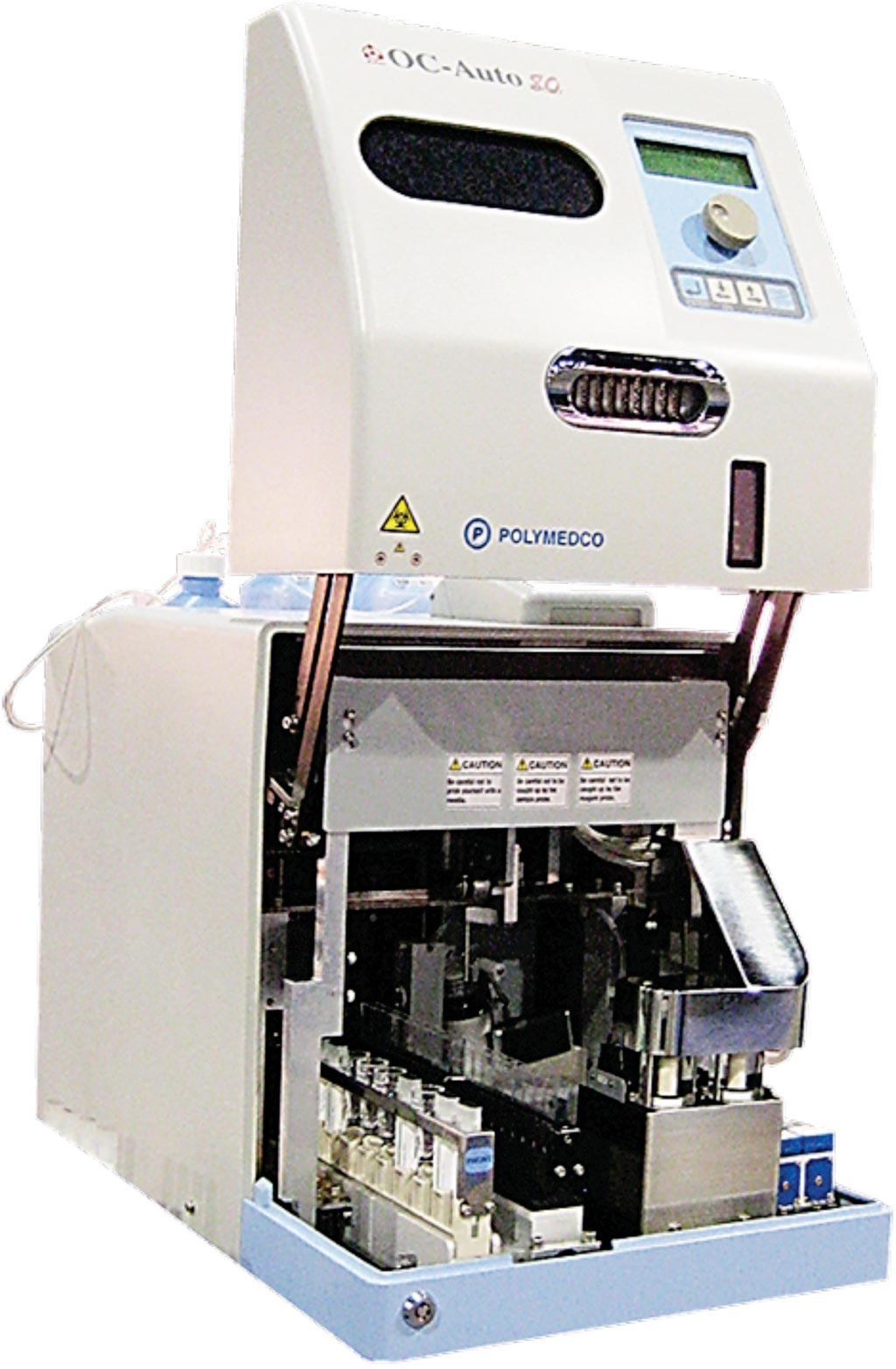
Fecal Immunochemical Test Detects Cancer and Polyps
The most commonly used noninvasive test for colorectal cancer (CRC) screening has been the guaiac fecal occult blood test (gFOBT). The fecal immunochemical test (FIT) detects CRC and colorectal polyps with higher levels of sensitivity than the gFOBT, and may be more acceptable to patients. More...30 Aug 2017

Test Differentiates Lyme Disease from Similar Condition
Lyme disease is the most commonly reported vector-borne illness in the USA, and current laboratory tests are not sensitive enough to detect infection with high accuracy in the first few weeks of illness. In 2015, 95% of confirmed Lyme disease cases were reported from 14 US states. More...29 Aug 2017

Spectroscopy Reveals Fingerprints for Diabetes Progression
Researchers report a method to study biochemical changes that occur in the pancreas during the development of diabetes. Based on vibrational microspectroscopic technology, the method can be used to extract biochemical profiles containing information about disease progression. This could facilitate improved understanding of key mechanistic processes in diabetes development and manifestation, and could be used to develop better prognostic, diagnostic, and monitoring tools. More...28 Aug 2017
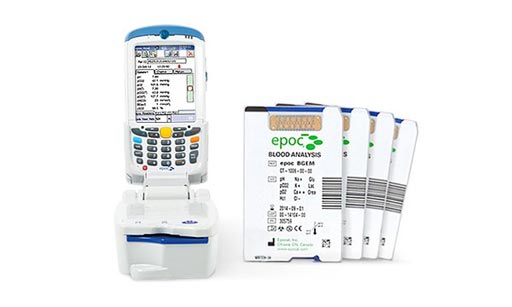
Capillary Blood Analysis Validated for POC System
The gold standard samples for blood gas analysis are arterial blood collected from arterial catheter or by arterial puncture, but the proper sampling of arterial blood is difficult, painful, and sometimes risky to obtain in patient in transport. More...22 Aug 2017
Immunoassay Biomarkers Evaluated for Preeclampsia Diagnosis
Preeclampsia is one of the leading hypertensive disorders in pregnant women worldwide and it is estimated to cause more than 60,000 deaths per year. Preeclampsia is induced by placental and maternal vascular dysfunction, which affects both maternal and neonatal health. More...17 Aug 2017


Platinum Member

Automated Coagulation Analyzer
Hemolumi H6
New
Gold Member

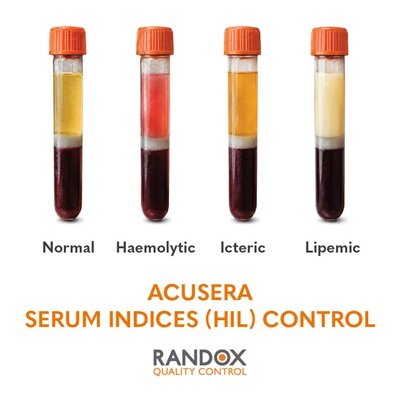
Serum Indices Control
Acusera Serum Indices Control
Gold Member

Blood-Based Protein Biomarker Solution for Alzheimer's Disease
BG-DTi2000.

Thyroid Test
Anti-Thyroid EIA Test
In Other News
Increased Probability of Sepsis Mortality Associated with SOFA Score
Biomarkers Lead to Better Prognosis for CF Patients
Biomarker May Help Monitor MPS Disease Progression
Performance of Immunosuppressant Drug Assay Kits Analyzed
Innovative Nanosensor Developed for Disease Diagnosis
Blood Test Identifies Key Alzheimer's Marker
Serum Pepsinogen Validated for Atrophic Gastritis Diagnosis
Pre-Diagnostic Metabolite Concentrations Related to Cancer Risk
Immunoassay Systems Compared for Trisomy Screenings
Novel Biomarker Identifies Early Clinical CV Disease
Relationship of Serum Cortisol and Serum Sodium Analyzed
Ultra-Early Inflammatory Biomarker Identified for TBI
MALDI-TOF-MS Analysis Identifies Ovarian Cancer Patterns
Mass Spectrometry Detection for the Masses

Opioid-Related Deaths Possibly Prevented By Gene Testing
Wearable Tool Created for Monitoring Diabetes
Combined Molecular Test Distinguishes Benign Pancreatic Lesions
Thermo Clinical Analyzer Provides Range of Laboratory Tests
Amine Biomarkers Identify Risk of Alzheimer's Disease
Blood Test Detects Heart Attack Risk in Lupus Patients
Exhaled Breath Test Discriminates COPD
Lab Evidence Confirms Outbreak of Haff Disease
Enhanced Immunoassay Validated for NGAL


The Clinical Chemistry channel updates the reader on tests, techniques, and research in the field - from routine assays to specialized tests on blood, urine, enzymes, lipids, hormones and more.