






BioResearch
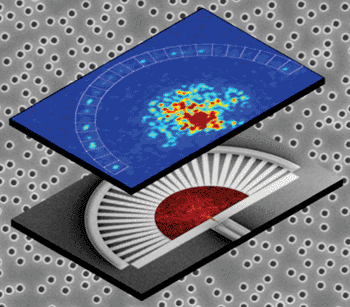

Drug Development Cooperation Yields Synthetic Route for Anti-Skin Cancer Compounds
Cooperation between a Danish pharmaceutical company and a renowned American research institute has resulted in development of a method for chemical synthesis of the anticancer drug ingenol, which up to now could only be inefficiently extracted from plant materials. More...12 Aug 2013
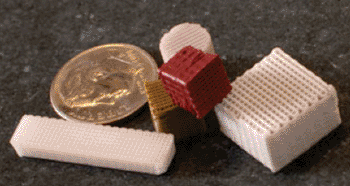
Glass Scaffolds Designed to Repair Bones Also Show Potential as Weight-Bearing Implants
Researchers have developed a type of glass implant that could soon be used to heal damaged bones in the legs, arms, and other areas of the body that are most exposed to the weight-bearing stresses. More...08 Aug 2013
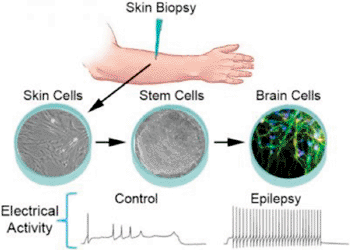
Neurons Derived from the Skin Cells of Epilepsy Patients Embody New Platform for Drug Testing
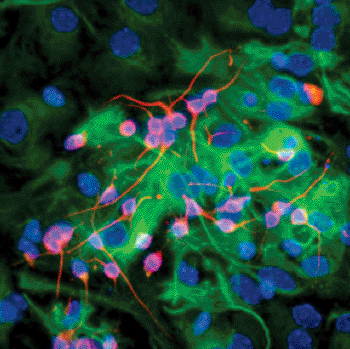
Stem cells derived from skin taken from juvenile epilepsy patients were induced to mature into cultures of neurons that were developed into a human-based system for the study of the genetic factors that underlie the disorder and for development of drugs to control the disease. More...08 Aug 2013
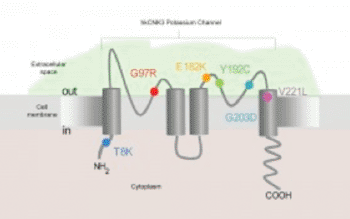

Inhibition of TGF-Beta Signaling Potential Treatment for Chronic Allergies
Mutations in the genes encoding receptor subunits for TGF-beta, TGFBR1 and TGFBR2, have been linked to the development of allergic diseases, including asthma, food allergy, eczema, allergic rhinitis, and eosinophilic gastrointestinal disease. More...08 Aug 2013

Platinum Member

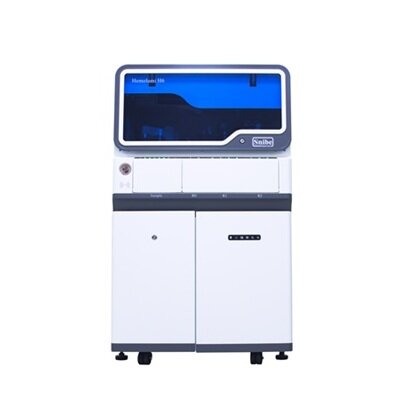
Automated Coagulation Analyzer
Hemolumi H6

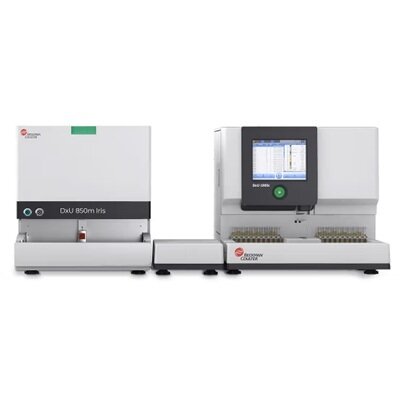

Fully Automated Urinalysis System
DxU 1800 Fully Automated Urinalysis System
.jpg)
Gold Member

Clinical Chemistry Assay
Sorbitol Dehydrogenase (SDH)
In Other News
Therapy Developed That May Inhibit Kidney Disorder by Differentiating Disease Processes and Biomarkers
Clinical Trial Research Software Provides Range of Trial Capabilities in Unified Platform
Drugmaker Perrigo to Buy Irish Elan for USD 8.6 Billion
Microgel Insulin Delivery System Mimics Beta-Cell Action
Membrane Chromatography Issues Addressed by New Smartphone Application
Converting Blood Cells into Therapeutic Approaches for Autoimmune Disease
Precision and Ease-of-Use Characterize New Line of Microcentrifuges
Nanovesicle Drug Slips Through the Blood-brain Barrier to Selectively Target Brain Cancer Cells
Monoclonal Antibody Blocks Pro-Life Molecular Signaling in Pancreatic Tumors
Largest Data Set of Cancer-Related Genetic Variations Generated for Researchers
Big Data Research Platform Aggregates, Interprets Molecular, Life Sciences Data
Positively Charged Anticancer Nanoparticles Accumulate in the Acidic Microenvironment of a Tumor
Inhibition of a Tyrosine Kinase in Mouse Models Decreased Tumor Growth and Metastasis
BRAF Mutation Triggers Series of Cellular Transformations Leading to Colon Cancer
Smart Nanofiber Therapy Effective in Fighting Cancer
New Chemotherapeutic Approach Will Selectively Starve Cancer Cells
Autoimmune Diseases Research Model Developed to Clarify Antibody Mechanisms
Genetically Engineered Mouse Models That Closely Resemble Human Patients Enable More Relevant Cancer Drug Studies
Blocking Action of a Macrophage Surface Protein Limits Damage in Chronic Inflammatory Diseases
NMR Innovation Offers Insights into Protein Interaction
A Novel Cellular Thermal Shift Assay Monitors Intracellular Drug Binding
Disrupted Micronuclei Cited as Potential Non-Small-Cell Lung Cancer Biomarkers

Hydrogels Assessed for Biomedical Uses


BioResearch brings the latest research news on the genome, proteome, metabolome, on drug discovery, and therapeutics. Biotech researchers, lab administrators, technologists, drug manufacturers, and suppliers can find the latest research news and information related to their fields of endeavor here.