Blood Test Identifies Individuals at Risk of Developing Parkinson’s Disease Before Symptoms Occur 
|
By LabMedica International staff writers Posted on 06 Dec 2023 |


|

Parkinson's disease is the second most prevalent neurodegenerative disorder globally, affecting seven million individuals, with projections indicating a potential doubling of cases by 2040. A significant challenge in conducting clinical trials for disease modification is identifying individuals in the earliest stages of disease development and excluding those with similar symptomatology but different conditions. Parkinson's disease begins more than a decade before symptoms become clinically evident, which can be attributed to brain cells' inability to process a small protein known as alpha-synuclein. This dysfunction leads to the formation of abnormal alpha-synuclein clusters that harm susceptible nerve cells, resulting in the well-known movement disorder and frequently dementia. By the time of diagnosis, most of these sensitive nerve cells have perished, and alpha-synuclein aggregates are present in numerous brain regions. A predictive method for identifying impairments in alpha-synuclein pathways before Parkinson’s symptoms occur would be invaluable, aiding clinicians in identifying individuals who might benefit most from upcoming disease-modifying treatments.
At the University of Oxford (Oxford, UK), researchers have developed a novel blood test capable of detecting Parkinson’s disease pathology before the onset of its primary symptoms. This advancement paves the way for early identification of individuals at heightened risk of developing the disease, thereby facilitating the prompt application of precision therapies currently under clinical investigation. The study highlights the potential of measuring a specific subtype of extracellular vesicles to identify changes in alpha-synuclein in individuals predisposed to Parkinson's disease. Extracellular vesicles, nanoparticles released by all cell types and present in various biofluids including blood, transport molecular signals between cells. Employing a refined antibody-based assay created by the research team, the test isolates nerve cell-derived extracellular vesicles from blood samples, measuring their alpha-synuclein content.
In this pioneering study, the research team examined 365 at-risk individuals from four clinical cohorts, 282 healthy controls, and 71 individuals with either genetic or sporadic Parkinson's disease. The study revealed that those with the highest Parkinson’s risk (over 80% probability based on research criteria) exhibited a twofold increase in alpha-synuclein within neuronal extracellular vesicles. The test successfully differentiated these individuals from low-risk and healthy controls. It could distinguish a high-risk individual from a healthy control with 90% probability. This suggests that the blood test, combined with limited clinical assessment, could effectively screen and identify high-risk individuals. The test could also identify individuals who had evidence of neurodegeneration detected by imaging, or pathology detected by a spinal fluid assay, but were yet to develop a movement disorder or dementia
In a smaller subgroup of 40 people who eventually developed Parkinson’s and related dementia, the blood test was positive in over 80% of cases up to seven years prior to diagnosis. This group showed a correlation between higher blood alpha-synuclein levels in neuronal extracellular vesicles, lower spinal fluid alpha-synuclein levels, and a longer duration before the emergence of main Parkinson's symptoms. This implies that nerve cells might protect themselves by packaging excess alpha-synuclein in extracellular vesicles, subsequently released into the blood. Building on prior research by the same team, the current study confirms that this biomarker is elevated in Parkinson’s patients but not in other conditions with Parkinson's-like symptoms. The researchers had earlier outlined the pathway targeting alpha-synuclein for degradation within nerve cells. This pathway might also channel alpha-synuclein outside cells in extracellular vesicles, particularly when intracellular protein turnover is compromised in conditions like aging and Parkinson’s disease.
“Collectively our studies demonstrate how fundamental investigations in alpha-synuclein biology can be translated into a biomarker for clinical application, in this case for the identification and stratification of Parkinson’s risk,” said Professor George Tofaris. “A screening test that could be implemented at scale to identify the disease process early is imperative for the eventual instigation of targeted therapies as is currently done with screening programs for common types of cancer.”
Related Links:
University of Oxford








Latest Molecular Diagnostics News
- Urine-Based RNA Improves Bladder Cancer Detection and Monitoring
- Blood RNA Panel Predicts Lung Cancer Risk Years Before Diagnosis
- Facilitated Cascade Program Increases Genetic Testing in Hereditary Cancer Families
- Bile DNA Testing Detects Tumor Signals Before Conventional Cancer Diagnosis
- Blood-Based Test Broadens Colorectal Cancer Screening Options
- New Blood Test Could Help Predict Severe Scoliosis in Adolescents
- Single Assay Enables Simultaneous Newborn Screening for Three Severe Genetic Disorders
- Genetic Testing Identifies Inherited Predisposition in Children With Acute Leukemia
- Pooled Saliva PCR Screening Identifies Congenital CMV Missed by Targeted Testing
- Portable Test Differentiates Seven Mosquito-Borne Viruses at Point of Care
- Rapid Genetic Test Aims to Shorten Brain Tumor Diagnosis Time
- Long-Read Sequencing Test Identifies Genetic Causes in Inherited Muscle Disease
- Genetic Testing Program Helps Uncover Inherited Risk in Pediatric Cancer
- Genomic Test Guides Extended Endocrine Therapy in Early Breast Cancer
- Genomic Breast Cancer Study Adds Real-World Evidence Across Diverse Patient Populations
- New Oncology Assays Deliver Precise Molecular Counts with MRD-Grade Sensitivity
Channels
Clinical Chemistry
view channel
UK Project Advances Blood-Based Dementia Testing Toward Routine Clinical Care
Dementia is the leading cause of death in the UK, accounting for almost one in eight deaths, with more than 72,000 people dying from dementia, including Alzheimer’s disease, in 2025. Despite this burden,... Read more
Noninvasive AI-Enabled Raman Probe Distinguishes Skin Cancers from Normal Tissue
Skin cancer is the most common cancer in the United States and among the most common worldwide. Nearly 1.5 million new cases were diagnosed globally in 2024, including nearly 340,000 melanomas.... Read more
Screening After Pneumococcal Disease May Reveal Undiagnosed Blood Cancer or Immune Disorders
Severe pneumococcal disease requiring hospitalization often presents as pneumonia, particularly in older adults and people with cancer or compromised immune function. Because M protein testing and antibody... Read more
Hematology
view channel
New Donor Genetic Marker May Help Predict Stem Cell Transplant Success
Donor selection for hematopoietic stem cell transplantation plays a major role in relapse risk and survival for patients with blood cancers and other blood disorders. Despite advances in genotyping, uncertainty... Read more
Updated Ferritin Thresholds Improve Detection of Iron Deficiency
Iron deficiency is one of the most common health conditions worldwide, yet its nonspecific symptoms can delay diagnosis for months. Variation in testing practices and ferritin thresholds may contribute... Read more

Immunology
view channel
Routine Newborn Blood Spots Can Measure GBS Antibody Levels
Group B Streptococcus (GBS) can cause serious infections in newborns. Protecting infants remains challenging because immune protection may depend on antibodies transferred from mother to baby before birth.... Read more
Blood Test Differentiates Bacterial and Viral Infections in Febrile Infants
Fever in infants younger than 3 months is treated as a medical emergency because infections can become life-threatening while the immune system is still developing. Emergency department teams must quickly... Read more

Microbiology
view channel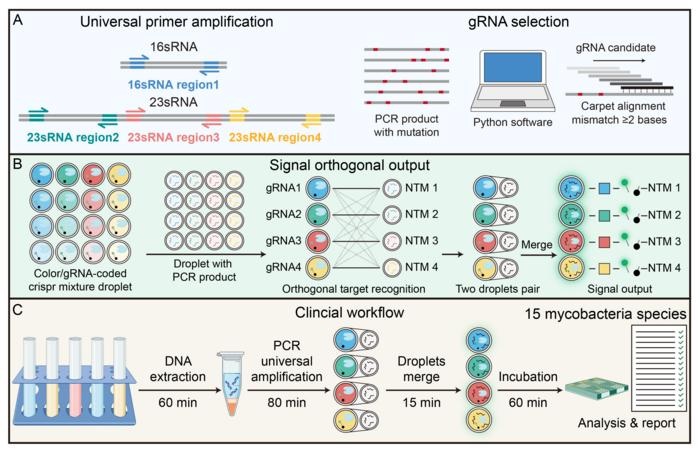
Nanodroplet CRISPR Technology Supports Rapid, Multiplexed Mycobacterial Identification
Mycobacterial infections are difficult to diagnose because closely related species can have different clinical and therapeutic implications. Nontuberculous mycobacteria (NTM) are increasingly recognized... Read more
Genomic Workflow Identifies Fungal Pathogens Before Blood Cultures Turn Positive
Fungal bloodstream infections pose a major threat to hospitalized patients. Candida species cause most invasive fungal infections worldwide and are among the leading causes of hospital-acquired bloodstream... Read more
FDA-Cleared Multiplex PCR Test Detects 13 Respiratory Pathogens in a Single Sample
Respiratory tract infections can be difficult to distinguish at presentation because many cause overlapping, nonspecific symptoms and are initially grouped as influenza-like illnesses. Causes span a range... Read more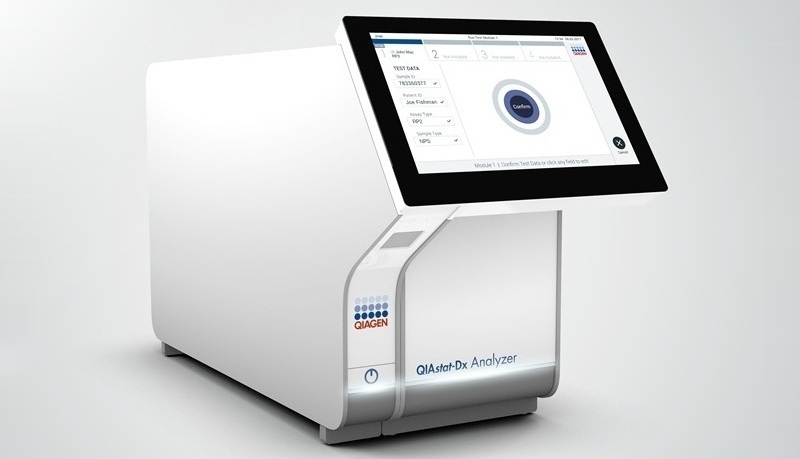
One-Hour Molecular Panel Expands Bloodstream Infection Testing for Gram-Negative Pathogens
Bloodstream infections can progress rapidly and lead to sepsis, organ failure, and death. In the United States, about 1.7 million adults develop sepsis each year, and at least 350,000 die during hospitalization... Read morePathology
view channel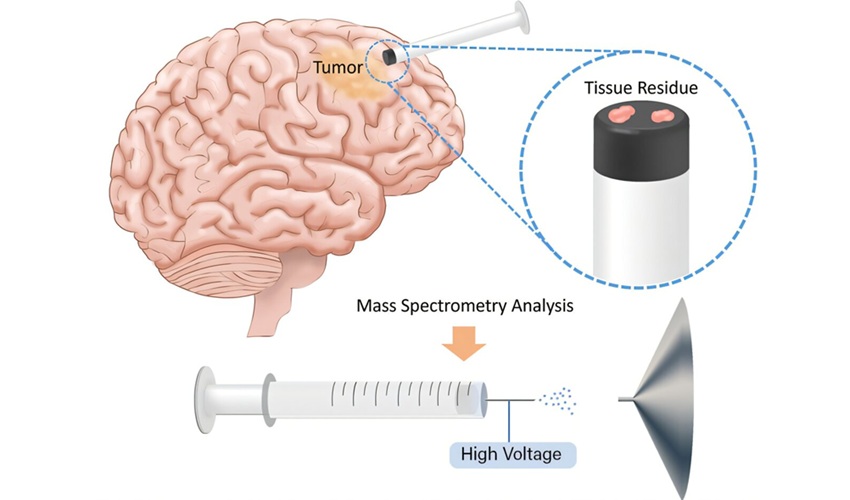
Rapid Mass Spectrometry Test May Aid Glioma Margin Decisions
Glioma brain tumors are highly infiltrative and can extend into nearby healthy brain tissue, making tumor margins difficult to define during surgery. Residual tumor cells may contribute to recurrence and... Read more
Genomic Classifier Predicts Benefit From Adding Hormone Therapy to Salvage Prostate Radiation
Men who have undergone prostatectomy for prostate cancer may later develop a detectable or rising prostate-specific antigen, prompting salvage radiation therapy. A key challenge is determining who is most... Read more
Technology
view channel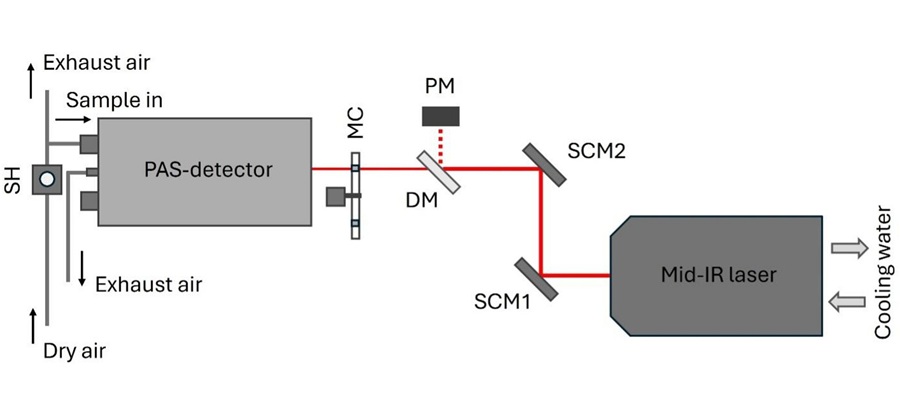
Laser-Based Swab Analysis Shows Promise for Detecting Disease-Linked Odor Patterns
Disease-related changes in volatile organic compounds can alter body odor, producing measurable patterns in exhaled breath and bodily fluids. Current analytical methods can be complex, time-consuming,... Read more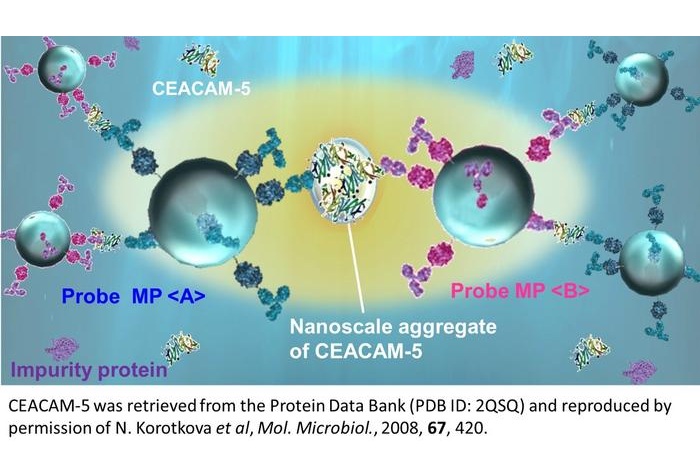
Laser-Enhanced Assay Boosts Sensitivity for Colorectal Cancer Biomarker Detection
Colorectal cancer is the third most commonly diagnosed cancer and the second leading cause of cancer-related death worldwide. Early detection remains critical, but cancer biomarkers can produce only faint... Read more

Industry
view channel
Collaboration Advances Automated Benchtop Platform for Routine Blood Testing
Routine blood testing is central to clinical decision-making, but access can vary across laboratory and healthcare settings. Broader use of automated benchtop platforms may help integrate testing more... Read more
Expanded Partnership Supports AI Biomarker Validation and Clinical Trial Deployment
CellCarta (Montreal, Canada) and Imagene AI (Miami, FL, USA) have expanded their collaboration to provide biopharma companies with a coordinated pathway for biomarker strategy, assay development, validation,... Read more
Collaboration Combines AI Cognitive Assessment and RNA Blood Testing for Earlier Alzheimer’s Detection
Alzheimer’s disease is often identified only after substantial neurodegeneration, partly because current diagnostic pathways are fragmented and difficult to scale. As treatment shifts toward earlier intervention,... Read more